
Knowing exactly how long is mascara good for is essential for anyone who wants to maintain a healthy beauty routine. Because your eyes are incredibly sensitive and prone to infections, the window of time you have to safely use a tube of mascara is much shorter than most other cosmetics.
While it might be tempting to hold onto your favorite product until the very last drop, sticking to recommended timelines is the best way to protect your vision. Understanding the factors that lead to degradation helps you decide when it is finally time to toss that old tube and treat yourself to something fresh.
The Science of Mascara Shelf Life
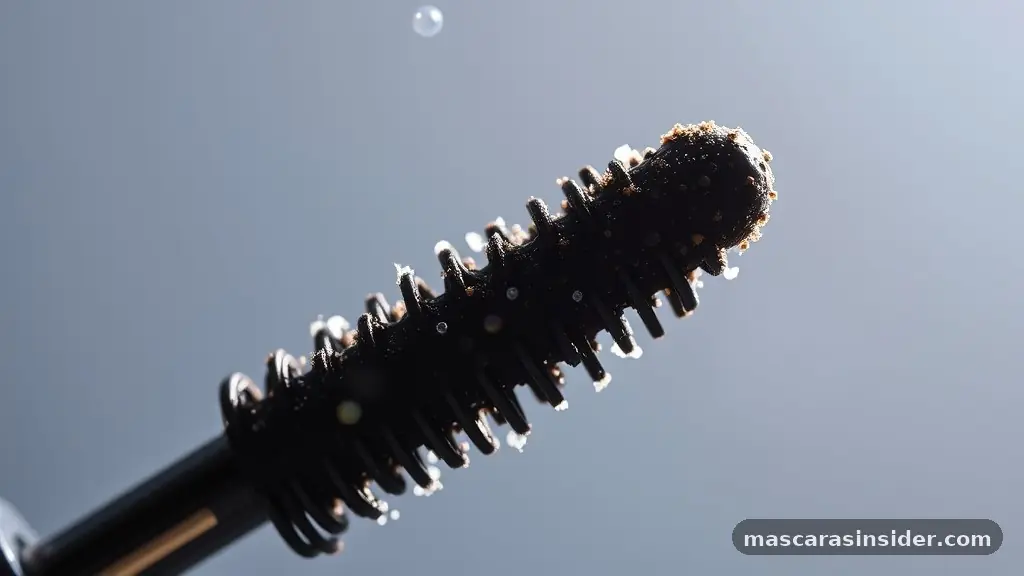
Mascara is a unique cosmetic because it is essentially a wet, nutrient-rich environment for microorganisms. Most formulas contain water, preservatives, and pigments designed to coat your lashes, but these same ingredients can become a breeding ground for bacteria if they are not stored or used correctly. Once you break the seal on a new tube, you introduce air and potential contaminants from your skin every time you pull the wand out and push it back in.
This process, known as oxidation, begins the moment the air hits the formula. Over time, the preservatives lose their effectiveness, and the mixture begins to thicken, clump, or dry out.
While manufacturers add stabilizers to prevent this, they are not intended to last indefinitely. The combination of warmth, moisture, and the dark space inside the tube creates a perfect habitat for microbes to thrive, which is why the lifespan of eye makeup is significantly shorter than that of powder-based products like blush or eyeshadow.
Why Three Months is the Gold Standard
Most dermatologists and makeup professionals agree that you should replace your mascara every three months. This timeframe is not just a marketing tactic to sell more units; it is a calculated safety window based on how quickly bacteria can colonize an open liquid product. Even if the product looks and smells fine, the microscopic reality inside the tube is often very different.
By the time you reach the three-month mark, the preservatives in the formula have likely been depleted. If you use your makeup daily, you are introducing a small amount of skin flora into the tube with every application.
Over ninety days, these tiny amounts accumulate. Using a product beyond this period increases the likelihood of transferring harmful bacteria directly onto your lashes and into the delicate tissues of the eye.
Signs Your Mascara Has Expired
Even if you haven’t hit the three-month threshold, your product might signal that it is time to part ways. Pay close attention to changes in texture, smell, and performance.
If you notice your lashes becoming brittle, clumpy, or difficult to coat, the formula has likely begun to break down. This degradation often happens faster in humid environments, such as a bathroom where you shower daily.
A distinct, off-putting odor is a definitive sign that the product is no longer safe to use. If the smell has changed from a mild, chemical, or neutral scent to something sour or sharp, this is a major red flag.
Similarly, if the mascara starts to irritate your skin or causes redness after application, stop using it immediately. Never try to “revive” a dry or clumpy tube with water, oil, or saline solution, as this only introduces new contaminants and further dilutes the preservatives meant to keep you safe.
The Hidden Risks of Using Old Mascara
Continuing to use expired makeup poses real risks to your ocular health. The most common issues include conjunctivitis, commonly known as pink eye, and styes.
These infections cause significant discomfort, swelling, and potential long-term damage if left untreated. Because the eye is a mucous membrane, it is highly susceptible to absorption and infection, making it a high-stakes area for improper hygiene.
Beyond immediate infections, there is the risk of chronic irritation. Persistent itching, watery eyes, or a gritty sensation can often be traced back to outdated products.
If you wear contact lenses, these risks are magnified because the bacteria can easily become trapped between the lens and your cornea. For those with sensitive eyes, the threshold for safety is even narrower, and you should consider replacing your tubes even sooner than the general recommendation.
How Storage Habits Affect Longevity
Where you keep your beauty products significantly impacts how long they stay viable. Many people store their makeup in the bathroom, but the fluctuating temperature and high humidity are the enemies of liquid cosmetics. Heat can cause the formula to separate or become a breeding ground for mold, while moisture can lead to a buildup of bacteria on the wand and around the neck of the tube.
To extend the shelf life of your mascara, store it in a cool, dry place away from direct sunlight. A vanity or a bedroom drawer is a much safer environment than a steamy bathroom cabinet.
Additionally, always ensure the cap is screwed on tightly after every use. A loose cap allows air to dry out the product and invites dust and debris to settle inside the tube.
The Danger of Sharing Makeup
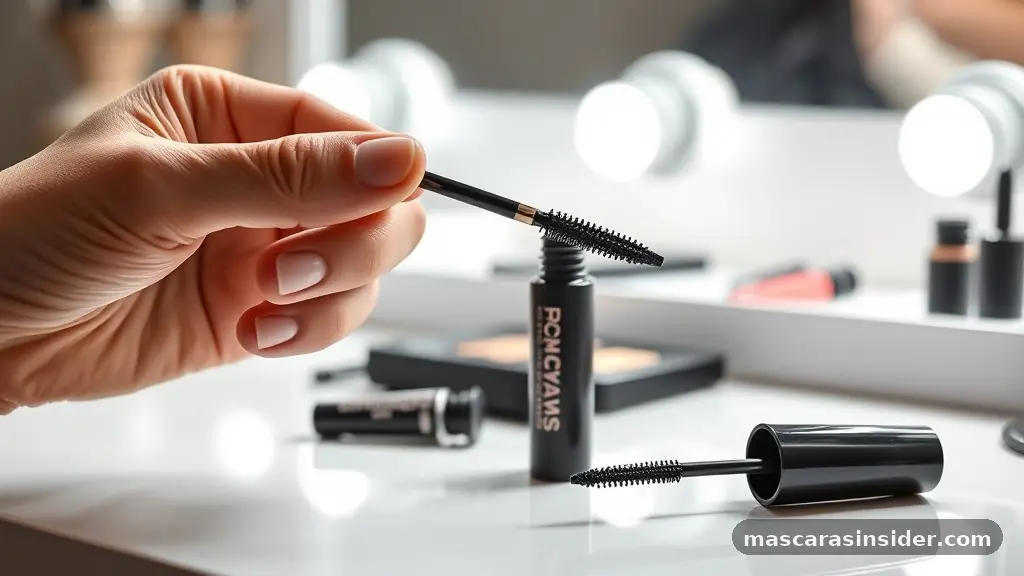
Sharing is generally discouraged when it comes to eye makeup. Even if you are just letting a friend test your mascara, you are effectively introducing a new set of bacteria into your tube. Everyone carries different types of bacteria on their skin, and what is harmless to your friend might cause a reaction in your own eyes.
If you are a professional makeup artist or someone who enjoys doing makeup for friends, you must use disposable wands for every single application. Never double-dip a wand that has touched another person’s lashes back into the original tube. This practice is the fastest way to contaminate an entire product, rendering it unsafe for use long before it would have naturally expired.
Understanding the Impact of Waterproof Formulas
Waterproof mascara is often perceived as being more durable, but this does not mean it lasts longer than standard versions. While the formula is designed to resist water and sweat, the preservatives inside are subject to the same degradation cycle as any other liquid. In fact, some waterproof formulas can be more difficult to remove, requiring more aggressive scrubbing, which can cause mechanical irritation to the delicate skin around the eye.
Because you have to work harder to remove these formulas, you might be tempted to use harsh removers or rub your eyes excessively. This irritation can create micro-tears in the skin, making it easier for bacteria from an expired product to cause an infection. If you use waterproof options, follow the same three-month replacement rule as you would with any other lash product.
Comparing Different Types of Mascara
Different types of mascara have slightly different behaviors, though the safety rules remain consistent across the board. The table below outlines how various formulations typically interact with your routine and the environment.
| Mascara Type | Common Characteristics | Typical Longevity |
|---|---|---|
| Standard/Volumizing | High water content, prone to clumping | 3 Months |
| Waterproof | Oil-based, resists moisture | 3 Months |
| Tubing Mascara | Polymer-based, forms “tubes” | 3 Months |
| Natural/Organic | Fewer synthetic preservatives | 1-2 Months |
Natural and organic products often have a much shorter shelf life because they lack the robust synthetic preservatives found in conventional brands. If you prefer “clean” beauty, you should be even more vigilant about checking the expiration date and watching for any changes in consistency.
Best Practices for Lash Hygiene
Maintaining good eye health involves more than just replacing your mascara on time. It is also about how you handle your tools.
Regularly cleaning your eyelash curlers is a step many people overlook. A dirty curler can collect old product and bacteria, which is then transferred to your clean lashes the next time you use it.
- Wash your hands thoroughly before applying any eye makeup.
- Avoid pumping the wand in and out of the tube, as this forces air inside and speeds up the drying process.
- Clean the wand with a gentle cleanser if you notice it becoming crusty or caked with product.
- Remove all eye makeup before going to sleep to allow your lashes and lids to breathe.
- If you have an eye infection, discard all eye makeup you were using at the time to prevent re-infection.
Taking these small steps ensures that you aren’t just applying makeup, but also protecting your ocular health. For more detailed information on eye safety, you can visit the American Academy of Ophthalmology to learn about how to maintain healthy eyes while using cosmetics.
Addressing Common Misconceptions
Many people believe that if a product doesn’t smell bad or look clumpy, it is perfectly fine to use. This is a dangerous assumption.
Bacteria are invisible to the naked eye, and a product can be heavily colonized by microbes while still appearing perfectly normal. You cannot rely on your senses alone to determine if a liquid cosmetic is safe.
Another common myth is that high-end or expensive mascara lasts longer than drugstore brands. In reality, the chemistry is often quite similar regarding shelf life.
Price points are usually reflective of the packaging, brand marketing, and specific lash-enhancing ingredients, not a superior preservative system that defies the biological reality of bacteria growth. Treat all your eye products with the same level of caution regardless of the price tag.
FAQ
Can I use mascara that is six months old?
Using mascara that is six months old is generally not recommended. By this point, the preservatives are likely ineffective, and the risk of bacterial contamination is significantly higher. It is safer to replace your mascara every three months to avoid potential eye infections and irritation.
How do I know if my mascara is expired?
Look for changes in the formula’s texture, such as increased clumping or dryness. A noticeable, unpleasant, or sour smell is a clear sign that the product has gone bad. If the mascara causes any stinging, redness, or itching during or after application, discard it immediately.
What happens if I use old mascara?
Using old mascara exposes your eyes to bacteria that can cause conjunctivitis, styes, and chronic irritation. Since the product is applied directly to your lash line, these pathogens have an easy path into the eye, which can lead to discomfort, swelling, and more serious ocular health issues.
Does waterproof mascara last longer?
Waterproof mascara does not have a longer shelf life than standard formulas. While it is designed to resist water, the preservatives inside the tube still break down over time. You should adhere to the same three-month replacement rule for waterproof products as you would for any other type of mascara.
Final Thoughts on Product Maintenance
Keeping track of when you opened a tube is the simplest way to stay safe. Many people find success by writing the date on the bottom of the tube with a permanent marker or setting a recurring reminder on their phone. When you make it a habit to replace your beauty staples consistently, you remove the guesswork and keep your eyes protected.
Remember that the goal of your beauty routine is to feel and look your best, and that starts with health. If you are unsure about the age of a product, it is always better to err on the side of caution and replace it.
Your eyes are irreplaceable, and a fresh tube of mascara is a small price to pay for peace of mind. By prioritizing hygiene and staying mindful of how long is mascara good for, you can continue to enjoy your favorite looks without the unnecessary risk of infection or irritation.
Meta Description: Learn how long is mascara good for to keep your eyes healthy. Discover safety tips, signs of expiration, and why you should replace your tube regularly.