When you are preparing for a trip, the confusion surrounding airport security protocols often centers on your toiletry bag. Many travelers find themselves standing at a security checkpoint, wondering if their favorite beauty products will pass inspection or end up in the trash. Specifically, many people ask whether mascara is considered a liquid by aviation authorities.
Because consistency can be deceptive, understanding how these items are classified is essential for a stress-free experience. Getting clear on these rules prevents unnecessary delays and ensures that your makeup collection stays intact while you travel.
Understanding TSA Liquid Classification
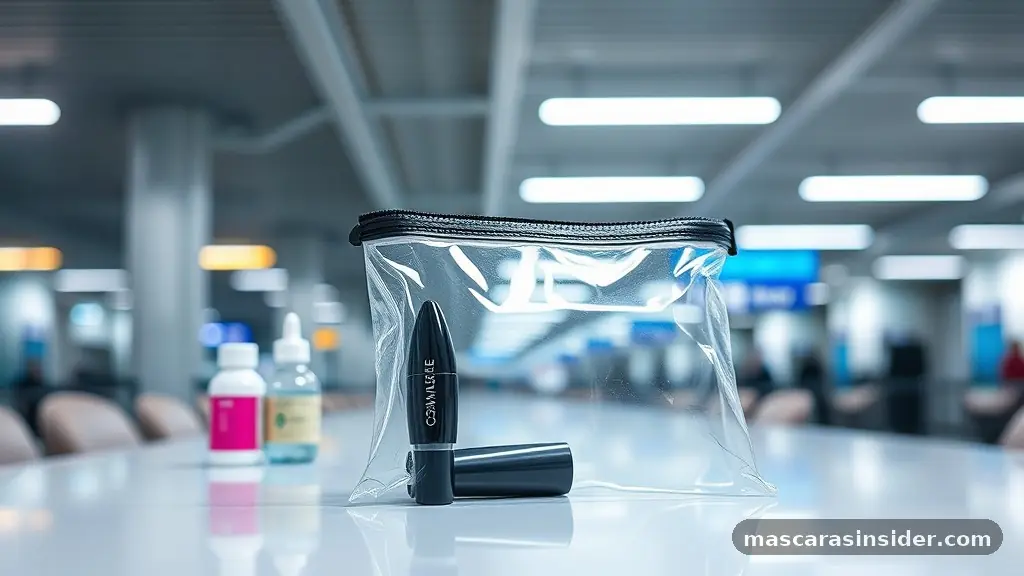
The Transportation Security Administration (TSA) maintains strict guidelines regarding what constitutes a liquid, gel, or aerosol. To the average traveler, a tube of mascara seems like a solid object, but regulatory bodies view it differently. When you ask if mascara is considered a liquid, the answer is a definitive yes.
The TSA categorizes any substance that can be poured, pumped, squeezed, or spread as a liquid for the purpose of carry-on security. This broad definition is designed to standardize the screening process across all domestic airports.
Because mascara has a viscous, fluid-like consistency, it falls under the same category as toothpaste, shampoo, and liquid foundation. When you decide to pack your makeup, you must treat these items as part of your restricted allowance.
The rule is simple: if you can smear it, spread it, or pump it, you should assume it needs to be treated as a liquid. This approach eliminates guesswork and keeps your routine consistent regardless of which airport you visit.
Why Mascara Falls Under Restricted Items
The primary reason authorities regulate these items involves the chemistry of the product. Mascara is a complex emulsion, typically composed of pigments, oils, waxes, and water.
While it might feel thicker than water or perfume, it remains chemically distinct from solids like pressed powder eyeshadow or lipstick bullets. Security technology is calibrated to identify the density and chemical signature of various substances, and the fluid nature of mascara makes it subject to the same oversight as other gels.
Consistency is key when you are packing. If you are ever unsure, imagine the product in a warmer environment. If it would melt or flow, it is almost certainly classified as a liquid.
This rule of thumb helps you categorize everything from your thickest cream bronzer to your lightest lash tint. By recognizing that texture dictates classification, you can better organize your travel kit and avoid the frustration of having to discard items at the security checkpoint.
The 3-1-1 Rule for Carry-On Bags
Since you now know that mascara is considered a liquid, you must adhere to the standard 3-1-1 rule. This policy states that each passenger is allowed to carry liquids, gels, and aerosols in containers that are 3.4 ounces (100 milliliters) or less.
All of these items must fit into a single, transparent, quart-sized resealable bag. This bag needs to be removed from your luggage and placed in a separate bin during the screening process.
This system is designed to allow security officers to quickly inspect your items. Because your mascara tube is significantly smaller than the 3.4-ounce limit, it is perfectly safe to bring on a plane, provided it resides within your clear pouch.
If you have several items, such as lip gloss, concealer, and mascara, they all share space in that one bag. Planning your packing around this limit ensures that you aren’t forced to consolidate your belongings at the last minute while other passengers wait behind you.
Distinguishing Between Solids and Liquids
One of the most common points of confusion involves the difference between cream-based products and true solids. While mascara is a liquid, some other beauty items occupy a gray area. For instance, a solid stick of concealer or a traditional bullet lipstick is generally treated as a solid.
However, if a product is a cream, a balm, or a thick paste, it is safer to treat it as a liquid. The official TSA guidance on liquids provides a comprehensive breakdown for travelers who want to verify specific items.
| Item Type | Classification | Packing Requirement |
|---|---|---|
| Mascara | Liquid/Gel | Must be in a quart-sized bag |
| Pressed Powder | Solid | No restrictions |
| Lip Gloss | Liquid/Gel | Must be in a quart-sized bag |
| Stick Concealer | Solid | No restrictions |
This table highlights the clear distinction between textures. By separating your items into these two categories before you head to the airport, you can breeze through security. Always remember that when in doubt, it is far better to place an item in your liquids bag than to leave it in your main luggage where it might trigger a manual bag search.
Packing Strategies for Beauty Enthusiasts
If you are a frequent flyer with a large collection of products, you might feel limited by the one-quart bag restriction. However, strategic packing can make a significant difference. Many travelers choose to invest in travel-sized versions of their favorite products to save space.
Since most mascara tubes are already quite small, they are naturally well-suited for travel. The real challenge often comes from larger items like primers or liquid foundations.
Consider using a clear, durable pouch that opens flat. This allows you to see everything you have packed without rummaging through your belongings.
Labeling your liquids or keeping them grouped by category—such as face, eyes, and lips—can also help you maintain order. When you pack your makeup, try to keep your mascara in a spot that is easy to reach, as you might need to pull it out quickly if the security officer asks to inspect your liquids bag specifically.
The Impact of Security Screening
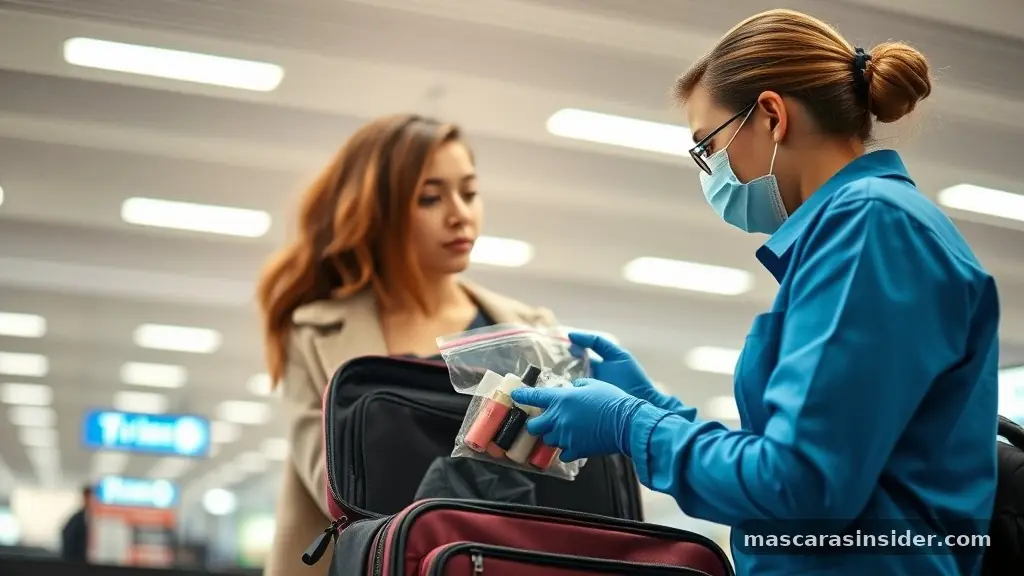
When you go through the checkpoint, your bag of liquids is scanned to ensure it doesn’t contain prohibited substances. If you have too many items or if your container sizes are too large, the screeners may need to inspect the bag manually.
This is why keeping your mascara and other liquid makeup in a transparent, accessible bag is so important. It reduces the likelihood of a security agent having to dig through your personal items.
Most passengers find that if they follow the 3-1-1 rule, they rarely encounter issues. The goal of security is to identify potential threats, and having your beauty products organized shows that you are compliant with the rules.
If you travel with high-end makeup, you definitely want to avoid having a security officer handle your items more than necessary. A clean, well-organized pouch protects your products and makes the entire process more efficient.
Common Mistakes When Traveling with Makeup
Many travelers make the mistake of assuming that because a product is “high-end” or “small,” it is exempt from the rules. Unfortunately, the security rules apply to every passenger regardless of the brand or price of the product.
Another common error is leaving liquid makeup scattered throughout different pockets of a carry-on bag. This is a recipe for disaster, as it forces you to open your bag fully at the checkpoint to retrieve everything.
Some people also forget that items like hair gel, contact lens solution, and even some types of sunscreen are also classified as liquids. If you have a packed toiletry bag, your mascara might be just one of a dozen items that count toward your liquid allowance.
Always check your bag the night before you leave to ensure you haven’t exceeded the volume limit. Being prepared with a clear, compliant bag is the hallmark of an experienced traveler.
Managing Your Pouch During Security
Once you arrive at the security checkpoint, the process is straightforward. Place your quart-sized bag of liquids in the bin separately from your other carry-on items.
You do not need to take the individual items out of the bag; the bag itself is the container that must be presented. This is a common point of confusion, so knowing that the bag itself is the unit of measure is very helpful.
If you are traveling with a partner or family, remember that each person is limited to their own quart-sized bag. You cannot combine your liquids into one massive bag if it exceeds the quart size.
If you find that you have too many liquids, the best move is to place the extras in your checked luggage. Anything you put in a checked bag is not subject to the 3-1-1 rule, which gives you much more freedom regarding the size and quantity of your products.
Addressing Topical Gaps
A frequent question that goes unanswered is whether mascara that has dried out or is nearly empty still counts as a liquid. The answer is based on the container capacity, not the amount of product inside. Even if your mascara tube is almost empty, it is still a container of a liquid substance.
Do not try to bypass the rules by claiming the product is “dry.” The security officer will always err on the side of caution.
Another area that often lacks clarity is the status of waterproof mascara. While it has a different chemical composition than regular mascara, it is still a gel-like substance. Consequently, it remains subject to the same liquid regulations.
Some travelers also worry about the pressure changes on a plane causing their makeup to leak. To prevent this, ensure your mascara tube is closed tightly and consider placing it in a secondary small bag inside your quart-sized pouch to provide an extra layer of protection against spills.
Benefits of Proper Preparation
The primary benefit of knowing that mascara is a liquid is the peace of mind it brings. When you are confident in your knowledge of airport rules, you can pack your bags with certainty.
You will not have to worry about losing expensive items or causing a scene at the security line. This preparation makes your travel day significantly more enjoyable, allowing you to focus on your trip rather than your toiletry bag.
Furthermore, being a prepared traveler is a form of respect for both the security staff and your fellow passengers. By following the guidelines, you contribute to a faster, more efficient experience for everyone.
When you are ready for the checkpoint, you can move through it quickly, find your gate, and start your journey with one less thing to worry about. Keeping your routine simple and compliant is a small but powerful way to improve your overall travel experience.
Frequently Asked Questions
Does waterproof mascara have different travel rules than regular mascara?
No, both waterproof and regular mascara are classified as liquids or gels under TSA guidelines. Regardless of the formula or ingredients, you must pack them in your quart-sized liquids bag along with your other toiletries to comply with carry-on security regulations when flying.
Can I pack my mascara in my checked luggage instead of my carry-on?
Yes, you can absolutely pack mascara in your checked luggage. The 3-1-1 rule only applies to items brought through the security checkpoint in your carry-on bag. If you are checking a bag, you are not restricted by the volume or quantity of your liquid makeup products.
What happens if I forget to put my mascara in the quart-sized bag?
If you forget to include your mascara in your liquids bag, a security officer may pull your carry-on for a manual search. If they find it, they will likely ask you to place it in a bag or may require you to discard it if it cannot be accommodated in your allowed liquids.
Are there any exceptions for expensive or prescription eye products?
While standard makeup does not have exceptions, medically necessary liquids can sometimes bypass the 3-1-1 rule. However, mascara is considered a cosmetic, not a medication. If you have specific prescription eye gels, you should declare them to the security officer before the screening process begins.
Conclusion
Navigating airport security is much easier when you have a solid grasp of the regulations. Knowing that your mascara is considered a liquid allows you to pack effectively and avoid the stress of unexpected inspections. By keeping your beauty products organized in a clear, quart-sized bag, you ensure that you remain compliant with the 3-1-1 rule and keep your travel experience smooth.
Remember that consistency and preparedness are your best tools when heading to the terminal. If you keep these simple guidelines in mind, you can focus on the excitement of your trip rather than the contents of your toiletry pouch. Now that you are fully informed on how to handle your makeup, you are ready to pack with confidence and head to your next destination.
Meta Description: Is mascara considered a liquid by the TSA? Learn the official rules for packing makeup in your carry-on to ensure a smooth airport security experience.