
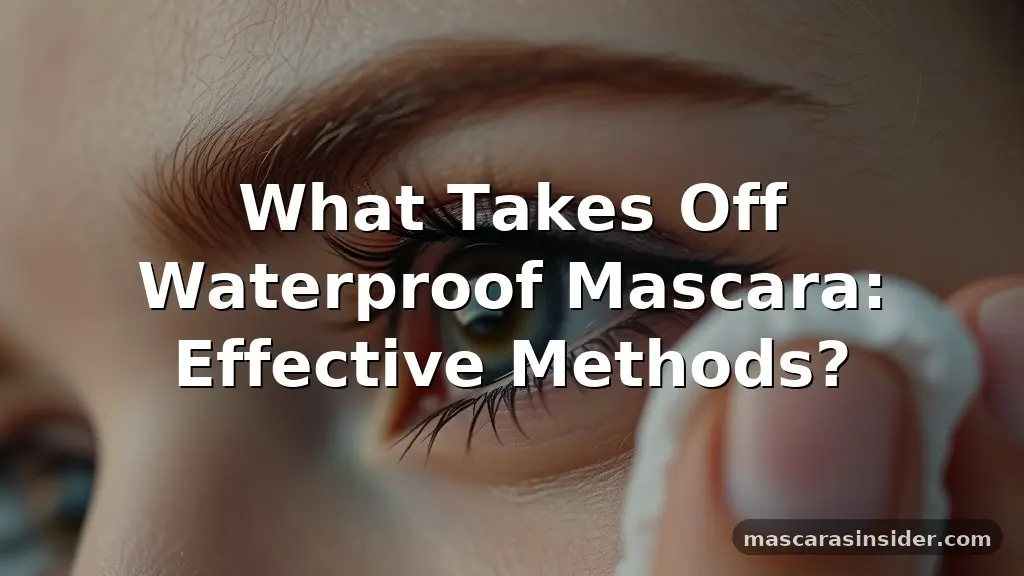
Finding the right technique that takes off waterproof mascara without causing irritation or lash breakage is a common struggle for beauty enthusiasts. Because these formulas are designed to resist moisture and humidity, standard soap and water often fail to break them down, leaving you with smudged residue.
Understanding the science behind these stubborn products is the first step toward a clean, healthy eye area. By utilizing the right solvents and techniques, you can effectively dissolve even the most resilient polymers while keeping your delicate skin and lashes in perfect condition.
The Science Behind Waterproof Formulas
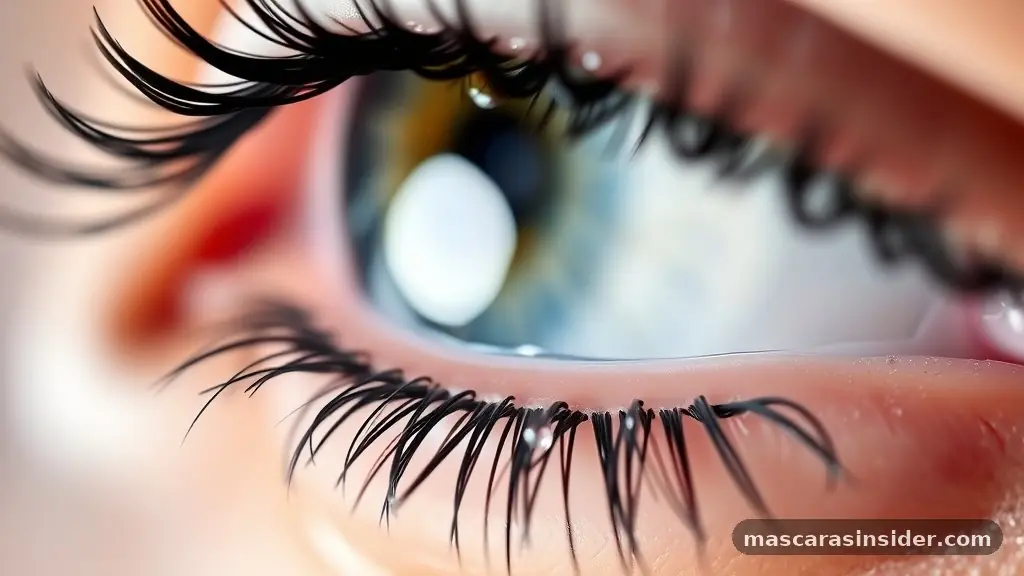
Waterproof formulas rely on specific ingredients to remain intact during sweat, rain, or tears. Most of these products use a combination of synthetic waxes, silicones, and volatile solvents that evaporate upon application, leaving behind a hard, water-resistant film.
Because these ingredients are hydrophobic, they do not dissolve when exposed to plain water. To effectively remove them, you need a substance that can disrupt this chemical bond.
The most effective approach involves using an oil-based solvent or a specialized dual-phase cleanser. When you apply an oil to the lash, it works to soften the wax and dissolve the silicone polymers.
This process turns the hardened film back into a liquid state, which can then be wiped away easily. Understanding that you are essentially breaking down a chemical barrier helps you choose the right product for your routine.
Using Oil-Based Cleansers for Maximum Efficiency
Oil-based cleansers remain the gold standard for removing stubborn eye makeup. Whether you choose a dedicated cleansing oil or a balm, these products are designed to lift debris from the skin without requiring harsh scrubbing. The oil molecules bind to the makeup, making it easy to rinse away with warm water.
When using an oil cleanser, it is best to apply it to dry skin. Massage the product gently over your closed eyes, focusing on the lash line where the mascara is concentrated.
You will notice the mascara beginning to loosen as you massage. After about thirty seconds of gentle work, add a small amount of warm water to emulsify the oil into a milky texture, then rinse thoroughly to reveal clean lashes.
The Role of Micellar Water in Your Routine
Micellar water has become a staple for many because of its convenience and effectiveness. These products contain tiny oil molecules known as micelles suspended in soft water. These micelles act like magnets, drawing out dirt, oil, and waterproof makeup from the surface of your skin and lashes.
When selecting a product to remove your mascara, look for a formula specifically labeled for waterproof makeup. Standard micellar water may struggle to break down heavy-duty polymers, but specialized versions are designed for high-performance cosmetics.
To achieve the best results, soak a cotton pad with the solution and hold it against your closed eye for at least ten seconds. This allows the micelles to penetrate the layers of mascara before you attempt to wipe it away.
Gentle Techniques to Protect Your Lashes
One of the biggest concerns when removing mascara is the potential for lash loss. Pulling, tugging, or aggressive rubbing can snap brittle lashes or cause them to fall out prematurely. The key is patience; you must allow your chosen cleanser time to do the heavy lifting so that you do not have to rely on physical force.
Always use soft materials like high-quality cotton pads or reusable microfiber rounds. If you prefer to use your fingers, ensure your hands are clean and your movements are light.
By treating your eye area with care, you preserve the natural health of your lashes and prevent the development of fine lines around the eyes. According to the American Academy of Ophthalmology, maintaining good hygiene and gentle removal practices is essential for long-term ocular health.
Comparing Common Removal Methods
Choosing the right method often depends on your skin type and personal preference. Some people prefer the efficiency of oil, while others enjoy the refreshing feel of a water-based micellar solution. Below is a breakdown of how different methods compare when dealing with long-wear formulas.
| Method | Best For | Efficiency Level |
|---|---|---|
| Oil Cleansing Balm | Dry or sensitive skin | High |
| Dual-Phase Remover | Very stubborn formulas | Maximum |
| Micellar Water | Quick, daily removal | Moderate to High |
| Natural Oils | Minimalist routines | Moderate |
Natural Oils as an Alternative
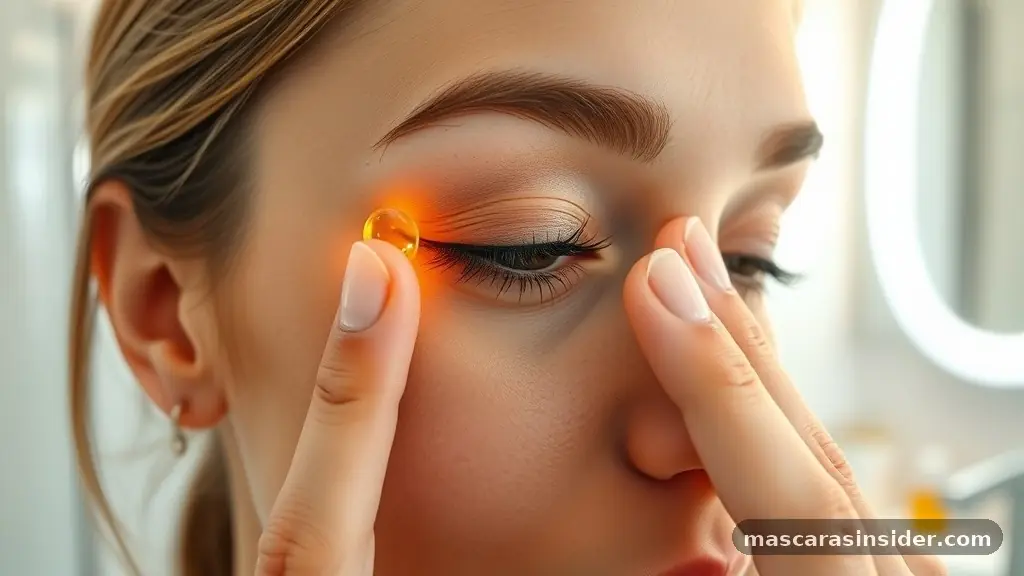
If you find yourself without a specialized commercial remover, natural oils are often effective in a pinch. Coconut oil, jojoba oil, and almond oil are popular choices that can break down waxes and silicones. These oils are typically gentle on the skin and provide extra hydration to the delicate eye area.
To use this method, take a pea-sized amount of oil and warm it between your fingertips. Gently massage it into your lashes, ensuring every strand is coated. Let it sit for a minute, then wipe away with a damp cloth.
While effective, be mindful that these oils can leave a slight film or blur your vision temporarily. Always follow up with a regular face wash to ensure your pores remain clear.
The Importance of Dual-Phase Removers
Dual-phase removers are specifically engineered for the most difficult waterproof products. These bottles contain two distinct layers: an oil layer and a water-based layer. When you shake the bottle, the two phases combine to create a potent solution that is both effective at dissolving wax and refreshing enough to wipe away cleanly.
The oil component targets the stubborn waterproof polymers, while the water component helps remove the oily residue so your skin doesn’t feel overly greasy. This makes them an excellent middle ground between a heavy cleansing oil and a light micellar water. They are usually the best choice if you wear heavy eye makeup or multiple coats of mascara daily.
Addressing Topical Gaps in Makeup Removal
Many people struggle with “panda eyes” even after they think they have successfully cleaned their face. This often happens because the mascara has migrated to the skin beneath the lower lash line.
To address this, use a cotton swab dipped in your remover to trace the lower lash line carefully. This small step ensures that no pigment is left behind to clog your pores or cause irritation overnight.
Another common issue is improper rinsing. Even if a product claims to be “rinse-free,” residual surfactants can sometimes cause dryness over time.
Always finish your routine by rinsing your face with lukewarm water, regardless of the method you used. This ensures that no makeup remover residue stays on the skin, keeping your barrier healthy and your eyes bright.
Common Mistakes to Avoid
Avoiding common pitfalls will significantly improve the health of your eye area. One frequent mistake is using a dry cotton pad without enough product.
If the pad is not fully saturated, it creates friction, which is the primary cause of lash breakage. Always ensure your pad is damp enough to glide over the eye rather than drag.
Another mistake is sleeping in makeup. Even if it is just a bit of residue, it can lead to clogged follicles and potential infections.
If you are too tired for a full routine, keep a pack of high-quality, oil-based makeup wipes on your nightstand as a backup. While not as effective as a deep cleanse, they are better than leaving the product on while you sleep.
Maintaining Lash Health Long-Term
Beyond the act of removal, the health of your lashes depends on how you treat them during the day. Waterproof mascara can be inherently drying, as it is designed to repel moisture. If you notice your lashes becoming brittle, consider using a nourishing lash serum or a conditioning treatment at night after you have thoroughly cleansed the area.
Regularly cleaning your makeup brushes and tools is also vital. Old mascara wands or brushes can harbor bacteria that may irritate the eyes. By keeping your tools clean and choosing high-quality removers, you create a sustainable routine that allows you to enjoy waterproof products without damaging your natural lashes.
Frequently Asked Questions
Does Vaseline take off waterproof mascara?
Yes, petroleum jelly is an effective, inexpensive way to break down the waxes in waterproof formulas. Because it is highly occlusive and oily, it softens the mascara quickly. However, it can be quite heavy and difficult to rinse off, so follow up with a gentle cleanser.
How do you get waterproof mascara off without makeup wipes?
You can use an oil-based cleansing balm or a dual-phase liquid remover applied to a cotton pad. Alternatively, applying a small amount of coconut or jojoba oil to your fingertips, massaging the lashes, and wiping with a warm, damp cloth is highly effective and gentle on the skin.
How to take off waterproof mascara without losing eyelashes?
The key is to avoid rubbing. Saturate a cotton pad with a dual-phase remover or oil, then press it firmly against your closed eye for thirty seconds. This allows the product to dissolve the mascara completely, letting it slide off the lashes when you gently wipe downward.
Is micellar water enough to remove all waterproof mascara?
Standard micellar water is often insufficient for heavy-duty waterproof formulas. You should look for versions specifically labeled for waterproof makeup, which contain an added oil phase. Even then, you must hold the soaked pad against the lashes for at least twenty seconds to break the bond.
Conclusion
Successfully removing your makeup is just as important as the application itself. By choosing the right solvents and employing gentle techniques, you can ensure that your lashes remain strong and your skin stays clear. Whether you prefer the convenience of micellar water or the deep-cleaning power of a dedicated oil balm, consistency is your best ally.
Experiment with these methods to find what works best for your specific skin type and the products you use. Taking these few extra minutes each night will pay off in the long run, keeping your eyes healthy and your lashes looking their best. If you have been struggling with stubborn residue, try incorporating a dedicated oil-based step into your evening routine to see the difference for yourself.
Meta Description: Discover exactly what takes off waterproof mascara effectively without damaging your lashes, using expert-recommended methods and gentle cleansing techniques.