Many beauty enthusiasts have encountered the persistent urban legend suggesting that their favorite cosmetics are formulated with unusual animal waste. Specifically, the rumor that asks does mascara have bat poop in it continues to circulate on social media platforms and beauty forums, often leaving consumers concerned about the safety and origins of their daily makeup routine.
While the idea sounds shocking, the reality of how these products are manufactured is rooted in chemistry and industry standards rather than biological oddities. Understanding these myths requires a closer look at common ingredients, the history of cosmetic manufacturing, and the science behind the products you apply to your lashes every single morning.
The Origin of the Bat Poop Myth
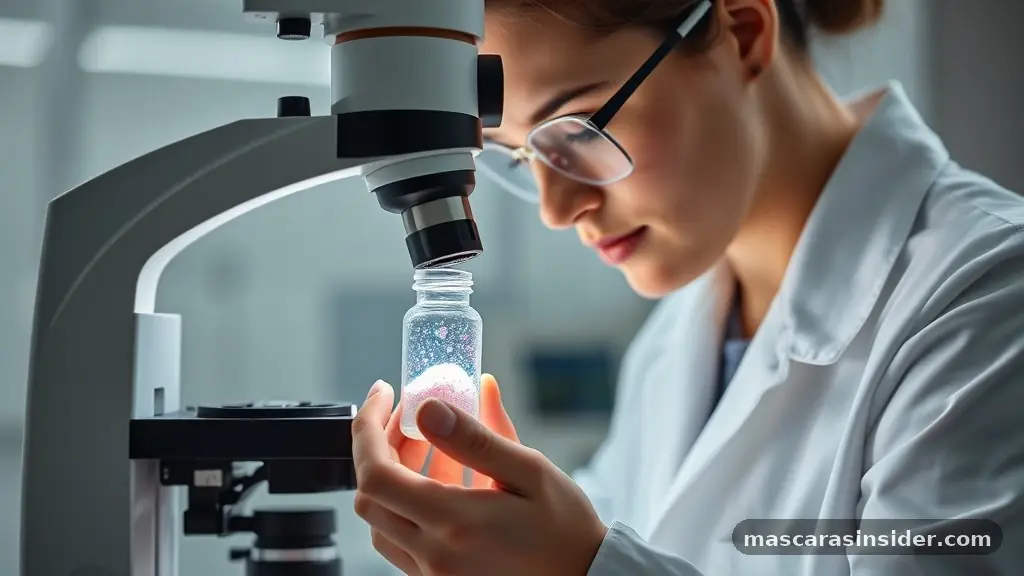
The confusion surrounding whether mascara includes bat waste likely stems from a linguistic misunderstanding involving the word guanine. In the world of cosmetics, guanine is a naturally occurring crystalline substance that provides a shimmering, pearlescent effect.
Because the word sounds remarkably similar to guano—the technical term for bat poop—it is easy to see how a rumor could start. People often conflate these terms, assuming that because guano is a real substance used in various industries, it must also be a component in beauty products.
However, these two substances are entirely different in their chemical composition and sourcing. Guano is indeed used as a fertilizer due to its high nitrogen content, but it has absolutely no place in the formulation of high-quality eye makeup.
The confusion is purely phonetic and has been perpetuated by internet memes and viral videos that prioritize shock value over factual accuracy. By examining the actual chemical properties of cosmetic ingredients, we can easily debunk the idea that any reputable brand would use such materials in their formulas.
What Is Guanine and Why Is It Used?
Guanine is a nucleic acid base that is found in all living organisms, but in the context of cosmetics, it is specifically processed to create a lustrous finish. When you see a product that provides a beautiful, light-reflecting sheen, it is often due to the presence of this crystalline material. It creates a subtle shimmer that mimics the natural look of light catching on the hair, which is why it is highly prized for eye-enhancing formulations.
Historically, this substance was extracted from the scales of fish, specifically herring. The process involved harvesting the scales and purifying the guanine crystals to ensure they met safety standards for human use.
Today, while some luxury brands might still use natural sources, many have moved toward synthetic alternatives to accommodate the growing demand for cruelty-free and vegan options. Regardless of the source, this shimmering agent is clean, safe, and completely distinct from any type of animal excrement.
Ingredients Found in Modern Mascara
To understand why the rumor that mascara has bat poop in it is so unfounded, it helps to look at the standard ingredient list of a typical tube. Most mascaras are composed of a blend of waxes, oils, pigments, and film-forming polymers. These ingredients work together to thicken, lengthen, and darken the appearance of your lashes without causing irritation or safety concerns.
* Waxes: Typically include beeswax, carnauba wax, or paraffin to provide structure.
* Pigments: Often feature iron oxides or carbon black to provide the deep, dark color.
* Film-formers: These polymers help the product adhere to the lash and resist smudging throughout the day.
* Preservatives: Essential for preventing bacterial growth, ensuring the product remains safe for use near the eye.
* Conditioning agents: Ingredients like panthenol or various plant oils help keep the lashes soft.
These components are rigorously tested by regulatory bodies to ensure they do not pose a risk to the delicate skin around the eyes. If a manufacturer were to include something as biologically unstable as bat waste, it would be impossible to stabilize the formula, let alone pass the strict safety inspections required for commercial beauty items.
Understanding Carbon Black and Pigmentation
Another reason for the confusion regarding mascara ingredients is the use of carbon black. This pigment is what gives many mascaras their intense, jet-black appearance.
While the term sounds industrial, it is a finely processed material used across many sectors, from ink production to rubber manufacturing. Because it is a processed powder, some consumers might mistakenly associate it with dirt or waste products, but it is actually a highly purified, inert substance.
The concern regarding whether mascara contains strange additives often stems from a lack of transparency in ingredient labeling. However, major cosmetic companies are required by law to list their ingredients on the packaging or their official websites.
You can find detailed information on these substances through resources like the FDA Cosmetics Regulation page, which outlines the safety standards for all personal care items sold in the United States. By checking these labels, you can verify exactly what is going into your makeup.
The Reality of Animal-Derived Ingredients
While the bat poop rumor is false, it is true that some traditional cosmetics do contain animal-derived ingredients. Ingredients like beeswax, lanolin, and carmine have been used for decades because of their specific physical properties.
However, there is a massive difference between using a natural wax produced by bees and using excrement. The beauty industry has become increasingly transparent, and many brands now clearly label their products as vegan or cruelty-free to satisfy consumer demand.
If you are concerned about animal products, looking for the “vegan” label is the most effective way to ensure your makeup is free from any animal-sourced components. This movement has pushed companies to replace traditional ingredients with synthetic or plant-based alternatives that perform just as well. The transition toward modern chemistry has effectively eliminated the need for questionable or controversial additives, making the products safer and more accessible for everyone.
How Fish Scales Relate to Cosmetics
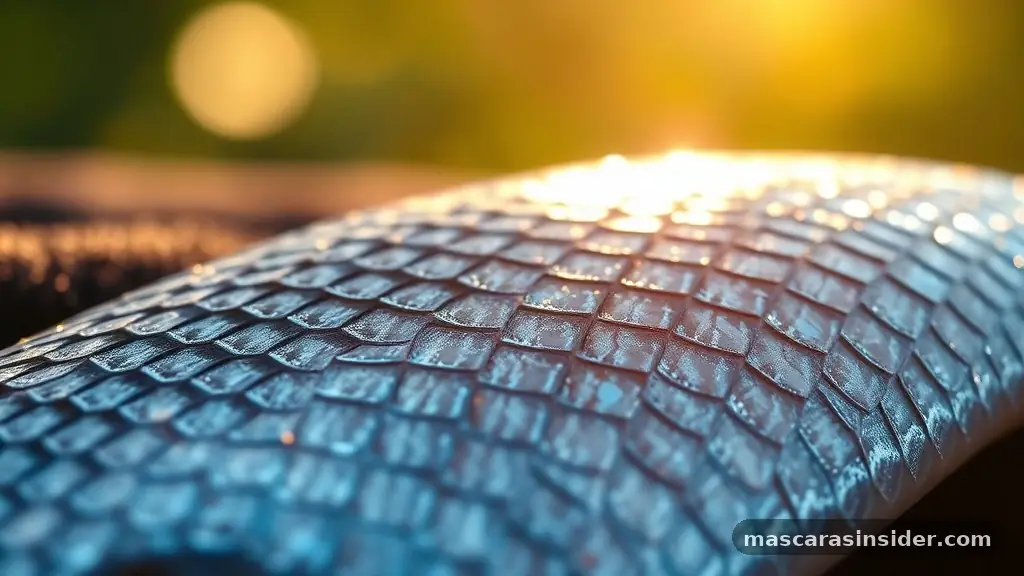
Since the confusion often links back to fish scales, it is worth discussing why they were historically significant. The pearlescent effect mentioned earlier was the primary reason fish scales were harvested.
This practice was common before synthetic mica and other minerals became widely available to provide the same shimmer. Even when fish scales were used, they were treated and processed to isolate the guanine crystals.
This process is not unlike the way other natural ingredients are refined for use in medicine or food. The scale itself is not in the mascara; only the purified compound extracted from it remains.
In the modern era, the use of fish scales has significantly declined as synthetic alternatives offer better stability, lower costs, and complete compatibility with vegan standards. If you are still worried about fish-related ingredients, simple product research will reveal that most current mascaras rely on synthetic minerals like mica or titanium dioxide to achieve that signature look.
Comparing Common Cosmetic Myths
It is helpful to compare the rumors you might hear with the actual science behind the products. Many urban legends persist because they sound plausible to someone unfamiliar with industrial chemistry. By looking at a side-by-side comparison of common myths versus the reality, you can see how misinformation spreads.
| Myth | Reality |
|---|---|
| Mascara contains bat poop | False; guanine is confused with guano. |
| Makeup uses toxic fish scales | False; purified compounds are used for shimmer. |
| All black makeup is made of coal | False; carbon black is a highly processed, safe pigment. |
| Natural ingredients are always safer | Not necessarily; synthetic ingredients are often more stable. |
This table highlights the disconnect between the dramatic stories found online and the controlled, scientific processes used in laboratories. Understanding these distinctions allows you to make informed decisions about the products you choose to put on your face.
Ensuring Safety and Quality in Your Makeup
When shopping for beauty products, the best way to avoid stress is to stick with reputable brands that follow established safety protocols. These companies invest heavily in research and development to ensure their formulas are effective and safe. They also undergo regular audits to confirm that their supply chains are clean and that they are not using any materials that could cause allergic reactions or health issues.
If you have sensitive eyes, look for products that are ophthalmologist-tested. These formulas are specifically designed to be gentle and are free from harsh chemicals that might cause irritation. Furthermore, be mindful of the shelf life of your mascara.
Even the most high-quality, safe product can become a breeding ground for bacteria if it is kept for too long. Replacing your mascara every three months is a standard practice that keeps your eyes healthy, regardless of the ingredients contained inside the tube.
Addressing the Role of Regulatory Bodies
It is important to trust that there are systems in place to prevent dangerous substances from entering the consumer market. Regulatory bodies around the world, such as the FDA in the United States and the European Commission, have strict guidelines regarding what can be included in cosmetics. They monitor the safety of ingredients and require manufacturers to prove that their products are safe for their intended use.
The idea that a company could include something as unsanitary as bat waste without being caught by these regulators is logistically impossible. These organizations perform random testing and require detailed documentation for every ingredient used in mass-market beauty products.
The myth that mascara has bat poop in it is essentially a claim that thousands of safety inspectors and scientists are failing at their jobs, which is simply not the case. You can remain confident that your makeup is subject to some of the most rigorous scrutiny in the consumer goods sector.
Why Myths Persist in the Beauty Industry
Why do stories about “hidden” ingredients continue to circulate despite the lack of evidence? Much of it comes down to the “gross-out” factor.
People are naturally curious about the origin of the products they use, and sensationalist headlines are designed to play on that curiosity. When a story involves something unpleasant like animal waste, it gains traction quickly on social media because it is memorable and evokes a strong emotional response.
This phenomenon is common in many industries, not just beauty. Once a rumor starts, it often takes on a life of its own, with people repeating it as fact without ever checking the source. The best way to combat this is to maintain a healthy level of skepticism regarding viral claims.
If a story sounds too strange to be true, it likely is. By seeking out scientific explanations and relying on reputable sources, you can separate the myths from the reality of cosmetic manufacturing.
Frequently Asked Questions
Is it possible for bat poop to accidentally end up in mascara during production?
No, this is impossible. Cosmetic manufacturing takes place in highly sanitized, sterile laboratory environments known as clean rooms. These facilities are designed to prevent any form of contamination, and every raw material is tested for purity before it is ever allowed to enter the production line.
What should I look for on a label to ensure my makeup is clean?
Look for the ingredient list on the back of the packaging. If you are specifically avoiding animal-derived products, look for a “vegan” or “cruelty-free” certification. These labels indicate that the product has been vetted to ensure it does not contain animal byproducts or ingredients tested on animals.
Why do people keep saying that mascara is made of bat poop?
The rumor persists primarily because of the linguistic confusion between guanine and guano. Because both words relate to substances that have been used in various industries, people often conflate them. Social media and internet forums then amplify this confusion, turning a simple misunderstanding into an enduring urban legend.
Does mascara contain any harmful animal waste products?
Absolutely not. There are no animal waste products used in the production of any legitimate mascara brand. Regulations regarding cosmetics are incredibly strict, and the inclusion of any such material would be a massive health code violation that would lead to immediate product recalls and legal consequences for the manufacturer.
Conclusion
The persistent rumor that people are applying bat waste to their lashes is a classic example of how a simple linguistic mix-up can spiral into a widespread urban legend. By distinguishing between the shimmering crystalline agent guanine and the fertilizer guano, we can clearly see that the two are entirely unrelated. Modern cosmetic manufacturing is a highly regulated, science-driven process that prioritizes consumer safety above all else.
When you understand the rigorous standards that govern these products, the idea that mascara has bat poop in it becomes clearly absurd. Next time you encounter this myth, you can rest easy knowing that your makeup is formulated with safe, tested ingredients designed to enhance your beauty without any unsanitary surprises. Feel free to enjoy your favorite beauty products with total peace of mind.
Meta Description: Does mascara have bat poop in it? Discover the truth behind this common beauty myth and learn how modern cosmetic ingredients are actually formulated.