

Finding yourself without your go-to bottle of liquid cleanser or a fresh pack of wipes when it is time to remove mascara can be frustrating. Thankfully, you do not need specialized chemical solutions to effectively cleanse your eyes after a long day. Many common household items, particularly those with oil-based properties, can break down stubborn pigments without causing irritation.
Learning how to get mascara off without makeup remover involves using gentle, skin-friendly alternatives that you likely already have in your bathroom cabinet. By understanding the science of oil-based removal, you can keep your lashes healthy and your skin clear regardless of what supplies are currently on hand.
Understanding the Science of Oil-Based Cleansing
At its core, mascara is designed to be water-resistant or waterproof, meaning it contains waxes and polymers that repel simple soap and water. To effectively remove these ingredients, you need a substance that can dissolve them.
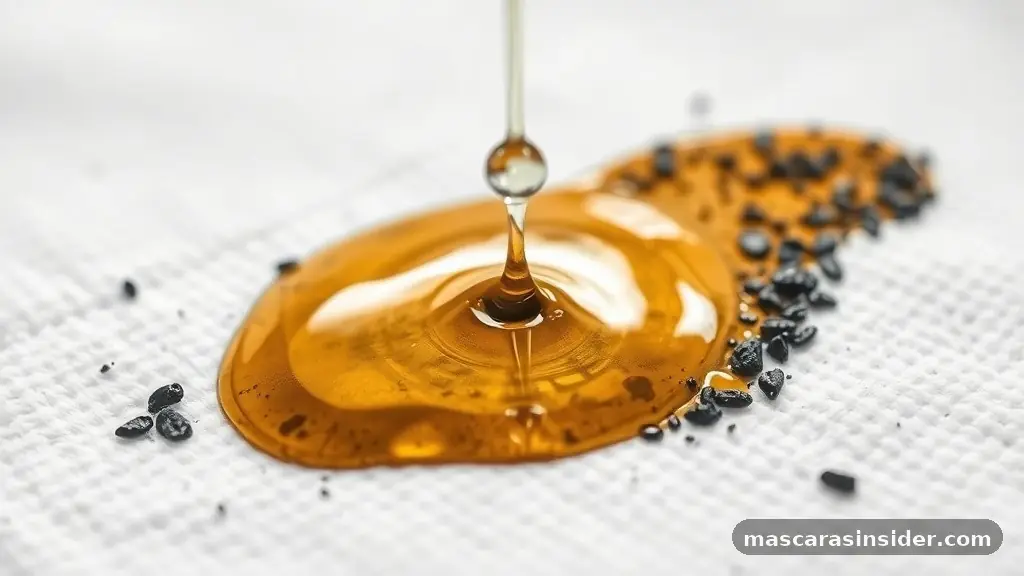
Oils work by bonding with the hydrophobic waxes in the mascara, effectively lifting the pigment away from the hair shaft so it can be wiped away. This is why many professional-grade products use a biphasic formula that combines water and oil.
When you are looking for ways of getting mascara off without makeup remover, prioritize oils that are non-comedogenic and safe for the delicate skin around your eyes. Because the orbital area is sensitive, you want to avoid harsh surfactants or alcohol-based liquids that might strip the skin of its natural moisture. Using a lipid-based substance helps maintain the integrity of your lashes while ensuring that every trace of product is removed before you go to sleep.
Using Natural Oils for Gentle Removal
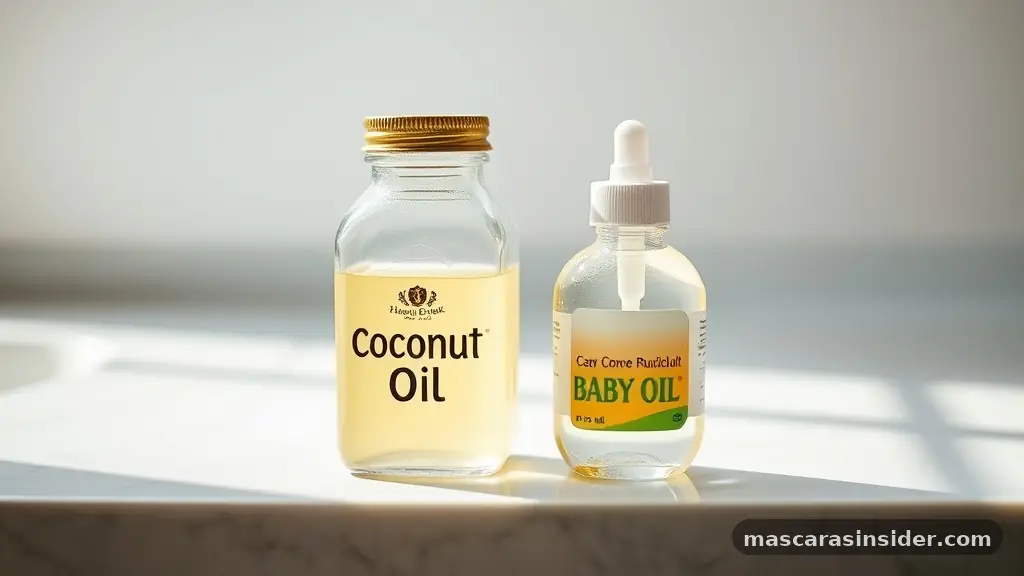
Natural oils are often the most effective substitutes for traditional cosmetics cleaners. Coconut oil is a popular choice because it is solid at room temperature but melts instantly upon contact with your body heat.
To use this method, scoop a tiny amount onto your fingertips and gently massage it directly onto your closed eyelids. The oil will soften the dried mascara, allowing you to wipe it away with a soft cloth or a damp cotton pad.
Jojoba oil is another excellent option because its chemical structure closely mimics the natural sebum produced by your skin. It is lightweight, non-greasy, and less likely to cause clogged pores if a small amount remains on your face.
When applying any oil, ensure you work in circular motions to break up the bond between the mascara and the lash base. Always use a gentle touch, as pulling or tugging on your lashes can lead to breakage over time.
The Role of Warm Water and Steam
If you find yourself without any oils or creams, warm water can still play a significant role in the process. While water alone will not dissolve waterproof formulas, it can help soften the product significantly.
Start by splashing warm—not hot—water onto your eyes several times. This creates a humid environment that loosens the grip of the mascara.
After soaking your lashes for a minute or two, you can attempt to gently slide the mascara off with your fingers or a soft, damp washcloth. This technique is particularly effective for tubing mascaras, which are designed to slide off in little cylinders when exposed to warm water. For standard waterproof formulas, this step should be viewed as a pre-treatment that makes the subsequent removal with a mild facial cleanser much easier and more effective.
Choosing a Mild Facial Cleanser
If you have a standard facial cleanser, you can often use it to remove eye makeup, provided it is formulated for sensitive skin. Look for a product that is labeled as a hydrating or creamy cleanser rather than a harsh foaming or exfoliating wash. A creamy formula provides the necessary slip to glide over your lashes without causing friction.
Apply a small amount of the cleanser to your fingertips and massage it into your lashes while your eyes are tightly closed. The surfactant in the cleanser will help emulsify the makeup, making it easier to rinse away.
Keep in mind that if your cleanser contains active ingredients like salicylic acid or benzoyl peroxide, you should avoid using it near your eyes, as these can cause significant stinging and irritation. Always follow up with a thorough rinse to ensure no residue is left behind.
Techniques for Sensitive Skin
People with dry skin or sensitive eyes must be particularly careful when choosing a substitute for professional makeup remover. Avoiding friction is the most important rule.
Instead of rubbing back and forth, which can irritate the skin and cause fine lines, try a pressing motion. Soak a cotton pad or a soft cloth in your chosen oil or warm water and press it against your lashes for thirty seconds.
This waiting period is essential. It allows the substance to penetrate the mascara and dissolve the pigment without you having to scrub.
Once the time is up, gently pull the pad downward toward the tips of your lashes. This method ensures that the product is removed in the direction of the hair growth, which minimizes the risk of losing lashes or causing inflammation to the eyelid margin.
Comparing Removal Methods
Selecting the right alternative depends on what you have available and your specific skin type. The following table provides a quick reference for common substitutes and their best use cases.
| Method | Best For | Key Benefit |
|---|---|---|
| Coconut Oil | Dry skin | Deeply moisturizing; dissolves waterproof wax |
| Jojoba Oil | Sensitive skin | Lightweight; mimics natural skin oils |
| Warm Water | Tubing mascara | No residue; requires no extra products |
| Cream Cleanser | General use | Easily rinsed; accessible in most bathrooms |
Common Mistakes to Avoid
Even when you are in a pinch, there are certain things you should never do when trying to remove eye makeup. The most common mistake is using harsh household cleaners or soaps that are not intended for the face. Dish soap, for example, is far too aggressive and will dry out the delicate skin around your eyes, potentially leading to contact dermatitis.
Another mistake is using dirty tools. If you are using a washcloth, ensure it is freshly laundered.
Using a towel that has been sitting out can introduce bacteria to your eye area, which increases the risk of styes or infections. Always use clean fingers or fresh cotton rounds, and never attempt to pick or scrape the mascara off with your fingernails, as this can easily damage the skin or pull out your natural lashes.
Addressing Topical Gaps: Safety and Eye Health
One area often overlooked in discussions about removing makeup without standard products is the safety of the oil itself. While many oils are safe, you must ensure they are clean and free of contaminants. If you are using coconut oil, keep it in a separate, small container to avoid dipping your fingers into a large jar repeatedly, which can introduce bacteria.
For those who wear contact lenses, always remove your lenses before attempting to dissolve your mascara. If oils or makeup residue get trapped behind the lens, it can cause severe discomfort and irritation.
If you feel any stinging or blurred vision during the process, stop immediately and rinse your eyes with cool, clean water. For official guidance on maintaining ocular health during your beauty routine, you can visit the American Academy of Ophthalmology for expert tips on eye makeup safety.
Establishing a Consistent Routine
While knowing how to get mascara off without makeup remover is a valuable skill for emergencies, it is still important to maintain a consistent skincare routine. Relying on makeshift methods every single night may not be as effective as using a dedicated cleanser, which is specifically pH-balanced for the eye area. However, keeping a small bottle of jojoba or almond oil in your vanity is a great backup plan for those nights when you run out of your primary product.
Consistency in your removal process also means ensuring you are effectively cleaning the lash line. Often, people focus on the tips of the lashes but leave pigment at the base, which can lead to clogged hair follicles. Take the time to gently massage the area where the lashes meet the eyelid, as this is where the majority of the product buildup occurs.
Benefits of Proper Lash Maintenance
Your eyelashes are not just for aesthetic appeal; they serve a functional purpose by protecting your eyes from dust and debris. When you fail to remove mascara properly, the dried product can cause the lashes to become brittle and prone to falling out. By using gentle oils to remove your makeup, you are actually conditioning the lashes while you clean them.
Many natural oils contain vitamins and fatty acids that can support hair health. Over time, you may notice that your lashes feel stronger and look healthier because they are not being subjected to the harsh rubbing associated with traditional makeup wipes. Investing a little extra time in a careful, oil-based removal process is a form of self-care that pays off in the long run.
FAQ
Can I use baby oil to remove mascara?
Yes, baby oil is essentially mineral oil, which is very effective at dissolving waterproof pigments. However, it is a heavier oil that can be difficult to rinse off completely. Be sure to follow up with a gentle facial cleanser to remove any oily residue left on your skin.
Is it safe to use olive oil on my eyelids?
Olive oil is generally safe for the skin and can be used to remove makeup in a pinch. It is quite thick, so use only a very small amount. Be aware that it may feel slightly greasy, so you will definitely want to wash your face with a mild soap afterward.
What should I do if I get oil in my eyes?
Do not panic if a small amount of natural oil gets into your eye. It may cause temporary blurred vision, but it is typically not harmful. Blink rapidly to encourage your natural tears to flush out the oil, and use a clean, damp cloth to wipe away any excess from your waterline.
How do I remove mascara if I have oily skin?
If you have oily skin, you might be concerned about adding more oil to your face. However, the “like dissolves like” principle still applies. Use a very small amount of a light oil like jojoba, and immediately follow up with a foaming or gel cleanser to remove both the mascara and the excess oil from your skin.
Final Thoughts
Mastering the process of getting mascara off without makeup remover is a simple yet essential skill for any beauty routine. By utilizing gentle, oil-based substances or warm water, you can effectively cleanse your eyes without the need for specialized products. The key is to prioritize the health of your delicate eye area by avoiding harsh rubbing and ensuring that all residue is thoroughly rinsed away.
Whether you rely on coconut oil, jojoba oil, or a simple warm water soak, these methods provide a safe and effective way to maintain clean, healthy lashes. If you have found a method that works particularly well for you, consider keeping those supplies readily available for your next makeup-free night. Feel free to experiment with these techniques to see which one leaves your skin feeling the most refreshed and comfortable.
Meta Description: Learn how to get mascara off without makeup remover using safe, household alternatives. Discover gentle, effective methods for healthy lashes and skin.