
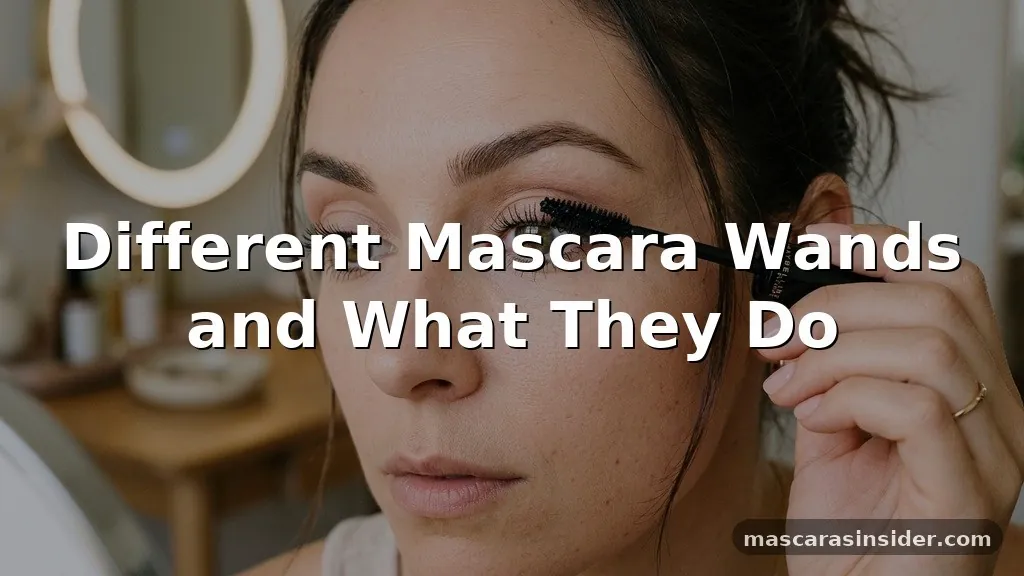
When you stand in the cosmetic aisle trying to upgrade your beauty routine, navigating different mascara wands and what they do can completely change your eye makeup game. The formula inside the tube matters, but the applicator determines how every single lash receives product, separation, and lift. Understanding these tools helps you achieve everything from subtle definition to dramatic volume.
Choosing the right mascara brush eliminates clumping, smudging, and uneven coverage across your upper and lower lids. Whether you want to elongate short hairs or build massive thickness, matching your technique to the correct applicator design ensures professional results.
Anatomy and Materials of Modern Applicators
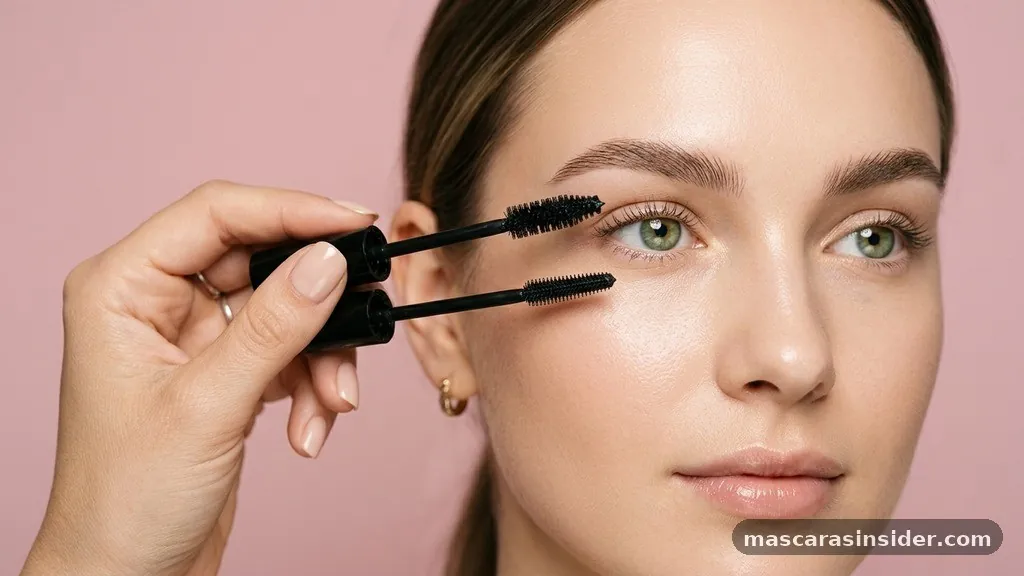
Modern cosmetic science utilizes various materials for mascara wands, primarily dividing them into molded rubber, silicone, and traditional fiber bristles. Each material interacts with formulas differently to deposit product onto the hair shafts. Traditional twisted-wire fiber brushes feature dense, soft fibers that hold more product, making them exceptional for depositing heavy pigment and creating dramatic density.
Silicone and molded rubber applicators feature meticulously spaced spikes that act like fine-tooth combs. These modern tools excel at gripping every individual hair to prevent clumping while delivering a clean, defined finish.
The manufacturing precision of silicone allows brands to create unique geometries that traditional twisted wire simply cannot achieve. When evaluating different mascara wands and what they do, looking closely at the bristle material helps predict how the tool will distribute product across your eyelids.
The core thickness, flexibility, and overall structure also dictate performance. A rigid wire offers maximum control and pressure, whereas a flexible wand bends slightly with the contour of your eye, reducing accidental smudges on your brow bone or skin. Manufacturers engineer these variables to target specific beauty goals, ensuring that every user can find a tool tailored to their unique anatomy.
Volume-Boosting Brushes for Thick, Bold Results
If your goal is maximum thickness and high-impact drama, oversized, dense mascara brushes are your best option. These bulky applicators typically feature an abundance of soft fiber bristles designed to load up on formula and transfer a thick layer onto your hair in a single swipe. The wide surface area catches multiple hairs simultaneously, coating them from root to tip.
To use a voluminous applicator effectively, wiggle the tool horizontally at the base of your eyelids before sweeping upward. This deposits extra product at the roots, mimicking the illusion of tightlining while boosting overall fullness. Popularized by iconic formulations, these thick applicators transform sparse, fine hair into a lush, velvety fringe.
For safety and hygiene standards regarding eye cosmetics, you can review guidelines provided by the U.S. Food and Drug Administration to protect your vision.
While these bulky tools deliver incredible fullness, they require a steady hand to avoid transferring dark pigment onto the delicate skin surrounding your eyes. Beginners often benefit from wiping excess product off the tip before starting their application routine to prevent heavy clumping.
Curved and Lifting Wands for an Open-Eye Effect
A curved applicator mimics the natural shape of the human eyelid, making it easier to hug the lash line and push hairs upward for an instant, eye-opening lift. This specific geometry saves time by curling and coating simultaneously, reducing the need for an extra mechanical eyelash curler.
When applying makeup with a curved tool, position the concave side facing upward against the base of your eyelid. As you sweep the tool through, the shorter bristles grab hair tightly at the roots while the longer outer bristles stretch them out toward your temples. This creates a fanned-out, cat-eye effect that flatters almost any eye shape, especially hooded or downward-turning eyes.
- Convex side up: Use for a sweeping, volumizing coat that pushes hair outward.
- Concave side down: Perfect for curling and locking in upward lift from the root.
- Tip detailing: Use the curved apex to catch tiny hairs in the inner and outer corners.
Precision and Skinny Wands for Lower and Short Hairs
Tiny, ultra-thin applicators are engineered to target hard-to-reach areas, including lower eyelids, inner corners, and fine, baby hairs that standard brushes miss entirely. These micro-wands feature short, stiff bristles that deposit product precisely without touching your skin.
Using a micro-applicator on your lower lash line prevents the dreaded raccoon-eye smudging that often occurs when bulky brushes transfer dark pigment onto the under-eye concealer. Because the diameter of the brush is so small, you can press the tool right against the skin without creating a mess. This level of control makes precision brushes essential for a clean, editorial finish or a minimal, no-makeup makeup look.
Makeup artists frequently rely on these slender tools to fix mistakes, comb through dried clumps, or layer formulas without adding unwanted weight. They provide ultimate flexibility for anyone struggling with short or sparse natural hair growth.
Hourglass and Special Shape Applicators
The iconic hourglass shape combines multiple benefits into a single tool by featuring tapered ends and a pinched center. This clever design allows the outer bulbs to deposit heavy volume while the narrower middle section catches shorter hairs near the inner and outer corners of the eye.
Other specialized shapes include ball-tip wands, which feature a tiny spherical ball at the end of a standard stick. These spherical tips allow you to hold the tool vertically to paint individual hairs or hit stubborn spots with pinpoint accuracy. The diversity in modern cosmetic engineering means brands constantly innovate with unique geometries to solve common beauty frustrations.
| Wand Type | Primary Benefit | Best For |
|---|---|---|
| Hourglass | Volume and length combined | Full, multi-dimensional drama |
| Ball-Tip | Targeted precision | Inner corners and lower lids |
| Comb-Style | Extreme separation | Clump-free, clean definition |
Addressing Topical Gaps: Material Safety and Maintenance
Maintaining the hygiene of your cosmetic tools is essential to prevent eye infections, yet many makeup wearers overlook proper brush care. While disposable applicators are common in professional settings, personal mascara wands should be cleaned regularly if you use reusable tubes or cosmetic guards. Bacteria thrive in dark, moist environments like mascara tubes, making proper storage and timely replacement vital for ocular health.
Another frequently overlooked detail involves how air enters the tube during application. Pumping the applicator up and down forces air inside, drying out the formula prematurely and creating flaky, clumpy results. Instead, gently twist the tool inside the tube to scrape formula off the walls and onto the bristles.
Understanding the difference between synthetic rubber and natural fiber helps you select formulas that do not flake throughout the day. Silicone tools pair exceptionally well with wet, watery formulas because the non-porous material distributes product evenly without absorbing excess liquid.
Frequently Asked Questions
How do I know which brush shape is right for my eye shape?
Your ideal shape depends on your hair type rather than just your eye shape. Choose voluminous fiber brushes for sparse hair, curved options for straight hair that needs a lift, and skinny micro-wands for short or lower hairs.
Why does my mascara always clump regardless of the brush?
Clumping often happens when too much product builds up on the tip of the applicator or when you pump air into the tube. Wipe the tip on a tissue before applying and gently twist the brush instead of pumping.
Can I wash and reuse my mascara wands?
Yes, you can wash reusable or disposable applicators using warm water and gentle soap or a dedicated brush cleanser. Ensure the tool dries completely before putting it back into any cosmetic product to prevent mold growth.
What is the difference between rubber and bristle wands?
Rubber and silicone tools feature molded spikes that comb through hair for ultimate definition and separation. Traditional fiber bristle tools hold more product, making them ideal for heavy volume and thick pigment deposition.
Conclusion
Mastering different mascara wands and what they do empowers you to take complete control of your beauty routine without buying endless new products. By understanding how bristle materials, curves, and specialized shapes influence your final look, you can effortlessly achieve your desired balance of volume, length, and definition. Experiment with these different applicator styles to discover what works best for your unique features, and enjoy a flawless, professional finish every single day.