

Many beauty enthusiasts frequently ask whether the popular L’Oréal Telescopic mascara belongs to the tubing category. Navigating the complex world of eye makeup often leads to confusion, especially when terms like “tubing” are thrown around loosely to describe any formula that doesn’t smudge. If you are wondering if the L’Oréal Telescopic original is a tubing formula, you aren’t alone in your search for clarity.
Understanding the chemical composition of your favorite lash products helps you make better choices for your daily routine. By examining how these specific products interact with your lashes, you can determine if it meets your needs for long-lasting, easy-to-remove definition.
Defining the Mechanics of Tubing Mascara
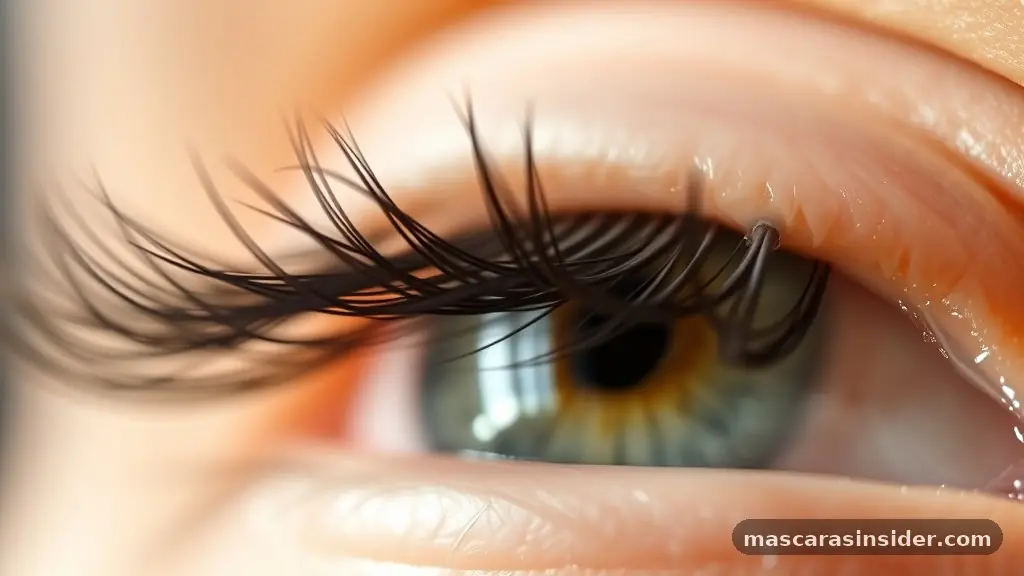
At its core, a true tubing mascara doesn’t just paint your lashes with pigment. Instead, it utilizes specialized polymers that wrap around each individual lash fiber like a tiny sleeve or tube.
When you apply these products, the polymers bind together as they dry, creating a water-resistant structure that stays in place throughout the day. Unlike traditional oil-based formulas, these tubes are designed to slide off the lash only when exposed to a specific combination of warm water and gentle pressure.
This technology is a favorite for people with oily eyelids or those who struggle with raccoon eyes. Because the formula isn’t oil-soluble, it won’t break down when it comes into contact with your natural skin oils or humidity.
If you are looking for a product that provides incredible length without the risk of flaking or smudging, identifying whether a product truly uses this polymer technology is essential. It changes how you apply, wear, and eventually remove your eye makeup.
To answer the question directly, the standard L’Oréal Telescopic original formula is not a tubing mascara. It is a traditional lengthening mascara that relies on waxes, pigments, and film-forming agents to coat the lash rather than forming distinct, water-soluble tubes. While it is famous for its precise brush and ability to create extreme length, it does not share the same removal mechanism as dedicated tubing products.
Many users confuse the two because Telescopic is known for its durability and clean finish. However, if you try to remove it with just warm water, you will likely find that it does not slide off in the way a tubing mascara would.
You will still need a dedicated makeup remover or a high-quality cleansing balm to break down the waxes effectively. Recognizing this distinction is vital for your skin health, as using the wrong removal method can lead to unnecessary tugging on the delicate eye area.
How to Identify a True Tubing Formula
If you want to distinguish between a standard lengthening mascara and a true tubing one, you have to look beyond the marketing claims. Most tubing mascaras explicitly state their removal process on the packaging, often highlighting that they come off with “warm water only.” If a label says “waterproof” or “smudge-proof” but doesn’t mention warm water removal, it is almost certainly a traditional wax-based formula.
Another way to tell is by observing the removal process. When you wash off a tubing mascara, you will see small, black fibers or “tubes” rinsing away into your sink. These are the polymers that were encased around your lashes.
If the product smears or dissolves into a greyish liquid when you add water, it is not a tubing formula. This simple FDA cosmetics labeling guidance can help you understand what ingredients might be present, though it won’t always explicitly name the specific polymer technology used.
The Benefits of Traditional Lengthening Mascaras
Even though Telescopic isn’t a tubing mascara, it remains a staple in many makeup bags for very specific reasons. Traditional formulas like this one are often superior at building volume and creating a dramatic, fanned-out look. Because they use waxes that can be layered, you can apply multiple coats to increase the thickness of the lash base.
These formulas also tend to hold a curl better than some tubing options. Tubing mascaras can sometimes be slightly heavier, which might weigh down a freshly curled lash.
If your priority is a sharp, defined, and incredibly long lash line, the classic Telescopic approach is hard to beat. It provides a level of precision that is difficult to replicate with the slightly thicker, more elastic nature of tubing polymers.
Comparing Telescopic and Tubing Options
Choosing between these two types of formulas depends entirely on your lifestyle and your specific lash goals. Some people prefer the ease of removal that comes with tubing products, while others prioritize the aesthetic of a classic wax-based lengthener. The following table highlights the key differences you might encounter when choosing your next product.
| Feature | Traditional Lengthening | Tubing Mascara |
|---|---|---|
| Removal Method | Cleansing oil or makeup remover | Warm water and gentle pressure |
| Smudge Resistance | Moderate to High | Excellent |
| Layering Ability | High (buildable volume) | Low (can become clumpy) |
| Best For | Dramatic length and curl | Sensitive eyes and oily skin |
Why Tubing Mascara is a Favorite for Sensitive Eyes
Many people who wear contact lenses or have highly sensitive eyes gravitate toward tubing formulas. Because these products do not flake or smudge throughout the day, there is a significantly lower risk of tiny particles falling into the eye or irritating the waterline. This makes them a safer choice for those who spend long hours in front of screens or in environments with varying humidity levels.
Furthermore, because you don’t need harsh rubbing or chemical-laden makeup removers to take them off, you preserve the health of your lashes. Constant friction during makeup removal is one of the leading causes of premature lash breakage. By using a product that slides off with just water, you minimize the physical stress placed on your lash follicles, allowing them to remain stronger and healthier over time.
The Role of Polymers in Lash Definition
The “telescopic” effect you get from your favorite mascara is largely due to the specific brush design and the formula’s consistency. In a standard formula, the goal is to coat each lash evenly to create the illusion of added length. These formulas are usually designed to be “flexible” enough to avoid brittleness, which ensures that your lashes don’t snap when you touch them or apply subsequent coats.
Tubing mascaras use a different type of polymer that is more elastic. These polymers are designed to stretch as they dry, which can actually help in lengthening the appearance of the lash tips.
However, the trade-off is often in the volume department. While you get great length, you might find that tubing options don’t provide that “thick” look that many people associate with a full, glamorous makeup look.
Addressing Common Misconceptions
A common myth in the beauty community is that all smudge-proof mascaras are tubing formulas. This is simply not the case.
Many waterproof mascaras are highly effective at resisting moisture, but they achieve this through oil-based waxes and resins, not water-soluble polymers. If you use an oil-based waterproof mascara, you will still need a biphasic or oil-based remover to get it off.
Another misconception is that tubing mascaras are inherently better for everyone. If you have very straight lashes that need a strong hold, a tubing formula might actually fail you.
These formulas are not always formulated to lock a curl into place the way a traditional waterproof wax formula can. Always consider your lash type and what you need the product to do before switching over to a different technology.
Tips for Better Lash Application
Regardless of whether you choose a tubing mascara or a traditional lengthening one, the application technique remains the gold standard for achieving the best results. Start at the base of your lashes and wiggle the wand horizontally before pulling it through to the tips. This technique ensures that you deposit enough product at the root, which provides the necessary structure to support the weight of the mascara.
If you find that your lashes tend to clump, use a clean spoolie brush to comb through them while the formula is still wet. This is especially useful with lengthening formulas that contain fibers or high-definition waxes. Remember that less is often more; building up thin, even layers will always yield a more natural and professional finish than trying to apply one thick, heavy layer.
- Always curl your lashes before application to open up the eye area.
- Allow the first coat to dry for at least thirty seconds before applying a second one.
- Avoid pumping the wand in the tube, as this introduces air and dries out the formula.
- Clean the brush tip periodically with a tissue to remove excess product buildup.
- Store your mascara in a cool, dry place to maintain the integrity of the ingredients.
Topical Gaps: Why Some Formulas Perform Differently
One of the biggest gaps in current beauty knowledge is understanding how different climates affect mascara performance. A formula that works perfectly in a dry, temperate climate might perform very differently in high humidity. Tubing mascaras are generally more reliable in humid conditions because they aren’t affected by skin oils, which are more prevalent in hot weather.
However, if you are in a very rainy environment, a tubing mascara might actually be a liability. Because they are designed to release with water, heavy rain or accidental splashes can cause the “tubes” to slide off prematurely. This is why many people prefer to have both a tubing mascara for daily office wear and a traditional waterproof formula for events or wet weather conditions.
The Future of Mascara Technology
The beauty industry is constantly innovating, and we are seeing more hybrid formulas hitting the market. These products aim to combine the smudge-proof benefits of tubing polymers with the volume-building capabilities of traditional waxes. As researchers find better ways to blend these ingredients, we will likely see more products that offer the best of both worlds.
For now, the L’Oréal Telescopic original remains a titan in the industry because of its unique brush and reliable lengthening performance. While it doesn’t offer the specific removal benefits of a tubing formula, its ability to separate and define each lash is still widely celebrated. As you continue to experiment with your makeup, keep an eye on ingredient lists and look for those tell-tale signs of polymer technology if you are specifically hunting for a tubing experience.
Frequently Asked Questions
How do I know if my mascara is actually a tubing formula?
Check the packaging for instructions regarding warm water removal. If the manufacturer specifies that you can remove it simply by using warm water and gentle pressure—without the need for makeup remover or oil—it is almost certainly a tubing mascara.
Is the L’Oréal Telescopic waterproof version a tubing mascara?
No, the waterproof version of the Telescopic mascara is a traditional wax-based formula. It is designed to be highly resistant to water and oil, requiring a dedicated oil-based makeup remover to break down the ingredients effectively for safe removal from your lashes.
What is the main downside of using tubing mascara?
The primary downside is that these formulas can sometimes be less effective at holding a curl compared to traditional waxes. Additionally, they may not offer the same level of buildable volume, which can be a drawback for those who prefer a dramatic, thick lash look.
Why does my mascara smudge even if I think it’s tubing?
If your mascara is smudging, it may not be a true tubing formula, or you may be using an eye cream or moisturizer that contains oils. These oils can break down even high-quality formulas, causing them to migrate onto your skin throughout the day.
Conclusion
Distinguishing between traditional lengthening mascaras and tubing formulas is a simple way to improve your beauty routine and protect your lash health. While the L’Oréal Telescopic original is a powerhouse for length and definition, it relies on traditional wax technology rather than the water-soluble polymers found in tubing mascaras. By knowing this, you can choose the right removal method and select the best product for your specific eye shape and lifestyle needs.
Whether you prioritize the precise, fanned-out look of the Telescopic or the easy, smudge-free removal of a tubing option, understanding these nuances is the key to achieving your ideal look. Feel free to reach out if you have more questions about how different formulas might work for your unique lashes.
Meta Description: Is Telescopic mascara tubing? Discover the truth about the formula, how it compares to tubing technology, and what you need for your lashes.