

If you have ever dealt with the frustration of end-of-day panda eyes or struggled to remove stubborn, waterproof eye makeup, you have likely encountered the promise of a better alternative. Understanding how does tubing mascara work is the key to revolutionizing your daily routine, as this product operates on an entirely different scientific principle than standard options.
Instead of painting your lashes with pigment, it wraps them in tiny, water-soluble polymers. These flexible coatings slide off cleanly when you are ready to take them off, sparing your delicate eye area from harsh rubbing and chemical cleansers.
The Fundamental Chemistry of Tubing Formulas
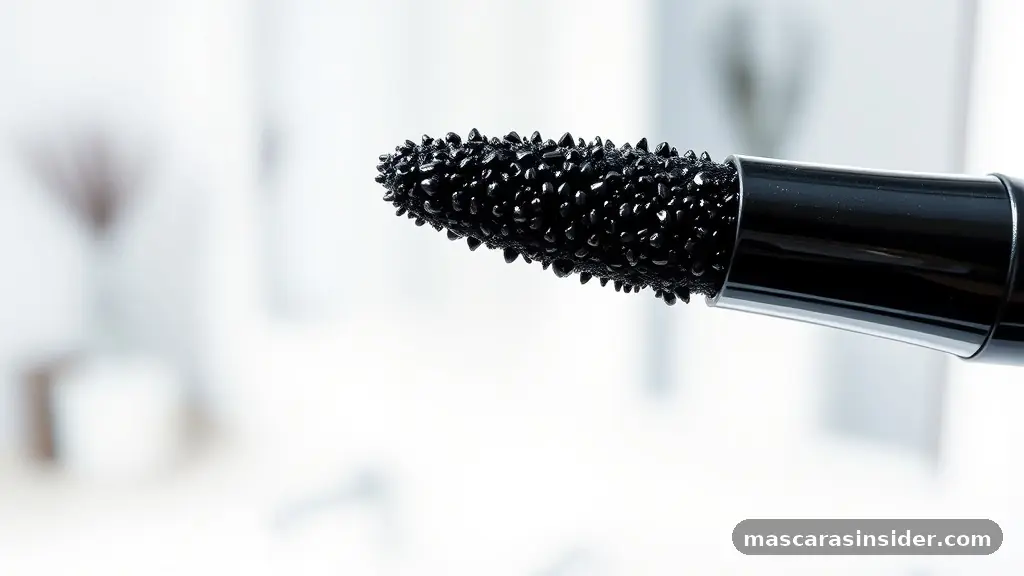
Standard mascaras are typically oil-based or wax-based emulsions that sit on top of your lashes, essentially acting like a coat of paint. In contrast, tubing mascaras rely on advanced polymer technology to create a physical sleeve around each individual hair. When you apply the product, these liquid polymers begin to set, forming a smooth, cylindrical structure that clings firmly to the lash rather than staining it.
Because these polymers are designed to be water-sensitive in a very specific way, they remain completely stable against the natural oils and moisture found on your skin throughout the day. This is the primary reason why this type of product is famous for its resistance to smudging.
While a traditional oil-based formula might break down when it meets the oils around your eyelids, a tubing formula stays locked in place. The result is a crisp, defined look that lasts from morning until night without migrating or creating dark circles under your eyes.
Why Tubing Mascara Resists Smudging
Smudging happens when the oils from your skin or your moisturizer interact with the waxes in your makeup. Since most common mascaras contain ingredients that are soluble in oil, they naturally soften and smear as the day progresses, especially if you have hooded lids or oily skin. A tubing formula sidesteps this issue entirely because it does not contain the same oil-soluble waxes.
The polymer structure is essentially “plasticized” once it dries. It doesn’t move, it doesn’t melt, and it doesn’t transfer onto your brow bone or cheek. For people who wear contact lenses or have sensitive eyes, this is a major benefit.
You won’t have to worry about tiny particles of pigment falling into your eyes, as the tubes remain intact until you intentionally remove them. The adherence is mechanical, meaning the tube is physically gripped around the lash, creating a secure hold that keeps your look pristine in humid weather or during a gym session.
The Unique Removal Process Explained
The most distinct feature of these products is how they come off. You do not need an oil-based makeup remover, a dual-phase cleanser, or aggressive scrubbing to get these tubes off your face.
Instead, you only need warm water and a little bit of gentle pressure. This is a massive win for the health of your lashes and the delicate skin surrounding your eyes.
When you splash warm water onto your lashes, the water-soluble polymers begin to soften. As you gently pull on your lashes with your fingers or a damp cloth, the tubes slide off in one piece. They don’t dissolve into a messy, black liquid that stains your under-eye area.
You will often see little black wisps in your sink or on your towel—these are the tubes themselves. It is a satisfying and efficient way to clean your face that leaves zero residue behind, which is often the biggest cause of lash breakage and irritation.
Comparing Tubing Mascara to Traditional Options
To understand the difference, it helps to look at the ingredients and the intended use of each type. Traditional formulas prioritize volume and thickness by layering heavy waxes and pigments.
While this can provide a dramatic, feathery look, it is also what leads to clumping, flaking, and the dreaded spider-lash effect. Tubing formulas prioritize separation, definition, and longevity.
| Feature | Traditional Mascara | Tubing Mascara |
|---|---|---|
| Removal Method | Oil-based cleanser/makeup remover | Warm water and gentle pressure |
| Smudge Resistance | Varies; often prone to smearing | High; resistant to oil and sweat |
| Finish | Builds volume and thickness | Provides length and separation |
| Irritation Risk | Higher due to rubbing and solvents | Lower due to easy, non-abrasive removal |
As shown in the table, the trade-off is often in the aesthetic result. If you are looking for massive, thick, theatrical volume, you might find that traditional mascaras offer more initial impact.
However, if you value a clean, reliable, and lash-friendly experience, the tubing route is usually the superior choice. Many users eventually find that the durability and ease of use far outweigh the slight difference in initial volume.
Achieving Maximum Length and Separation
One of the biggest misconceptions about these formulas is that they cannot provide length. In reality, they are excellent for lengthening because the polymers can extend slightly beyond the tip of your natural lash.
When you apply the first coat, the product forms a base. As you apply subsequent layers while the formula is still slightly damp, you can effectively “stretch” the tube further out.
Because the formula is inherently designed to define and separate, it rarely clumps. Each lash is individually coated, which creates a very clean, fanned-out look.
This is particularly beneficial for those with shorter or thinner lashes who want to avoid the heavy, weighed-down look that comes from thick, waxy formulas. By focusing on the root and wiggling the wand outward, you can create a long, elegant lash line that looks naturally enhanced rather than heavily painted.
Addressing Potential Drawbacks

While these products are highly effective for most people, there are a few things to keep in mind. First, because they are designed to be removed with water, they are not “waterproof” in the traditional sense.
If you are planning to go swimming or expect to be crying, you might find that the tubes begin to loosen prematurely. They are highly resistant to sweat and oil, but they are not designed to withstand being submerged in a pool.
Another potential issue is the learning curve. If you have been using standard makeup for years, the removal process can feel strange. You might be tempted to use a cotton pad soaked in oil, but that is actually counterproductive.
The oil will not break down the polymers effectively, and you will end up tugging on your lashes unnecessarily. You must trust the warm water method. Once you get used to the feeling of the tubes sliding off, it becomes second nature and you will likely never want to go back to scrubbing your eyes.
Lash Health and Environmental Considerations
Maintaining the health of your lashes should always be a priority in your beauty routine. Many people experience lash loss simply because they are using harsh removers and scrubbing their eyes every night to get rid of standard, stubborn mascara.
This mechanical stress breaks the hair and weakens the follicle over time. By switching to a product that removes with just warm water, you are significantly reducing the daily trauma inflicted on your lash line.
Furthermore, there is a growing interest in the environmental impact of our beauty habits. Standard mascaras often contain microplastics or complex chemical cocktails that are difficult to process in wastewater systems.
While you should always check the ingredient list, many tubing formulas are formulated to be cleaner and more straightforward. If you want to dive deeper into the science of cosmetic ingredients and safety, you can check out the official resources from the FDA on cosmetics to better understand what goes into your products.
How to Use Tubing Mascara for Best Results
Getting the best results requires a slightly different approach than your standard application. Start with clean, dry lashes.
If there is any residual oil from your skincare routine on your lashes, the tubes will have a hard time gripping, which can lead to premature flaking. Use a lash primer or a quick dusting of translucent powder if you find that your lashes are naturally very oily.
Apply the product starting at the base of your lashes. Use a zigzag motion to ensure the roots are fully coated, then pull the wand through to the tips. Work one eye at a time.
Because these formulas set quickly, you want to apply your second coat while the first is still slightly tacky. If you wait too long, the polymers will have already formed their tubes, and trying to apply more product over the top can cause the existing tubes to break or clump.
- Ensure your lashes are completely dry before application to prevent premature flaking.
- Apply the formula from root to tip in one fluid motion to create a smooth, unbroken tube.
- Work on one eye at a time to allow for layering before the polymers set.
- Do not use oil-based makeup removers, as they are ineffective against these specific polymers.
- If you need extra volume, wait for the first coat to dry completely before adding a second, but be gentle to avoid breaking the tubes.
Common Mistakes to Avoid
Even with the best products, user error can lead to disappointment. The most common mistake is trying to remove the mascara with an oil-based product. If you use a dual-phase remover, you are essentially wasting your time and creating a mess.
The polymers simply won’t dissolve in oil. If you find the tubes are not coming off easily, it is likely because the water you are using is not warm enough.
Another mistake is layering too much product. Because the tubes are designed to be thin and flexible, adding excessive layers can make them heavy and prone to flaking off before the end of the day. Less is usually more with this technology.
If you want a more dramatic look, focus on the base of the lashes rather than piling on layers at the tips. This creates a fuller appearance without the weight that leads to flaking.
The Future of Lash Technology
The beauty industry is constantly evolving, and the popularity of this technology suggests that consumers are moving away from heavy, wax-laden formulas in favor of more sophisticated, long-wearing options. We are seeing more brands incorporate conditioning ingredients like panthenol or biotin into their tubing formulas, which means you can get the benefits of long-lasting, smudge-proof wear while also nourishing your lashes.
As the demand for cleaner and more efficient beauty routines grows, these formulas are becoming more accessible. You no longer have to rely on high-end luxury brands to get a high-quality product; many drugstore options now feature this same advanced technology. By understanding the mechanics behind how it works, you can make an informed choice that suits your lifestyle, your eye sensitivity, and your desired aesthetic.
Frequently Asked Questions
Is tubing mascara actually waterproof?
It is not classified as waterproof. While it is highly resistant to smudging from sweat, humidity, and natural skin oils, it is designed to dissolve in warm water. If you go swimming or get caught in a downpour, the tubes may begin to loosen and slide off your lashes.
Can I use a lash curler with tubing mascara?
Yes, you can use a lash curler, but you should always use it before applying the mascara. If you try to curl your lashes after the tubes have set, the mechanical pressure can cause the tubes to crack or flake off, which will ruin your look and potentially damage your lashes.
Does it damage my lashes over time?
Quite the opposite. Because the removal process requires only warm water and gentle pressure, you avoid the harsh scrubbing and chemical stripping associated with traditional waterproof mascaras. This reduces the risk of mechanical damage, such as lash breakage or thinning, keeping your natural lashes healthier.
Why is my tubing mascara flaking off during the day?
Flaking usually occurs if your lashes were not completely clean and dry before application. Any leftover oil, moisturizer, or eye cream on your lashes will prevent the polymers from forming a proper bond. Ensure you have a clean base, or try using a lash primer to help the product adhere properly.
Conclusion
Understanding how does tubing mascara work transforms it from a mysterious beauty product into a reliable, high-performance tool in your makeup kit. By opting for a formula that creates a physical sleeve around each lash, you gain the benefit of all-day wear that refuses to smudge, smear, or migrate, regardless of how oily your eyelids might be. The simple, water-based removal process is the final advantage, protecting your lashes from the damaging friction that traditional makeup routines require.
As you integrate this technology into your routine, remember that the secret to success lies in proper application and the right removal technique. With a bit of practice, you will likely find that the ease and durability of this formula make it an indispensable part of your beauty regimen. Experiment with different brands to find the right brush shape for your eye shape, and enjoy the confidence that comes with a perfectly defined look that stays put until you decide it is time to wash it away.