

Finding the right technique for removing stubborn cosmetics is essential for maintaining healthy, vibrant lashes. Many people struggle with the daily challenge of how do you get waterproof mascara off without causing irritation or pulling out delicate hair strands. Because waterproof formulas are specifically engineered to resist moisture, sweat, and tears, they require more than simple soap and water to break down the binding agents.
By using the correct solvents and gentle mechanical techniques, you can ensure your eyes remain comfortable while your skin stays clean. This article explores the most effective methods for dissolving long-wear pigments, protecting your eye area, and ensuring your nightly routine leaves your face refreshed and damage-free.
Understanding the Chemistry of Waterproof Formulas
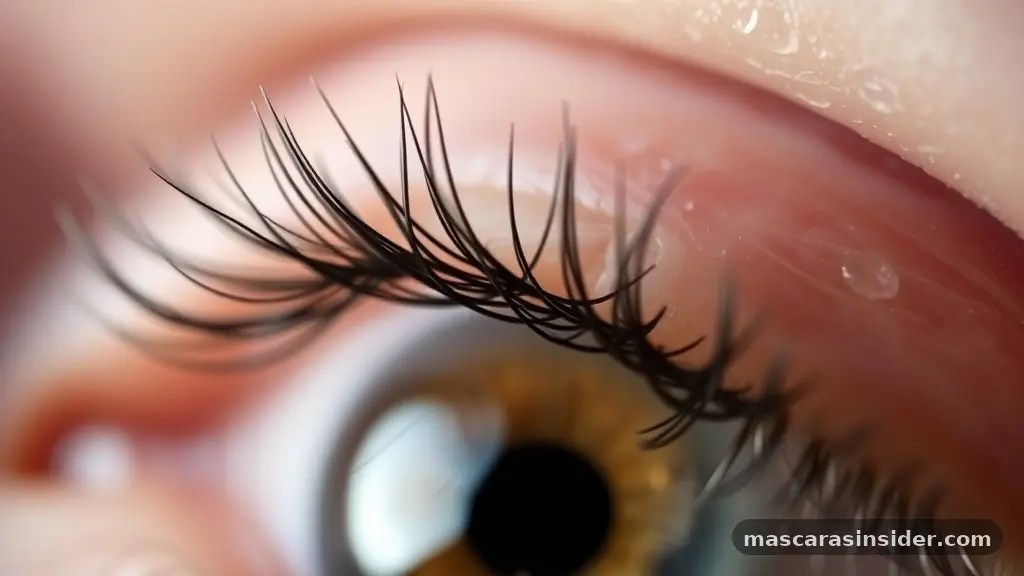
Waterproof mascara is designed to stay put through humidity and aquatic activities. To achieve this, manufacturers incorporate hydrophobic ingredients, such as isododecane, synthetic waxes, and specialized polymers.
These substances form a flexible, water-resistant film around each individual lash. Because this film is chemically structured to repel water, trying to wash it away with a standard water-based face wash is usually ineffective and often leads to unnecessary rubbing.
Understanding this composition is the first step in mastering the removal process. Since these polymers are oil-soluble, you need a substance that can dissolve the hydrophobic bonds. Using the wrong solvent forces you to tug on the eyelid, which is the most common cause of premature lash loss.
By applying an oil-based or bi-phase solution, you effectively liquefy the waxy coating, allowing the pigment to slide off the lash without friction. This scientific approach turns a frustrating chore into a simple, rapid process.
Selecting the Ideal Makeup Remover
When evaluating the best options for your routine, look for products specifically formulated for the delicate eye area. Bi-phase removers are often considered the gold standard because they combine an oil phase with a water phase. When shaken together, these two components work in tandem to break down heavy-duty polymers while simultaneously soothing the skin.
Micellar water is another popular choice, though you must ensure the bottle specifically states it is designed for waterproof makeup. Standard micellar water often lacks the necessary oil content to dissolve high-performance waxes.
If you prefer a more natural approach, simple plant-based oils can also be incredibly effective. However, always prioritize products that are ophthalmologist-tested to ensure they won’t sting or cloud your vision during the cleansing process.
The Proper Technique for Gentle Removal
The most important rule when learning how do you get waterproof mascara off is to never scrub. The skin around your eyes is the thinnest on your body, and constant pulling can lead to fine lines and weakened lash follicles.
Start by saturating a high-quality cotton pad with your chosen remover. Place the pad directly over your closed eyelid and hold it there for thirty to sixty seconds.
This waiting period is crucial. It allows the solvent to penetrate the layers of mascara and dissolve the waxy film. Once the time is up, gently wipe downward following the natural direction of your lashes.
If there is still residual product, repeat the process with a fresh pad rather than increasing the pressure. This method ensures that the product does the work, not your fingers, keeping your lashes intact and healthy throughout the process.
Using Oil-Based Cleansers as a First Step
Many professional makeup artists swear by the double-cleansing method, which begins with an oil-based cleanser. This is particularly effective for those who wear heavy eye makeup daily. By applying an oil cleanser to dry skin and massaging it into the lashes, you can break down the waterproof barrier before you even reach for a cotton pad or water.
The warmth of your fingertips helps to melt the polymers, turning the mascara into a soft, manageable residue. Once the oil has done its job, you can add a small amount of warm water to emulsify the product, turning it into a milky texture that rinses away cleanly. This approach is not only efficient but also provides a deep clean that prevents pore congestion, making it a fantastic addition to any nighttime skincare regimen.
Common Mistakes That Damage Lashes
Many people inadvertently harm their lashes by using harsh materials or incorrect motions. One of the most frequent errors is using rough, textured cloths that catch on the lashes and snap them. Always opt for soft, lint-free cotton pads or specialized microfiber makeup removal cloths designed for the face.
Another common mistake is skipping the removal process entirely due to fatigue. Leaving waterproof mascara on overnight can lead to significant issues, including eye infections, irritation, and brittle lashes. When mascara dries overnight, it hardens, making it more likely to break when you finally wash your face the next morning.
Making the removal process a non-negotiable part of your evening is the best way to ensure long-term lash health. If you are interested in the broader science of cosmetic safety, you can find more information through the official FDA resources on cosmetic safety.
Natural Alternatives for Sensitive Eyes
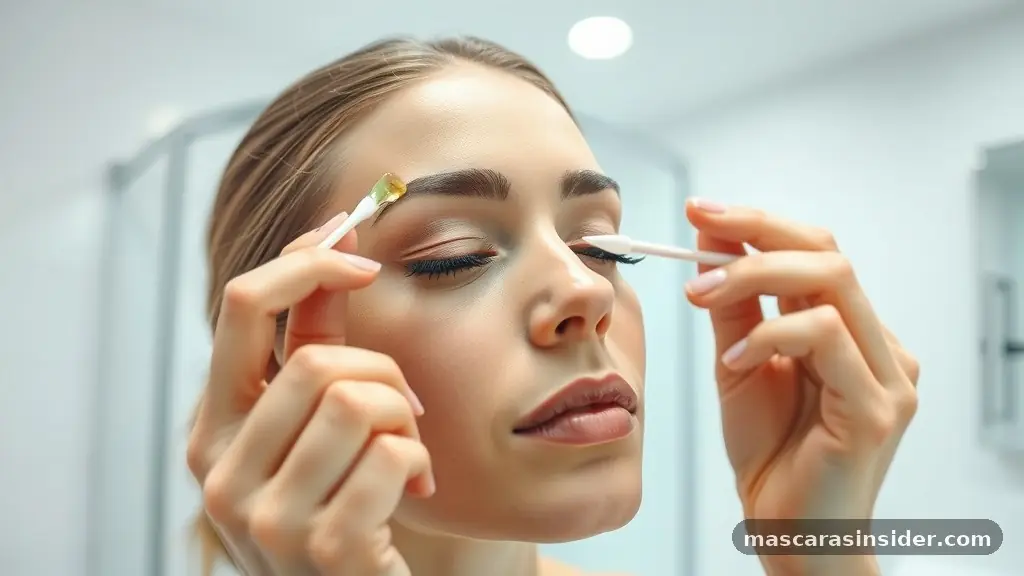
If you have highly sensitive skin or prefer to avoid synthetic fragrances and preservatives found in some commercial removers, natural oils are an excellent alternative. High-quality fractionated coconut oil, jojoba oil, or sweet almond oil are all capable of dissolving waterproof formulas. These oils are generally well-tolerated and provide the added benefit of conditioning the lashes.
To use this method, place a small drop of oil onto your clean fingertips or a cotton swab. Gently massage the oil into your lashes, moving from the base to the tips. After letting it sit for a minute, wipe the area clean with a damp, warm cloth.
Always be mindful of getting oil directly into your eyes, as it can cause temporary blurriness. If you have oily or acne-prone skin, ensure you follow up with a thorough face wash to remove any residual oil from the eyelid area.
Comparing Removal Methods
Choosing the right tool depends on your lifestyle, your skin type, and the specific formulas you use. The following table provides a quick comparison of the most common removal methods to help you decide which fits your needs best.
| Method | Best For | Key Benefit |
|---|---|---|
| Bi-Phase Remover | Heavy-duty waterproof mascara | Rapid dissolution of stubborn waxes |
| Oil-Based Cleanser | Full-face makeup wearers | Conditions lashes and deep cleans |
| Micellar Water | Light to medium makeup | Convenient, no-rinse formula |
| Plant Oils | Sensitive or dry skin | Natural, chemical-free ingredients |
Managing Residue and Tightlining
Sometimes, even after a thorough cleanse, you might notice dark pigment lingering between your lashes or along the waterline. This is especially common if you use a tightlining technique with your mascara. To remove this stubborn residue, use a small, pointed cotton swab dipped in your remover.
Gently run the swab along the lash line, being extremely careful not to touch the sensitive mucous membrane of your eye. This level of precision allows you to target the exact spots where mascara tends to build up. If you find yourself needing to do this every night, it may be a sign that your current mascara formula is too difficult to remove, or that you aren’t letting your initial remover sit long enough to work.
The Importance of Post-Removal Care
Once the mascara is gone, your skincare routine shouldn’t stop there. The process of removing waterproof makeup can sometimes strip the skin of its natural moisture.
Applying a light, hydrating eye cream is a great way to replenish the area. Look for ingredients like hyaluronic acid or ceramides, which help to repair the skin barrier and keep the tissue around your eyes supple.
You might also consider applying a lash serum as part of your nightly routine. Even if you are careful, the act of removing makeup can take a toll on lash strength over time.
A nourishing serum can help fortify the hair, promoting length and resilience. By treating the removal process as a holistic part of your beauty routine, you protect your eyes and ensure your lashes remain a beautiful focal point of your face.
Creating a Reliable Nightly Routine
Consistency is the secret to healthy skin and lashes. By establishing a fixed order for your evening products, you minimize the chance of skipping steps.
Start by pulling your hair back to keep it out of the way. If you wear waterproof eye makeup, always address that area first, as it usually requires the most time and attention.
- Wash your hands thoroughly to prevent transferring bacteria to your eyes.
- Apply your chosen oil-based or bi-phase remover to a clean pad.
- Hold the pad against the closed eye for at least 45 seconds.
- Wipe gently downward; avoid any side-to-side scrubbing.
- Use a cotton swab for fine-tuning the lash line.
- Proceed with your standard face wash to remove all traces of oil.
- Follow with a soothing eye cream to restore hydration.
This structured approach ensures that you never go to sleep with product buildup, which is the primary cause of lash breakage and eye irritation. Over time, this routine becomes second nature, and you will find that you spend less time struggling with stubborn pigment and more time enjoying the benefits of a clean, healthy complexion.
FAQ
What is the fastest way to remove waterproof mascara without damaging lashes?
The fastest, safest method is using a bi-phase makeup remover. By saturating a cotton pad and holding it against your closed eye for a full minute, you allow the oils to dissolve the stubborn waxes, enabling the mascara to slide off gently without any tugging or pulling.
Can I use Vaseline to remove waterproof mascara?
Yes, petroleum jelly is an effective, inexpensive way to break down waterproof formulas. Apply a tiny amount to your lashes with a clean finger or spoolie, let it sit for a minute, and wipe away with a damp cloth. Be careful not to get it inside your eyes.
Why does my waterproof mascara leave black smudges under my eyes?
This usually happens because the product wasn’t fully dissolved before you rinsed your face. If you rub your eyes before the oil-based remover has had time to break down the polymers, the pigment will simply smear across your skin rather than washing away with the cleanser.
Is it okay to leave waterproof mascara on overnight?
No, you should never leave it on overnight. Waterproof formulas are designed to harden and stay in place, and leaving them on causes the lashes to become brittle and prone to breakage. It can also lead to clogged follicles, irritation, and potential eye infections.
Conclusion
Mastering how do you get waterproof mascara off is a vital skill for anyone who enjoys long-wear beauty products. By moving away from aggressive scrubbing and embracing oil-based solvents, you protect the delicate skin around your eyes and keep your lashes healthy and strong. Whether you choose a specialized bi-phase remover, a dedicated oil cleanser, or a simple natural oil, the key remains patience and gentle technique.
Integrating these steps into your nightly routine ensures that you wake up with a clean, refreshed face every single morning. If you have been struggling with irritation or lash loss, try adjusting your removal method tonight and notice the difference that proper care makes for your overall eye health.