

We have all had those nights where exhaustion takes over and removing makeup feels like an impossible chore. You might wonder what really happens if u sleep with mascara on your lashes, especially when your bed is calling your name. While skipping your nightly routine once might seem harmless, the reality of leaving cosmetics on your face is more complex than a simple smudge on your pillowcase.
Your skin and eyes go through a critical restoration process while you rest, and introducing foreign substances into that environment can lead to unexpected consequences. Understanding these risks helps you prioritize your long-term wellness over a few minutes of extra shut-eye.
The Immediate Impact on Your Eyelashes
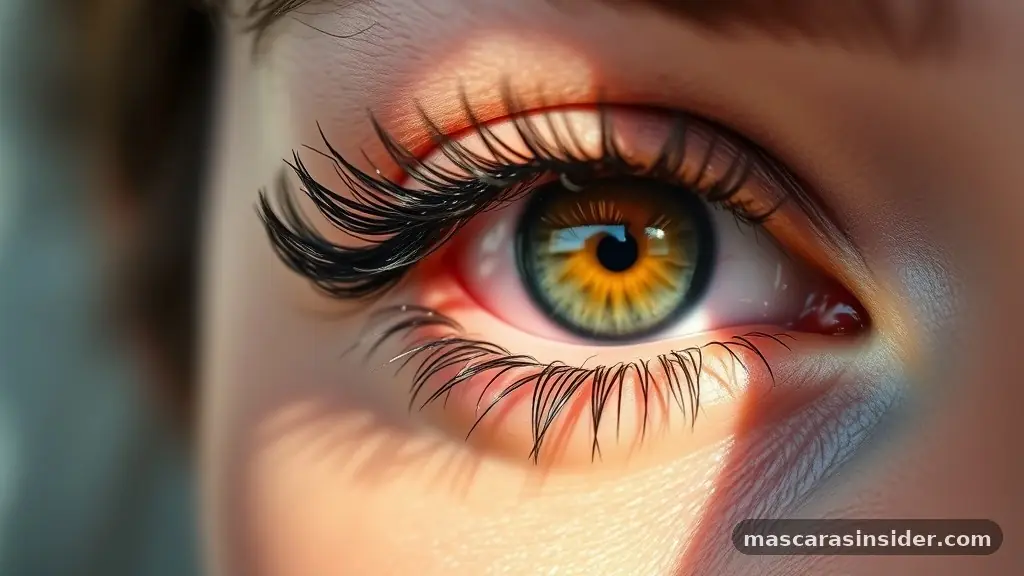
When you leave mascara on your lashes overnight, you are essentially coating delicate hair follicles in a waxy, pigmented substance for eight or more hours. Mascara is designed to hold its shape and grip onto hair fibers, which is great for daytime wear but detrimental when you are trying to sleep.
As you toss and turn, the dried product causes your lashes to become brittle and stiff. Instead of remaining flexible, these coated hairs become prone to breakage.
Every time your eyelashes rub against a pillowcase or sheet, that mechanical friction pulls on the stiffened hairs. Over time, this leads to premature lash loss. You might notice more lashes falling out during your morning cleanse than usual.
If this becomes a regular habit, you may find your lashes looking sparse, short, or damaged. Keeping your lashes clean ensures they remain supple and healthy, allowing them to grow to their full potential without the weight and tension of old, dried-on makeup.
Developing Eye Irritation and Redness
The skin around your eyes is the thinnest on your entire body, making it incredibly sensitive to external irritants. When you sleep with mascara, tiny flakes of the product often break off and fall into your eyes.
These microscopic particles act as foreign bodies, creating a gritty, uncomfortable sensation that can lead to significant irritation. You might wake up with bloodshot eyes, a burning sensation, or excessive tearing as your body attempts to flush out the debris.
This irritation is not just a temporary nuisance; it can escalate into more persistent issues like contact lens discomfort or chronic dryness. If you wear contacts, the risk is compounded, as makeup residue can adhere to the lens surface, trapping bacteria against your cornea.
Even if you don’t wear lenses, the constant friction and presence of chemical dyes near your tear ducts can cause inflammation. Protecting your eye health starts with ensuring your lids are free of any residue before you hit the pillow.
Risk of Infections and Bacterial Growth
Makeup products are notorious for harboring bacteria, especially once the seal is broken and they are exposed to the air. By choosing to sleep with mascara, you are essentially providing a breeding ground for microorganisms directly against your lash line.
The dark, moist environment of your closed eyelids overnight is perfect for bacterial colonization. This can lead to conditions such as conjunctivitis, commonly known as pink eye, which is both painful and highly contagious.
In severe cases, the buildup of old makeup can cause styes or blocked meibomian glands. These glands are responsible for producing the oil that keeps your tears from evaporating too quickly. When they become clogged with makeup residue, they can swell and become infected.
The American Academy of Ophthalmology emphasizes the importance of proper hygiene regarding eye cosmetics to prevent these types of ocular complications. Treating an eye infection often requires antibiotic drops or ointments, proving that a quick cleanse is far more efficient than dealing with medical treatment.
Understanding Ocular Concretions
One of the more alarming, though less discussed, consequences of leaving eye makeup on for extended periods is the formation of concretions. These are small, hard deposits that form under the eyelid.
They are essentially a mix of hardened mucus, skin cells, and trapped makeup particles that have calcified over time. While they might start as tiny, unnoticed grains, they can grow large enough to scratch the surface of your eye.
This condition often requires professional removal by an eye doctor, which is an experience most people would prefer to avoid. The process involves numbing the eye and physically scraping the deposit away, a stark reminder of why you should never leave makeup on overnight.
While this is an extreme result of chronic neglect, it serves as a cautionary tale about the importance of thorough cleansing. By removing your makeup every night, you prevent these deposits from ever having the chance to take hold and cause long-term damage to your vision.
Impact on the Skin Around Your Eyes
The skin surrounding your eyes is notoriously prone to premature aging and sensitivity. When you leave makeup on, you are preventing the skin from breathing and repairing itself.
Mascara, eyeliner, and eyeshadow can settle into the fine lines and wrinkles around the eyes, stretching the skin and making these lines appear more prominent. Furthermore, the chemicals in many mascaras can cause contact dermatitis, leading to red, itchy, or flaky patches on your lids.
Your nighttime skincare routine is when your skin produces collagen and repairs damage from UV exposure and pollution. If your pores are clogged with cosmetic residue, your skin cannot effectively absorb the nutrients from your serums or eye creams.
This leads to a dull, tired appearance that no amount of morning concealer can fully hide. Investing time in a proper removal routine is essentially an investment in the longevity and elasticity of your skin.
The Role of Makeup Removers in Daily Hygiene
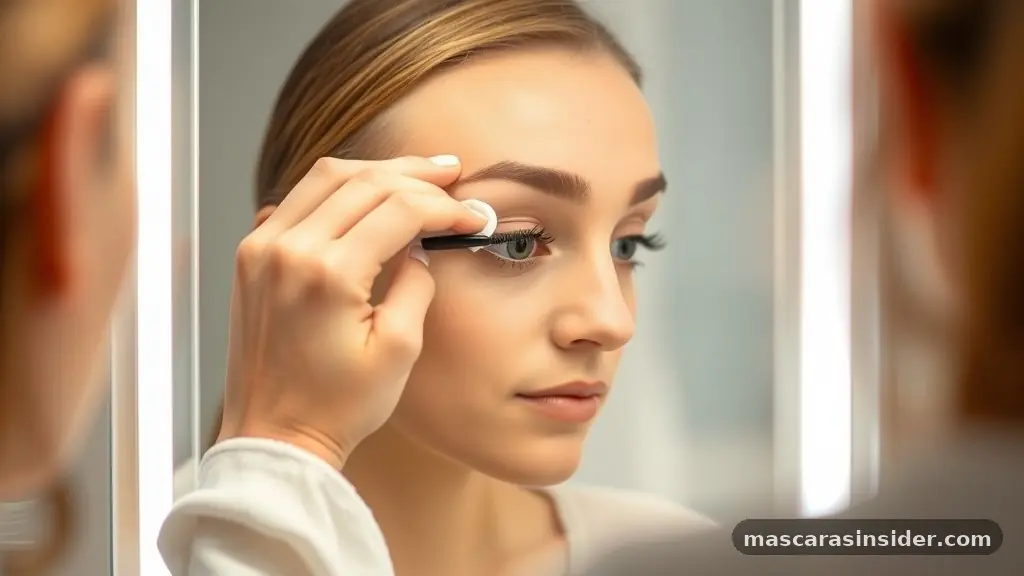
Choosing the right method to remove makeup is just as important as the act itself. Many people struggle with the process because they use harsh wipes that pull at the delicate skin or leave behind oily residue.
Using a dedicated eye makeup remover—such as a micellar water or a dual-phase oil-based cleanser—allows you to break down the pigments without excessive rubbing. This gentle approach is essential for maintaining the health of your lashes and the surrounding skin.
| Method | Efficiency | Gentleness |
|---|---|---|
| Face Wipes | Moderate | Low (due to friction) |
| Micellar Water | High | High |
| Oil-Based Cleanser | Very High | High |
| Soap and Water | Low | Very Low (drying) |
Transitioning to a more effective routine can change how you feel about the chore of cleaning your face. When you use a product that dissolves mascara effortlessly, you are far less likely to skip the step because it stops feeling like a battle. Always follow up with a gentle facial cleanser to ensure that no oily film remains, as this can also contribute to clogged pores and breakouts around the eye area.
Why Consistency Matters Every Night
It is tempting to think that skipping your routine once in a while won’t matter, but consistency is the foundation of long-term health. The cumulative effect of sleeping with makeup can lead to permanent changes in how your eyes and skin behave.
For example, chronic inflammation can lead to permanent damage to your eyelid margins, which are vital for tear production. Once these structures are compromised, you may find yourself dealing with chronic dry eye syndrome for years.
Building a habit that feels manageable is key. If you are exhausted, keep a bottle of micellar water and a pack of cotton rounds on your nightstand. Even a quick swipe is better than leaving a full coat of product on your lashes until morning.
By making this a non-negotiable part of your evening, you ensure that you are protecting your vision and your skin from unnecessary stress. You will notice the difference in the clarity of your eyes and the texture of your skin within just a few weeks of consistent practice.
Common Mistakes During Makeup Removal
Even when people try to remove their makeup, they often make mistakes that lead to more harm than good. One of the most common errors is scrubbing the eyes too vigorously. The skin here is very delicate; aggressive rubbing can stretch the tissues, leading to sagging and fine lines over time.
Instead of scrubbing, soak a cotton pad with your remover and hold it against your closed eyelid for thirty seconds. This allows the product to dissolve the mascara, making it slide off easily without the need for force.
- Avoid using soap, which can strip natural oils and cause irritation.
- Never pull or tug at the skin near your eyes.
- Always check the expiration date on your mascara to ensure it isn’t harboring excess bacteria.
- Use a fresh cotton pad for each eye to prevent cross-contamination.
- Focus on the roots of your lashes where the product is most concentrated.
Another mistake is neglecting the lower lash line. Many people focus only on the top lashes, but mascara on the bottom lashes can easily transfer to the skin underneath your eye, leading to dark circles and irritation. Be thorough, and take the time to clean both the top and bottom lashes every single time.
The Link Between Acne and Overnight Makeup
While we often associate makeup-related acne with foundation or concealer, mascara can also play a role. If you have bangs or if your lashes frequently touch your cheekbones, the residue from your mascara can transfer to your skin.
This oil-based, waxy substance can clog pores, leading to small, stubborn breakouts around the eyes and upper cheeks. If you notice persistent acne in these areas, your nightly habits might be the culprit.
Furthermore, the ingredients in some mascaras, such as waxes and polymers, are comedogenic. When these sit on your skin for hours, they create a film that traps sweat and bacteria.
This is particularly problematic if you have oily skin or live in a humid climate. By removing your makeup before bed, you allow your skin to clear its pores and function normally, which is the best way to prevent these types of breakouts from occurring in the first place.
Filling the Gaps: Does Sleeping with Mascara Cause Blindness?
A common fear that arises when discussing the dangers of sleeping with makeup is the risk of total vision loss. While it is true that severe, untreated infections resulting from contaminated eyes can lead to corneal ulcers and vision impairment, it is rare for a single night of sleeping with mascara to cause blindness.
However, the risk is cumulative. Chronic neglect of eye hygiene leads to a cycle of inflammation that can eventually scar the cornea.
It is important to maintain perspective: you do not need to panic if you accidentally fall asleep with mascara on once. The focus should be on avoiding the habit of doing so.
If you wake up with significant pain, blurred vision, or extreme light sensitivity after sleeping in your makeup, you should seek professional medical advice rather than assuming it will clear up on its own. Your eyes are irreplaceable, and their long-term health depends on the small, daily choices you make regarding their care.
Frequently Asked Questions
Is it okay to sleep with mascara if it is labeled as waterproof?
No, sleeping with waterproof mascara is actually worse for your lashes. Waterproof formulas are designed to be extremely stubborn and resistant to water, which means they are harder to remove and more likely to cause mechanical breakage. They can leave a heavy, stiff residue that prevents your natural lashes from resting properly overnight.
What should I do if I wake up with mascara flakes in my eyes?
If you wake up with flakes in your eyes, do not rub them, as this can scratch your cornea. Instead, use an over-the-counter sterile saline eye wash to gently flush the debris out. If the irritation persists, redness continues, or you feel like something is still stuck, contact an eye doctor.
How long can I go without removing my eye makeup before it becomes a problem?
Even one night of sleeping with makeup can cause irritation, but the real damage occurs when it becomes a routine. Leaving mascara on for more than 24 hours increases the risk of bacterial infection significantly, as the makeup begins to break down and the bacteria multiply within the product residue.
Does using a lash serum help if I accidentally sleep in my makeup?
While a lash serum can provide nutrients to help strengthen your lashes, it is not a substitute for proper cleansing. Applying serum over dirty, mascara-coated lashes is ineffective because the product cannot reach the hair follicles. Always remove your makeup completely before applying any treatment to your lash line.
Conclusion
Taking a few extra minutes to remove your mascara before bed is one of the simplest yet most effective ways to protect your eye health and maintain the appearance of your lashes. While the occasional slip-up is unlikely to cause lasting harm, making a habit of sleeping with eye makeup leaves you vulnerable to irritation, infections, and premature aging of the delicate skin around your eyes. By incorporating a gentle, effective removal routine into your evening, you ensure that your eyes stay clear, comfortable, and healthy for the long term.
Remember that your nightly skincare ritual is a form of self-care that pays off in both immediate comfort and long-term vitality. If you have been struggling with irritation or lash breakage, start tonight by ensuring your face is completely clean before you head to bed.
Meta Description: Discover what happens if u sleep with mascara on. Learn about the risks to your eye health, lash strength, and skin, and how to properly remove makeup.