

Finding the most gentle way to remove mascara is essential for maintaining the health of your delicate eye area. If you find yourself wondering how do you remove mascara without causing unnecessary irritation or lash loss, you are certainly not alone. Many people struggle with stubborn formulas that seem to cling to their lashes long after the day is done.
By mastering a few simple techniques and choosing the right products, you can ensure your eyes remain clean and comfortable without pulling or tugging. This process is about patience and using the correct tools to dissolve pigments before they can cause damage.
The Importance of Gentle Lash Cleansing
Your eyelashes are more than just a beauty feature; they serve a protective function for your eyes. When you clean your lashes, you must treat them with care to avoid breakage or thinning.
Aggressive scrubbing can lead to premature lash shedding and leave the skin around your eyes feeling raw and inflamed. Understanding the proper mechanics of makeup removal helps you preserve the natural volume and length of your lashes over time.
Consistency is key to long-term lash health. If you frequently leave residue behind, you risk clogging your hair follicles, which can lead to styes or other minor infections.
A thorough but soft approach ensures that every trace of pigment is lifted away without disturbing the integrity of the lash line. By prioritizing a gentle touch, you allow the skin to recover overnight, ensuring you wake up with refreshed eyes and a clean slate for your morning routine.
Choosing the Right Makeup Remover
Not all products are created equal when it comes to breaking down cosmetic formulas. The ingredients in your chosen cleanser dictate how effectively it will lift long-wearing pigments.
Oil-based cleansers are generally the most efficient at dissolving waterproof mascara, as they break down the synthetic waxes and polymers that make these formulas so durable. Micellar water is another popular choice, offering a lighter, refreshing alternative that works well for those with sensitive skin.
When selecting a product, look for formulas that are ophthalmologist-tested. These products are specifically designed to be safe for the eye area, minimizing the risk of stinging or blurred vision.
If you prefer natural alternatives, some people find success with cold-pressed oils, though you must ensure they are clean and suitable for application near the eyes. Always check the label for harsh fragrances or alcohol, which can dry out the thin skin around your lids.
The Proper Technique for Dissolving Mascara
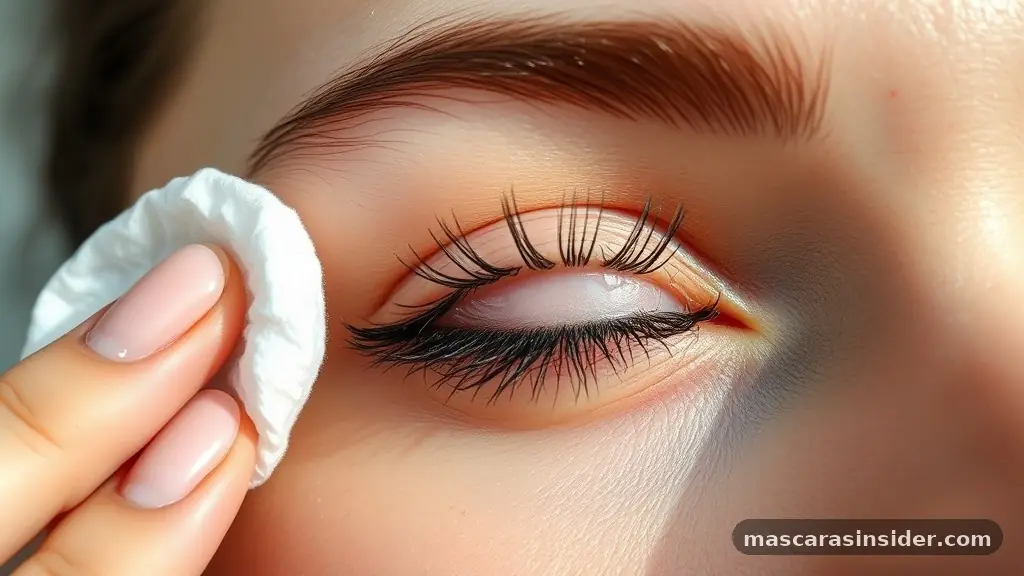
Success in removing stubborn makeup lies in the preparation. You should never start by rubbing your eyes directly. Instead, saturate a cotton pad or a soft reusable cloth with your chosen cleanser and hold it against your closed eyelid.
Let it rest there for at least thirty seconds. This pause is crucial; it gives the ingredients time to penetrate the layers of mascara, softening the formula so it can be wiped away with minimal effort.
Once the mascara has softened, gently swipe the pad downward following the natural direction of your lash growth. Avoid harsh side-to-side motions, which can tangle and break your lashes.
If you still see residue, repeat the process with a fresh area of the cotton pad rather than using the same dirty surface. This prevents you from smearing the pigment back into your lash line, ensuring a truly clean finish.
Handling Waterproof Mascara Effectively
Waterproof mascara is designed to withstand moisture, which makes it notoriously difficult to remove with just water or a basic face wash. Because these formulas are built to resist breakdown, you must use a specialized solvent to lift them safely.
A dual-phase makeup remover—which contains both oil and water—is often the best solution. The oil phase dissolves the waterproof polymers, while the water phase helps rinse away the residue without leaving an overly greasy film.
If you find that your waterproof mascara is still clinging to your lashes, consider using a warm compress for a few seconds before applying your cleanser. The warmth helps loosen the wax, making it much easier for the remover to do its job.
Remember to always work from the root to the tip, as this is where most of the product accumulates. Taking your time here prevents the need for excess friction, which is the primary cause of lash loss during the removal process.
Natural Alternatives and Home Remedies
Many people look for ways to clean their lashes using items they already have in their pantry. While oils like jojoba or fractionated coconut oil can effectively break down makeup, you must be careful to avoid getting oil directly inside your eyes, as it can cause temporary cloudiness. To use oil, apply a small amount to your fingertips or a clean cotton swab, massage it gently into the lashes, and then wipe away with a damp, warm cloth.
Always be mindful of the shelf life and quality of any natural product you use on your face. Oils can go rancid if left in a warm or humid bathroom for too long.
If you decide to go the natural route, keep your supply in a cool, dark place and use clean tools to avoid introducing bacteria into the bottle. While these methods are often effective, they are not always as fast-acting as professional-grade dual-phase removers, so be prepared to spend a little extra time during your evening routine.
Common Mistakes to Avoid
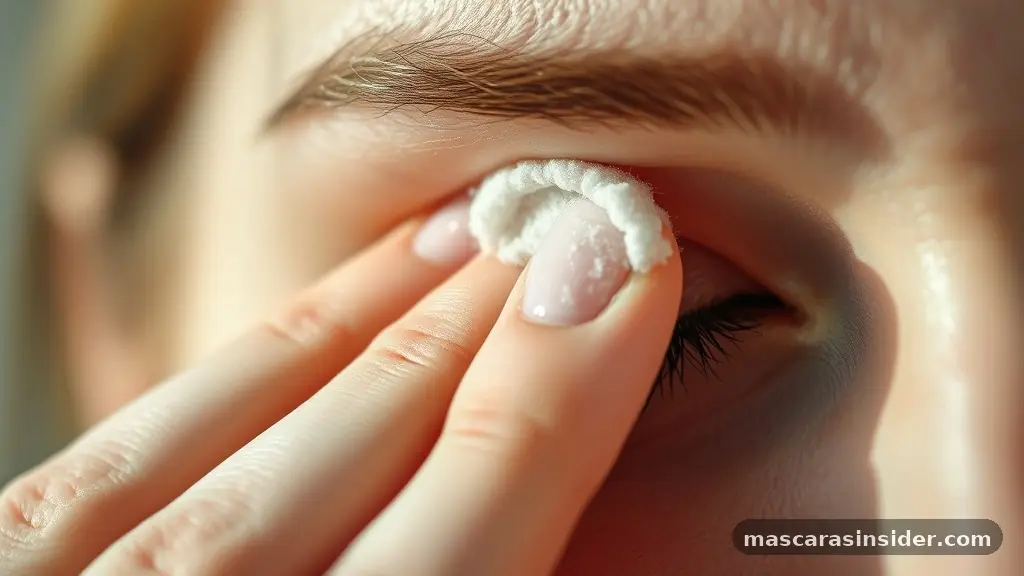
Even with the best intentions, it is easy to fall into habits that damage your lashes. One of the most frequent errors is rubbing your eyes too hard. This mechanical stress is the fastest way to pull out healthy lashes and stretch the delicate skin around the orbital bone.
Another mistake is using a dry cotton pad, which can be abrasive. Always ensure your pad is sufficiently damp with product to act as a cushion between your skin and the lash fibers.
Skipping the removal process entirely is the most significant mistake you can make. Sleeping in mascara causes the product to harden, making it brittle and sharp.
As you toss and turn on your pillow, these hardened lashes can rub against your skin or snap off, leading to sparse lashes over time. If you are ever too tired for a full routine, keep a pack of gentle, pre-moistened makeup remover wipes on your nightstand as a backup, though these should not be your primary daily method.
Comparing Removal Methods
Different types of products offer varying benefits depending on your skin type and the type of mascara you use. The following table provides a quick breakdown of common removal methods to help you decide which is best for your needs.
| Removal Method | Best For | Key Benefit |
|---|---|---|
| Dual-Phase Remover | Waterproof Mascara | Rapidly dissolves stubborn waxes |
| Micellar Water | Sensitive Skin | Gentle, non-greasy, and requires no rinsing |
| Cleansing Oil | Full Face Makeup | Effective for removing multiple layers of product |
| Makeup Wipes | Travel or Convenience | Quick and disposable for emergencies |
Cleaning the Inner Corner and Lower Lashes
Most people focus entirely on their upper lashes, but the lower lashes and the inner corners of the eyes often collect a surprising amount of mascara. These areas are harder to reach and require a more precise tool. A cotton swab is excellent for this task.
Dip the tip of the swab into your makeup remover and carefully trace the base of your lower lashes. This allows you to remove the product without getting cleanser in your eyes or smearing it onto your cheeks.
Be particularly careful when cleaning the inner corner near the tear duct. Use a light touch to ensure you don’t irritate the sensitive mucosal tissue.
If you find that your mascara tends to smudge underneath your eyes during the day, this thorough cleaning at night is even more important to prevent the buildup of oils and pigment. By focusing on these often-neglected areas, you ensure that your entire eye area is completely clean and ready for your nightly skincare routine.
Integrating Removal into Your Skincare Routine
Your mascara removal should be the first step in your evening skincare regimen. By clearing away the day’s makeup before you wash your face, you ensure that your cleanser can actually reach your skin rather than just moving pigment around.
This sequence is vital for preventing clogged pores and ensuring that any serums or creams you apply afterward can penetrate effectively. Once the lashes are clean, follow up with your preferred facial cleanser to remove any remaining oily residue from the remover itself.
You can learn more about general skin health and hygiene practices by visiting the American Academy of Dermatology for expert advice on maintaining a healthy complexion. Establishing a consistent order of operations makes the process feel like a natural part of your day rather than a chore. Whether you prefer a quick wipe or a multi-step double-cleansing process, sticking to a routine will keep your lashes strong and your eyes bright.
How to Prevent Lash Loss During Cleaning
Lash loss is often a result of improper removal techniques rather than the mascara itself. If you notice your lashes falling out on your cotton pad, it is a sign that you are either using too much force or not enough dissolving agent. To prevent this, always ensure your lashes are fully saturated before you attempt to wipe.
If the mascara feels “stuck,” apply more remover and wait a little longer. It is better to spend an extra minute waiting than to pull out a single lash.
Additionally, consider the tools you use. High-quality, lint-free cotton pads are much better for your eyes than cheap, fibrous rounds that can leave fuzz behind.
If you are environmentally conscious, soft bamboo or microfiber reusable rounds are excellent because they are gentle on the skin and can be washed and reused repeatedly. Maintaining a clean set of tools is just as important as the product you choose to ensure your eyes remain healthy and irritation-free.
Frequently Asked Questions
Is it okay to use soap and water to remove mascara?
While soap and water can remove some formulas, it is generally not recommended for the eye area. Regular soap can be very drying and disrupt the delicate pH balance of your skin, often leaving behind residue that causes irritation. Specialized removers are much safer and more efficient.
What should I do if I get makeup remover in my eyes?
If you accidentally get product in your eyes, flush them immediately with cool, clean water or a sterile saline solution. Most makeup removers are designed to be non-toxic, but they can still cause stinging or blurred vision. If irritation persists for more than a few minutes, consult a professional.
Can I use coconut oil to remove waterproof mascara?
Yes, pure coconut oil is effective at breaking down the waxes in waterproof mascara. However, it is comedogenic, meaning it can clog pores if you have oily or acne-prone skin. Always follow up with a gentle facial cleanser to ensure all traces of the oil are washed away.
How do I know if my mascara is expired?
Mascara should generally be replaced every three months. If you notice a change in the texture, a clumpy consistency, or an unusual smell, it has likely expired. Using old mascara increases the risk of eye infections and makes the removal process much more difficult as the formula dries out.
Conclusion
Mastering the art of how do you remove mascara is a fundamental skill for anyone who wears eye makeup regularly. By prioritizing gentle techniques, choosing the right solvents for your specific product type, and being patient during the dissolution phase, you can protect your lashes and the sensitive skin around your eyes. Remember that the goal is to lift the pigment away without friction, preserving the health of your eyes and the longevity of your natural lashes.
With a consistent routine and the right tools, you will find that the evening ritual becomes a relaxing end to your day rather than a tedious task. Start by evaluating your current products and adjusting your technique tonight, and your eyes will surely thank you for the extra care.
Meta Description: Learn how do you remove mascara safely and effectively without damaging your lashes. Discover the best techniques, products, and tips for clean, healthy eyes.