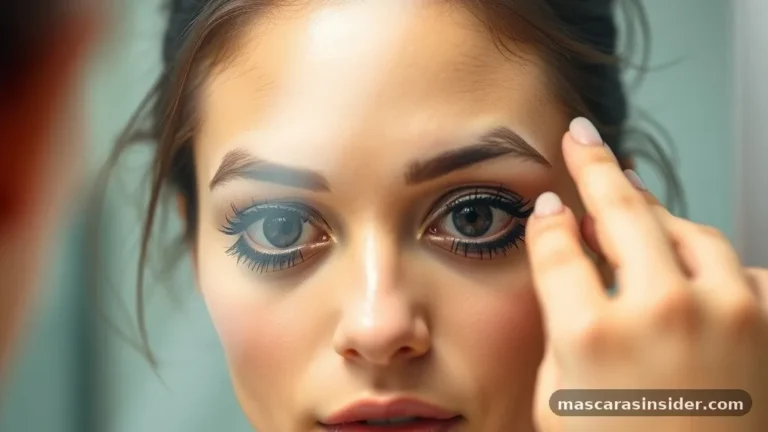


You did your makeup. It looked great. Then three hours later you catch your reflection and there they are, two grey smudges sitting under your eyes like you didn’t sleep in a week.
Panda eyes. Everyone with lashes and a tube of mascara has been there at least once.
The frustrating part? It’s usually not the mascara’s fault. Smudging is almost always a combination of skin type, product layering, and technique.
Fix those, and you can go from morning coffee to evening dinner with your lashes still looking crisp. Let’s get into exactly why it happens and what actually works to keep it under control.
Why Your Mascara Keeps Smudging Under Your Eyes
Before you can stop the problem, you have to know what’s causing it. Mascara migrates for a handful of predictable reasons, and most of them have nothing to do with how much you spent on the product.
The number one culprit is moisture. Oil from your skin, sweat, humidity in the air, and even a bit of watery-eye tearing all break down the mascara film and drag pigment down onto the delicate area under your eye. If your under-eye skin runs oily or you use rich eye creams, that oil creeps upward and meets your lashes.
Anatomy plays a role too. People with deep-set eyes, hooded lids, or long lower lashes tend to smudge more, simply because the lashes brush against the skin every time they blink. That constant contact transfers product.
Here are the common triggers worth checking:
- Oily or well-moisturised under-eye skin that hasn’t been set
- Heavy eye creams applied right before makeup with no time to absorb
- Rubbing or touching your eyes throughout the day
- Applying too many coats, so the mascara never fully dries
- Non-waterproof formulas in hot, humid weather
- Curling lashes downward or having naturally long lower lashes
Once you spot which of these apply to you, the fix becomes obvious. Most people are dealing with two or three at once.
Prep the Skin Around Your Eyes First
Smudge-proofing starts before you even open the mascara. The skin around your eyes is the launchpad, and if it’s damp or greasy, nothing you apply on top stays put.
Start by giving any eye cream or moisturiser time to sink in fully. That means at least five to ten minutes, not thirty seconds.
If you’re in a rush, gently blot the under-eye area with a tissue to lift off any excess before moving on. The goal is skin that feels comfortable and dry to the touch, not slick.
Next, deal with oil control. This is the single most underrated step.
A light dusting of translucent setting powder under the eyes gives the mascara nothing to cling to when it inevitably brushes down. Use a small fluffy brush and press, don’t sweep, so you keep coverage even.
If you wear concealer, set that too. Wet or creamy concealer under the eyes is basically a magnet for mascara pigment.
Apply your concealer, let it settle for a moment, then lock it with a whisper of powder. Skin that’s matte and set holds everything better all day.
One more trick some makeup artists swear by: a tiny amount of concealer or foundation on your actual lashes as a primer, which mascara grips onto for longer wear. It’s optional, but it can add staying power for people whose lashes just won’t cooperate.
Choosing the Right Mascara Formula
Not all mascaras are built the same, and the formula you pick has a huge effect on whether you get panda eyes by lunchtime. The two big categories worth understanding are waterproof and tubing mascaras.
Waterproof formulas resist water and oil better than regular ones, which makes them a solid choice for humid days, workouts, or emotional weddings. The trade-off is they’re harder to remove and can dry your lashes over time if you wear them daily.
Tubing mascara is the quiet hero here. Instead of coating your lashes in a wax-and-pigment paste, tubing formulas wrap each lash in a flexible polymer “tube.”
These tubes don’t break down with oil or sweat, so they resist smudging remarkably well, yet they slide right off with warm water and gentle pressure. No harsh remover needed.
Here’s a quick comparison to help you decide:
| Formula Type | Smudge Resistance | Removal | Best For |
|---|---|---|---|
| Regular (washable) | Low to moderate | Easy, with cleanser | Dry skin, cool climates, short wear |
| Waterproof | High | Needs oil-based remover | Humidity, sweat, tears, all-day wear |
| Tubing | Very high | Warm water, gentle | Oily lids, sensitive eyes, watery eyes |
If your waterproof mascara still smudges, that’s a sign it’s your skin’s oil breaking it down from underneath, not the formula failing. Address the prep steps first, then switch to tubing if it keeps happening.
The Right Way to Apply Mascara
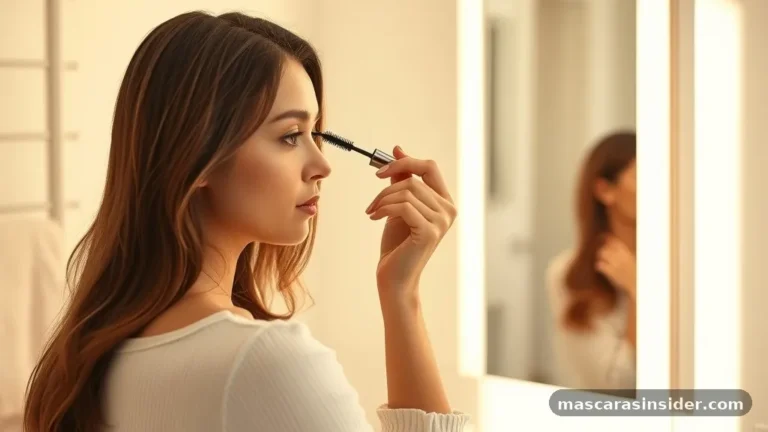
Technique matters more than people think. How you apply mascara determines where the product lands and how quickly it dries.
Focus most of your product on the upper lashes. The lower lashes are the ones that brush against your under-eye skin all day, so loading them up with mascara is asking for smudges. If you want definition on the bottom, use the tip of the wand and apply the thinnest possible coat, or skip a wet formula there entirely.
Wiggle the wand at the root and pull through to the tips in one smooth motion. Two thin coats beat one thick, gloopy layer every time. A heavy application never dries all the way through, and wet mascara transfers the moment you blink.
Curl your lashes before mascara, never after. Clamping a curler on coated lashes can crack the product and make it flake down onto your cheeks. A good curl also lifts the lashes up and away from the skin, which cuts down on contact.
Now the part everyone skips: let it dry. Give it a full minute or two before you do anything else, and try not to look down or blink hard while it sets. Rushing this step is probably the most common reason a fresh face turns into panda eyes within the hour.
The Vaseline Trick and Other Popular Fixes
You’ve probably seen the Vaseline mascara hack floating around online. The idea is to dab a tiny bit of petroleum jelly on your lashes before or after mascara to condition them and make the color glide on smoother. It can add a touch of sheen and separate the lashes.
Here’s the honest truth: Vaseline is an oil-based product, and oil is exactly what breaks mascara down. Using it near your lashes can actually cause more smudging, not less. If you want to try it, keep it strictly to conditioning bare lashes at night, and keep it away from your eyes when you’re wearing mascara during the day.
A far more reliable trick is a clear top coat or lash sealant. These clear gels lock over your mascara like a raincoat, adding a waterproof barrier that keeps everything in place. Dermatologists at the American Academy of Dermatology note that keeping products out of the waterline and off sensitive areas also helps reduce irritation and migration, which you can read more about through their makeup tips for sensitive skin.
Other fixes worth having in your kit:
- Keep a cotton swab handy to clean up any smudge instantly without redoing your whole eye
- Blotting papers to absorb mid-day oil around the eyes before it reaches your lashes
- A setting spray to lock in your whole look after mascara has dried
- Switching to a smudge-proof or tubing formula on days you know you’ll sweat
Fixing Smudges on the Brow Bone and Upper Lids
Smudging isn’t only an under-eye problem. Plenty of people find grey marks on the brow bone or upper lids by midday, and the causes are similar but slightly different.
If you have hooded or deep-set eyes, your upper lid folds down and touches your top lashes when you blink, transferring mascara onto the crease and brow bone. The fix is the same principle: keep that skin matte. A light layer of eyeshadow primer and a neutral setting shadow across the lid stops the transfer.
Make sure your top lashes are fully dry before you open your eyes wide or look up, since a wet coat pressing against the lid is the fastest way to mark it. Tubing mascara helps enormously here too, because it doesn’t rely on wax that oil can dissolve.
For anyone whose eyes water easily, blot the inner corners gently through the day and avoid heavy application near the tear ducts. A little planning keeps your whole eye area clean from morning to night.
Frequently Asked Questions
What can I put under my eyes so mascara doesn’t smudge?
A thin layer of translucent setting powder is your best defence. Apply it under the eyes after concealer to soak up oil and give mascara nothing to cling to. Setting spray over the finished look adds another layer of protection.
Why is my mascara always smudging under my eyes?
The usual reasons are oily under-eye skin, eye cream that hasn’t absorbed, applying mascara that never fully dried, or long lower lashes brushing your skin. Humidity and touching your eyes make it worse. Setting the area with powder solves it for most people.
Does the Vaseline mascara trick actually work?
It can condition and separate bare lashes, but because Vaseline is oil-based it often causes more smudging when worn with mascara during the day. Save it for nighttime lash care and use a clear lash sealant instead for staying power.
Why does my waterproof mascara still smudge?
Waterproof resists water, but oil from your skin can still break it down from underneath. If your lids or under-eye area run oily, no formula stays put unless you set the skin first. A tubing mascara often resists oil better than waterproof.
How do I stop getting panda eyes on humid days?
Prep with oil-control powder, use a tubing or smudge-proof formula, apply thin coats mostly to the top lashes, and let it dry completely. Blotting papers to manage midday oil and a setting spray to lock everything in make a real difference.
Bringing It All Together
Keeping mascara where it belongs isn’t about one magic product. It’s a chain of small habits that work together. Let your eye cream absorb, set the skin with powder, choose a formula suited to your day, apply thin coats mostly on top, and give it real time to dry.
If you’ve tried all that and still get smudges, your skin’s oil is probably the villain, and switching to a tubing mascara will likely solve it once and for all. Watery eyes? Blot gently and keep product off the waterline.
Panda eyes are fixable. Once you understand that moisture is the enemy and dry, set skin is the goal, everything else falls into place. Dial in your prep, pick the right formula, and your lashes will stay crisp from your morning coffee straight through to the end of the day.