
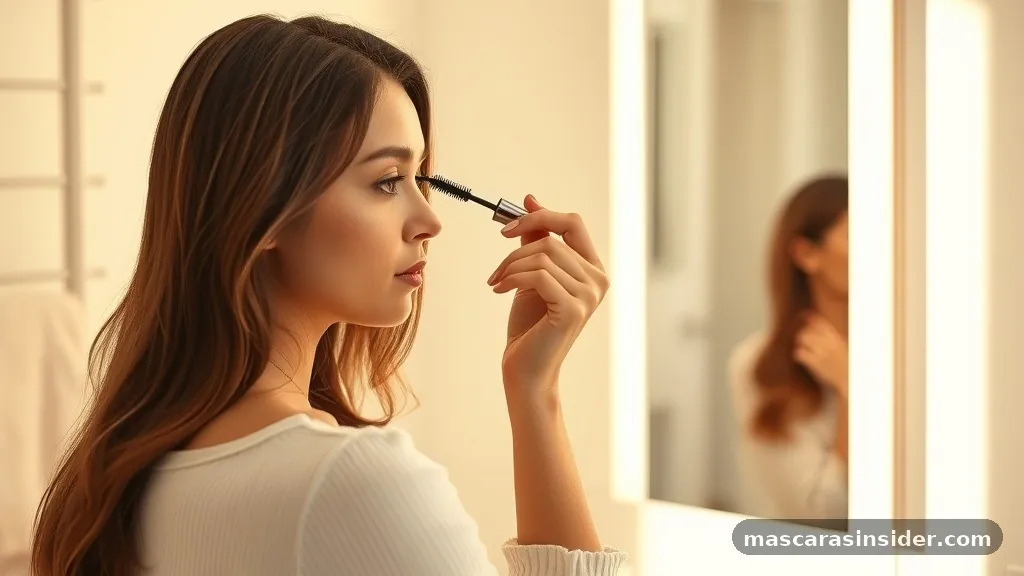
You reach for that same tube of mascara every morning, swipe it on, and never think twice. But here’s the thing nobody tells you at the makeup counter: mascara has a shelf life shorter than almost anything else in your bag.
That little tube is basically a warm, dark, moist environment right next to your eye. Bacteria love it there.
So how often should you replace your mascara, really? The short answer is every three months.
The longer answer involves how you use it, how it smells, and a few habits that might be quietly wrecking your eye health. Let’s get into it.
The Three-Month Rule (And Why It Exists)
Most dermatologists and ophthalmologists land on the same number: replace mascara every three months. It’s not a marketing gimmick to sell you more product. It’s about bacteria.
Every time you dip the wand back into the tube, you’re pumping air and microbes down into the formula. Your lashes carry natural oils and skin flora, and the wand ferries all of it back inside.
Over weeks, that builds up. A three-month-old mascara can carry a surprising colony of bacteria that simply wasn’t there when you opened it.
The American Academy of Ophthalmology recommends tossing eye makeup like mascara every three months precisely because of this contamination risk. You can read their guidance on safe makeup habits for your eyes if you want the clinical detail.
Think about it this way. Foundation sits on your cheeks. Lipstick touches your lips.
But mascara goes on the delicate rim of your eye, over lashes that sit millimeters from your cornea. There’s very little margin for error there.
An eye infection from old mascara isn’t a rare horror story either. Conjunctivitis, styes, and irritated, red eyes get traced back to expired products all the time.
Here’s a quick reference for how mascara stacks up against other makeup you probably own:
| Product | Recommended Replacement | Why |
|---|---|---|
| Mascara | Every 3 months | High bacterial risk, near the eye |
| Liquid eyeliner | 3 months | Same eye-area contamination |
| Pencil eyeliner | Up to 1 year | Sharpening removes the top layer |
| Concealer | 6 to 12 months | Less moisture, less air exposure |
| Foundation | 6 to 12 months | Depends on formula and pump vs. open jar |
| Lipstick | 1 to 2 years | Waxy base resists bacteria longer |
| Powder eyeshadow | Up to 2 years | Dry products harbor fewer microbes |
Can You Use Mascara for 2 Years?
No. Please don’t.
People ask this all the time, usually because they bought an expensive tube and hate the idea of throwing it out half-full. I get it.
But two years is roughly eight times longer than mascara is meant to survive. By then the formula has changed, dried out, and become a genuine breeding ground for bacteria.
A two-year-old tube might still look fine when you open it. That’s the trap.
Bacterial growth isn’t always visible, and neither is the moment it crosses from “fresh” to “risky.” The clumpy, flaky texture you notice is just the obvious final stage.
Old mascara can lead to eye irritation, infections, and even scratched corneas if the dried formula flakes into your eye. The risk isn’t worth stretching one product a few extra months. If cost is your concern, buy a cheaper mascara you’ll feel fine replacing on schedule rather than a luxury one you’ll cling to for a year.
How to Know When It’s Time to Throw It Out
The calendar is your best guide, but your senses back it up. Even before three months are up, certain signs mean it’s time to replace your mascara immediately.
- It smells off. Fresh mascara has a faint, neutral scent. If it smells sour, chemical, or just weird, that’s bacteria talking.
- The texture went dry or clumpy. When the wand drags and deposits chunks instead of gliding, the formula has degraded.
- You’ve had an eye infection. Any tube you used during pinkeye or a stye should go straight in the trash, no exceptions.
- It’s separating or watery. A change in consistency means the product is breaking down.
- Application feels different. If it stopped performing the way it did when new, don’t fight it. Replace it.
One habit worth breaking: pumping the wand in and out to “load up” more product. That doesn’t grab extra mascara.
It just forces air into the tube, which dries the formula faster and speeds up bacterial growth. Swirl the wand gently instead.
And never, ever add water or saliva to revive a dried-out tube. I know it’s tempting when the mascara goes stiff.
But you’d be introducing fresh bacteria directly into a product going on your eye. That’s how infections start.
What Affects How Long Your Mascara Lasts
Three months is the standard, but real life shifts that number. A few things change how quickly your mascara turns.
How often you use it
Daily use exposes the formula to more air and more bacteria transfers. If you wear mascara every single day, three months is a firm ceiling, maybe less. If you only pull it out for weekends and events, the tube dries out sooner from sitting unused rather than from contamination, so the clock still runs, just for a different reason.
Waterproof vs. regular formulas
Waterproof mascara tends to dry out faster because of its formula. Many people find they need to replace waterproof versions closer to the two to three month mark. Regular washable formulas can sometimes hold their texture toward the full three months.
Storage
Heat and humidity accelerate bacterial growth. A tube living in a steamy bathroom or a hot car ages faster than one kept in a cool, dry drawer. Keep the cap screwed on tight between uses so less air gets in.
Sharing
Just don’t. Sharing mascara means sharing eye bacteria, and that’s a direct route to spreading infections like conjunctivitis. Even with someone you’re close to, it’s a hard no.
Reading the PAO Symbol on Your Tube
Flip your mascara over and look for a small icon that looks like an open jar with a number and the letter M on it. That’s the Period After Opening symbol, or PAO. A “6M” means six months, “3M” means three months, and so on.
Here’s the catch. That number tells you the manufacturer’s estimate of how long the product stays good after you first open it, under ideal conditions.
For mascara, you’ll often see 6M printed on the tube. Most eye doctors still recommend the shorter three-month window because eye products carry higher risk than the packaging assumes.
“The eye area is one of the most sensitive places to apply cosmetics, so replacing mascara regularly is a small step that prevents a lot of problems,” is the kind of advice you’ll hear from ophthalmologists again and again.
So treat the PAO as an outer limit, not a goal. The date you opened it matters more than any printed guess.
A simple trick: write the open date on the tube with a permanent marker, or on a bit of tape. Then you’re never guessing whether it’s been six weeks or six months.
Unopened mascara is different. A sealed tube can sit in your drawer for a couple of years and stay fine, since the formula hasn’t been exposed to air or bacteria yet. The clock only really starts ticking once you break the seal.
Building a Smart Replacement Routine
Knowing the rule is one thing. Actually following it is another. Most of us don’t remember when we opened a tube, which is exactly why old mascara sticks around too long.
A few habits make this painless:
- Date every new tube the day you open it. Marker on the base works great.
- Set a phone reminder for three months out when you start a fresh mascara.
- Buy in a size you’ll finish in time. A giant tube you can’t use up in three months is just waste.
- Do a seasonal makeup check. Every few months, go through your bag and toss anything past its prime, from mascara to concealer to foundation.
- Keep your wands clean and never pump air into the tube.
If you tend to forget, tie it to something you already track. Some people swap their mascara at the start of every season, which naturally lands close to that three-month rhythm. Others replace it whenever they restock other eye products so everything’s fresh at once.
The best mascara for you is the one you’ll actually replace on time. A drugstore tube you swap every three months beats a premium one you hoard for a year. Your eyes care about freshness, not price.
Frequently Asked Questions
How long should a mascara last with daily use?
With daily use, plan on about three months per tube. Daily application means more air exposure and more bacteria transferred from your lashes each time, so you shouldn’t push a tube past that window even if there’s product left inside.
Is it bad to use expired mascara?
Yes. Expired mascara can harbor bacteria that cause eye infections, irritation, redness, and styes.
Dried-out formula can also flake into your eye and scratch the surface. If your mascara is past three months or smells off, replace it.
Does unopened mascara expire?
Unopened mascara lasts much longer than opened, often a couple of years, because it hasn’t been exposed to air or bacteria. Once you break the seal, the three-month clock starts. Check the tube for a manufacture or expiry date if you’re unsure.
Why does my mascara dry out so fast?
Usually it’s from pumping the wand in and out, which pushes air into the tube. Storing it somewhere hot, like a bathroom or car, speeds up drying too. Swirl the wand gently instead of pumping, and keep the cap on tight.
Can old mascara really cause an eye infection?
It can. As bacteria build up in the tube over weeks and months, transferring that to the delicate eye area raises your risk of conjunctivitis, styes, and general irritation. This is the main reason the three-month rule exists.
The Bottom Line
Replace your mascara every three months. That’s the number worth remembering. It’s short compared to most makeup, but the reason is simple: no other product spends its life this close to your eye in such a bacteria-friendly little tube.
Watch for the warning signs too. A sour smell, dry or clumpy texture, or any change in how it applies means it’s time, even before three months are up. Date your tubes, set a reminder, and never share or add liquid to revive a dry one.
Your eyes are worth the swap. Toss the old tube, open something fresh, and skip the infections. It’s one of the easiest good habits you can build into your routine.