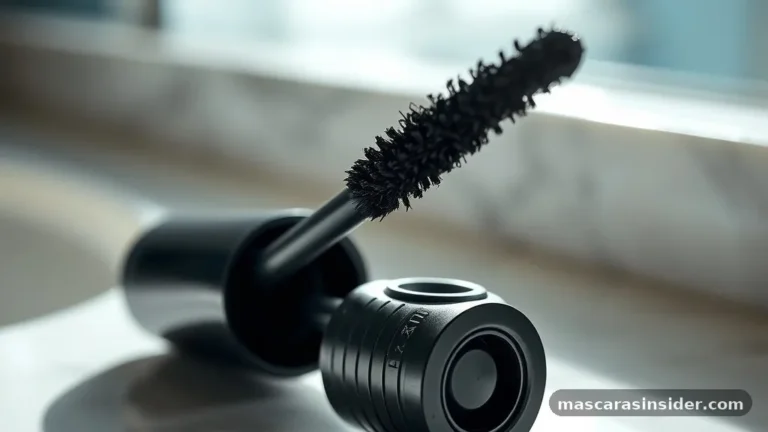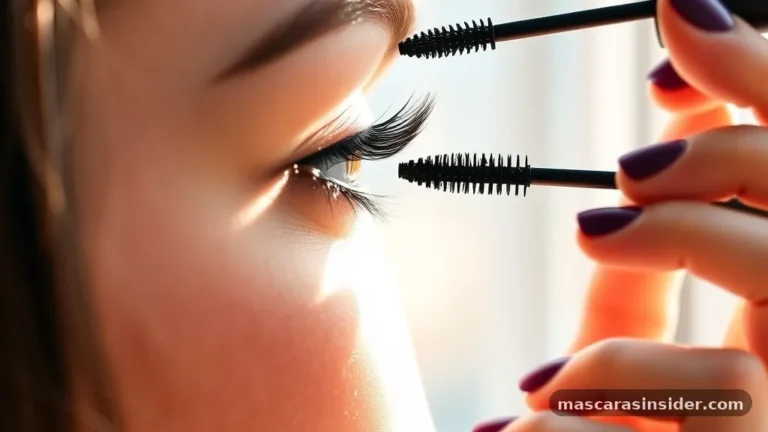


You’ve had your cataract removed, your vision is clearing up, and one of the first things a lot of people start thinking about is getting back to normal. That includes reaching for your makeup bag. But there’s a catch.
The eye that just had surgery is healing, and anything you put near it carries a small risk. So the honest answer to when can I wear eyeliner and mascara after cataract surgery is: not right away, and probably later than you’d like.
Most surgeons tell patients to wait at least one to two weeks before applying any eye makeup. Some are stricter.
The reason isn’t fussiness. It’s about protecting a tiny incision from bacteria, flaking particles, and the friction that comes with removing makeup at the end of the day.
Let’s walk through the actual timeline, what’s safe, and how to ease back into your routine without putting your recovery at risk.
Why You Can’t Wear Eye Makeup Straight After Cataract Surgery
Cataract surgery is one of the most common and successful procedures in the world. Roughly 4 million cataract surgeries are performed each year in the United States alone, and the vast majority go smoothly.
Still, it’s real surgery. The surgeon makes a small incision in the eye, removes the clouded natural lens, and replaces it with an artificial intraocular lens.
That incision is usually so small it heals without stitches. But “heals without stitches” doesn’t mean “sealed instantly.” For the first several days, that opening is a potential doorway for infection.
Here’s why makeup is a problem so soon after surgery:
- Mascara and eyeliner shed tiny particles that can drift into the eye and irritate the healing surface.
- Old makeup harbors bacteria. An eyeliner pencil you’ve used for months is not sterile.
- Applying and especially removing eye makeup means touching and rubbing near the eye, which you’re told to avoid.
- Makeup removers contain oils, alcohol, and fragrances that can sting or cause inflammation.
The most serious concern is a rare infection called endophthalmitis. It happens in less than 1 in 1,000 cases, but it can threaten your vision. That low number is partly because patients follow the after-care rules, including the ones about makeup.
The Realistic Timeline for Wearing Eyeliner and Mascara Again
Every surgeon has their own preferences, so your discharge instructions always win over any general advice. That said, there’s a fairly standard recovery pattern that most eye clinics follow.
| Time After Surgery | What’s Generally Safe |
|---|---|
| Days 1 to 7 | No eye makeup at all. Avoid mascara, eyeliner, eyeshadow, and false lashes. |
| Around 1 week | Foundation and face makeup away from the eyes may be fine. Ask your doctor first. |
| 1 to 2 weeks | Many surgeons clear you for eyeliner and mascara now, if healing is on track. |
| 2 to 4 weeks | Most patients are back to their full makeup routine by this point. |
Notice that lipstick and cheek makeup usually aren’t an issue. Those don’t go near the eye, so the risk is minimal. It’s specifically the products you apply on the lash line and lids that need to wait.
If you had a more complex procedure, or if your recovery is slower, your surgeon might push the timeline back. One week is a common minimum. Two weeks is the safer, more conservative choice, and a lot of ophthalmologists prefer it.
How to Reintroduce Eye Makeup Without Causing an Infection
When you get the green light, don’t just dive back in with your old products. A few small habits make a big difference during those first few weeks.
Start fresh. Throw out old mascara and liquid eyeliner and buy new.
Mascara has one of the shortest shelf lives of any cosmetic, usually around three months once opened, because the wet, dark tube is a perfect home for bacteria. After surgery, this matters more than ever.
Wash your hands before touching anything near your eyes. It sounds obvious. People forget.
Go light at first. You don’t need a dramatic wing on your first day back. Apply gently, and try not to press or tug on the lid.
Here are some sensible ground rules for those early weeks:
- Use brand new, sealed eye products rather than anything already opened.
- Keep eyeliner off the inner rim (the waterline) where it sits closest to the eye’s surface.
- Avoid glittery or powdery shadows that flake easily.
- Skip false lashes and lash glue until you’re fully healed, usually a month out.
- Never share eye makeup with anyone else.
The American Academy of Ophthalmology offers
The American Academy of Ophthalmology offers helpful guidance on recovering safely after cataract surgery, and it’s worth reading through if you want reassurance straight from the source.
Safe Ways to Remove Mascara and Eyeliner During Recovery
Getting makeup off is honestly the riskier part. Removal usually involves rubbing, and rubbing your eye is the one thing you’re told not to do after cataract surgery.
For at least the first few weeks, use the gentlest possible method. A mild, oil-free, fragrance-free micellar water on a clean cotton pad works well. Hold the pad against your closed lashes for a few seconds to let the makeup dissolve, then wipe softly outward.
Don’t scrub. Don’t press into the eye.
Avoid removers with alcohol or strong fragrances early on, since these can sting a healing eye. Baby shampoo diluted in warm water is another gentle option some doctors suggest for cleaning the lash line.
A quick reminder that comes up a lot: can you rub your eyes six months after cataract surgery? By six months, the eye has fully healed and gentle rubbing is fine. During the first month, though, rubbing is genuinely something to steer clear of, because it can disturb the incision or shift the lens before it’s settled.
Speaking of the lens settling, that usually takes a few weeks. The artificial lens is held in place by the eye’s natural capsule, and while it feels stable quickly, the surrounding tissue continues to heal for about four to six weeks. That’s roughly the same window during which you’re being careful with makeup.
Other Everyday Activities to Be Careful With
Makeup isn’t the only thing on the caution list. A lot of patients ask about washing their hair, bending over, and going outside. It all ties back to the same goal: keep water, pressure, and dirt away from the healing eye.
Washing your hair is usually fine within a day or two, as long as you tilt your head back so shampoo and water run away from your face. Keep your eye closed. Don’t let soapy water splash directly into it for at least the first week.
Bending over at the waist is often discouraged for the first week or so, because it can raise pressure inside the eye. Squatting to pick something up is generally better than folding forward.
Sunglasses come up too. You don’t have to wear them indoors, but many people find their eye is sensitive to light for a while, and sunglasses feel comfortable. Outdoors, they’re a smart idea to protect against brightness, wind, and dust.
If you were given a protective eye shield, wear it while sleeping for as long as your surgeon recommends, often about a week. It stops you from accidentally rubbing the eye in your sleep, which is exactly the kind of thing that undoes careful daytime habits.
Signs Something Isn’t Right
Most recoveries are uneventful. Your vision improves, the eye feels comfortable, and within a few weeks you barely think about it. But it helps to know what a problem looks like, especially once you’ve reintroduced makeup near the eye.
Contact your doctor promptly if you notice any of these:
- Increasing pain rather than gradual improvement.
- Worsening redness or a lot of discharge.
- Sudden decrease in vision or new floaters and flashes.
- Increased sensitivity to light that doesn’t settle.
- Any feeling that something is stuck in the eye.
These can be signs of inflammation or, rarely, infection, and both are far more treatable when caught early. If makeup particles are irritating a still-healing eye, stopping and getting checked is always the right call. Don’t wait it out.
The good news is that the timeline for makeup and the timeline for full recovery line up neatly. By the time you’re comfortably back to eyeliner and mascara every day, your eye has usually done most of its healing.
Frequently Asked Questions
What mascara can I use after cataract surgery?
Use a brand new tube rather than an old one, and choose a simple, non-flaking formula. Avoid fibre or lash-extending mascaras that shed tiny particles, since those can drift into a healing eye. Waterproof formulas are best skipped early on because they need more scrubbing to remove.
How long after cataract surgery can I wear eyeliner?
Most surgeons say to wait one to two weeks before applying eyeliner. Keep it off the inner waterline for the first few weeks, and use a fresh pencil or liner rather than one you’ve had open for months.
Can I wear lipstick after cataract surgery?
Yes, lipstick and most face makeup that stays away from the eyes are generally fine soon after surgery. The restrictions really only apply to products used on or near the eyelids and lash line.
How long does it take for the lens to settle after cataract surgery?
The artificial lens feels stable within days, but the eye continues healing for about four to six weeks. During that time you should avoid rubbing the eye and applying pressure, which is why the makeup guidance overlaps with the general recovery window.
What’s the safest eye makeup remover to use during recovery?
A gentle, oil-free, fragrance-free micellar water is a good choice. Let it soak into the lashes before wiping softly, and avoid any scrubbing or pressing on the eye until you’re fully healed.
The Bottom Line
Getting back to your makeup routine after cataract surgery is mostly a matter of patience. Skip all eye makeup for the first week, and wait for your surgeon’s okay before reaching for eyeliner and mascara, usually around one to two weeks in. When you do restart, use fresh products, apply gently, and be extra careful removing them.
That short wait protects the small incision while it heals and lowers your already-low risk of infection. A couple of makeup-free weeks is a tiny trade for the clear, sharp vision cataract surgery gives back. Follow your doctor’s specific instructions, listen to your eye, and you’ll be back to your full look before long.