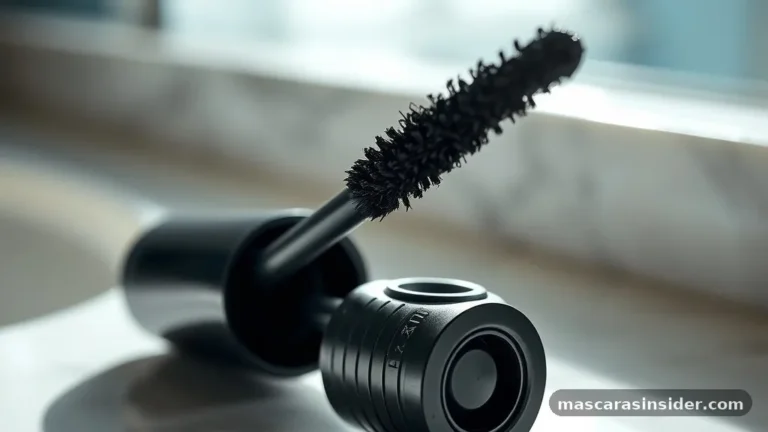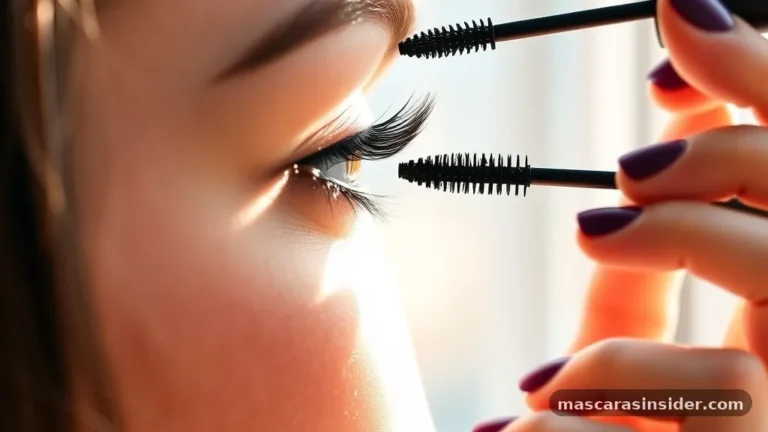

That tube of mascara sitting in your makeup bag has an expiration date, even if it doesn’t come stamped with one you’ll ever notice. Most people keep their mascara far longer than they should, dragging out one favorite until it’s flaky, crumbly, and honestly a bit of a hazard for the delicate skin around your eyes.
The reason it matters isn’t just about performance. It’s about bacteria, eye infections, and the moist, dark environment inside that tube that makes it a breeding ground for microbes.
So how do you know when it’s time to toss it? The short answer is three months. But there’s a lot more nuance to it than a single number, and understanding the why behind that rule helps you make smarter choices with all your eye makeup.
How Long Does Mascara Actually Last?
Mascara has the shortest shelf life of pretty much any product in your beauty stash. Dermatologists and ophthalmologists widely recommend replacing mascara every three months once it’s been opened.
That’s it. Three months from the first swipe.
Why so short compared to, say, lipstick or eyeshadow? It comes down to the design of the tube and the way you use it.
Every time you pull the wand out, apply it, and push it back in, you’re pumping air and bacteria into a warm, wet, enclosed space. Water-based formulas are especially prone to bacterial growth because microbes love moisture.
Here’s a rough comparison of how long common eye and face products tend to last after opening:
| Product | Recommended Replacement | Why |
|---|---|---|
| Mascara | 3 months | Wet formula, repeated air exposure, near the eye |
| Liquid eyeliner | 3 to 6 months | Similar contamination risk as mascara |
| Pencil eyeliner | Up to 1 year | Sharpening exposes a fresh surface |
| Lipstick | 1 to 2 years | Less bacterial-friendly, easy to wipe clean |
| Powder eyeshadow | Up to 2 years | Dry products resist bacteria far better |
Notice the pattern. The wetter the formula and the closer it sits to your eye, the shorter its safe lifespan. Mascara ticks both boxes.
Why Bacteria Makes Old Mascara Risky
Let’s talk about what’s actually going on inside that tube. Every application drags whatever is on your lashes back into the product.
Skin cells, natural oils, environmental dust, and yes, bacteria. Once inside, those microbes have everything they need to multiply: warmth, darkness, and moisture.
The American Academy of Ophthalmology warns that old or contaminated eye makeup can lead to eye infections, including styes, conjunctivitis, and in rarer cases corneal ulcers that threaten vision. You can read more about safe practices from the American Academy of Ophthalmology, which offers straightforward guidance on eye makeup hygiene.
One study frequently cited in cosmetic microbiology research found that a notable portion of used mascara samples tested positive for bacterial contamination after just a few months of use. The organisms found included Staphylococcus and various fungi, both capable of causing irritation and infection when introduced to the eye.
The eye is a sensitive spot. Its surface is easily scratched, and it lacks the tough protective barrier your skin has.
Introduce a colony of bacteria to it night after night, and you’re rolling the dice. Redness, watering, itching, and swelling are the early warning signs your body throws up.
Signs It’s Time to Replace Your Mascara
The three-month rule is your baseline, but your mascara will often tell you it’s done before the calendar does. Pay attention to these signals.
- A strange or sour smell. Fresh mascara has a faint, neutral scent. If it starts to smell like chemicals, gas, or anything off, bacteria may already be thriving. Throw it out.
- It’s gone dry or clumpy. When the formula thickens, dries out, or flakes onto your cheeks, it’s past its prime. Adding water or saliva to revive it is a genuinely bad idea that introduces even more bacteria.
- A change in texture or color. Separation, an oily film, or an off-color tint all point to a formula that’s broken down.
- Eye irritation after use. If your eyes feel itchy, red, or watery after applying, your mascara could be the culprit. Stop using it immediately.
- You’ve had an eye infection. Recovered from a stye or pink eye? Toss any mascara you used during that time. It’s contaminated, full stop.
Even if none of these show up, don’t push a tube past its three-month window just because it still looks fine. Bacterial growth isn’t always visible.
Can You Use Mascara That’s One, Two, or Five Years Old?
People ask this a lot, and the answer is a firm no. Using two-year-old mascara, or worse, five-year-old mascara, is asking for trouble. A tube that old has almost certainly dried out, and if it hasn’t, that’s arguably more concerning because it means preservatives are still holding on while the formula has had years to collect contaminants.
Think about it this way. Even a product you barely touched has been opened, exposed to air, and reintroduced to your lashes over and over.
Time doesn’t sterilize it. It does the opposite.
If you find an old mascara you forgot about, resist the urge to use it “just once.” A single application of heavily contaminated product near your eye can trigger an infection. The cost of a new tube is a fraction of a doctor’s visit and a course of antibiotic eye drops.
An unopened, sealed mascara is different. It generally stays good for one to two years from manufacture, and many packages carry a small open-jar symbol with a number like “6M” or “12M” telling you how many months it lasts once opened. Once that seal is broken, the three-month clock starts.
Daily Use, Tubing Formulas, and Other Factors
How you use your mascara affects how quickly it goes bad. With daily use, you’re introducing bacteria and pumping air constantly, so three months is genuinely the ceiling, not a suggestion. If you only wear it occasionally, you might feel tempted to stretch it, but the exposure it already had still counts.
A few habits shorten a mascara’s life dramatically:
- Pumping the wand in and out of the tube. This forces air in and dries the formula faster. Swirl the wand gently instead.
- Sharing mascara with friends or family. You’re swapping bacteria directly. Never do it.
- Applying makeup in a warm, humid bathroom, which accelerates bacterial growth.
- Keeping the tube in a hot car or sunny windowsill. Heat degrades the formula.
Tubing mascara deserves a mention. These formulas form tiny polymer tubes around each lash and slide off with warm water rather than makeup remover. Some people find they resist smudging beautifully.
In terms of replacement, though, they follow the same rule as any other mascara. The three-month timeline still applies because the wand and tube face identical contamination risks.
Waterproof mascara isn’t safer either. If anything, its stubborn formula can dry out faster, and the same bacterial concerns hold.
Mini mascaras, the travel-sized versions brands love to include as samples, follow the same clock too. Smaller tube, same three months once opened.
Smart Habits to Keep Your Eye Makeup Safe
Replacing mascara regularly is the single best thing you can do, but a few extra habits make a real difference in keeping things clean and your eyes comfortable.
Write the open date somewhere. A tiny label on the bottom of the tube, or a note in your phone, takes five seconds and removes all the guesswork about when it’s time to swap. You’d be surprised how quickly three months sneaks up.
Take your makeup off every night. Sleeping in mascara lets it flake into your eyes and clog the tiny glands along your lash line, which invites irritation and styes. Gentle removal protects both your lashes and the health of your eyes.
Skip mascara entirely if you have an active eye infection, and replace the product afterward. Don’t apply it inside the lash line either, right up against the eyeball, since that clogs those oil glands and pushes product straight into the eye.
Buy fresh rather than stockpiling. There’s no benefit to keeping five backup tubes when each one starts aging the moment you open it.
Buy one, use it, replace it. Simple as that.
Frequently Asked Questions
How often do you really need to replace mascara?
Every three months once it’s opened. That window balances the reality of bacterial growth against normal daily use.
Some tubes might look fine longer, but appearance doesn’t tell you what’s living inside. Three months is the widely accepted safe limit from eye care professionals.
Can I use mascara for two years?
No. A two-year-old opened mascara has long passed the point of being safe for your eyes.
Even if it hasn’t dried out, it has accumulated bacteria over that time. Using it risks irritation and infection, so it belongs in the trash.
What happens if I use old mascara?
The most common outcomes are redness, itching, watering, and swelling. In worse cases, contaminated mascara can cause styes, conjunctivitis, or other eye infections. If you notice irritation after applying, stop using the product right away and see a professional if symptoms persist.
How can I tell if my mascara has gone bad?
Look for a change in smell, a dry or clumpy texture, separation in the formula, or any irritation when you use it. An off or chemical odor is a clear red flag. When in doubt, and if it’s older than three months, replace it.
Does unopened mascara expire?
Yes, but it lasts much longer while sealed, typically one to two years from manufacture. Check the open-jar symbol on the packaging for a period-after-opening number like 6M. Once you break the seal, the three-month countdown begins regardless of how long it sat unopened.
The Bottom Line
Mascara is one of those products where a little discipline pays off. Three months is the number to remember.
Mark the date you open a new tube, watch for warning signs like a dry formula or an odd smell, and never try to squeeze extra life out of an old one to save a few dollars. The tube’s warm, moist environment is perfect for bacteria, and your eyes are far too sensitive to gamble with.
Keep it simple. Replace your mascara every three months, skip anything that’s dried out or smells off, and never share it. Your lashes will look better, and your eyes will thank you for the fresh start.