
The question of whether is sleeping with mascara bad for your health is one that dermatologists and optometrists answer with a resounding yes. While it might seem like a minor oversight after a long, exhausting day, failing to remove your eye makeup before heading to bed initiates a chain reaction of potential health issues.
Your eyelashes are not just aesthetic features; they are protective barriers designed to keep debris, dust, and sweat out of your eyes. When you coat them in polymers, waxes, and pigments and then press them into a pillow for eight hours, you are essentially trapping bacteria and preventing the natural shedding and recovery process that occurs overnight.
Many people underestimate the sensitivity of the ocular surface. The skin around your eyes is the thinnest on your body, and the eyes themselves are highly susceptible to inflammation. When mascara is left on, it migrates from the lashes onto the eyelid margins and even into the tear film.
This constant, low-level irritation can lead to chronic discomfort, redness, and long-term damage to the hair follicles. Understanding why this habit is detrimental requires looking at both the chemical composition of your makeup and the biological needs of your eyes.
The Biological Impact on Your Eyelashes
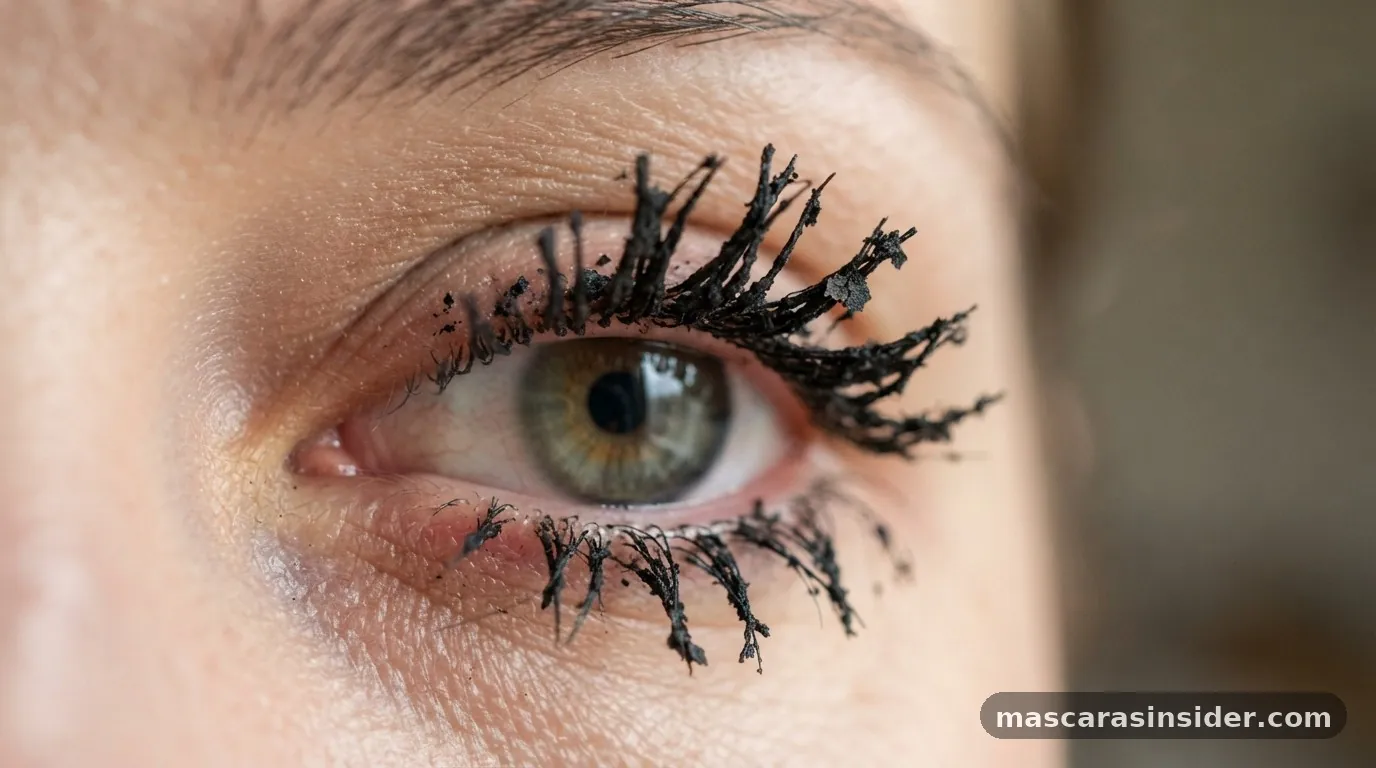
Is sleeping with mascara bad for your eyelashes? Yes, it causes them to become brittle, dry, and prone to premature breakage. Eyelashes, like the hair on your head, need to be clean and flexible to maintain their structural integrity.
Mascara formulas are designed to harden as they dry to hold a curl and provide volume. When you leave this hardened layer on overnight, your lashes lose their ability to move naturally.
As you toss and turn in bed, your lashes rub against your pillowcase, which creates friction. Because the dried product makes the hair stiff, it doesn’t bend with the movement; instead, it snaps.
1. Dried mascara creates a rigid coating that prevents the lash from flexing during natural movement.
2. The mechanical friction against pillowcases causes brittle lashes to break off at the root or mid-shaft.
3.
Clogged hair follicles at the base of the lash line can inhibit healthy growth cycles.
4. Chronic buildup of product can lead to a thinning lash line over time, as follicles struggle to produce new, healthy hairs.
Think of it as hairspray for your eyelashes. Just as you wouldn’t want to sleep with stiff, gelled hair that you then rub against a rough fabric, you shouldn’t subject your delicate lashes to the same treatment. Over weeks and months, this leads to sparse lash lines.
Many people who complain about their lashes falling out or appearing shorter are often victims of their own nightly routines. By failing to remove the product, you are literally snapping your lashes off while you sleep.
Ocular Health and Chronic Irritation
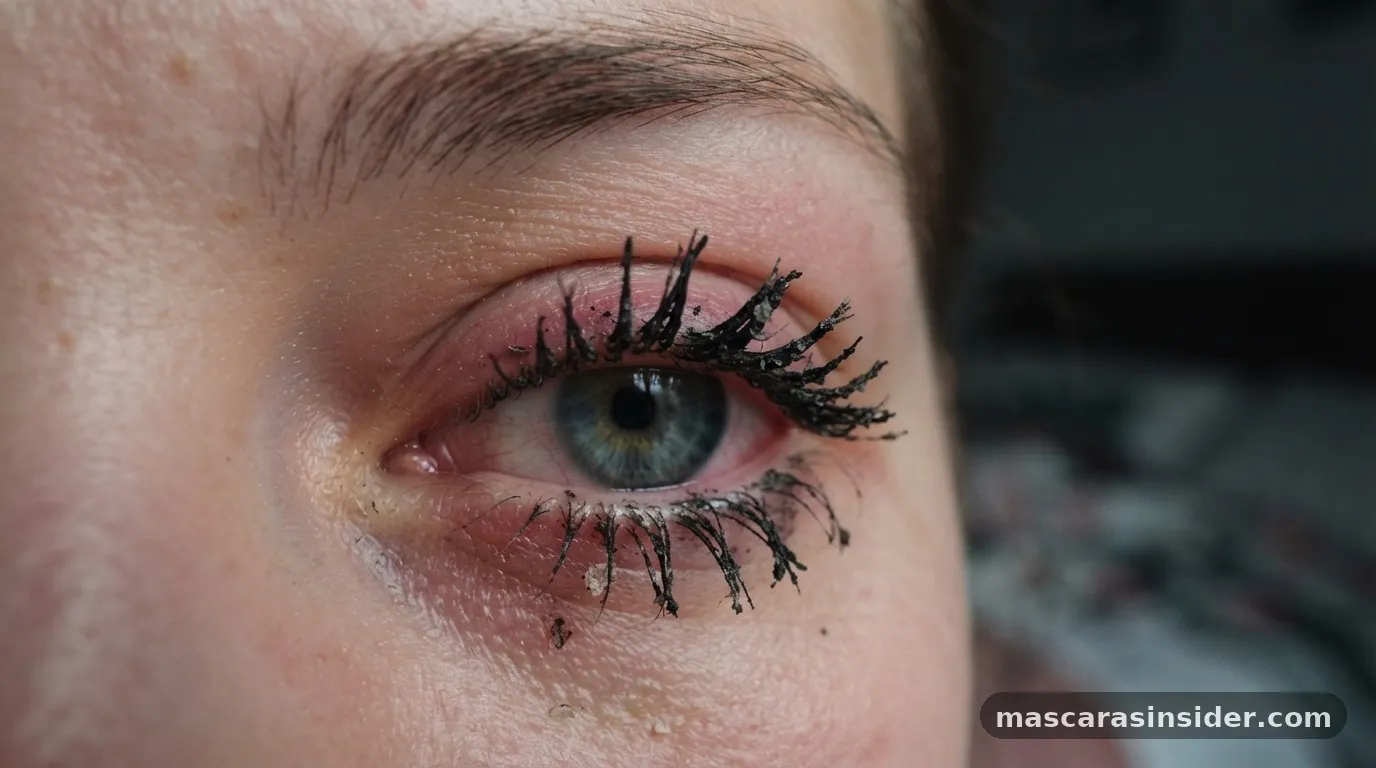
The most immediate danger of sleeping with mascara is the risk of ocular irritation and infection. Your eyes produce tears to lubricate the surface and flush out foreign particles. If you leave eye makeup on, the small particles of pigment and wax can flake off into your eyes while you sleep.
This is not just a minor inconvenience; it is a physical irritant that can scratch the delicate cornea or cause inflammation of the conjunctiva. This condition, often referred to as giant papillary conjunctivitis, can cause red, itchy, and watery eyes that persist long after you wake up.
Furthermore, the margins of your eyelids house the meibomian glands, which are responsible for producing the oily layer of your tears. This oil prevents your tears from evaporating too quickly. When you leave mascara on, the residue can migrate into these gland openings, causing them to become clogged.
When these glands are blocked, you experience dry eye syndrome, which can be painful and impact your vision. According to the American Academy of Ophthalmology, maintaining proper lid hygiene is essential for preventing these types of blockages and ensuring your eyes remain healthy and comfortable throughout the day.
Clogged Pores and Skin Health
Beyond the eyes themselves, the skin surrounding the eye area suffers significantly when makeup is left on. The skin around the eyes is extremely thin and lacks the same density of oil glands found on your cheeks or forehead, making it sensitive to heavy products. When you sleep in mascara, it often smudges onto the delicate skin of the under-eye area and the upper lid.
This residue interferes with your skin’s natural nocturnal renewal process. During sleep, your skin works to repair the barrier and shed dead cells. If that barrier is covered in a layer of synthetic polymers and pigments, you are effectively trapping pollutants against your skin.
This creates a perfect environment for bacterial growth and clogged pores. While you might associate acne with the T-zone, it is entirely possible to develop small, painful bumps or milia around the eyes due to heavy product buildup.
These clogged pores can lead to inflammation, which in turn causes the skin to look aged, tired, and puffy in the morning. By leaving your makeup on, you are forcing your skin to fight against external contaminants instead of focusing on cellular repair, which can lead to premature fine lines and a dull complexion.
The Risk of Concretions and Serious Infections
A more severe, though less discussed, consequence of long-term mascara neglect is the formation of concretions. These are hard, calcified deposits that can form under the eyelid. When tiny particles of mascara consistently make their way into the eye, the body attempts to wall them off or process them as foreign bodies.
Over time, these particles can embed themselves in the conjunctiva, the thin membrane that lines the inside of your eyelids. This can lead to a gritty, sandy sensation that feels like something is permanently stuck in your eye.
In addition to physical deposits, you are also significantly increasing your risk of bacterial infections like styes or blepharitis. Blepharitis is an inflammation of the eyelid that causes red, swollen, and itchy eyelids. It is often caused by bacteria that thrive in the environment created by old, flaky makeup.
Once an infection takes hold, it can be notoriously difficult to treat, often requiring prescription antibiotic drops or ointments. Preventing these issues is far easier than treating them, and the most effective way to do so is to never skip your nightly cleansing routine.
Comparing Removal Methods
It is not enough to just wipe your face with a towel; you need to use the right tools to ensure no residue is left behind. Using harsh soaps or rubbing your eyes aggressively can cause just as much damage as leaving the makeup on. Below is a comparison of common removal methods and their effectiveness for eye health.
| Method | Effectiveness | Impact on Eye Health |
|---|---|---|
| Oil-based Cleansing Balms | High | Gentle, breaks down waterproof formulas without tugging. |
| Micellar Water | Medium-High | Good for sensitive eyes, requires minimal friction. |
| Standard Face Wipes | Low | Often requires harsh scrubbing; can leave residue. |
| Soap and Water | Very Low | Drying; can cause irritation to the ocular surface. |
As indicated in the table, using an oil-based balm or a dedicated eye makeup remover is the safest approach. These products are formulated to dissolve the waxes in mascara, allowing you to lift the pigment away from the lashes without physical force.
If you are prone to dryness, micellar water is a fantastic alternative that cleans without stripping the natural oils from your skin. Always ensure that you are using a clean cloth or cotton pad to avoid introducing new bacteria to the area.
Developing a Sustainable Nightly Routine
The best way to ensure you never sleep with mascara on is to make removal a non-negotiable part of your evening. If you find yourself too tired to wash your face, keep a pack of gentle, alcohol-free makeup removal wipes on your nightstand as a backup.
While a thorough cleanse with a balm or oil is superior, a quick wipe is infinitely better than leaving the product on until morning. Consistency is the key to maintaining the health of your eyelashes and the clarity of your vision.
5. Start by applying a gentle cleanser or balm to your closed eyelids.
6. Let the product sit for thirty seconds to allow the mascara to dissolve.
7.
Use a damp, soft cloth to gently wipe downwards, following the natural direction of your lashes.
8. Rinse your eyes with lukewarm water to remove any lingering traces of the cleanser.
9. Finish with a soothing eye cream if your skin feels tight or dry.
By following these steps every night, you give your eyes the recovery time they need. You will notice that your lashes feel softer, your eyes appear less red in the morning, and your skin looks more refreshed. It takes less than three minutes to perform a proper cleanse, and that small investment of time pays off in the long run by preventing infections and preserving the health of your eyes.
Frequently Asked Questions
Is it okay to nap with mascara on?
Even a short nap can cause issues if your mascara is prone to flaking. If you must nap, try to lie on your back to avoid pressing your lashes into the pillow. However, for the health of your eyes, it is always best to remove all makeup before sleeping.
What is the healthiest mascara to wear?
Look for water-based, hypoallergenic formulas that are free from harsh fragrances and parabens. Tubing mascaras are often considered a healthier choice because they form polymers around the lash that don’t smudge or flake and can be removed easily with just warm water and gentle pressure.
Do I really need to remove my mascara every night?
Yes. Leaving mascara on overnight traps bacteria, clogs the oil glands in your eyelids, and causes your lashes to become brittle and prone to breakage. It significantly increases your risk of developing eye infections, irritation, and chronic dry eye symptoms that can affect your long-term ocular health.
Can sleeping with makeup on cause permanent damage?
While one night is unlikely to cause permanent harm, making it a habit can lead to chronic conditions like blepharitis or permanent damage to the hair follicles, resulting in thinner, weaker lashes. It is better to prioritize hygiene to avoid these preventable complications and maintain your eye health.