
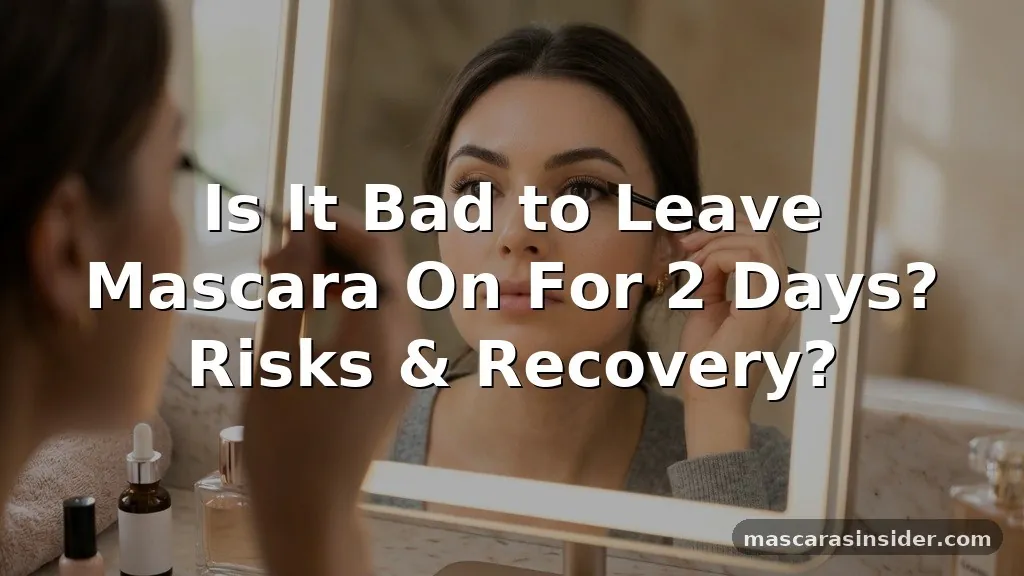
Wondering if it is bad to leave mascara on for 2 days is a common concern after a late night or an exhausting weekend trip. Leaving cosmetic products on your face for an extended period creates a harsh environment for your delicate ocular region, leading to potential health and aesthetic concerns. Understanding the biological impact of trapped pigments helps clarify why letting eye makeup linger creates such a persistent beauty hazard.
The Direct Health Risks to Your Eyes and Eyelashes
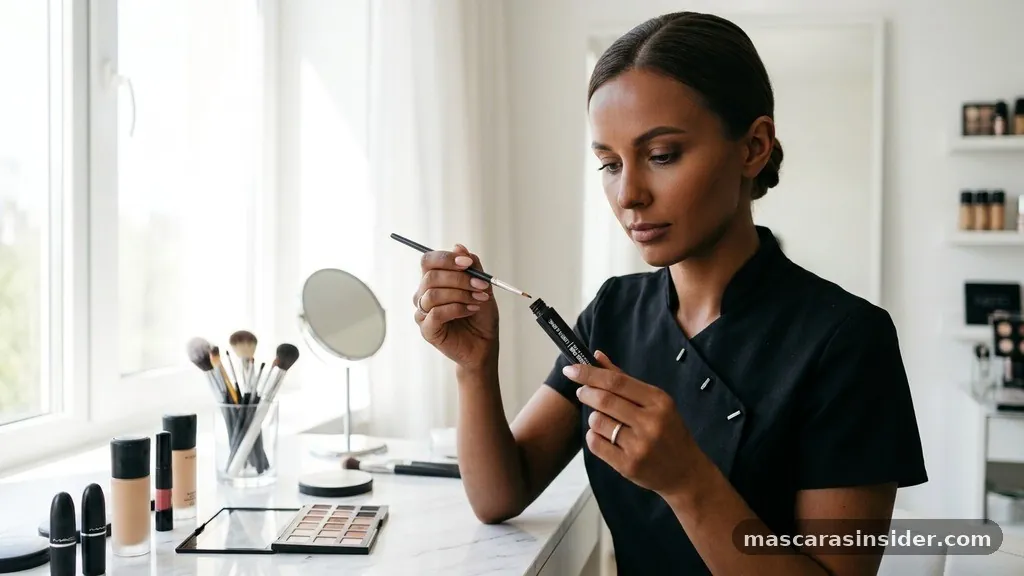
Leaving makeup on for an extended duration can cause serious irritation and compromise ocular health. When you ask yourself whether it is bad to leave mascara on for 2 days, you must consider the physical stress placed on your lashes and the sensitive mucous membranes surrounding them. The formula hardens over forty-eight hours, transforming flexible polymers into rigid structures that trap bacteria and environmental debris against the skin.
As the product ages on your face, it flakes off easily and migrates directly into the eyeball. This mechanical friction can scratch the cornea, resulting in painful abrasions.
Furthermore, the blocked follicles along the lash line can become inflamed, triggering conditions like blepharitis or acute conjunctivitis. The delicate hairs also suffer significantly under this chemical weight, often becoming brittle and snapping off prematurely due to mechanical stress.
- Corneal abrasions caused by hardened flakes falling into the eye
- Bacterial proliferation resulting in painful styes or pink eye
- Increased lash breakage and thinning from structural rigidity
- Chronic inflammation of the meibomian glands along the eyelid
Skin Degradation and Pore Congestion Around the Eyes
The skin surrounding the ocular area is exceptionally thin and prone to rapid aging when neglected. When you leave cosmetic layers untouched for a long period, your natural sebum production mixes with old product to form a stubborn barrier. This trapped debris halts normal cellular turnover and prevents the epidermis from repairing itself properly while you rest.
This prolonged occlusion frequently leads to clogged pores and localized breakouts right along the orbital bone. While heavy foundation often gets blamed for blemishes, eye products contribute equally to localized congestion. Over time, neglecting your nightly skin care routine breaks down collagen production, accelerating the formation of fine lines and causing premature crow’s feet.
Bacterial Proliferation and Microbial Growth in Cosmetics
Cosmetic tubes are essentially warm, dark containers filled with organic compounds, making them prime breeding grounds for microbes. Every time you apply a wand and return it to the tube, you introduce environmental bacteria, skin oils, and dead cells into the formulation. Leaving these substances on your face for two days gives these microorganisms an uninterrupted habitat to multiply exponentially.
When you allow this contaminated residue to sit undisturbed, you dramatically increase your risk of developing a severe bacterial infection. Pathogens thrive in the moist microclimate created by trapped cosmetics, feeding on natural oils and multiplying rapidly. Utilizing expert ophthalmic safety guidelines helps ensure you handle cosmetic expiration dates and daily hygiene with the caution required to protect your vision.
The Cumulative Toll on Delicate Facial Skin
Beyond the immediate ocular hazards, a multi-day neglect cycle wreaks havoc on overall facial equilibrium. The combination of old pigment, natural sweat, and environmental pollutants creates a suffocating film over the epidermis. This prevents the skin from breathing or absorbing beneficial topical treatments, rendering your expensive serums and moisturizers completely ineffective.
Leaving cosmetics untouched through consecutive cycles disrupts the skin barrier’s natural moisture balance. This often leads to paradoxical irritation where the skin becomes simultaneously dry, flaky, and prone to sudden breakouts. The table below outlines how short-term neglect compares to extended neglect in terms of dermatological impact.
| Duration of Wear | Primary Biological Impact | Associated Risk Level |
|---|---|---|
| One Night | Mild dryness, minor lash stiffness, slight irritation | Low to Moderate |
| Two Days | Severe lash breakage, bacterial proliferation, clogged pores | High |
| Extended Period | Corneal abrasion risk, chronic blepharitis, accelerated aging | Critical |
Addressing Common Misconceptions About Makeup Retention
Many people assume that modern formulations are breathable or fortified with conditioning agents that make overnight wear harmless. While manufacturers often include nourishing oils or vitamin extracts in their ingredient lists, these components do not neutralize the physical risks of extended wear. The polymers and waxes designed to provide long-wear hold are precisely what make the product damaging when left on past its sensible expiration window.
Another frequent misconception is that a quick splash of water in the morning fully repairs the damage caused by a neglected routine. Surface washing fails to dissolve waterproof polymers or clear out the microscopic debris lodged deep within the lash roots. Proper cleansing requires a dedicated, gentle solvent designed to break down long-wear formulas without requiring harsh rubbing or pulling on the delicate skin.
Effective Recovery Steps After Prolonged Cosmetic Wear
If you have accidentally kept your makeup on for an extended duration, immediate remedial action is necessary to minimize damage. Begin by using a dedicated, oil-based cleanser or micellar water formulated specifically for sensitive ocular zones. Saturate a soft cotton pad and hold it gently against your closed eyes for thirty seconds to dissolve the hardened polymers before attempting to wipe them away.
Never scrub or pull aggressively at your lashes during this removal process, as weakened hairs will detach easily. Once the pigment is fully gone, follow up with a soothing, hydrating eye cream to restore moisture to the compromised barrier. Give your face a complete cosmetics holiday for at least forty-eight hours to let the skin and follicles recover fully from the ordeal.
Frequently Asked Questions About Extended Makeup Wear
What happens if I leave my cosmetics on for forty-eight hours?
Leaving cosmetic products on for two full days causes significant lash brittleness, trapped bacterial growth, and clogged pores around the eyes. This drastically increases your susceptibility to painful styes, corneal irritation, and accelerated skin aging due to prolonged oxidative stress and barrier disruption.
Is sleeping in cosmetics occasionally dangerous?
Sleeping in your products for a single night is generally more of an aesthetic setback than a medical emergency, though it still causes minor irritation, clogged pores, and lash breakage. The primary danger escalates rapidly when overnight neglect stretches into multiple consecutive days.
How should I safely cleanse my face after a long delay?
Use a gentle, oil-based makeup remover or micellar water applied via a soft cotton pad. Press the damp pad against your closed eyes for half a minute to melt the hardened pigments naturally, preventing the need for harsh rubbing that damages your eyelashes.
Can wearing cosmetics daily harm my lash health?
Daily application is entirely safe provided you thoroughly remove every trace of product before bed and replace your tubes every three months. Neglecting proper nightly hygiene is what ultimately causes structural damage and microbial buildup over time.
Protecting your ocular health requires consistency and mindful hygiene habits, even when you feel exhausted at the end of a long day. Taking a few minutes to clear away old pigments prevents lasting irritation, breakouts, and lash damage. Prioritizing proper evening skincare ensures your eyes remain healthy, vibrant, and clear for years to come.