
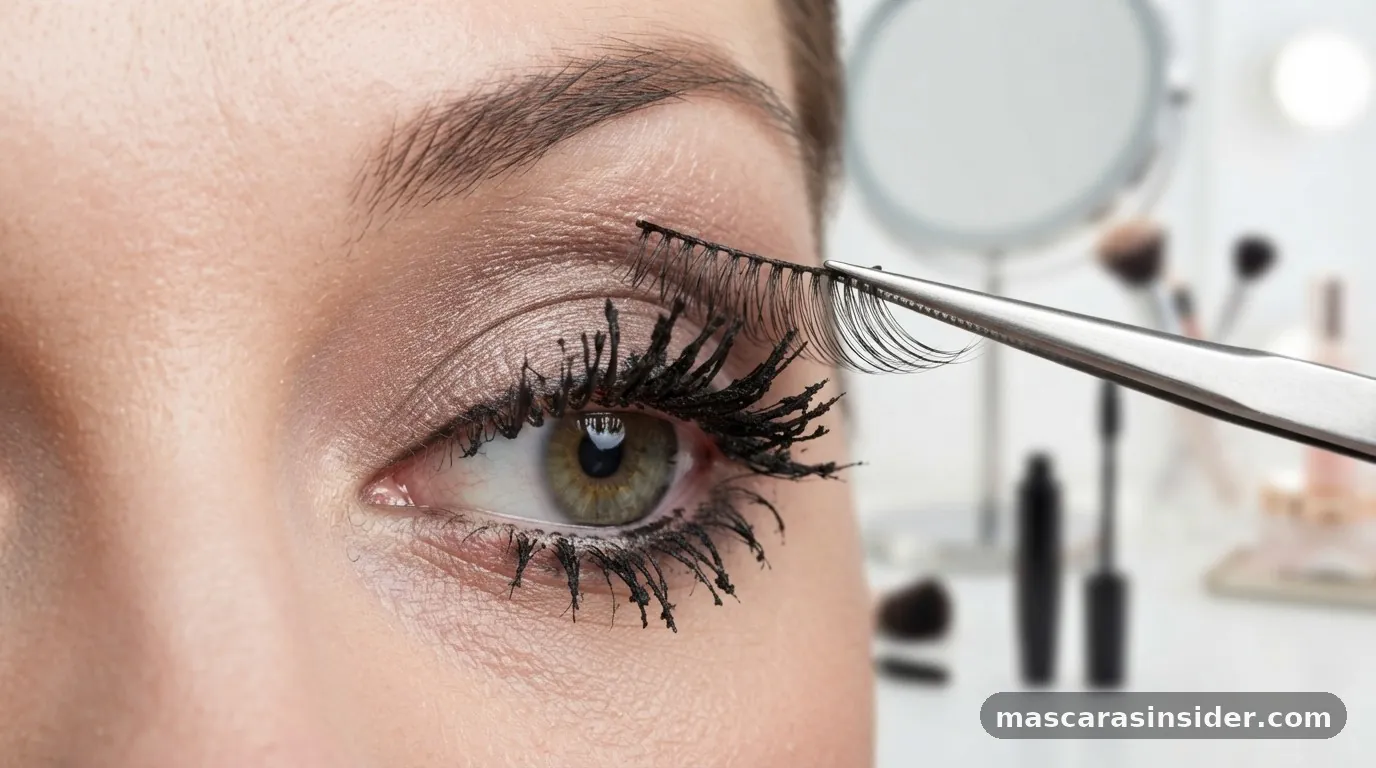
Achieving the perfect eye look often involves a delicate balance of tools and techniques. One of the most common questions beauty enthusiasts ask is: should I put mascara on before fake lashes?
The short answer is that while it is possible, it is usually unnecessary and can actually make the application process more difficult. Most professional makeup artists recommend applying your falsies first to ensure they sit securely against your lash line without clumping or slipping.
Understanding the interaction between your natural lashes and synthetic options is key to a long-lasting, comfortable result. If you are struggling with blending your false eyelashes with your own, you might be tempted to reach for your mascara wand prematurely. However, altering the order of your makeup routine can have significant impacts on the longevity of your lash adhesive and the ease of your cleanup routine.
Why Applying Mascara Before Falsies Is Often Counterproductive
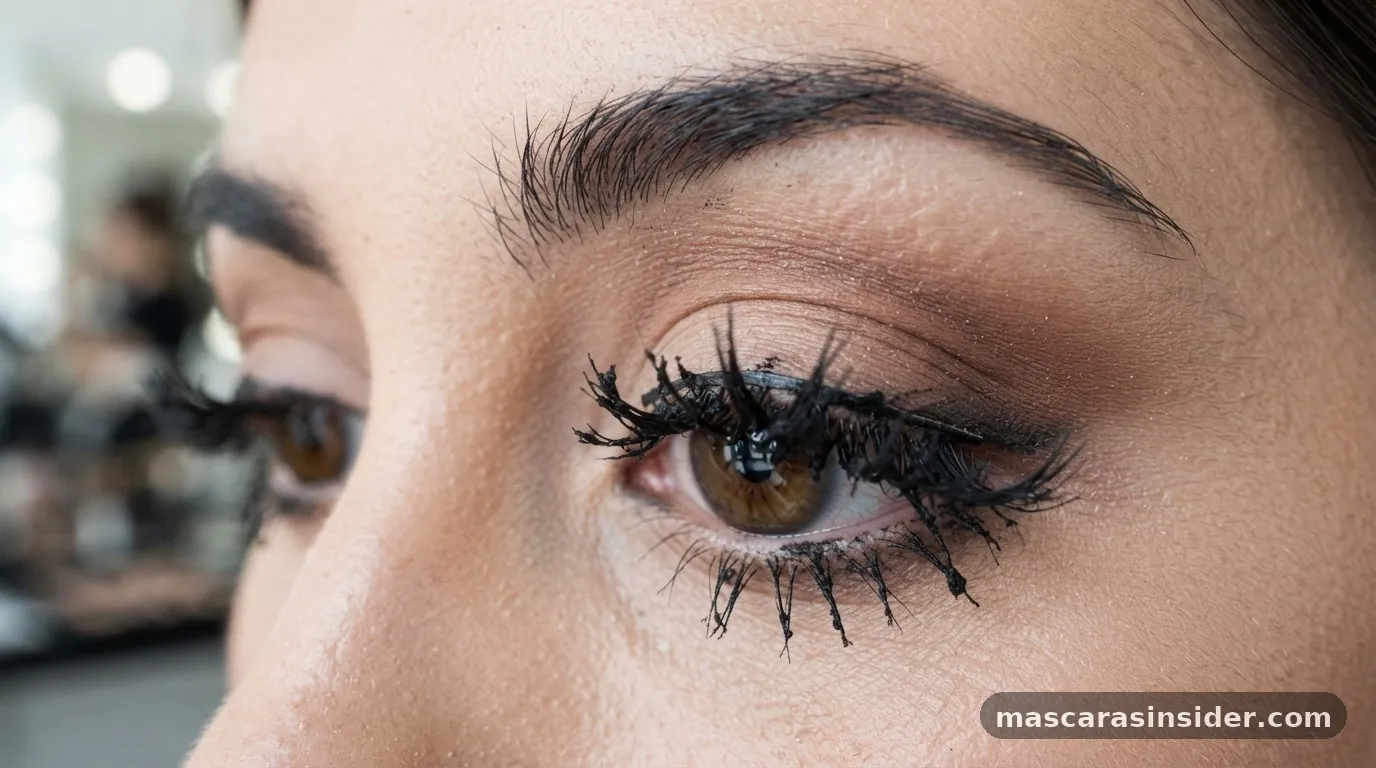
The primary reason to avoid applying mascara before false lashes is that it creates a slippery or uneven surface that prevents the lash band from adhering correctly. When you apply mascara first, the formula coats your natural hairs, which can interfere with the grip of the adhesive. If the glue doesn’t have a clean, stable surface to latch onto, your strip lashes are much more likely to lift or slide throughout the day.
Furthermore, applying a heavy coat of mascara beforehand can make your natural lashes stiff. This stiffness often makes it harder to curl your lashes or position the false ones close enough to the root.
You want your natural lashes to act as a soft, flexible shelf that supports the false strip. If they are already weighed down by thick, drying mascara, they might droop or point in a direction that clashes with the band of your falsies.
Finally, there is the issue of hygiene and product degradation. Mascara contains oils and waxes that can break down the chemical bond of some lash adhesives.
If you accidentally get wet mascara on the lash band during application, it can compromise the structural integrity of the glue, leading to premature detachment. To keep your look pristine, it is almost always better to keep your natural lashes clean until the falsies are securely in place.
The Optimal Sequence for a Flawless Lash Application
To achieve the best results, follow a specific order that prioritizes the structural security of the false lashes. By waiting until the very end to blend your natural lashes with the extensions, you ensure that your makeup remains clean and the adhesive stays intact.
1. Start by curling your natural lashes with an eyelash curler to create a base shape.
2. Carefully measure your strip lashes against your eye to see if they need trimming.
3.
Apply a thin, even layer of lash glue to the band of the false lashes.
4. Wait approximately 30 to 60 seconds for the adhesive to become tacky.
5. Place the strip as close to your lash line as possible, starting from the center and working toward the corners.
6.
Press down gently to ensure the bond is secure across the entire eyelid.
7. Once the glue is completely dry, use a small amount of mascara to blend your natural lashes with the false ones.
By following this sequence, you avoid the common pitfalls associated with pre-application. The glue will bond directly to your skin or the base of your natural lashes, providing a much stronger hold. If you find your natural lashes are still visible beneath the strip, a light touch of mascara at the very end will bridge the gap perfectly without causing a mess.
Common Myths Regarding Mascara and Lash Clusters
A common misconception is that you need to “prime” your lashes with mascara to give the clusters something to grab onto. In reality, modern lash adhesives are designed to bond to skin or the hair cuticle without the need for a base coat. In fact, adding a layer of product can make the application of individual lash clusters much more tedious, as the tweezers used for placement may pick up excess mascara and transfer it onto your eyelids.
There is also a belief that mascara helps “curl” the lashes into the falsies. While it is true that mascara can hold a curl, it is far more effective to use a high-quality mechanical curler before you ever touch a makeup brush. Relying on mascara to force your natural lashes to match the curve of your falsies often results in a “spider-leg” effect where the natural and synthetic lashes clump together in an unappealing way.
If you are a frequent wearer of lash clusters, you may want to consult the FDA guidelines on cosmetic safety to understand the importance of keeping the eye area free of heavy, unnecessary buildup. Minimizing the amount of product near the sensitive skin of the lash line helps prevent irritation and keeps your natural lashes healthier in the long run.
Comparing Application Methods for Different Lash Types
The decision to apply mascara before or after depends largely on the type of lashes you are using. Strip lashes, magnetic lashes, and individual clusters all interact with your natural hair differently. The table below outlines how these common styles compare in terms of application preference and maintenance.
| Lash Type | Mascara Before? | Mascara After? | Key Consideration |
|---|---|---|---|
| Strip Lashes | No | Optional | Focus on band placement first. |
| Individual Clusters | No | Not Recommended | Keep natural lashes clean for better grip. |
| Magnetic Lashes | No | No | Mascara can interfere with magnetic strength. |
| Lash Extensions | Never | Never | Mascara ruins the adhesive bond. |
As indicated in the table, the general rule is to keep mascara away from any style that relies on glue or magnets. For strip lashes, a very light touch after application is acceptable if you feel your natural lashes are too light in color, but for extensions or clusters, it is best to avoid it entirely to preserve the life of the product.
Troubleshooting Common Lash Blending Issues
Even when you follow the recommended order, you might still struggle to make your look appear cohesive. If your natural lashes are sticking out underneath the false ones, it is usually a sign that they were not curled properly before application. A quick fix is to use a heated eyelash curler, which provides a longer-lasting lift that keeps the natural lashes tucked away under the strip.
Another issue is the visibility of the lash band. If you are using a clear adhesive, it might dry with a slight sheen that catches the light.
Using a black adhesive or applying a thin line of liquid eyeliner over the band after the glue has dried is the industry-standard way to hide the base. This method is far superior to using mascara to “cover” the band, as mascara wands are not designed for precise application on the eyelid and often lead to smudging.
If you find that your falsies feel heavy, it is likely due to too much glue or adding extra mascara. Try using a lighter adhesive formula and skipping the mascara step entirely for a few wears. You will likely find that your eyes feel more comfortable and the lashes stay in place for significantly longer periods, especially during humid weather or long events.
The Impact of Product Choice on Your Lash Routine
The tools you choose play a massive role in how well your lashes integrate. High-quality adhesive is the most important factor in whether or not your lashes stay put.
Cheap or old glue is often the culprit behind lifting, rather than the order of your makeup. If you find yourself constantly reaching for mascara to “fix” a gap between your natural and false lashes, it is a sign that your false lashes might not be the right shape for your eye.
Look for lashes with a flexible, thin band. A thick, rigid band is much harder to blend into the lash line and will almost always require extra work to conceal.
By choosing a high-quality product, you reduce the need for corrective makeup. Investing in a good pair of tweezers specifically designed for lash application can also change your experience, allowing you to get the strip as close as possible to the roots without needing to “fill in” the gaps with extra product.
Remember that less is often more. If you are aiming for a natural look, you don’t need a heavy coat of mascara on your own lashes.
A light brush of a volumizing formula on the tips of your natural lashes after the falsies are attached can be enough to create a seamless transition. The goal is to make the natural and false lashes appear as a single unit, not to create a thick, clumpy mess that weighs down your eyelids.
Frequently Asked Questions
- Can I use mascara on my fake lashes to reuse them? It is generally not recommended. Mascara buildup makes the lash band stiff and difficult to clean. If you must use it, ensure you gently remove the residue with an oil-free makeup remover after each wear to extend the life of the lashes.
- Will mascara damage my false eyelashes? Yes, frequent use of mascara on synthetic lashes can cause them to lose their shape and texture. The oils in the formula can degrade the synthetic fibers, leading to a clumpy, disorganized look that is difficult to fix, ultimately shortening the lifespan of your favorite pair.
- Should I apply eyeliner before or after my lashes? Apply your eyeliner before putting on the lashes. This allows you to create a clean line that helps hide the lash band. If you try to apply liner after the lashes are on, you risk getting product on the adhesive and causing the strip to lift prematurely.
- Is it okay to use waterproof mascara with fake lashes? You should avoid waterproof mascara on false lashes at all costs. It requires an oil-based remover to clean, which will dissolve the lash glue instantly. This makes it impossible to remove the mascara without ruining the adhesive bond holding your falsies in place.
Maintaining a consistent routine is the best way to improve your lash application skills. By testing these methods, you will find what works best for your specific eye shape and the type of falsies you prefer.
Always prioritize the health of your natural lashes by being gentle during removal and avoiding excessive product buildup. With the right technique, you can enjoy a beautiful, full-lash look every day without compromising the integrity of your makeup or your natural hair.