

Deciding whether you can put mascara on fake eyelashes is a common dilemma for anyone looking to achieve a seamless, dramatic look. While many beauty enthusiasts wonder if adding extra pigment will ruin their falsies, the answer depends largely on the material of the lash and your application technique. When done correctly, integrating your natural lashes with synthetic ones creates a cohesive, voluminous finish that hides the lash band.
However, applying product incorrectly can lead to clumping, damage, or premature wear. This article explores how to safely enhance your eye makeup while keeping your favorite strips or clusters in pristine condition for multiple uses.
Understanding the Compatibility of Mascara and Falsies
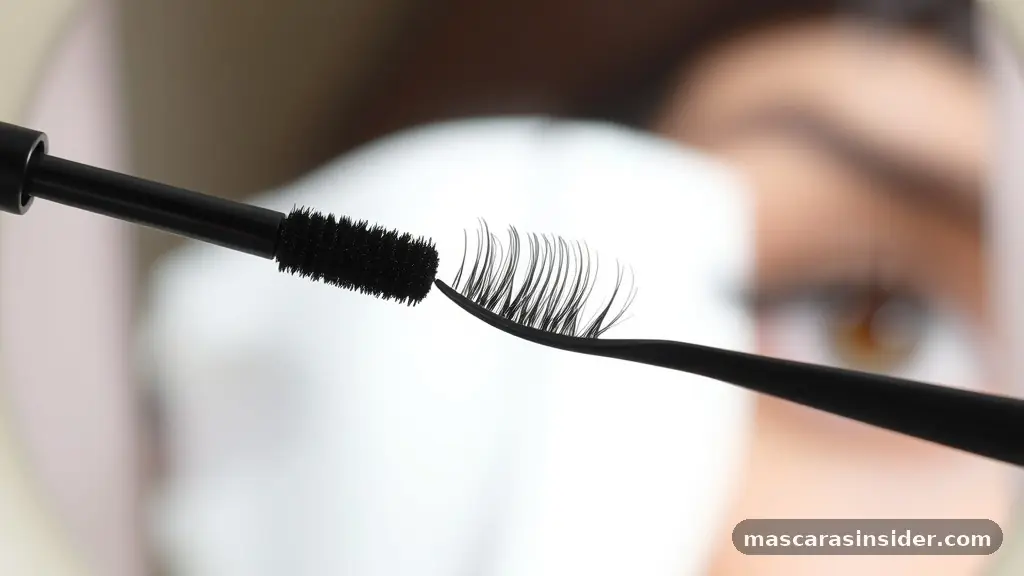
Many people ask if they can put mascara on fake eyelashes, and the short answer is yes, provided you approach it with care. Synthetic fibers, such as those made from high-quality faux mink or silk, behave differently than natural hair.
If you use a heavy, waterproof formula, you might find it difficult to remove the product without pulling on the delicate lash band. This stress can cause the band to warp or the individual fibers to lose their shape over time.
To maintain the longevity of your falsies, consider the weight and texture of the product you choose. Lightweight, water-soluble formulas are generally safer because they wash away easily during the cleaning process. If you apply a thick, sticky layer, you risk creating a clumpy appearance that distracts from the fluttery effect you intended to create.
The goal is to blend your real hairs with the artificial ones, not to coat the entire strip in thick black gunk. Focus on the base where your natural hairs meet the false band to ensure a seamless transition between the two layers.
Best Practices for Blending Natural and Artificial Lashes
The secret to a professional result lies in the order of operations. Most makeup artists recommend applying a light coat of product to your natural lashes before you attach the strips.
By doing this, you provide a tacky, dark base that helps the fake eyelashes sit securely against your lash line. Once the adhesive has dried and the strips are firmly in place, you can lightly touch up the tips to merge the two sets together.
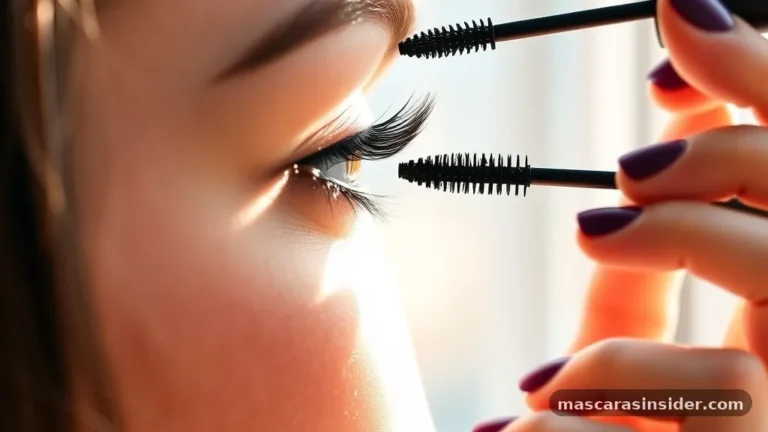
When you decide to apply mascara after the lashes are secured, use a very light hand. You do not need to coat the entire length of the synthetic fibers; instead, focus on the roots. Use a clean, spoolie brush to comb through the lashes immediately after application.
This simple step prevents the dreaded “spidery” look and ensures that the separation remains crisp and defined throughout the day. If you notice any stubborn clumps, a metal lash comb is an essential tool to have on hand for quick corrections.
Why Material Matters for Longevity
Not all lash products are created equal, and the material of your falsies plays a significant role in how well they handle extra makeup. Synthetic silk or faux mink lashes are generally more resilient than delicate, real mink varieties.
Real fur lashes are porous and can easily absorb oils and waxes from your eye makeup, which makes them difficult to clean and prone to losing their curl. If you are using luxury, high-end lashes, it is usually best to avoid applying any product to them entirely to preserve their texture.
On the other hand, drugstore-grade synthetic strips are often designed to be disposable or semi-reusable. Because these are more durable, they can withstand an occasional coat of pigment without falling apart.
If you find yourself needing extra volume, look for specific products labeled as safe for use with extensions or false strips. You can learn more about proper eye health and hygiene by visiting the American Academy of Ophthalmology regarding safe cosmetic application near the eye area.
Avoiding Common Mistakes That Ruin Your Falsies
One of the biggest mistakes users make is applying mascara to the entire length of the fake lash, which adds unnecessary weight. The added mass can cause the band to lift at the corners, leading to a frustrating experience where you have to re-glue your lashes halfway through the evening. Additionally, over-applying product makes the fibers appear stiff and unnatural, detracting from the soft, wispy aesthetic that most people prefer.
Another common error involves using waterproof formulas exclusively. Waterproof products are notoriously difficult to remove from synthetic fibers. When you try to scrub them off, you often end up tugging on the band, which can cause the delicate spine to snap or lose its flexibility.
If you insist on using a waterproof formula, you must use an oil-based makeup remover to dissolve the wax. However, oil can degrade the adhesive bond if it seeps into the lash line, so proceed with extreme caution.
Techniques for Achieving Maximum Volume
If your primary goal is to increase volume, you may feel tempted to layer on as much product as possible. However, the most effective way to gain fullness is to choose a lash style that already offers the desired density.
If you still want to enhance the look, focus your application on the center of the eye. By adding a tiny bit of extra pigment to the middle of the lash line, you create an open-eyed, doll-like effect that looks sophisticated rather than messy.
- Use a light, water-soluble formula to prevent heavy build-up.
- Apply product only to the base where the natural and artificial lashes meet.
- Use a clean spoolie to comb through the lashes to remove excess clumps.
- Avoid the very tips of the lashes to maintain a natural, tapered look.
- Select a lash style that already matches your desired volume to reduce the need for extra products.
How to Clean Falsies After Using Mascara
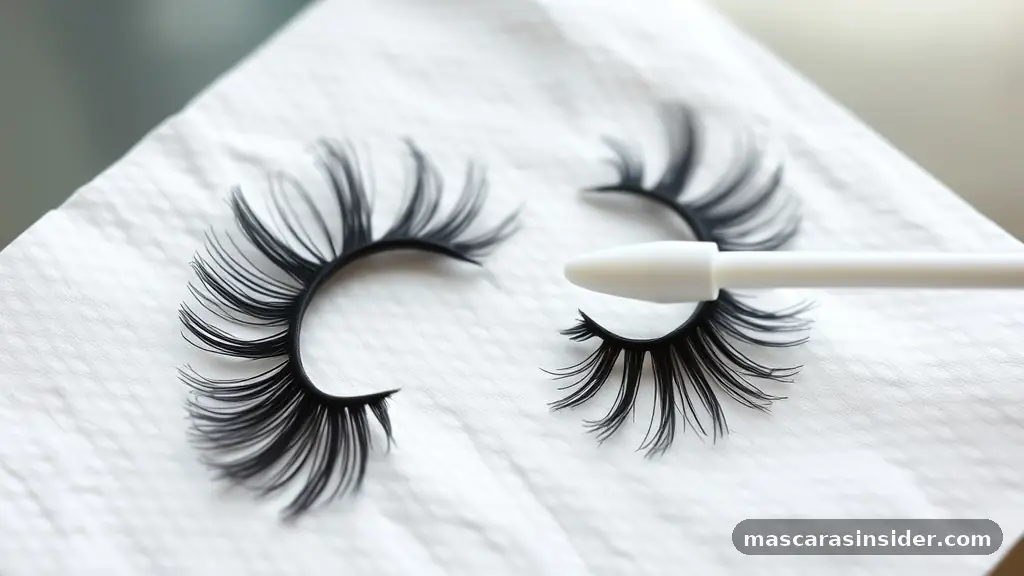
Cleaning your lashes is a non-negotiable step if you want to extend their life. If you have applied any type of pigment or liner to them, you must remove it gently.
Start by placing the lashes on a paper towel and using a cotton swab dipped in micellar water or a gentle, oil-free cleanser. Carefully wipe the residue from the fibers, starting at the root and moving toward the tip.
Never soak your lashes in water or harsh removers, as this can destroy the band’s structure and cause the fibers to shed. Once you have cleaned away the makeup, allow the lashes to air dry completely before returning them to their storage tray. Proper storage is just as important as cleaning; keeping them in their original case helps them maintain their curvature and prevents dust from settling on the sticky residue of your makeup.
Comparing Different Lash Types and Makeup Compatibility
Understanding how different lash types react to cosmetic products can save you money in the long run. Some lashes are designed to be “pre-mascaraed,” meaning they already have a slight coating to mimic the look of natural hair. Adding more to these can lead to an overly heavy look.
| Lash Type | Compatibility with Mascara | Longevity |
|---|---|---|
| Synthetic Silk | High | Long-lasting |
| Real Mink | Low | Delicate |
| Magnetic Lashes | Moderate | Depends on magnet strength |
| Lash Clusters | High | Best for blending |
The Role of Eyeliner in Blending
Sometimes, you do not even need to add product to the fibers themselves to get a cohesive look. A well-placed line of liquid or gel eyeliner can do most of the heavy lifting.
By drawing a thin line along your upper lash line, you effectively camouflage the band of the falsies. This technique creates the illusion of fullness without putting any stress on the synthetic fibers.
If you choose to use eyeliner, apply it before you secure the strips. Once the lashes are on, you can go back and fill in any tiny gaps between the band and your natural lash line. This method is far superior to coating the lashes in product because it keeps the synthetic fibers clean, soft, and flexible, which is essential if you want to wear the same pair of lashes multiple times.
Managing Lash Clusters and Individual Pieces
If you are using lash clusters, the rules change slightly. Because these are applied in smaller sections, they are much easier to blend with your natural lashes. Many users find that applying a light coat of mascara to their own lashes first, then placing the clusters, and finally doing a very light “squeeze” with an eyelash curler works best.
Be very careful if you decide to use a curler after applying clusters. If you clamp too hard, you risk pulling the clusters off or bending the synthetic hairs into an unnatural shape.
Always use a gentle touch and ensure the glue has had plenty of time to set before you introduce any mechanical pressure. Using a bond-and-seal system specifically designed for clusters is also a great way to avoid the need for traditional mascara altogether.
Addressing Topical Gaps in Lash Care
A common concern is whether the chemical ingredients in standard eye makeup will dissolve the adhesive used for false lashes. Most lash glues are latex-based or cyanoacrylate-based.
While standard mascara is generally safe, some formulas contain oils or solvents that can weaken the glue bond. If you notice your lashes lifting at the inner or outer corners throughout the day, it is likely that your makeup or skincare products are interfering with the adhesive.
To solve this, ensure your eyelids are completely clean and oil-free before application. Using a small amount of translucent setting powder on your eyelids can also help absorb excess oils that might break down the glue. If you are prone to watery eyes, consider using a waterproof glue rather than trying to make your lashes waterproof with extra layers of mascara.
Frequently Asked Questions
Is it better to apply mascara before or after putting on fake lashes?
It is generally better to apply a thin coat to your natural lashes before attaching the falsies. This provides a dark, tacky foundation that helps the strips sit closer to your lash line and makes the overall look appear more natural and cohesive.
Can I use waterproof mascara on my fake eyelashes?
It is not recommended. Waterproof formulas contain waxes and oils that are very difficult to remove without damaging the synthetic fibers or the lash band. Stick to water-soluble, gentle formulas to ensure your lashes remain in good condition for multiple uses.
Will mascara ruin my fake lashes?
Yes, it can. If you apply too much or use the wrong type, it causes clumping and adds unnecessary weight. This can lead to the band warping or the fibers becoming brittle, significantly reducing the number of times you can wear them before they need to be replaced.
How do I make my lashes look natural if I want to wear mascara with them?
Focus the product only on the roots where your natural lashes meet the fake ones. Use a clean spoolie to comb through the fibers immediately after application to ensure they remain separated, wispy, and free of clumps. This keeps the look soft and realistic.
Conclusion
Integrating your natural look with artificial enhancements is a skill that improves with practice. Whether you choose to apply mascara to fake eyelashes or prefer to rely on eyeliner for blending, the most important factor is the health and longevity of your chosen accessories. By opting for lightweight formulas, focusing on the roots, and maintaining a strict cleaning routine, you can enjoy a glamorous, high-volume look without sacrificing the quality of your favorite sets.
Remember that the goal of wearing lashes is to enhance your natural beauty, so keep your application light and intentional. With these techniques, you will find that achieving a seamless, professional finish becomes second nature, allowing you to experiment with different styles and looks with complete confidence.