
Many people worry that their daily beauty routine might be causing long-term damage, often wondering if mascara is bad for your eyelashes when used regularly. While this makeup product is a staple in most cosmetic bags, the physical weight and chemical composition of these formulas can interact with delicate hair follicles in ways that aren’t immediately obvious.
Understanding the relationship between your cosmetic habits and the health of your lashes is essential for maintaining natural length and density. By looking closer at how you apply, wear, and remove these products, you can ensure that your daily routine supports rather than hinders the vitality of your eyes.
The Anatomy of Eyelash Health
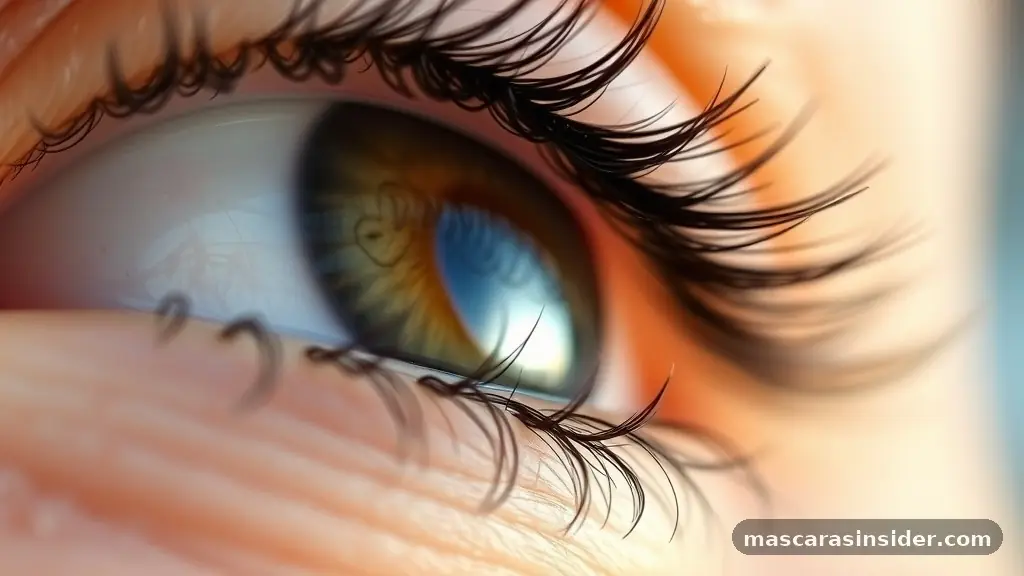
To understand the impact of cosmetics, you must first recognize that an eyelash is essentially a specialized hair follicle. Just like the hair on your scalp, each lash goes through a growth cycle consisting of the anagen (active growth), catagen (transition), and telogen (resting) phases. When you apply makeup, you are coating these fine hairs in polymers, waxes, and pigments that can alter their flexibility and weight.
Eyelashes serve a protective function, shielding the eye from dust, debris, and sweat. Because they are designed to be sensitive, any external stressor—such as constant tugging or the accumulation of dried product—can interfere with their natural shedding process.
If you force your lashes to hold a heavy, stiff coating for sixteen hours a day, you are essentially asking thin, delicate hair to support a structural load it wasn’t designed for. This is why many people notice thinning over time if they aren’t diligent about proper care and cleaning routines.
How Waterproof Formulas Affect Lash Integrity
When discussing whether mascara is bad for your eyelashes, waterproof varieties often come under the most scrutiny. These formulas rely on volatile silicones and heavy waxes designed to repel water, which makes them incredibly difficult to remove without significant friction. The primary issue isn’t necessarily the ingredients themselves, but the mechanical stress required to dissolve them at the end of the day.
If you find yourself scrubbing your eyes with a cotton pad or a washcloth to remove stubborn waterproof makeup, you are likely causing physical trauma to your lash line. This action can lead to premature shedding, where lashes are pulled out before they have finished their natural lifecycle.
Over months or years, this repetitive trauma can cause the follicle to weaken, resulting in thinner, shorter lashes that struggle to regain their original health. If you choose to wear these long-lasting formulas, you must invest in high-quality oil-based cleansers that melt the product away without requiring harsh rubbing.
The Role of Daily Wear and Product Buildup
Wearing makeup every single day isn’t inherently dangerous, but the cumulative effect of product buildup can certainly be problematic. Mascara contains preservatives to prevent bacterial growth, yet these substances can sometimes cause irritation or dryness if they remain on the lashes for too long. When you don’t fully remove every trace of product, the residue can clog the hair follicle at the base of the lash, potentially leading to inflammation or even styes.
Furthermore, dried mascara makes lashes brittle. If you touch your eyes or rub them while wearing a stiff, dry layer of product, those lashes are much more likely to snap or break off. Think of it like hairspray on your scalp; if you were to comb through hair that has been frozen in place by heavy product, you would expect some breakage.
The same physics applies to your lashes. To maintain healthy hair, you should aim for “makeup-free days” when possible, allowing the lashes to remain clean, flexible, and free from the weight of synthetic pigments.
Identifying Ingredients That Cause Irritation
Not all makeup is created equal, and some formulations are significantly harsher than others. You might find that your eyes feel itchy, red, or watery after using certain brands, which is a clear sign that the ingredients are not agreeing with your skin.
Common culprits include heavy fragrances, parabens, and certain types of synthetic dyes. These substances can cause contact dermatitis, an inflammatory reaction that affects the skin around your eyes and can lead to lash loss.
If you are sensitive, look for products that are ophthalmologist-tested and labeled as hypoallergenic. It is also helpful to monitor the expiration date of your cosmetics.
Mascara has one of the shortest shelf lives of any beauty product—usually three months—because the wand constantly introduces bacteria from your eye area back into the tube. Using an expired product increases the risk of infection and irritation, which can significantly damage the health of your lash follicles over time.
The Importance of Proper Removal Techniques
The most critical factor in determining if mascara is bad for your eyelashes is how you remove it. Many people treat their lashes as an afterthought during their skincare routine, but they require the same gentle care as the skin on your face. Using a dedicated eye makeup remover is almost always superior to using a standard face wash, as it is formulated to break down waxes and pigments specifically.
Follow these steps for the healthiest removal process:
- Saturate a soft, lint-free cotton pad with a gentle, oil-based or micellar cleanser.
- Press the pad against your closed eyelid for 15 to 20 seconds to allow the product to dissolve the mascara.
- Gently swipe downwards, following the natural direction of your lash growth.
- Avoid back-and-forth scrubbing motions that bend and break the hair.
- Use a clean cotton swab dipped in remover to clean any remaining pigment from the lash line.
Comparing Makeup Types and Their Impact
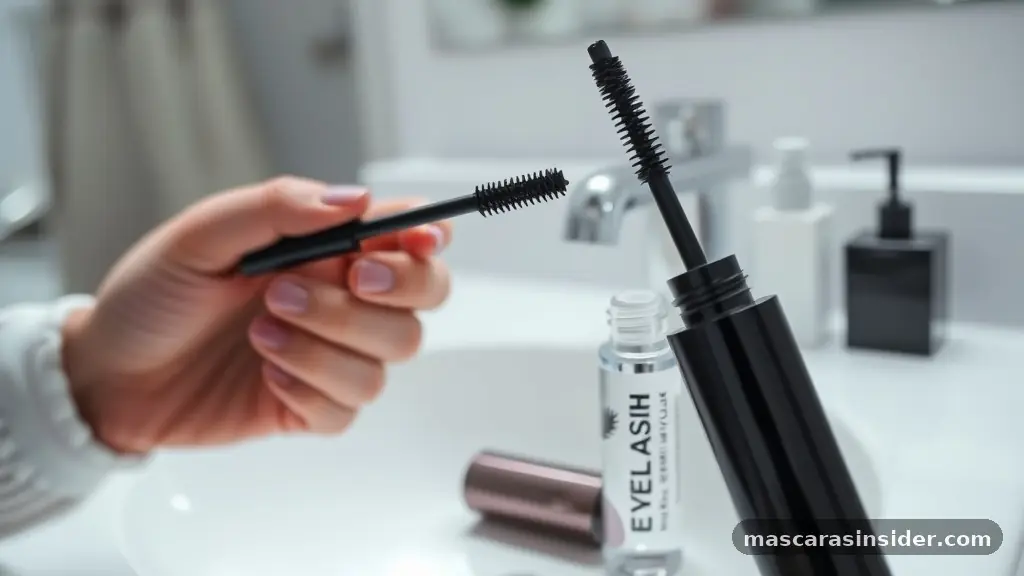
Different types of lash-enhancing products offer varying levels of risk to your natural lashes. Understanding these differences can help you make a more informed choice about your daily routine.
| Product Type | Ease of Removal | Risk of Breakage |
|---|---|---|
| Waterproof Mascara | Low | High |
| Tubing Mascara | High | Low |
| Volumizing/Fiber Mascara | Medium | Medium |
| Clear Mascara | High | Very Low |
Tubing mascaras are often considered the safest option for daily use. Unlike traditional formulas that coat the hair in wax, these products form tiny, polymer “tubes” around each lash. They slide off easily with warm water and gentle pressure, eliminating the need for harsh rubbing or oil-based removers.
Can Makeup Actually Help Your Lashes?
Interestingly, the beauty industry has moved toward hybrid products that combine cosmetic effects with conditioning agents. Many modern mascaras are now infused with ingredients like panthenol, biotin, and castor oil, which are designed to nourish the hair while providing color. While these ingredients won’t necessarily cause overnight growth, they can help keep the lashes hydrated and flexible, reducing the likelihood of brittleness.
However, you should remain skeptical of marketing claims. A mascara is primarily a cosmetic tool, not a medical treatment.
If you are looking for significant improvements in length or density, a dedicated lash serum—often recommended by the American Academy of Ophthalmology—is a more effective approach than relying on makeup alone. These serums typically contain peptides or prostaglandin analogs that support the growth cycle, whereas mascaras are simply providing a temporary aesthetic enhancement.
Environmental Factors and Lifestyle Habits
Your lifestyle plays a larger role in lash health than you might expect. If you live in a dry climate or spend a lot of time in air-conditioned environments, your lashes are more prone to dryness.
This makes them brittle and less resilient against the physical stress of makeup application. Additionally, diet is a major contributor; a lack of essential vitamins, particularly B-vitamins and iron, can lead to weaker hair growth throughout the body, including the eyes.
If you wear contact lenses, you are also at a higher risk for eye irritation, which can lead to rubbing. When you rub your eyes, you are physically pulling on the lashes.
If those lashes are already weighed down by layers of mascara, the force applied to the follicle is magnified. Being mindful of these environmental stressors and keeping your eyes hydrated with artificial tears can help you maintain a healthier lash line, even if you choose to wear makeup daily.
When to Take a Break
There are specific signs that indicate your lashes need a vacation from your makeup bag. If you notice an increase in the number of lashes on your cotton pad during removal, or if your lash line looks sparse and uneven, it is time to pause. Redness, swelling, or a persistent gritty feeling in your eyes are also clear indicators that your current routine is causing irritation.
Taking a one-week break allows the follicles to recover and gives you a chance to observe your natural lash state. During this time, focus on gentle cleansing and perhaps apply a light layer of castor oil or a lash conditioner at night.
If your lashes seem to “bounce back” after a few days of being bare, it confirms that the product was indeed the source of the stress. You don’t have to give up makeup forever, but rotating between different formulas or taking regular breaks will significantly improve your long-term results.
Addressing Common Misconceptions
A common myth is that cutting your lashes will make them grow back thicker. This is entirely false; cutting the tips of your lashes only removes the tapered end, making them look blunt and stubby.
Similarly, many people believe that clear mascara is harmless. While it lacks the heavy pigments of traditional formulas, it still contains waxes and polymers that can cause stiffness and breakage if not removed properly.
Another misconception is that using an eyelash curler is the primary cause of damage. While a curler can cause breakage if used after the mascara has dried—essentially snapping the hair—using it on clean, bare lashes is generally safe if performed correctly. The key is to avoid “crimping” the lashes.
Instead, use a gentle, pulsing motion at the base of the lash and move outwards. By correcting these common misunderstandings, you can curate a routine that prioritizes the health of your eyes without sacrificing your desired look.
Frequently Asked Questions
Are eyelashes healthier without mascara?
Yes, eyelashes are generally healthier when left completely bare. Without the weight of synthetic waxes and pigments, the follicles can breathe, the hair remains flexible, and there is zero risk of physical trauma from the removal process. Going without makeup allows your natural growth cycle to proceed uninterrupted.
Is it bad to wear mascara daily?
Wearing it daily isn’t inherently damaging if you use high-quality products and, more importantly, practice gentle removal techniques. The primary risk comes from the mechanical stress of scrubbing off stubborn formulas and the potential for clogged follicles if the product isn’t thoroughly cleaned away every single night.
What mascara is healthiest for your eyelashes?
The healthiest mascaras are those that are ophthalmologist-tested, fragrance-free, and easy to remove. Tubing mascaras are frequently cited as the best option because they slide off with warm water, eliminating the need for harsh rubbing or oil-based solvents that can pull out lashes during the cleaning process.
Does mascara on lower lashes age you?
Applying dark, heavy mascara to the lower lashes can draw attention to fine lines and shadows under the eyes, which may create an aging effect. Furthermore, the skin under the eyes is thinner and more sensitive, making it more susceptible to irritation from any product that smudges or flakes throughout the day.
Conclusion
Ultimately, the answer to whether mascara is bad for your eyelashes depends entirely on your habits. While the makeup itself is a safe cosmetic tool, the way it interacts with your lash follicles—specifically during the removal process—is where damage occurs. By choosing the right formulas, prioritizing gentle cleansing, and taking regular breaks, you can enjoy the aesthetic benefits of makeup while keeping your natural lashes strong and vibrant.
Your eyes are delicate, and treating them with care is the best way to ensure they remain healthy for years to come. Start by evaluating your current removal routine and consider switching to a gentler formula if you notice any signs of thinning or irritation. If you’re ready to improve your lash health, try a week-long break and observe the difference in your natural lash resilience.
Meta Description: Is mascara bad for your eyelashes? Learn the truth about daily makeup wear, how to prevent lash loss, and the safest removal techniques for healthy eyes.