
Knowing how long does mascara last unopened is a common concern for beauty enthusiasts who like to stock up on their favorite items during sales. While it is tempting to keep a backup stash in your vanity, makeup formulations have a definitive shelf life that dictates their safety and performance. Understanding these timelines ensures that you protect your vision and maintain the quality of your application.
Most beauty experts agree that unopened cosmetics, particularly liquid eye products, possess a limited window of stability. Even if the seal remains intact, the chemical composition of the formula eventually begins to degrade. By learning the signs of aging in your products, you can avoid the risks associated with applying compromised cosmetics near your sensitive eye area.
Understanding the Shelf Life of Unopened Cosmetics
When considering how long does mascara last unopened, the industry standard typically points to a period of two to three years. This estimate assumes that the product has been stored in a cool, dry, and dark environment away from direct sunlight or extreme temperature fluctuations. Manufacturers design these formulas to remain stable within their sealed packaging for this duration, provided they are not subjected to environmental stressors.
The chemistry inside the tube relies on a precise balance of preservatives, waxes, pigments, and water. Over time, even without air exposure, these ingredients may undergo subtle phase changes or separation. While a product might not be technically dangerous the day after its two-year anniversary, its performance—such as the ability to coat lashes smoothly or resist clumping—will likely diminish significantly.
The Role of Storage Conditions in Longevity
Storage plays a massive role in whether your makeup reaches its maximum potential shelf life. Many people store their backup cosmetics in bathrooms, which is arguably the worst environment for any beauty product. The frequent fluctuations in humidity and temperature caused by showers and hot water can accelerate the degradation of the stabilizing agents inside the tube.
To keep your stock in peak condition, store your items in a dedicated vanity drawer or a cool, climate-controlled closet. Avoid placing them near radiators, windows, or any appliance that generates heat. If you live in an area with extreme seasonal heat, keeping your unopened stock in a climate-controlled room is essential to preventing the ingredients from breaking down prematurely.
Recognizing the Signs of an Expired Product
Even when a product has been stored perfectly, it will eventually expire. Before you ever use a new tube, you should perform a quick visual and sensory check. If the packaging appears bloated, or if there is any visible leakage around the cap, the seal may have been compromised during transit or storage.
Once you open a tube, the countdown changes drastically. However, if you are checking an unopened item that has been sitting for a long time, look for changes in the consistency or smell.
If the product emits a sharp, chemical, or sour odor, or if you can see a thick, oily residue separated from the pigment, it is time to discard it. You can find more information on product safety standards at the FDA cosmetics labeling guide to help you understand what information manufacturers are required to provide.
The Difference Between Unopened and Opened Mascara
There is a significant distinction between the shelf life of a sealed product and one that has been introduced to the air. Once you remove the wand from the tube, you introduce oxygen and potential contaminants. This begins an accelerated clock, usually limiting the life of the product to three months.
Unopened products are protected by a vacuum seal that keeps the internal environment sterile. Once this seal is broken, the preservatives in the formula begin to fight off the bacteria introduced by the wand. Because the eye area is extremely susceptible to infections, it is vital to respect this three-month window once you start using a tube, regardless of how long it sat in your drawer before that point.
Why Bacteria Growth Is a Major Concern
The primary reason for replacing eye products regularly is the risk of microbial contamination. When a wand is pulled out of the tube and used on your lashes, it picks up skin cells, oils, and bacteria, which are then pushed back into the container. Over time, this creates a breeding ground for microorganisms that can lead to irritation or more serious eye infections.
Even if you are careful, it is impossible to keep the wand completely sterile over months of daily use. Because the eye is a mucous membrane, it is highly sensitive to the introduction of foreign bacteria. Using a product that has been sitting for years, even if it was technically unopened for part of that time, increases the risk that the preservative system has weakened and can no longer effectively neutralize these contaminants.
Guidelines for Tracking Your Makeup Inventory
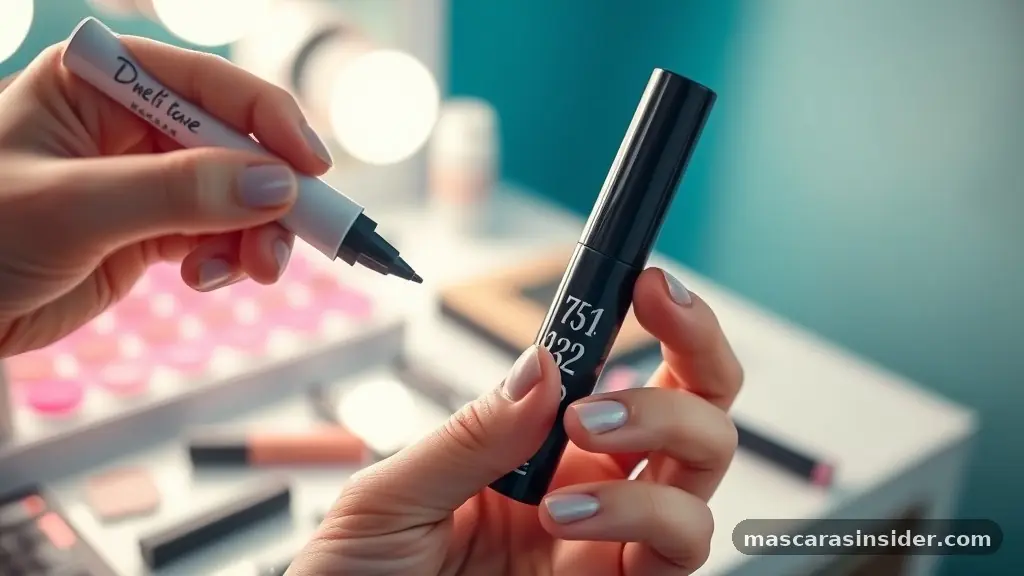
If you enjoy buying backups, you need a system to track when you purchased them. Many people use a small permanent marker to write the date of purchase on the bottom of the tube. This simple habit takes only a second but provides clarity when you are deciding whether a specific tube is still safe for use.
You might also consider keeping a digital inventory or a simple notebook if you have a large collection. By recording the date you acquired the item, you can ensure that you are using your oldest stock first. This “first-in, first-out” method prevents products from sitting in the back of your drawer for years, only to be discovered long after their expiration date has passed.
Comparing Shelf Life Across Different Makeup Types
It is helpful to understand how other products compare to your eye makeup. While liquids and creams generally have shorter shelf lives due to their water content, powders can often last significantly longer. The following table provides a general reference for the expected shelf life of various unopened beauty items.
| Product Category | Average Unopened Shelf Life | Life After Opening |
|---|---|---|
| Mascara | 2-3 Years | 3 Months |
| Liquid Eyeliner | 2 Years | 3-6 Months |
| Foundation (Liquid) | 2 Years | 6-12 Months |
| Powder Blush/Eyeshadow | 3+ Years | 1-2 Years |
How to Identify Expiration Dates on Packaging
Most manufacturers include a “Period After Opening” (PAO) symbol on the packaging, which looks like a small open jar with a number and an “M” inside. For example, “6M” means the product is good for six months after it is first opened. However, this symbol does not always indicate the total shelf life of an unopened item.
Some brands include a specific expiration date printed on the bottom of the box or the tube itself. If you see a date, always prioritize that over general guidelines.
If there is no specific date, you can often find a batch code printed on the container. Many websites allow you to input these codes to determine the exact date of manufacture, which helps you calculate how long the item has been sitting on the shelf.
Common Mistakes That Shorten Product Life
Many beauty users unknowingly compromise their products through daily habits. One of the most common mistakes is “pumping” the wand in and out of the tube to get more product.
This action forces air into the container, which dries out the formula and encourages the growth of bacteria. Instead, swirl the wand gently against the sides of the tube to pick up the product.
Another error is sharing your makeup with others. Even if someone else is healthy, their eyes contain different bacteria than yours, and transferring these microorganisms into your tube can cause an immediate reaction. If you are doing someone else’s makeup, always use disposable applicators rather than the original wand to maintain the integrity of your product.
Addressing Topical Gaps: Can You Use Expired Makeup?
A common question is whether it is ever safe to use a product that has passed its expiration date. While a product might not cause an immediate reaction, the preservatives have likely degraded to the point where they are no longer effective at preventing microbial growth. Using such products is a gamble with your health.
If you find an item in your collection that is years past its date, the safest course of action is to dispose of it. The cost of a new tube is far less than the cost of treating an eye infection or dealing with chronic irritation. Always prioritize your health over the desire to finish every last drop of a product that has exceeded its functional life.
Developing a Routine for Safe Cosmetic Management
Establishing a regular “clean-out” routine is the best way to manage your beauty collection. Every few months, go through your drawers and check the status of your items.
If you find something you haven’t opened in over three years, it is time to let it go. Being honest about your inventory helps you avoid waste while keeping your routine safe.
- Check the expiration dates or batch codes on all your beauty products.
- Replace your eye makeup every three months after opening, even if it seems fine.
- Avoid storing your makeup in the bathroom to prevent damage from heat and humidity.
- Use a marker to note the date of purchase on new items.
- Throw away any product that changes color, texture, or scent.
Frequently Asked Questions
Is it safe to use makeup that is a few years old if it was never opened?
While an unopened product is better preserved than an opened one, most formulas degrade after two or three years. Even if the seal is intact, the chemical ingredients can break down, leading to poor performance or potential skin irritation upon application.
How can I tell if my mascara has gone bad?
Look for changes in the product’s physical state. If the formula has become clumpy, dry, or separated, it has expired. Additionally, if the scent has changed to something sharp or off-putting, do not use it, as this indicates the preservatives are failing.
Does keeping my makeup in the fridge help it last longer?
While keeping products cool is beneficial, a refrigerator is often too cold and can cause the formulas to separate or change consistency. It is better to store your items in a cool, dark place at room temperature rather than in a standard kitchen appliance.
What are the risks of using expired eye products?
Using expired eye products increases your risk of developing bacterial or fungal infections. These can cause redness, swelling, itching, and in some cases, more serious eye issues that require medical attention. Always prioritize eye health over the longevity of a beauty product.
Conclusion
Managing your beauty collection involves more than just picking the right colors; it requires a commitment to safety and hygiene. Knowing how long does mascara last unopened is the first step in protecting your eyes and ensuring that your makeup performs as intended. By tracking your purchases, storing your items in appropriate environments, and honoring the three-month rule once a tube is in use, you can maintain a healthy and effective beauty routine.
Do not be afraid to part with older products that have reached the end of their shelf life. Investing in fresh items is a small price to pay for the peace of mind that comes with using safe, high-quality cosmetics.
If you have questions about your specific products, always check the manufacturer’s guidelines and listen to your body if you notice any irritation. Stay consistent with your inventory checks, and your eyes will thank you.