
Knowing how long should mascara last is vital for maintaining your eye health and ensuring the effectiveness of your makeup routine. Many people treat their cosmetics as permanent fixtures in their vanity, but liquid products, especially those applied near the eyes, have a strictly limited lifespan. Because the environment inside a tube is dark, moist, and nutrient-rich, it becomes a perfect breeding ground for microorganisms.
Using a product well past its prime poses significant risks to your ocular health. By understanding the shelf life of your favorite formulas, you can prevent unnecessary irritation and keep your eyes looking their best without compromising safety.
Understanding the Shelf Life of Mascara
Most beauty experts and dermatologists agree that you should replace your mascara every three months. This timeframe is not an arbitrary suggestion aimed at selling more units; it is a safety standard based on the physical properties of the product.
Once you open the seal of a new tube, you introduce air, moisture, and potential contaminants into the formula. Over time, these elements break down the preservatives that keep the product stable.
Even if the product looks and smells fine, the chemical composition shifts after the three-month mark. The preservatives become less effective, allowing bacteria to flourish.
When you dip the wand back into the tube after using it on your lashes, you are essentially transferring any microscopic debris from your skin back into the container. This cycle of contamination accelerates once the product is past its initial opening date.
The Risks of Using Expired Mascara
Using old mascara creates a high risk of bacterial growth, which can lead to uncomfortable and sometimes serious eye conditions. Your eyes are incredibly sensitive, and the area around them is prone to infections like conjunctivitis, commonly known as pink eye. Staph and strep bacteria are frequently found in old makeup containers that have been used beyond their recommended lifespan.
Symptoms of an eye infection caused by expired products include redness, itching, swelling, and discharge. In some cases, the eyes may feel gritty, as if there is sand trapped under the eyelid.
Ignoring these signs and continuing to use the contaminated product can lead to more severe corneal abrasions or prolonged inflammation. Because the eyes are vital sensory organs, the risk of permanent damage is far higher than the cost of simply buying a fresh tube of makeup.
Identifying When Your Product Has Gone Bad
Beyond the strict three-month rule, there are physical indicators that your mascara has reached the end of its life. If you notice a change in the texture or consistency of the formula, it is time to discard it immediately. A product that was once creamy and smooth might start to clump, flake, or become overly thick and stringy.
Another major red flag is the scent. Freshly opened makeup usually has a mild, chemical, or neutral scent. If you notice a sharp, vinegary, or rancid smell when you unscrew the cap, the chemical preservatives have likely degraded.
Furthermore, if the application feels different—such as pulling on your lashes or leaving behind uneven, dry flakes—it is a clear signal that the formula is no longer performing as intended. Never attempt to “revive” a dry product by adding water or oil, as this further disrupts the preservative system and invites rapid bacterial contamination.
Storage Habits and Their Impact on Longevity
How you store your beauty products significantly influences how long they remain viable. Many people keep their makeup in the bathroom, where the environment is often humid and warm due to showers and baths.
This moisture creates an accelerated breeding ground for mold and bacteria inside the tube. To maximize the life of your products, store them in a cool, dry place away from direct sunlight.
Avoid the common habit of “pumping” the wand in and out of the tube to get more product. This motion forces air into the container, which causes the formula to dry out much faster and introduces airborne contaminants.
Instead, gently swirl the wand inside the tube to coat the bristles. By treating the product with care, you help maintain the integrity of the formula for the duration of its intended life cycle.
The Truth About Waterproof Formulas
A common misconception is that waterproof formulas last longer than standard ones because they are designed to resist moisture. While they may be more resistant to sweat and tears, they are still subject to the same bacterial contamination risks as any other liquid eye product. The chemical makeup of waterproof options often requires specific solvents that can also break down over time.
Because these products are harder to remove, you might be tempted to scrub your eye area more vigorously. This physical irritation, combined with the presence of an expired formula, can cause micro-tears in the delicate skin of the eyelid. Regardless of whether you prefer a volumizing, lengthening, or waterproof formula, the three-month rule remains the gold standard for safety.
Comparing Product Lifespans
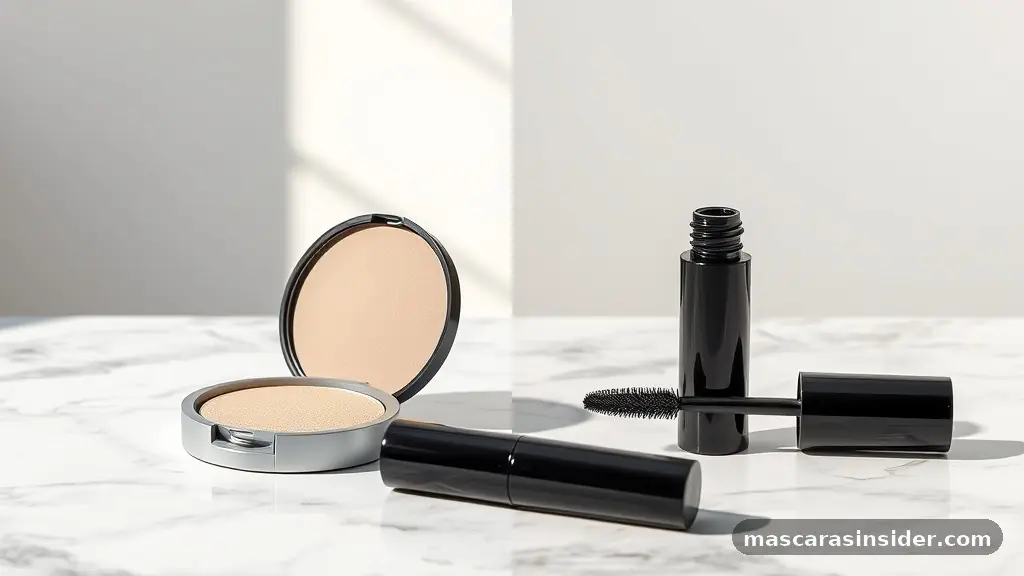
It is helpful to understand how mascara compares to other beauty items in terms of longevity. While powders can often last for a year or more because they lack the water content required for bacterial survival, liquid products are much more volatile. The following table provides a general reference for how long common eye products remain safe for use.
| Product Type | Typical Lifespan |
|---|---|
| Liquid Mascara | 3 Months |
| Liquid Eyeliner | 3 to 6 Months |
| Pencil Eyeliner | 12 to 18 Months |
| Eyeshadow (Powder) | 18 to 24 Months |
| Cream Eyeshadow | 6 Months |
Why You Should Never Share Your Makeup
Sharing beauty products, particularly those used on the eyes, is one of the fastest ways to transmit infections. Even if you and your friend are both healthy, you carry different types of bacteria on your skin that your own immune system is accustomed to, but your friend’s might not be. When you share a wand, you are essentially swapping microbial colonies.
If you are a makeup artist or someone who enjoys doing makeup for others, always use disposable wands for every application. Never double-dip a used wand back into the main tube.
This practice is essential for maintaining the hygiene of the product for the entire duration of its shelf life. If you have had an eye infection, throw away all eye-related makeup immediately, even if it is brand new, to prevent re-infecting yourself.
The Impact of Preservatives in Formulas
Modern cosmetic chemistry relies heavily on preservatives to keep formulas safe. These ingredients, such as parabens, phenoxyethanol, or organic acids, work by inhibiting the growth of microorganisms.
However, these preservatives are not permanent. Over time, they react with the air and the ingredients in the formula, gradually losing their potency.
Some “clean” beauty brands use alternative or natural preservatives. While these are often gentler on the skin, they are sometimes less effective at preventing bacterial growth over long periods.
If you opt for natural or organic products, pay even closer attention to the expiration dates, as they may be more susceptible to spoilage than traditional formulas. Always check the packaging for the “Period After Opening” (PAO) symbol, which looks like a small jar with a number and an “M,” indicating how many months the product is safe to use after being opened.
Addressing Topical Gaps and Common Questions
Many consumers worry about whether they can stretch the use of a product by keeping it in the refrigerator or adding drops of saline. These methods are generally discouraged.
Refrigeration can change the viscosity of the formula, making it difficult to apply and potentially causing the emulsion to separate. Adding liquids like saline or water introduces new contaminants and alters the pH balance, which can render the preservatives useless.
You might also wonder if expensive luxury brands last longer than drugstore options. In reality, the shelf life is determined by the chemistry of the product, not the price point. A $40 tube will expire just as quickly as a $5 tube.
The quality of the packaging, such as air-tight seals, may provide marginal benefits, but the fundamental need to replace the product after three months remains the same. For more detailed information on cosmetic safety standards, you can consult the official guidance from the U.S. Food and Drug Administration.
Signs of Eye Sensitivity and When to Stop
Even before a product expires, you might experience sensitivity to specific ingredients. If you notice that your eyes feel itchy, watery, or look bloodshot every time you apply a particular brand, stop using it immediately. Sensitivity can develop at any time, even if you have used the same product for years.
If you find that your eyes are frequently irritated, consider switching to a formula labeled as “hypoallergenic” or “ophthalmologist-tested.” These products are formulated with fewer potential irritants. Regardless of the brand, if you experience persistent discomfort, it is always best to consult with an eye care professional to rule out any underlying issues or allergic reactions that might be exacerbated by your makeup routine.
Establishing a Routine for Replacement
To make it easier to track your makeup, consider using a simple system. When you open a new tube, write the date on the bottom with a permanent marker or a small sticker.
This takes the guesswork out of the process and ensures you aren’t holding onto products for too long. Alternatively, set a recurring reminder on your phone for every three months.
* Mark your calendar for the date you open a new tube.
* Check the PAO symbol on the back of the packaging.
* Discard the product if you notice any changes in smell or texture.
* Replace your mascara after any eye infection, regardless of age.
* Keep your makeup bag clean by wiping it down regularly.
By building these small habits, you remove the stress of wondering whether your products are still safe to use. Consistency is the key to maintaining both your beauty routine and your ocular health.
Conclusion
Knowing how long should mascara last is an essential part of responsible self-care. While it might be tempting to hold onto a product until the very last drop, the risk of bacterial contamination simply isn’t worth it. By adhering to the three-month replacement rule, storing your makeup properly, and keeping your tools clean, you can enjoy your beauty routine without the fear of infection or irritation.
Remember that your eyes are precious, and your cosmetics should be treated with the same care you give your skin. Start tracking your product usage today, and if you realize your current tube has been open for more than a quarter of a year, it is time to treat yourself to a fresh, safe, and effective replacement.
FAQ
Can I use mascara that is 5 years old?
No, you should never use makeup that is 5 years old. Mascara formulas break down significantly after just a few months. Using a product that is years old exposes your eyes to high levels of bacteria and mold, which can cause severe infections and permanent damage.
How often should I replace my mascara?
You should replace your mascara every three months. This is the standard recommendation from dermatologists and eye health professionals. The preservative system in the formula degrades after this time, allowing microorganisms to grow, which puts your eye health at risk every time you apply it.
How can I tell if my mascara has gone bad?
Look for changes in texture, such as clumping or drying out. A significant change in scent, such as a sharp or rancid smell, is another clear indicator. If the product causes any itching, stinging, or redness upon application, it has likely expired or become contaminated and should be discarded.
Is it safe to use old makeup if it hasn’t been opened?
If a product has remained sealed in its original packaging, it can generally last longer than three months. However, once the seal is broken, the clock starts ticking. Always check for an expiration date or the PAO symbol on the packaging to determine its shelf life after opening.
Meta Description: Learn how long should mascara last to protect your eyes. Discover the risks of old makeup, signs of expiration, and tips for safe storage.