
Mastering how to apply mascara to bottom lashes is a transformative skill that can instantly open up your eyes and create a balanced, wide-awake appearance. While many makeup enthusiasts focus exclusively on their upper lids, the lower lash line serves as a crucial frame that defines the eye shape and adds depth to your overall aesthetic.
If you have ever struggled with raccoon eyes or messy application, you are not alone. Achieving a clean, professional finish on these delicate, shorter hairs requires a shift in technique, the right tools, and a bit of patience.
The Importance of Choosing the Right Wand and Formula
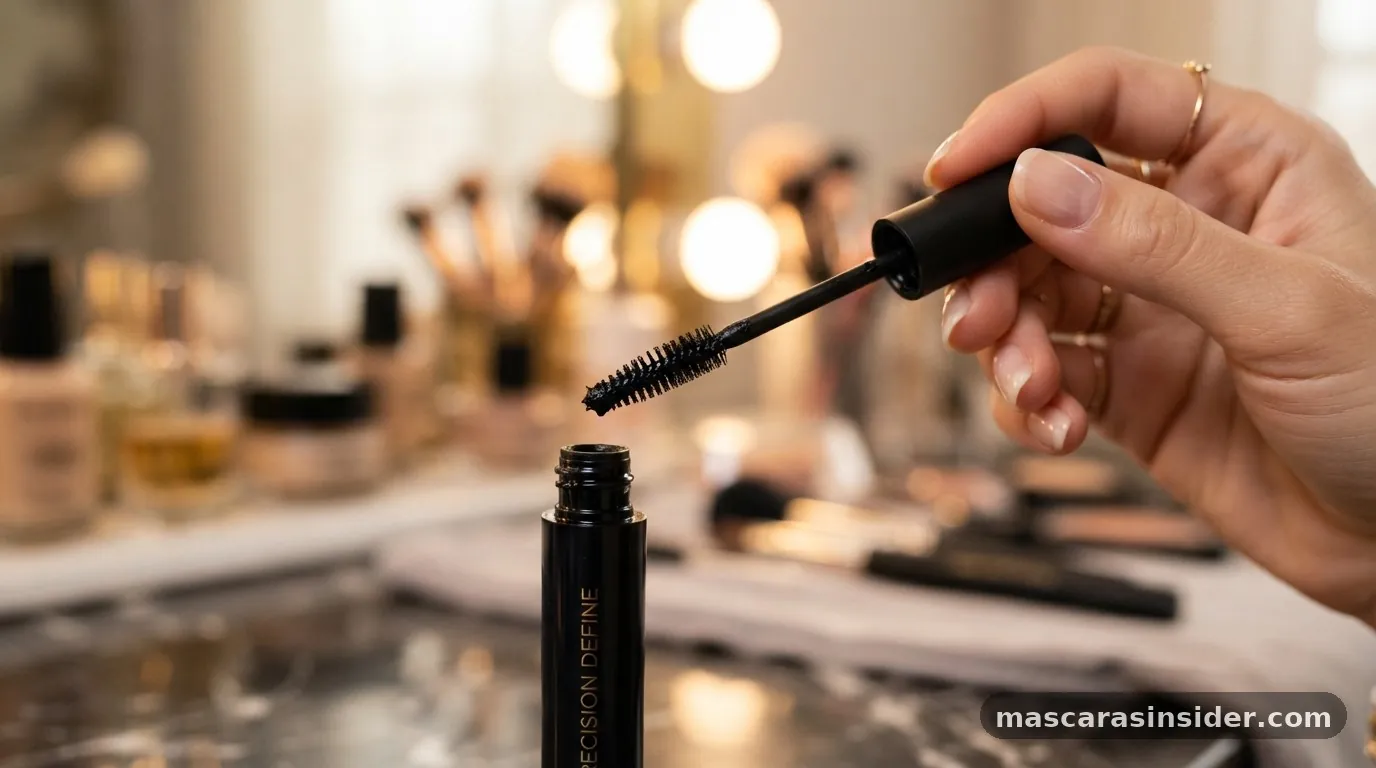
To achieve a clean finish, the most critical step is selecting a product specifically designed for precision. A standard, oversized mascara brush is often too bulky to navigate the tight space beneath your lower lids without touching the skin.
When learning how to apply mascara to bottom lashes, look for a wand with a tapered, thin, or micro-brush head. These specialized brushes allow you to reach the smallest hairs at the inner corner of the eye, ensuring even coverage without depositing excess product on your under-eye concealer.
Beyond the shape of the brush, the formula you choose dictates your success. Volumizing formulas are often thicker and more prone to clumping, which can lead to unsightly flakes throughout the day. Instead, opt for a lengthening or tubing mascara for your lower lashes.
Tubing formulas are particularly effective because they wrap each individual hair in a water-resistant polymer that does not smudge, smear, or run, even if your eyes water or you experience mild humidity. You can read more about proper eye care and product safety to ensure you are using ingredients that won’t irritate your sensitive eye area.
When selecting your mascara, consider these factors:
- Brush Size: A micro-wand or a tiny, ball-tipped brush offers maximum control for lower lashes.
- Formula Texture: Lightweight, non-clumping formulas prevent the “spidery” look that can sometimes occur on thin lower lashes.
- Water Resistance: If you have oily skin or hooded lids, a smudge-proof or tubing formula is essential to maintain a crisp look.
- Color Choice: While deep black is standard, a dark brown or charcoal gray can provide a softer, more natural effect for daytime wear.
Step-by-Step Technique for Precision Application
Effective application starts with preparation. Before you touch your lashes, ensure your under-eye area is prepped with a light dusting of translucent powder. This creates a dry, smooth surface that prevents any accidental pigment transfer from sticking to your skin.
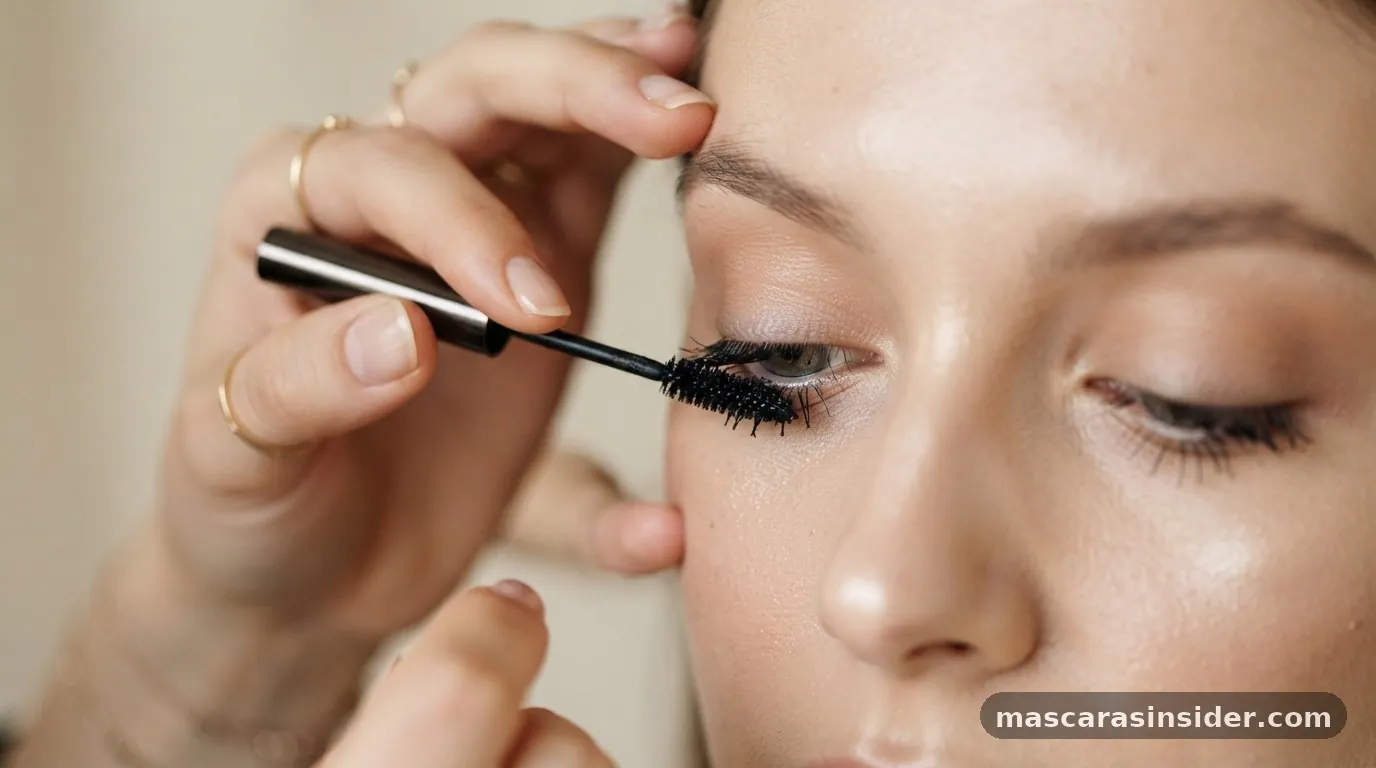
Once your skin is prepped, hold your mirror slightly above eye level and look down. This position naturally pushes your lower lashes away from your cheek, making them easier to access without hitting your skin with the brush.
1. Begin by removing excess product from the wand. Use a tissue to wipe off the bulk of the mascara; the remaining residue is usually enough to coat the fine hairs of the lower lash line without creating clumps.
2.
Hold the wand vertically. By turning the brush upright, you can use just the tip to “paint” each lash individually, which provides much more control than holding the wand horizontally.
3. Start at the root of the lash.
Gently wiggle the brush at the base to deposit a tiny amount of pigment, then pull the wand downward toward the tip.
4. Focus on the center lashes first. These are typically the longest and most visible, so they should receive the most attention.
5.
Work your way toward the inner and outer corners. Use the very tip of the brush to catch those tiny, hard-to-reach hairs near the tear duct.
6. If you accidentally get mascara on your skin, do not wipe it immediately.
Wait for it to dry completely, then use a clean, dry spoolie or a cotton swab to gently flick the dried flake away. This prevents smearing the pigment into your foundation.
Preventing Smudges and Flaking Throughout the Day
Smudging is the most common complaint when people attempt to define their lower lashes. This usually occurs because the natural oils on your skin break down the mascara wax, or because the lashes physically touch the under-eye area when you blink. To combat this, you must secure the product.
One effective trick is to apply a tiny amount of long-wear translucent setting powder directly under the lower lash line. This acts as a barrier, absorbing excess oil that might otherwise cause the mascara to migrate downward.
Another professional secret is to use a “shield.” You can purchase a plastic lash guard or simply use a clean business card or a folded tissue. Hold the barrier against your skin just below the roots of your lower lashes while you apply the product.
This allows you to press the brush firmly into the roots of your lashes to create volume and definition without ever making contact with your concealer or foundation. If you are prone to watery eyes, consider using a clear mascara or a lash primer as a base coat; this creates a dry foundation that prevents the colored mascara from absorbing moisture.
Comparing Application Styles for Different Eye Shapes
Not every eye shape benefits from the same level of lower lash intensity. Your goal should be to enhance your natural features rather than overwhelming them. The following table breaks down how different eye shapes should approach their lower lash line to achieve a balanced look.
| Eye Shape | Application Strategy | Desired Effect |
|---|---|---|
| Round Eyes | Focus application on the outer third only. | Creates an elongated, almond-shaped appearance. |
| Almond Eyes | Evenly coat lashes from inner to outer corner. | Enhances the natural symmetry of the eye. |
| Hooded Eyes | Lightly coat the center and outer lashes. | Opens the eye area without drawing focus downward. |
| Small Eyes | Use a thin, lengthening formula on all lashes. | Makes the eyes appear wider and more awake. |
For those with hooded or deep-set eyes, applying too much product to the lower lashes can sometimes have the opposite of the intended effect, making the eyes appear smaller or tired. In these cases, a very light, feathery coat is often superior to a heavy, dark application. Always prioritize length and separation over thick, heavy volume.
Managing Topical Gaps and Common Mistakes
Many guides fail to address the specific issue of “lash clumping” on the lower line. Because these hairs are often shorter and finer than those on the upper lid, they are highly prone to sticking together when they encounter too much liquid product. A key technique to avoid this is the “vertical stroke” method.
Instead of sweeping the brush back and forth, treat each lash like a tiny paintbrush. If you do notice a clump forming, use a metal lash comb while the product is still wet to separate the hairs immediately. Never try to comb through mascara once it has fully set, as this will lead to breakage.
Another gap in standard advice is the age-related concern regarding lower lash definition. As we age, the skin under our eyes may lose elasticity, making it more prone to fine lines. Thick, dark mascara can settle into these lines, making them appear more prominent.
If you are concerned about this, switch from a standard black mascara to a dark brown or a “soft black” shade. These colors provide the necessary definition without the harsh contrast that can emphasize under-eye texture. Additionally, always ensure that your lower lash mascara is removed with a gentle, oil-based cleanser at night; leaving it on can cause the lashes to become brittle and break over time.
The Role of Lash Health and Maintenance
Your lower lashes are just as susceptible to damage as your upper ones. Frequent use of waterproof formulas, which require significant rubbing to remove, can lead to premature shedding. When you apply mascara to your bottom lashes, you are adding weight to a very delicate hair follicle.
To maintain the health and density of these lashes, prioritize a gentle removal process. Use a cotton pad soaked in a dual-phase or oil-based eye makeup remover. Press the pad against your closed eye for twenty seconds to dissolve the product before gently wiping away.
Consistency is key. If you find your lashes are sparse, consider incorporating a lash-conditioning serum into your nightly routine. Healthy, hydrated lashes hold mascara better and are less likely to clump or flake.
Furthermore, be mindful of your tools. A mascara wand should be replaced every three months to prevent bacterial growth. If you notice your mascara formula becoming thick or “gummy” before the three-month mark, it is time to discard it.
Using an expired product on your lower lashes is a recipe for irritation, especially given the proximity to the waterline. By maintaining your tools and prioritizing the health of your natural lashes, you ensure that every application looks fresh, clean, and intentional.
FAQ: Common Questions About Lower Lash Application
Should I apply mascara to my bottom lashes every day?
It is a personal preference, but applying mascara to your bottom lashes every day is safe as long as you remove it thoroughly each night. If you notice irritation or lash breakage, consider taking a few days off to let your lashes rest and recover.
How do I stop my lower lashes from smudging onto my concealer?
The best way to prevent smudging is to set your under-eye area with a light layer of translucent powder before applying mascara. Additionally, using a tubing mascara, which forms water-resistant polymers around the lashes, will significantly reduce the likelihood of the product transferring to your skin.
Is there a trick to make my bottom lashes look longer?
To maximize length, use a lengthening formula with a thin, tapered brush. Start at the very root of the lash and wiggle the brush slightly to deposit pigment, then pull it straight down. Using a lash primer beforehand can also add extra length and volume to the individual hairs.
Can I use the same mascara on my top and bottom lashes?
Yes, you can use the same product, but be careful with the brush. If your main mascara wand is too large, it will likely cause smudges on your lower lash line. Instead, use a clean, disposable micro-spoolie to pick up some product from your main wand and apply it to your lower lashes.