
If you reach for your makeup bag every morning, you might wonder how long your favorite tube of mascara should actually stay in your rotation. Most beauty enthusiasts know that eye products have a shorter lifespan than powder blushes or lipsticks, but the specifics often get lost in the shuffle of daily routines. When you use a product near such a sensitive area, the primary concern isn’t just performance; it is hygiene.
Generally speaking, you should replace mascara every three months if you are a daily user. While some high-end formulas might seem perfectly fine long after that window has closed, the internal environment of the tube changes significantly once it has been opened.
Exposure to air and the repeated movement of the wand introduce external elements that compromise the integrity of the formula. Sticking to this timeline helps you avoid common issues like eye irritation, clumpiness, and the potential for bacterial growth.
The Science of Mascara Expiration and Bacterial Growth
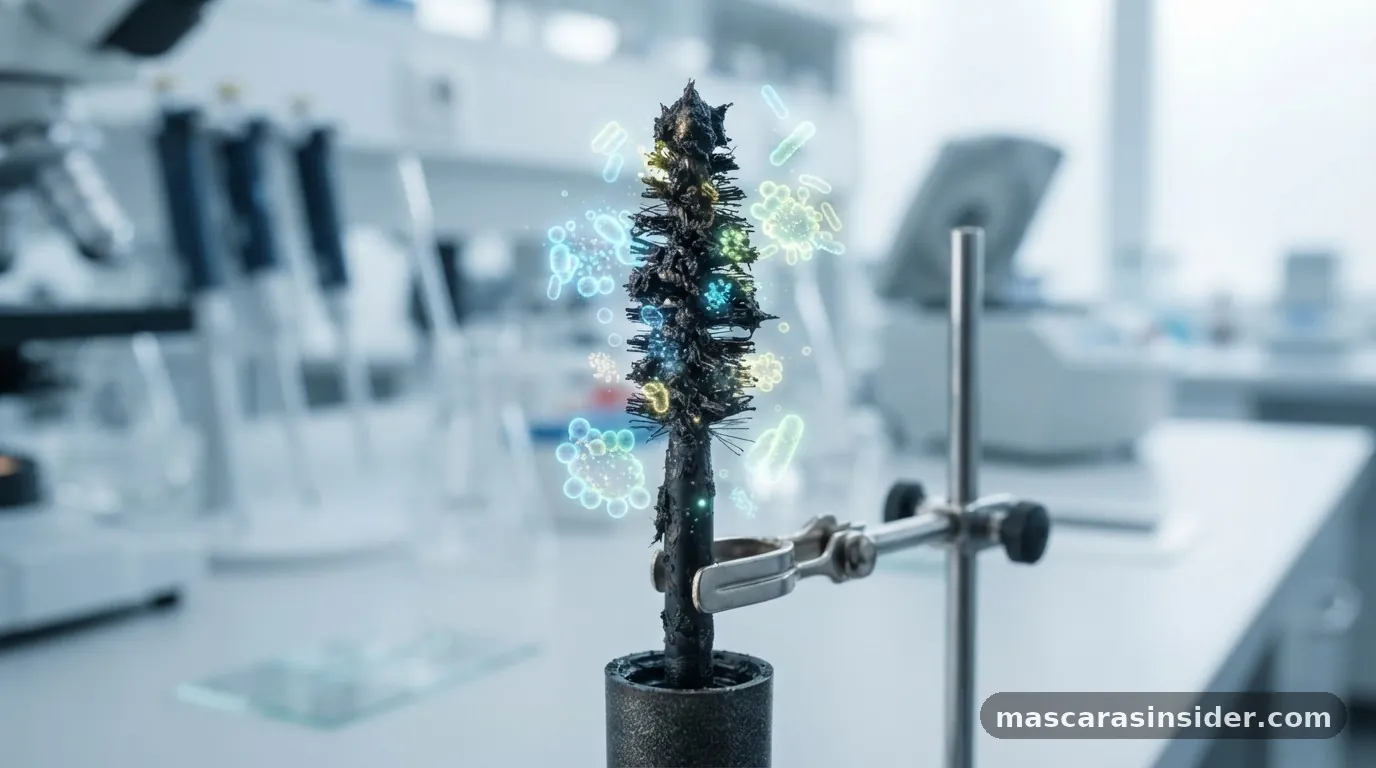
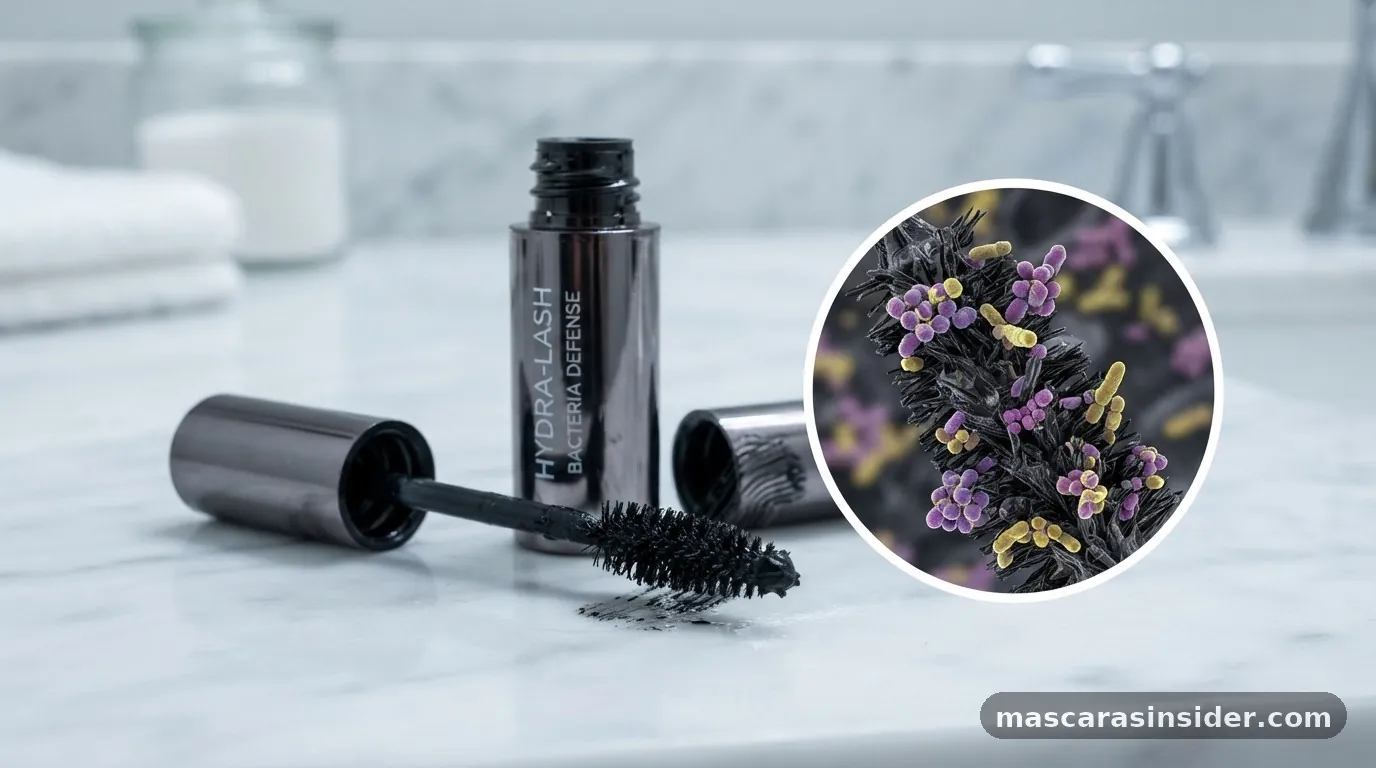
Mascara expires faster than almost any other item in your collection because it is a liquid-based medium housed in a dark, humid environment—the perfect breeding ground for microorganisms. When you ask how long should mascara last with daily use, the answer is dictated by biology as much as by cosmetic chemistry. Every time you pull the wand out to coat your lashes, you introduce microscopic amounts of dust, skin cells, and ambient bacteria back into the reservoir.
Even with built-in preservatives, these chemicals have a finite capacity to neutralize contaminants. Over time, the concentration of these microorganisms increases. If you continue to use a tube past its prime, you are essentially applying a concentrated colony of bacteria to your eye area daily.
This significantly elevates the risk of developing conditions like conjunctivitis or styes. Furthermore, the liquid nature of the product means that as the preservatives break down, the formula’s ability to remain stable diminishes.
1. Microbes thrive in the moist, warm environment inside the tube.
2. Preservatives lose potency after the seal is broken and air enters the container.
3.
Daily pumping of the wand accelerates the oxidation process.
4. Contaminated applicators transfer bacteria from the eyelid skin back into the product.
Why Three Months is the Industry Standard
The three-month rule is not a marketing ploy designed to make you spend more money; it is a safety guideline established by dermatologists and cosmetic chemists to protect your vision. While some people might get away with stretching a tube for four or five months, this is a gamble with your ocular health. Most manufacturers formulate their products to remain stable for exactly 90 days after the initial application.
After this threshold, the physical texture of the product often begins to change. You might notice it becoming thicker, goopier, or more prone to flaking throughout the day. This shift happens because the volatile solvents that keep the mascara liquid begin to evaporate.
When the formula dries out, it doesn’t just look worse; it can become brittle, causing tiny particles to flake off into your eye, which is a common cause of mechanical irritation. If you notice a change in the scent or the way it sits on your lashes, it is time to toss it, regardless of how much is left.
You can find more information on eye safety and product hygiene at the U.S. Food and Drug Administration.
Signs Your Mascara Has Gone Bad
Knowing the signs of a degraded product is essential for maintaining a healthy beauty routine. Even if you haven’t reached the three-month mark, environmental factors like high heat or humidity in your bathroom can cause a tube to expire prematurely. Being observant during your morning routine can save you from an uncomfortable eye infection.
- The smell: If the product starts to emit a sharp, chemical, or slightly sour odor, it has likely been compromised by bacterial contamination.
- Texture changes: A formula that was once smooth and fluid but now feels clumpy, stringy, or excessively dry is a clear indicator of degradation.
- Performance decline: If the mascara flakes onto your cheeks within an hour of application or becomes impossible to layer, the chemical balance is off.
- Eye reactions: Any sudden redness, itching, or swelling after applying your makeup is a major red flag that the product should be discarded immediately.
- Separation: When you see clear liquid separating from the pigment inside the tube, the emulsion has broken down.
The Impact of Daily Pumping on Longevity
One of the most common habits that shortens the life of your mascara is “pumping” the wand. Many users do this instinctively, thinking it picks up more product or prevents clumps, but this action is actually counterproductive.
Every time you push the wand in and out, you are forcing air into the tube. This process, known as aeration, causes the formula to dry out rapidly and introduces airborne contaminants that would otherwise stay outside the container.
Instead of pumping, try a gentle swirling motion inside the tube to pick up the product. This keeps the environment as closed as possible and preserves the integrity of the formula for longer.
If you find yourself needing to pump just to get enough product on the wand, it is a sign that the mascara is already nearing the end of its functional life. By changing this simple habit, you can ensure that you get the most out of your purchase without compromising your eye health.
Comparing Different Types of Mascara
Not all mascaras are created equal, and their life spans can vary based on their chemical composition. Some formulations are designed to be more resistant to smudging, while others focus on lengthening or volumizing. Understanding these differences can help you manage your expectations.
| Mascara Type | Typical Texture | Key Characteristics | Expected Lifespan |
|---|---|---|---|
| Waterproof | Drier/Waxy | Resistant to moisture | 2-3 Months |
| Tubing | Elastic/Film-forming | Forms tubes around lashes | 3 Months |
| Volumizing | Thick/Creamy | High pigment concentration | 2-3 Months |
| Natural/Organic | Liquid/Less stable | Fewer synthetic preservatives | 1-2 Months |
Tubing mascara is a unique category that uses polymers to wrap around each lash. Because these formulas are different, they sometimes resist clumping better than traditional options, but they are just as susceptible to bacterial growth. Natural or “clean” beauty formulations often lack the potent parabens or other synthetic preservatives found in conventional makeup, meaning they frequently have a much shorter shelf life. If you choose an organic route, pay extra close attention to the smell and consistency, as these can turn “bad” even faster than conventional brands.
Best Practices for Extending Your Mascara’s Life
While you should never push a tube past its safe limit, there are ways to ensure it performs at its best until the very end. Proper storage is the first step. Many people keep their makeup in the bathroom, where the temperature and humidity fluctuate wildly during showers.
This environment accelerates the breakdown of the formula. A cool, dry drawer in your bedroom is a much safer home for your makeup bag.
Another key practice is to avoid sharing your makeup. Your eye area has a unique microbiome, and introducing someone else’s bacteria into your tube is a recipe for an infection. If you are doing a friend’s makeup, use disposable wands.
Never double-dip a used wand into the tube. If you are prone to eye sensitivities, consider choosing smaller “travel size” tubes. These are often more cost-effective for daily users because you are much more likely to finish the entire tube within the three-month window, reducing waste and ensuring that you are always using a fresh product.
Topical Gaps: Addressing Common Misconceptions
A common question is whether you can revive a dry tube with eye drops or contact lens solution. The answer is a firm no.
Adding foreign liquids to your mascara alters the chemical composition, potentially neutralizing the preservatives and creating a perfect environment for mold or bacteria to thrive. You might get a few extra applications, but you are significantly increasing the risk of an eye infection.
Another point of confusion is the difference between an unopened tube and one that has been used. An unopened, sealed tube can often last for up to two years if stored properly in a cool place. However, the clock starts ticking the moment the seal is broken.
Even if you only use it once a month, the exposure to air begins the degradation process. Therefore, the “three-month” rule is based on the date of first use, not the date of purchase.
Always write the date on the bottom of the tube with a permanent marker when you open it. This simple trick takes the guesswork out of your routine and ensures you aren’t holding onto old, potentially harmful makeup.
Frequently Asked Questions
How many uses can I get out of one tube?
While it depends on how heavily you apply it, an average tube contains enough product for about 60 to 90 applications. If you wear it daily, a single tube should last you roughly three months. Avoid trying to stretch it further by adding liquids.
What happens if I continue to use expired mascara?
Using mascara past its expiration date increases your risk of developing bacterial or fungal eye infections, such as conjunctivitis. You may also experience increased flaking, which can lead to corneal scratches or general irritation, redness, and discomfort throughout the day.
How do I know when to replace it if it still feels fine?
Even if the formula still applies well, the preservative system is likely failing after three months. If you use it daily, replace it strictly every 90 days. If you notice any change in smell, texture, or if it causes even minor eye irritation, discard it immediately.
Can I clean my mascara wand to make it last longer?
Cleaning the wand does not solve the problem of the contaminated formula inside the tube. Once the wand has been used, it introduces bacteria back into the reservoir. Cleaning the wand won’t sanitize the liquid inside, so it is safer to replace the entire product.