

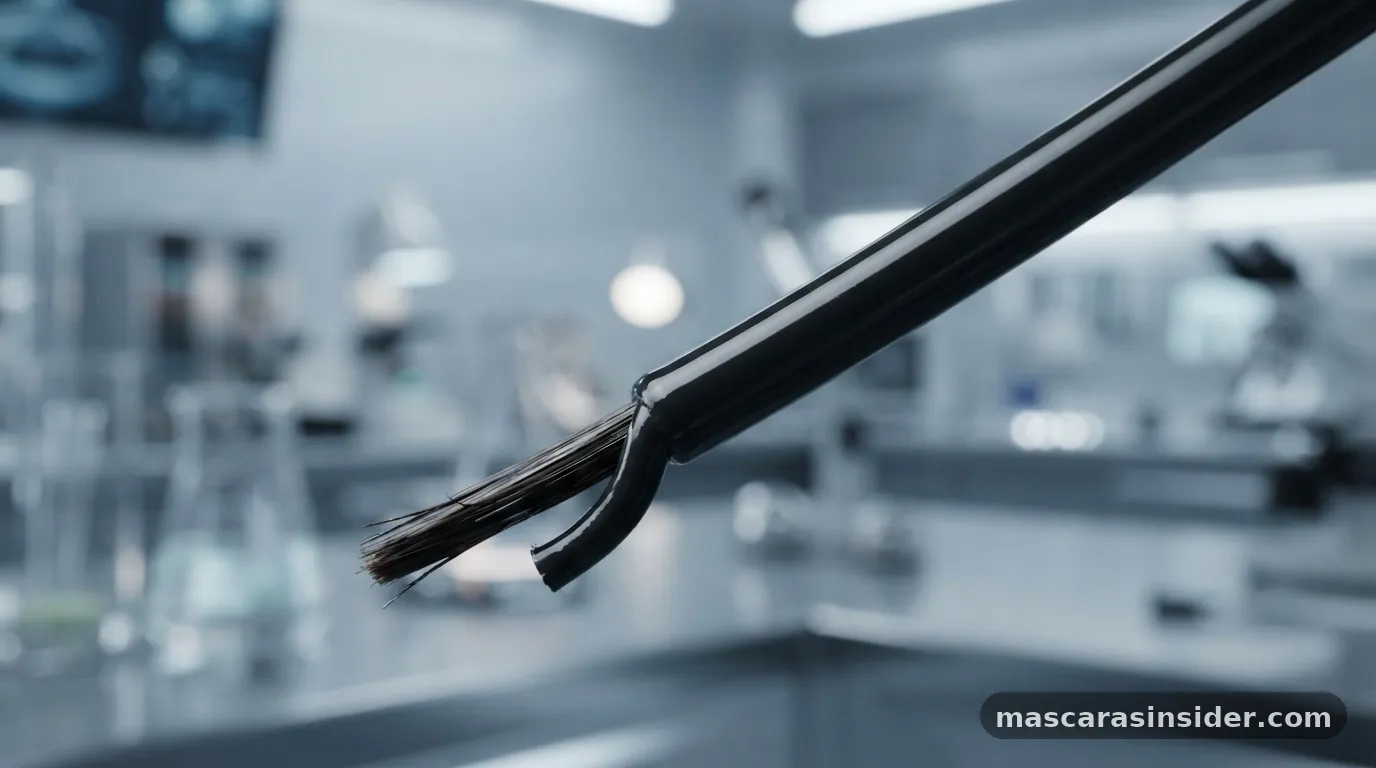
If you have ever found yourself staring into a mirror at the end of a long day only to discover dark, raccoon-like smudges under your eyes, you have likely encountered the primary frustration of traditional cosmetics. Many people ask, what’s a tubing mascara, and why does it seem to perform differently than the standard tubes sitting in most makeup bags? Unlike conventional products that rely on pigments suspended in waxes or oils to coat your hair, a tubing mascara utilizes a specialized polymer technology.
When applied, these polymers wrap around each individual lash, creating tiny, water-resistant cylinders or sleeves. These structures stay firmly in place until they meet a specific set of conditions, making them a favorite for those with oily eyelids or active lifestyles.
The Science Behind Polymer Technology
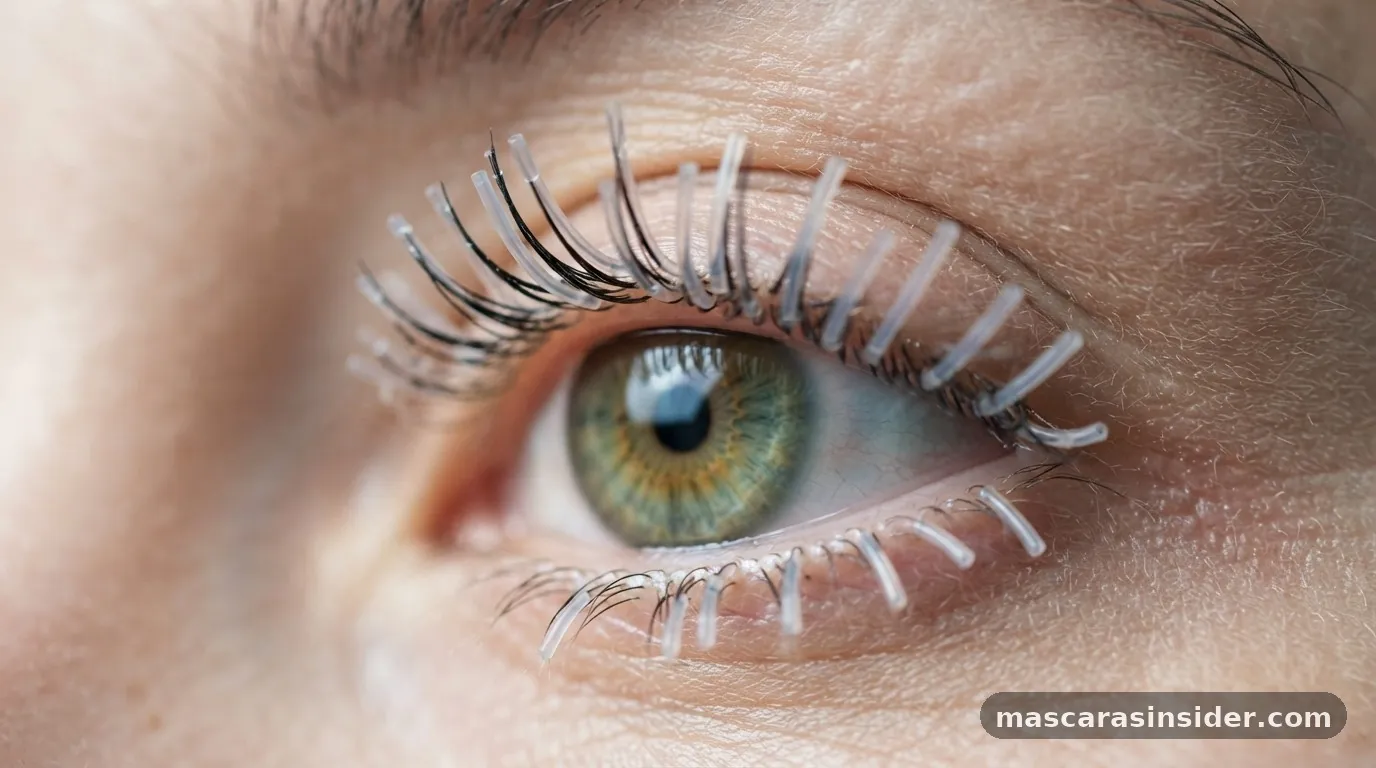
A tubing mascara is a cosmetic product that uses flexible polymers to encapsulate individual lashes in water-resistant sleeves rather than simply painting them with pigment. While traditional formulas rely on heavy waxes that can melt or migrate when exposed to natural skin oils, the polymers in these unique formulas set into a stable, dry sheath. This molecular structure is what gives them their defining characteristic: they do not smear or migrate because the tubes themselves are physically tethered to the lash hair.
Because these polymers are designed to be stable in humidity and sweat, they offer a level of longevity that is difficult to achieve with standard oil-based products. When you apply the product, you are essentially building a scaffold around your lash. This creates a distinct separation effect, as the tubes don’t clump together in the same way waxy pastes do.
The result is often a clean, defined look that emphasizes length and separation. Because the formula doesn’t break down into an oily residue, you won’t experience that dreaded mid-day flaking that often plagues standard options. It is a highly engineered approach to eye makeup that prioritizes structural integrity over simple surface coverage.
How Tubing Formulas Differ from Traditional Mascaras
The primary difference between a tubing mascara and a regular mascara lies in the removal process and the chemical composition. Traditional formulas are designed to adhere to the lash using waxes, oils, and pigments that are essentially “painted” onto the hair.
Because these ingredients are oil-soluble, they are designed to be broken down by makeup removers or cleansing oils. If you have oily skin or if your eyes water easily, the natural oils on your face can begin to dissolve these traditional waxes throughout the day, leading to the infamous smudging effect.
In contrast, tubing mascaras are completely indifferent to oil. You could rub an oily cleanser all over your face, and the tubes would likely stay perfectly intact. This makes them a superior choice for people who deal with constant smudging.
However, this also means your standard makeup removal routine needs to change. You cannot simply wipe these away with a cotton pad and micellar water. The technology is designed to be removed with a specific trigger: warm water.
When the temperature of the water reaches a certain threshold, the polymers soften and lose their grip on the lash, allowing the tubes to slide off cleanly. This unique mechanism is why many people who have tried them describe the removal process as incredibly satisfying.
| Feature | Tubing Mascara | Traditional Mascara |
|---|---|---|
| Adhesion Method | Polymer sleeves | Wax and oil-based pigments |
| Primary Failure Mode | Physical shedding | Smudging and oil-dissolution |
| Removal Requirement | Warm water (friction) | Oil-based makeup remover |
| Best For | Oily lids, sensitive eyes | Volumizing, dramatic effects |
The Unique Removal Process Explained
The removal of tubing mascara is distinct because it requires physical pressure combined with warm water rather than chemical dissolution. When you are ready to take off your makeup, you should soak your lashes with warm water for several seconds. This gentle heat weakens the bond of the polymer sleeves.
Once the sleeves have softened, you use the gentle pressure of your fingertips or a damp cloth to slide the tubes off your lashes. You will notice little black “fibers” or cylinders in your sink or on your cotton pad; these are the tubes themselves.
1. Splash your eyes with comfortably warm water.
2. Let the water sit on your lashes for 15 to 30 seconds to soften the polymers.
3.
Gently pinch your lashes between your thumb and forefinger or use a warm, wet washcloth.
4. Apply slight downward pressure to slide the tubes off the hair.
5. Rinse away any remaining residue with water.
This method is often safer for the delicate skin around the eyes because it eliminates the need for harsh rubbing or aggressive tugging with oil cleansers. Many people find that this process results in less breakage of their natural lashes over time.
Because you are not using cotton pads or abrasive wipes, you reduce the mechanical stress on your hair follicles. It is a cleaner, more efficient way to end your evening beauty routine.
Why Tubing Mascara is Ideal for Sensitive Eyes
For individuals with sensitive eyes or those who wear contact lenses, tubing mascara can be a genuine improvement in daily comfort. Because the formula does not flake or migrate, there is significantly less risk of tiny particles falling into your eyes.
Flaking is a common trigger for irritation, especially for contact lens wearers who may experience discomfort if a stray speck of pigment gets trapped behind their lens. Since the tubes are locked onto the lash, they remain in place until you manually remove them.
Furthermore, because you don’t need harsh chemical makeup removers to clean your eyes, you avoid exposing your delicate eye area to potential irritants. Many traditional makeup removers contain fragrances, preservatives, or surfactants that can cause redness or stinging. By relying solely on warm water for removal, you keep your skincare routine simple and hypoallergenic.
This is particularly beneficial for those who suffer from seasonal allergies or chronic eye conditions. If you have been searching for a way to wear makeup without the constant worry of irritation, this technology offers a reliable, low-impact solution that respects the health of your eyes.
Strategic Benefits for Length and Separation
One of the most noticeable aesthetic benefits of using a tubing mascara is the way it enhances lash length and separation. Because the formula builds a physical sleeve around each individual hair, it effectively extends the tip of the lash.
This creates a clean, fanned-out appearance that is often difficult to achieve with volumizing mascaras, which tend to clump hairs together. If your goal is to achieve a “clean girl” aesthetic or a professional, daytime look, the precision provided by these polymers is unmatched.
Another factor to consider is the weight of the formula. Because the tubes are very lightweight, they do not weigh down your lashes like heavier, wax-heavy products often do. This helps maintain the curl you achieve with an eyelash curler throughout the day.
When you apply a heavy, oil-based product, the weight can cause your freshly curled lashes to droop within an hour. With a tubing formula, the structural integrity of the sleeve acts as a support, holding the lash in its curled position. This makes it an excellent choice for individuals with naturally straight or stubborn lashes who want to maintain a lifted look without the use of waterproof formulas, which can be notoriously drying and difficult to remove.
Evaluating the Potential Drawbacks
While the benefits are significant, it is important to understand that no product is perfect for every user. The most common critique of tubing formulas is that they often lack the dramatic, thick volume provided by traditional mascaras.
If you are looking for a “false lash” effect or maximum thickness, you might find that a single layer of tubing mascara feels a bit too natural or subtle for your preference. Because the tubes are designed to separate and coat, they don’t build “bulk” in the same way wax-based formulas do.
Additionally, the removal process, while easy once mastered, can be surprising for those who have never tried it. If you accidentally get your lashes wet during a light rain shower or a humid day, you might panic, thinking the product is running. However, it is important to distinguish between water and warm water.
A light splash of cold or room-temperature water usually won’t budge the tubes at all. You need that specific temperature threshold to trigger the release. If you are a heavy sweater or you live in an extremely humid climate, you should ensure that your specific brand of tubing mascara is formulated to withstand higher moisture levels.
Always check the packaging or brand claims to see if the product is rated for high-intensity activity. You can learn more about safe eye care practices by visiting the American Academy of Ophthalmology for expert guidance on maintaining eye health while using cosmetic products.
Addressing Topical Gaps and Common Misconceptions
A common misconception is that all long-wearing or “waterproof” mascaras are tubing mascaras. This is false. Many waterproof mascaras are simply traditional wax-based formulas that contain volatile solvents to keep them from dissolving in water.
These are notoriously difficult to remove and often require oil-based cleansers, which can be harsh on the skin. Tubing mascaras occupy a unique space in the beauty market because they are “water-resistant” but “water-removable.” Understanding this distinction is vital for anyone who has struggled with the “panda eye” effect.
Another gap in knowledge involves the layering of products. Can you use a tubing mascara over a traditional one? Generally, this is not recommended.
If you apply a tubing formula over a waxy base, the tubes will be trying to adhere to a slippery, oil-based surface. This defeats the entire purpose of the technology, as the tubes will likely slide off prematurely, taking the base mascara with them. To get the best results, you should use the tubing formula on clean, dry lashes.
If you need more volume, look for tubing mascaras that are specifically formulated with thickening agents, or use a lash primer that is compatible with polymer-based systems. By keeping your routine streamlined and avoiding cross-contamination of formulas, you ensure that the product performs exactly as the manufacturer intended.
Frequently Asked Questions
How do I know if my mascara is a tubing formula?
Check the ingredient list for polymers like acrylates copolymer. If the label mentions “tubes,” “sleeves,” or “warm water removal,” it is likely a tubing mascara. Also, if the product doesn’t smudge but comes off in little black flecks with water, it is definitely a tubing formula.
Is tubing mascara better than traditional mascara?
It depends on your goals. It is superior for preventing smudging, flaking, and protecting the delicate eye area during removal. However, if you prioritize intense volume and dramatic thickness, a traditional wax-based mascara might provide the aesthetic result you are looking for more effectively.
Can I use tubing mascara if I have oily eyelids?
Yes, it is arguably the best choice for oily eyelids. Because the formula is oil-resistant, it won’t break down or migrate when it comes into contact with the natural oils produced by your skin, ensuring your eye makeup stays crisp and clean throughout the entire day.
Is it bad for my lashes to use tubing mascara?
No, it is generally considered gentle. Because removal requires warm water instead of harsh rubbing or oil-based cleansers, it reduces mechanical stress on your lashes. This helps prevent lash breakage and thinning, making it a sustainable choice for long-term eye health and daily makeup wearers.