
If you have ever noticed your eyelids turning red or itching uncontrollably after applying your favorite lash product, you might be wondering: can you be allergic to mascara? The short answer is yes.
While many people assume that eye irritation is simply a sign of a bad batch or a tired day, it is often a genuine physiological reaction to one or more ingredients within the tube. Your skin, especially the delicate tissue around your eyes, is incredibly thin and reactive, making it a prime target for allergic reactions.
Many users experience these issues without realizing that their daily beauty routine is the primary cause. Understanding why this happens requires looking past the brand name and into the chemistry of the product. Whether you are dealing with mild discomfort or a more severe case of contact dermatitis, recognizing the signs early is essential for maintaining your ocular health and comfort.
Identifying Common Symptoms of Eye Makeup Sensitivity
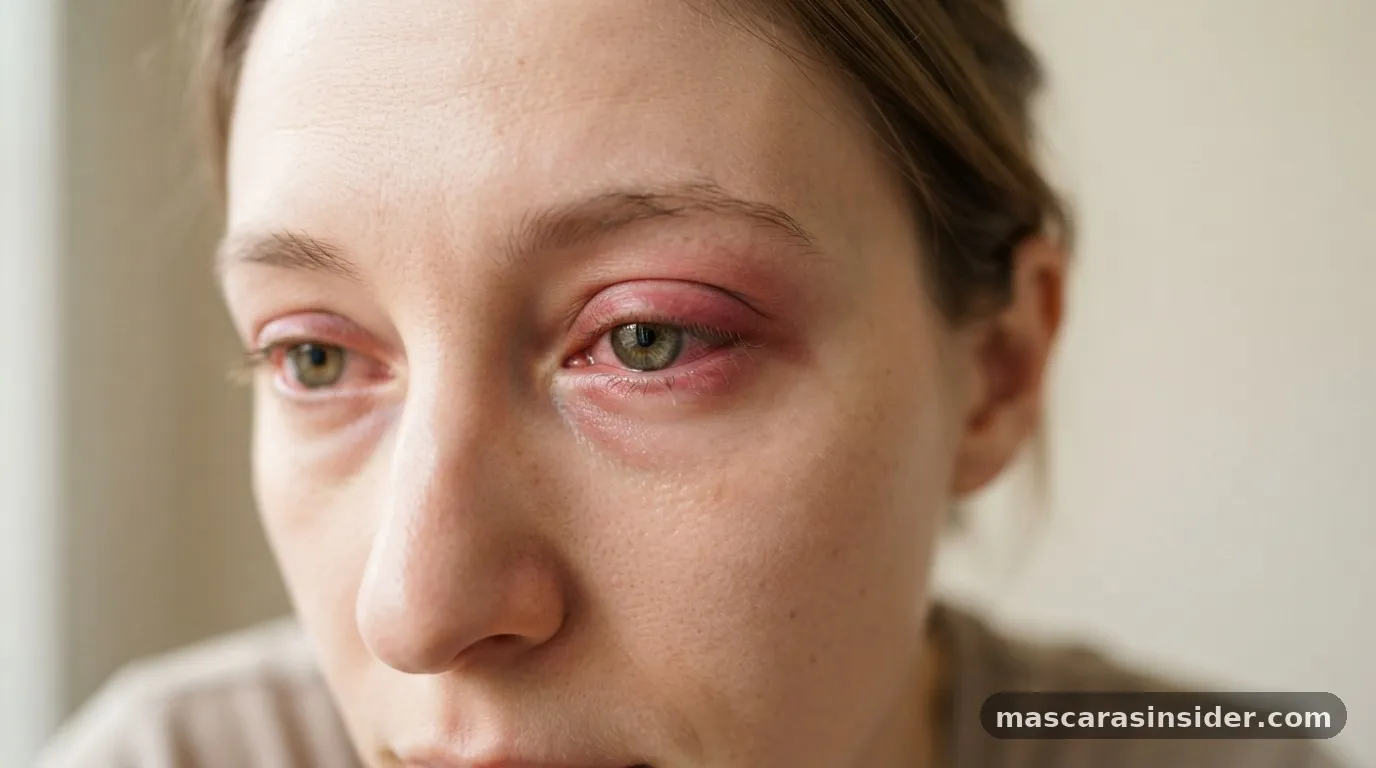
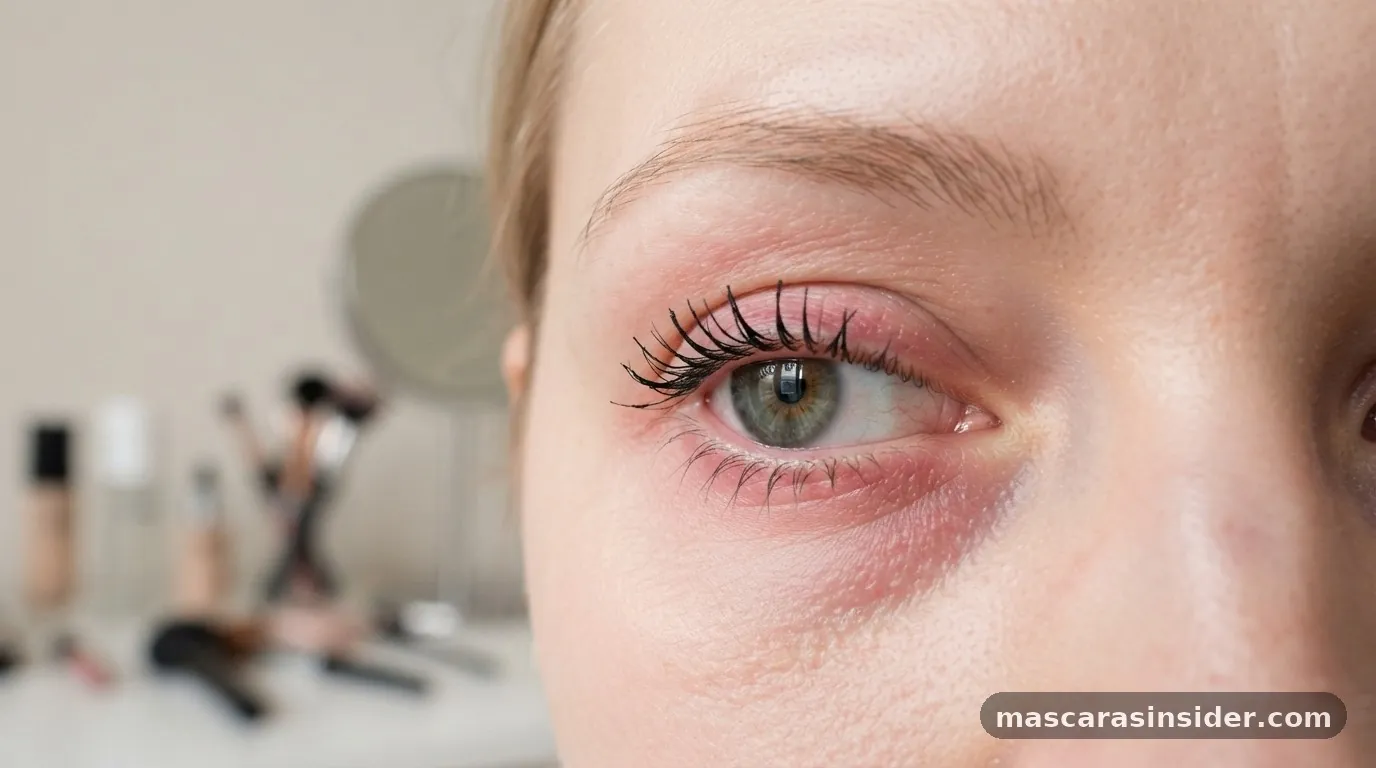
The most frequent signs of a mascara allergy include redness, swelling, burning, itching, and flaking skin around the lash line. These symptoms often mimic other conditions, such as dry eyes or seasonal allergies, which is why many individuals continue using the product for far too long before suspecting a link.
When you experience an adverse response, the immune system identifies a component in the makeup as a threat. This triggers an inflammatory response.
Unlike a standard irritation that might disappear after washing your face, an allergic response often persists or worsens with repeated exposure. You might notice that your lids feel tight or look puffy, particularly in the morning after the formula has been sitting on your lashes overnight.
In some cases, the irritation can even impact your vision if the product flakes into your eye or causes excessive watering that blurs your sight. Persistent rubbing—a natural response to the itching—can lead to further trauma, potentially causing micro-tears in the skin or introducing bacteria that lead to secondary infections. If you suspect your makeup is the culprit, the most important step is to stop applying it immediately to let the area heal.
Common Ingredients That Trigger Allergic Reactions
The chemical composition of modern mascaras is complex, often involving a mix of waxes, pigments, preservatives, and polymers designed to lengthen and thicken lashes. Any of these components can act as allergy triggers for someone with sensitive eyes.
1. Preservatives like parabens or formaldehyde-releasers are notorious for causing skin sensitivities.
2. Pigments, such as black iron oxide, are generally inert, but impurities within the metal oxides can provoke a response.
3.
Fragrances, though less common in lash products than in lotions, can be added to mask the chemical smell and are frequent irritants.
4. Resins and polymers, used to ensure the product is waterproof or smudge-proof, can create a film that traps heat and moisture against the eyelid.
5. Botanical extracts or essential oils, while marketed as “natural,” are surprisingly common allergens that can cause contact dermatitis.
To get a better understanding of how these ingredients interact with your skin, you can review the American Academy of Ophthalmology guidelines on eye makeup safety. Knowing what to avoid is just as important as knowing what to look for on the label.
The Difference Between Irritation and Allergy
Distinguishing between simple eye irritation and a true skin allergy is vital for your long-term skincare strategy. Irritation is a physical response to a harsh substance, whereas an allergy is an immune-mediated response.
Physical Irritation
This usually happens when the product is physically uncomfortable. Perhaps the formula is too thick, or it contains tiny fibers meant to add length that are physically scratching your cornea. This type of discomfort usually stops once you remove the product.
Allergic Contact Dermatitis
This is more systemic to your immune system. If you have developed a sensitivity, even a tiny amount of the allergen can cause a reaction. The skin may become scaly, cracked, or deeply red. Unlike simple irritation, this can last for days even after you have ceased using the offending item.
| Feature | Physical Irritation | Allergic Reaction |
|---|---|---|
| Onset | Immediate upon application | Can be delayed (hours or days) |
| Duration | Clears up quickly after removal | Persists after removal |
| Primary Cause | Mechanical friction or harsh chemicals | Immune system overreaction |
| Scope | Localized to the contact point | Can spread to surrounding skin |
How to Conduct a Patch Test Safely
Before you commit to a new product, you should make sure to conduct a patch test. This simple procedure can save you from days of discomfort. Many people ignore this step, but it is the most effective way to identify a potential reaction before you apply the product near your sensitive ocular tissue.
To perform a proper test, apply a small amount of the mascara to the inside of your forearm or behind your ear. These areas are sensitive and can provide a good indication of how your skin might react.
Leave the product on for at least 24 to 48 hours. If you notice any redness, itching, or bumps during this time, it is a clear indicator that you should not use that product on your eyes.
Remember that a negative result on your arm does not guarantee 100% safety for your eyelids, as the skin around the eyes is significantly thinner and more absorbent than the skin on your arm. However, it is an excellent first line of defense. If you have a known history of skin sensitivities, you may want to consult with a dermatologist who can provide guidance on specific ingredients to watch out for.
Addressing Sudden Sensitivities
You might be asking, “Why am I suddenly allergic to my eye makeup?” It is a common frustration.
You have used the same brand for years, and suddenly, you are experiencing symptoms. This phenomenon is known as a sensitized immune response.
Your body can develop an allergy to a substance at any point in your life. Even if you have been exposed to the same chemicals for a decade, your immune system may eventually decide to flag them as a threat.
Additionally, manufacturers occasionally update their formulas. A “new and improved” version of your favorite mascara might contain a different stabilizing agent or preservative that your skin does not tolerate well.
Environmental factors also play a role. If you are currently dealing with seasonal allergies, your eyes are already inflamed and more susceptible to reacting to external products. Stress, hormonal changes, and even the natural aging process can alter the barrier function of your skin, making you more prone to developing contact dermatitis.
If you suspect your current tube has gone bad, discard it immediately. Mascara should generally be replaced every three months to prevent bacterial growth, which can also mimic an allergic reaction.
Topical Gaps: Managing Chronic Sensitivity
Many people look for “hypoallergenic” labels, but it is important to note that this term is not strictly regulated by the FDA. This creates a gap in knowledge for the consumer.
Just because a label says “hypoallergenic” does not mean it is free of all potential allergens. It simply means the manufacturer has chosen ingredients with a lower likelihood of causing a reaction.
If you have highly sensitive eyes, you need to look beyond marketing buzzwords. Focus on the ingredient list. Look for formulas that are free of fragrances, parabens, and excessive chemical thickeners.
Some people find success with tubing mascaras. These formulas form tiny polymers around the lash rather than painting them with traditional waxes and pigments. Because they do not smudge or flake, they are less likely to fall into the eye and cause irritation.
Another strategy is to simplify your routine. If you are having a flare-up, stop using all eye makeup for at least two weeks. This allows your skin barrier to reset.
When you reintroduce products, do so one by one. If you start wearing foundation, concealer, and mascara all at the same time and your eyes flare up, you will not know which product caused the issue. By adding them back into your routine with a few days of observation in between, you can isolate the exact source of the irritation.
FAQ: Frequently Asked Questions
How can I tell if I am having an allergic reaction to my mascara?
Watch for redness, swelling, itching, or a burning sensation on your eyelids. Unlike simple irritation, these symptoms often persist after you remove the makeup and may be accompanied by dry, flaking skin. If you notice these signs, stop using the product immediately and seek professional advice.
What are the best alternatives if I am allergic to standard mascara?
Look for tubing mascaras, which are often gentler and less prone to flaking. You can also try mineral-based options that avoid harsh preservatives and synthetic dyes. Always prioritize products with shorter, simpler ingredient lists and perform a patch test on your arm before applying them near your eyes.
Why did I suddenly develop an allergy to a product I have used for years?
Your immune system can develop sensitivities at any time, even to substances you have used for years. Alternatively, the manufacturer might have updated the formula. If you suspect an allergy, stop using the product, let your skin heal, and consider switching to a different brand or formulation.
Is it possible that my eye makeup is causing my eye infection?
Yes, using old or contaminated makeup can introduce bacteria to the eye, leading to infections like conjunctivitis. Always replace your mascara every three months and never share your eye products with others. If your eyes are consistently red, painful, or producing discharge, consult a doctor for a proper diagnosis.