
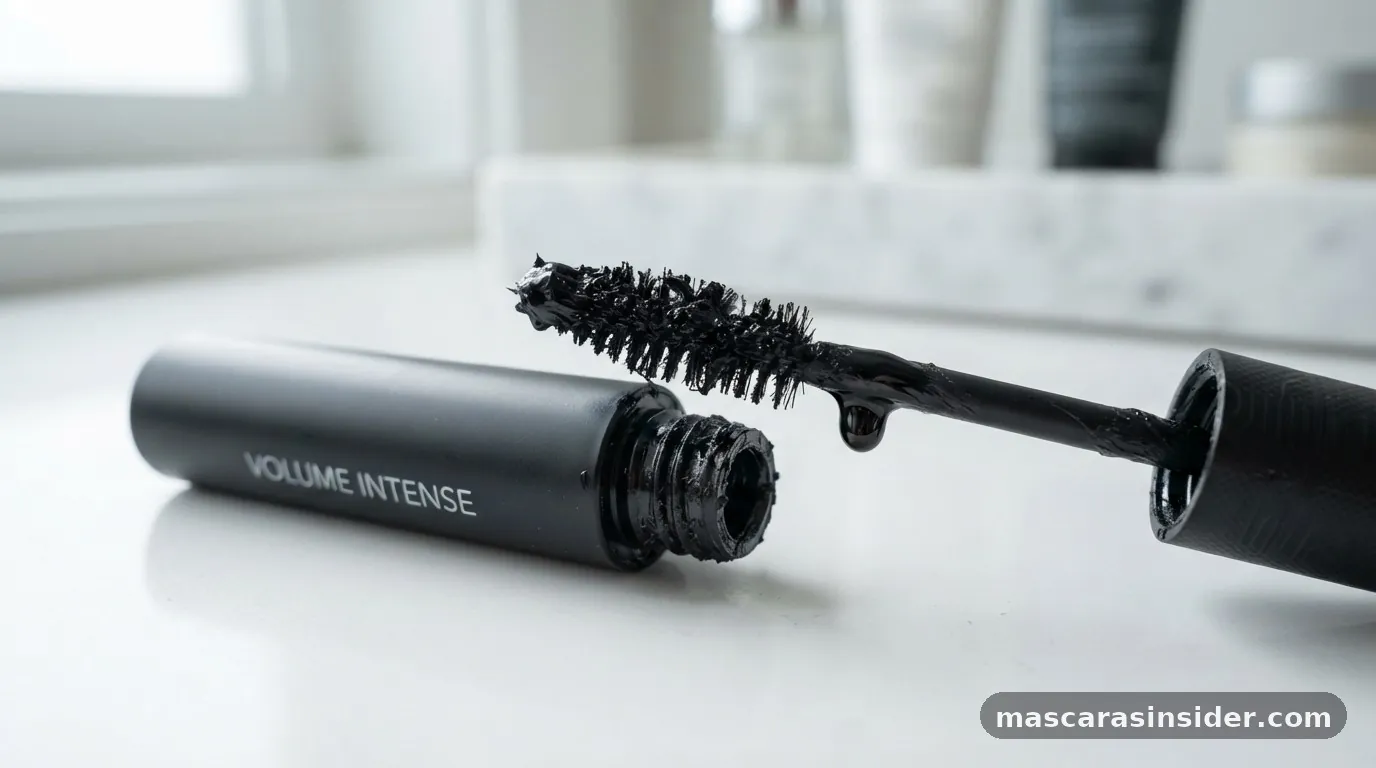
If you have ever stood in front of your mirror, ready to head out for the day, only to realize your lashes look like spider legs, you have likely asked yourself, “why is my mascara clumpy?” Dealing with a spider-web effect on your eyes is frustrating, especially when you are aiming for a clean, professional, or soft, fluttery appearance.
Clumping is one of the most common makeup grievances, and it usually stems from a combination of product age, application technique, and the specific chemical composition of the formula you are using. Understanding the root cause of these unsightly build-ups is the first step toward achieving a smooth, clump-free application every single time you apply mascara.
The Lifespan of Your Mascara Tube
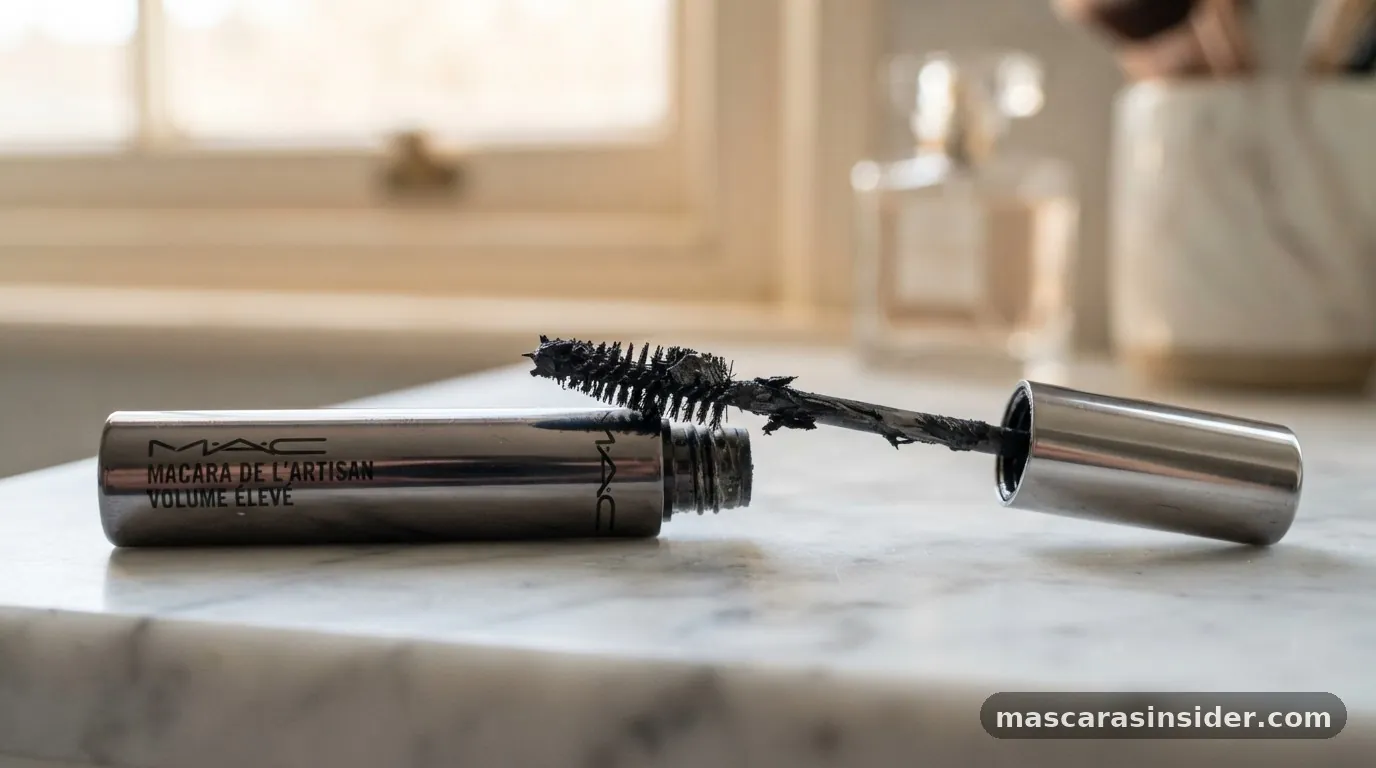
The most frequent reason your mascara turns clumpy is that the product has simply reached the end of its useful life. Mascara tubes are prime environments for bacteria and air exposure.
Every time you pull the wand out to apply mascara, you introduce a small amount of oxygen into the tube. Over the course of three months, this oxygen exposure causes the formula to oxidize and thicken, leading to the dreaded “clumps” that catch on your lashes.
Most experts recommend replacing your mascara every three months, regardless of whether it still seems to have product left inside. Once the preservatives in the formula begin to break down, the texture changes significantly.
If you notice your mascara has developed a strange scent, has become unusually thick, or is flaking off your lashes shortly after application, it is time to discard it. Using expired makeup not only leads to a poor aesthetic look but also increases the risk of eye infections, which is a price no one should pay for a bit of volume.
Technique Errors During Application
Sometimes the product itself is perfectly fine, but the way you use it leads to buildup. Many people have a habit of “pumping” the wand in and out of the tube before they apply mascara.
This is a common mistake that forces air into the tube, accelerating the drying process and causing the formula to become tacky and thick. Instead of pumping, try a gentle, swirling motion inside the tube to coat the brush evenly.
Another frequent error is applying too many coats in quick succession. While you might be chasing that dramatic, volumizing look, layering wet mascara on top of semi-dry mascara is a recipe for disaster. The second coat grabs onto the partially dried first coat, pulling and tangling the lashes together into thick, uneven clusters.
To keep your lashes looking separated and defined, wait a few seconds between coats, or use a clean spoolie brush to comb through your lashes while the product is still slightly damp. This simple step can turn a clumpy mess into a smooth, fluttery finish.
Choosing the Right Formula for Your Lashes
Not all mascaras are created equal, and the specific formula you choose plays a massive role in whether you experience clumping. Generally, volumizing mascaras contain more waxes and pigments than lengthening or defining formulas. Because they are designed to add thickness, these formulas are naturally heavier and more prone to clumping if you have naturally thin or sparse lashes.
If you find that your favorite volumizing mascara is consistently clumpy, you might need to adjust your approach or switch to a formula with a thinner consistency. Some people find that “tubing” mascaras work better for them.
These formulas create tiny, polymer-based tubes around each lash rather than painting them with traditional wax-based pigment. Because these polymers are designed to slide off with warm water, they are far less likely to clump or flake during the day, offering a much more reliable look for those who struggle with traditional thick formulas.
Environmental Factors and Storage
Your environment can impact the consistency of your makeup more than you might expect. If you store your mascara in a bathroom that gets steamy from frequent hot showers, the fluctuations in temperature and humidity can alter the chemical stability of the formula. Heat can cause the waxes in the mascara to melt and then re-harden, which creates a gritty, clumpy texture that is impossible to smooth out on your lashes.
To keep your mascara in peak condition, store it in a cool, dry place away from direct sunlight. A makeup drawer or a vanity organizer in your bedroom is much safer than a bathroom cabinet. Furthermore, if you are traveling, keep your makeup bag out of hot cars or direct sun, as the heat can effectively “cook” the product inside the tube, rendering it useless even if it was brand new when you packed it.
How to Revive a Slightly Dried Tube
If your mascara is only a few weeks old and you are already noticing a bit of thickness, you may be able to extend its life safely. Never add water to your mascara tube, as this can introduce bacteria and ruin the preservative system entirely.
Instead, you can try placing the tightly closed tube in a cup of warm water for a few minutes. The heat helps to soften the waxes, making the formula temporarily smoother and easier to apply.
Another professional trick is to use a high-quality eye primer. A good primer can act as a barrier between your lashes and the mascara, helping the product glide on more smoothly without grabbing onto every little bump.
If you find your lashes are naturally dry or brittle, they are more likely to snag the mascara, creating clumps. Keeping your lashes healthy with a lash serum can provide a smoother surface for your mascara to adhere to, resulting in a more polished look.
Table: Comparing Mascara Types and Clumping Risk
The following table outlines how different types of mascara formulations generally perform in terms of texture and the likelihood of developing clumps during daily use.
| Mascara Type | Primary Benefit | Clump Likelihood | Best For |
|---|---|---|---|
| Volumizing | Thickens lashes | High | Sparse lashes |
| Lengthening | Extends length | Low | Short lashes |
| Tubing | Long-wearing | Very Low | Oily eyelids |
| Waterproof | Smudge-proof | Medium | Active lifestyles |
Addressing Topical Gaps: Why Is My Mascara Clumpy on the Bottom Lashes?
Many users find that their mascara looks perfect on the top lash line but becomes an absolute mess on the bottom. This is often because the bottom lashes are finer and have less surface area for the product to grip. When you use a large, bulky brush designed for volume on your bottom lashes, you inevitably deposit too much product in one spot.
To solve this, try using a specific “bottom lash” mascara with a micro-wand. These brushes are tiny and designed to coat each individual lash without overloading them.
If you don’t want to buy a separate product, take a clean, disposable mascara wand and wipe most of the excess product off on a tissue before applying it to your lower lashes. This gives you the control you need to define the lashes without the risk of creating a clumpy, heavy look that can smudge under your eye throughout the day.
Best Practices for Maintaining a Fluttery Look
To ensure your lashes stay looking fresh and fluttery, keep these daily habits in mind. First, always remove your makeup thoroughly before bed.
Residual mascara left on your lashes overnight can dry out the hairs, making them brittle. When you apply fresh mascara the next morning, those brittle lashes will be much more prone to clumping than healthy, hydrated lashes.
Second, keep your tools clean. If you use an eyelash curler, make sure the rubber pad is free of old, dried-on mascara. A dirty curler can pull at your lashes and deposit old, crusty product onto them before you even pick up your mascara wand.
If you suspect your mascara is truly beyond saving, do not hesitate to toss it. You can find more information on eye safety and product hygiene at the U.S. Food and Drug Administration website regarding cosmetic safety.
- Replace your mascara tube every 90 days to prevent bacteria and drying.
- Avoid pumping the wand inside the tube to prevent air from entering.
- Use a lash comb or clean spoolie to separate lashes immediately after application.
- Store your makeup in a cool, dry area away from bathroom humidity.
- Consider using a lash primer to create a smooth, even base.
- Apply mascara using a slow, wiggling motion from the root to the tip.
Frequently Asked Questions
Is clumpy mascara bad for my eyes?
Yes, it can be. Clumpy mascara often indicates that the product is either expired or contaminated with bacteria. Using old makeup increases your risk of developing eye infections, styes, or irritation. If the product is flaking into your eyes, it can also cause physical discomfort or corneal scratches.
How do I fix clumpy mascara in the tube?
You can temporarily revive a thick formula by placing the closed tube in a cup of warm water for five minutes. This softens the waxes. However, if the mascara is over three months old, do not try to fix it; simply replace it to ensure eye safety.
Why does my brand new mascara clump immediately?
It might be the formula density. Some highly pigmented, volumizing formulas are naturally thick. If it’s brand new and clumping, try wiping the wand on a paper towel before application to remove excess product, or use a lash comb to brush through your lashes while the mascara is still wet.
What is the secret to a perfect, non-clumpy look?
The secret is layering. Apply a thin first coat, let it set for 30 seconds, and then apply a second coat only where you need extra volume. Using a clean spoolie to separate the lashes between coats is the most effective way to ensure a smooth, fluttery, and professional result.