Mascara is perhaps the most ubiquitous item in any makeup bag, yet few people stop to consider the chemical and physical mechanics behind its transformative effects. When you wonder how does mascara make your eyelashes longer, you are essentially asking about a combination of polymer chemistry, optical illusion, and mechanical application.
It isn’t magic, though the results can feel like it. Instead, it is a sophisticated interplay of ingredients designed to coat, extend, and define your natural lash line to create the appearance of significant length and volume.
The Chemistry of Lengthening Formulas
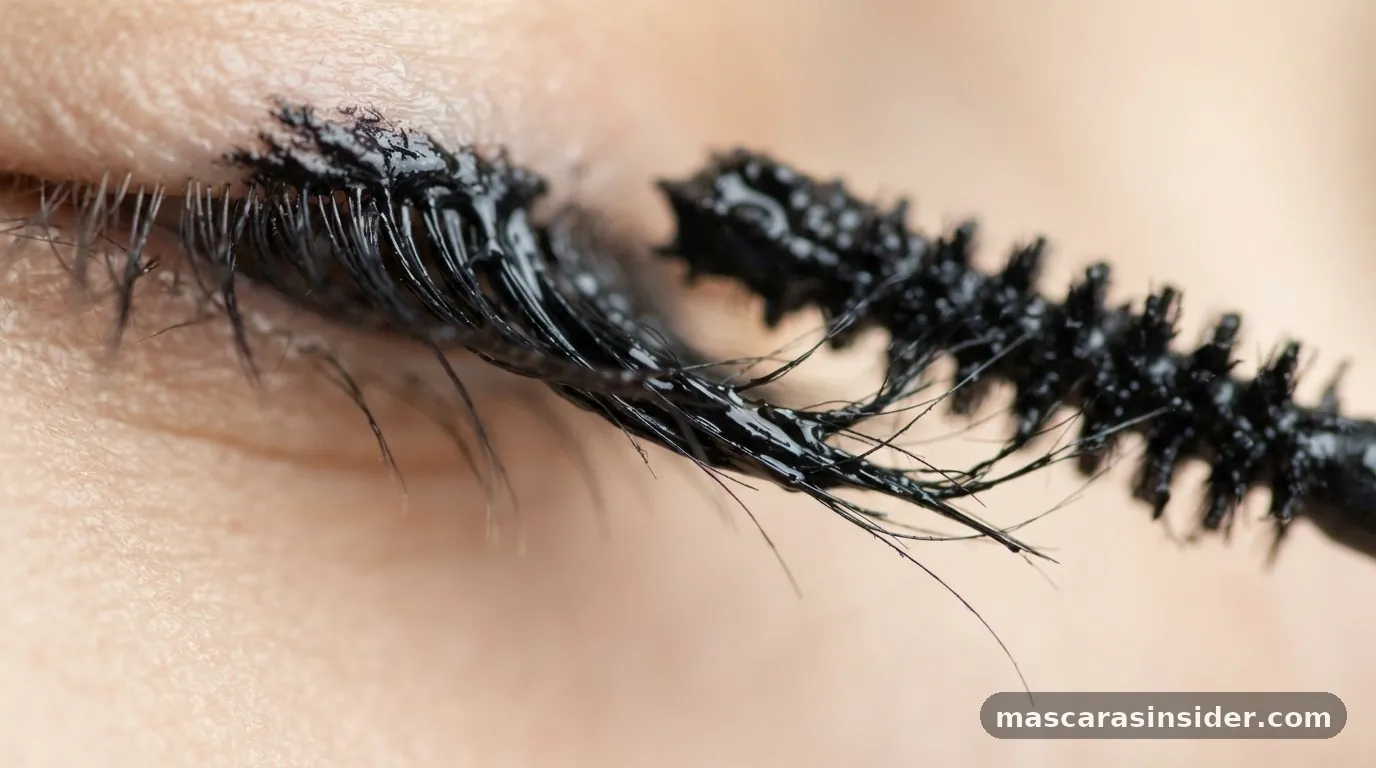
Mascara achieves the appearance of length primarily through the use of synthetic polymers and waxes that adhere to the existing hair shaft. These formulas are designed to be “buildable,” meaning they dry quickly enough to allow for multiple coats without clumping, yet slowly enough to be shaped by the brush. When you apply mascara, you are essentially adding a temporary physical extension to the very tip of your eyelash, which is often thinner and lighter in color than the base.
The secret often lies in the inclusion of fibers, such as rayon or nylon, which are suspended within the liquid formula. As you pull the wand through your lashes, these tiny, microscopic fibers cling to the ends of your hair, acting as a bridge that extends the lash beyond its natural stopping point. By layering these fibers, you can create a noticeable increase in length.
High-quality mascaras balance these fibers with conditioning agents like panthenol, vitamin E, or various oils to ensure the hair remains flexible rather than brittle. If a formula dries too hard, the lashes are prone to breakage, which ironically leads to shorter lashes over time.
The Role of the Brush and Application Technique
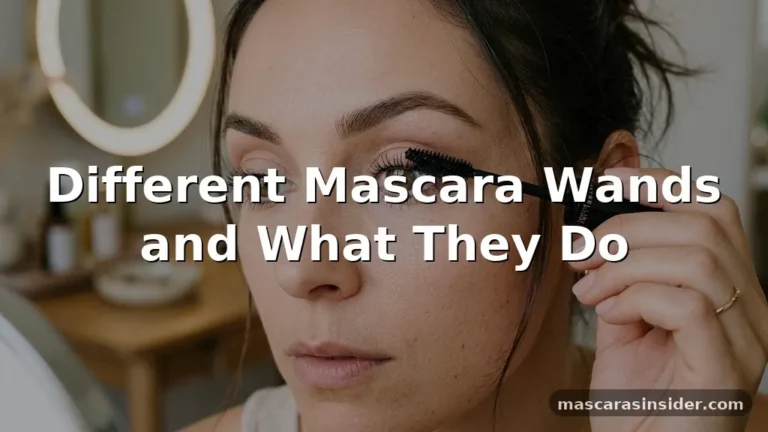
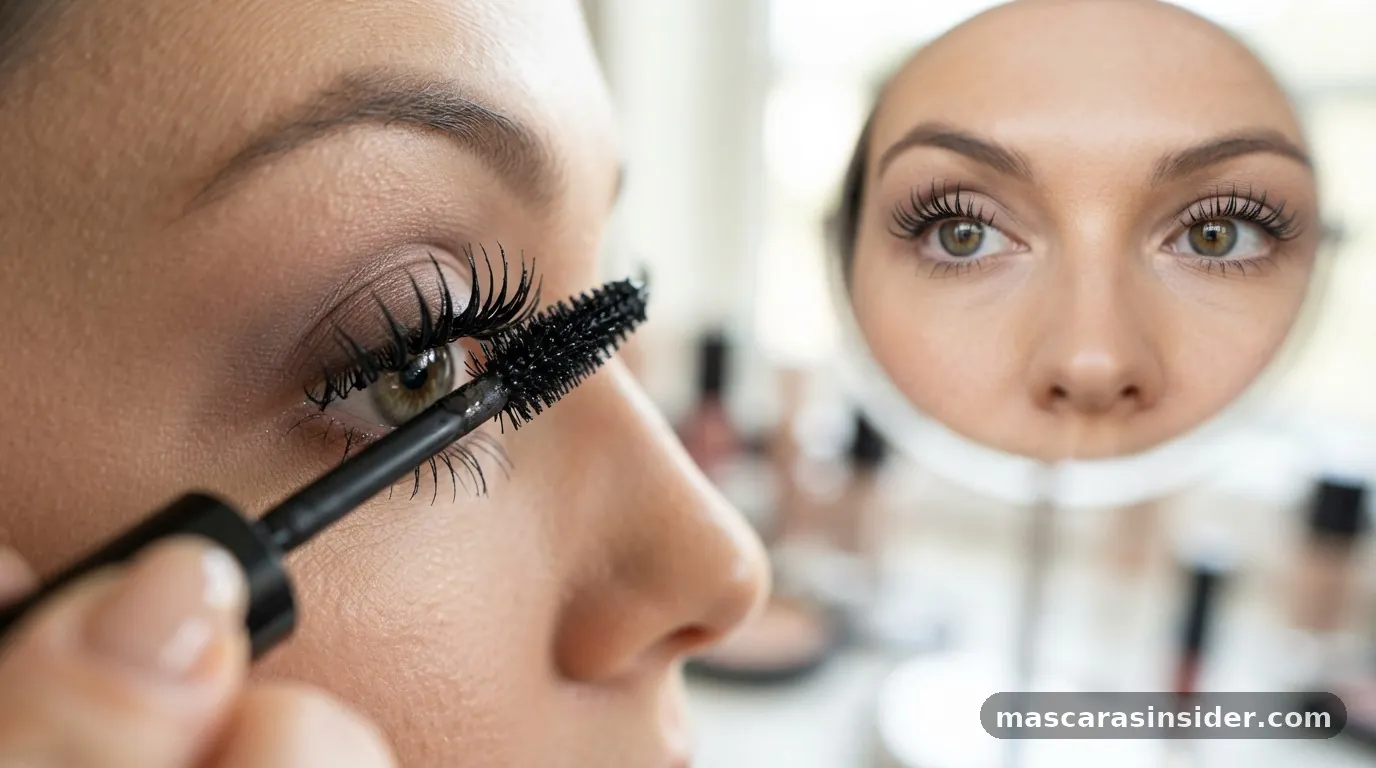
The brush, or applicator, is just as critical as the chemical mixture inside the tube. The shape, material, and spacing of the bristles dictate how much product is deposited and how well the lashes are separated.
A silicone brush with short, stiff bristles is typically better for precision and lengthening, as it can get closer to the root and distribute the formula evenly to the very tips. Conversely, a large, fluffy bristle brush is often designed for volume, as it carries more product.
1. Start by placing the wand at the base of your eyelashes.
2. Wiggle the brush slightly from side to side to ensure the roots are fully coated.
3.
Pull the wand upward through the length of the lash, using a slight twisting motion to prevent clumping.
4. Focus extra product on the outer corners to create a feline, elongated effect.
5. Wait for the first layer to become tacky before applying a second coat to maximize the extension of the tips.
This mechanical process of “combing” the product through the hair is what defines the length. By separating each individual lash, you prevent the “spidery” look that occurs when multiple hairs stick together, which makes the lash line appear sparse rather than long and full.
Optical Illusions and Contrast
Beyond physical length, mascara utilizes the principles of color theory to make lashes look longer. Most natural eyelashes become translucent or very light at the tips, which makes them appear shorter than they actually are.
By coating these tips with highly pigmented black or deep brown formulas, you are revealing the “lost” length of the hair. This high-contrast application makes the entire lash visible against the skin of the eyelid, tricking the eye into perceiving a more dramatic silhouette.
Furthermore, the act of curling your lashes before applying mascara is a foundational step in the lengthening process. A curl lifts the lashes, creating an upward arc that occupies more vertical space on the face. When you apply mascara to these curled lashes, the weight of the formula helps “set” the curl in place.
A straight lash, no matter how long, often looks shorter because it is pointing outward or downward. By bending the hair upward, you increase the visible profile of the lash, which is a key component in the overall aesthetic of long, lush eyelashes.
Comparing Lengthening vs. Volumizing Mascaras
It is important to understand the distinction between different types of mascara, as they serve different functions. A lengthening mascara is specifically engineered with a thinner, more polymer-rich formula that is designed to stretch along the lash, whereas a volumizing product relies on waxes to thicken the hair shaft.
| Feature | Lengthening Mascara | Volumizing Mascara |
|---|---|---|
| Primary Ingredient | Synthetic Polymers/Fibers | Waxes and Thickeners |
| Brush Type | Fine-toothed/Comb-like | Thick/Fluffy bristles |
| Application Goal | Extension and definition | Density and fullness |
| Weight | Lightweight to prevent drooping | Heavier for dramatic impact |
Understanding these differences helps you choose the right product for your specific needs. If you find your lashes are naturally thick but short, a lengthening formula will provide the most benefit. If your lashes are long but thin or sparse, a volumizing formula might be the better choice to provide the appearance of a fuller, more dramatic fringe.
Maintaining Lash Health and Preventing Loss
One common concern is whether daily mascara use contributes to lash loss. The reality is that while mascara itself is generally safe, the removal process is where most damage occurs.
If you scrub your eyes aggressively with a makeup wipe, you are physically pulling on your lashes, which can lead to premature shedding and breakage. Over time, this makes the lash line appear shorter and thinner.
To maintain your lash health, always use a gentle, oil-based makeup remover that breaks down the wax and polymers without needing excessive friction. Allow the remover to sit on your lashes for a few seconds so it can dissolve the mascara, then gently wipe away.
You can find more information on the structure and care of your eye area through the American Academy of Ophthalmology website. Additionally, avoiding waterproof formulas for everyday wear can help, as these require more intense scrubbing to remove compared to water-soluble or tubing mascaras.
Addressing Topical Gaps: Growth vs. Appearance
A frequent point of confusion is the difference between products that make your lashes look longer and those that actually encourage biological growth. Mascara is a cosmetic product; it provides a temporary, superficial change. It does not contain the active ingredients necessary to influence the growth cycle of the hair follicle.
If you are looking to actually grow your eyelashes, you would need to look into an eyelash serum. These serums typically contain peptides, biotin, or, in some prescription cases, prostaglandin analogs that extend the anagen (growth) phase of the eyelash.
Mascara works on the hair that is already present, while serums work on the follicle to produce new, potentially longer growth. Many people combine both strategies—using a serum at night to support healthy growth and a high-quality lengthening mascara during the day to maximize the visual impact of their lashes.
Common Questions About Mascara
6. Does mascara actually lengthen lashes?
No, mascara does not change the biological length of your eyelashes. It creates a temporary optical illusion by coating the existing hair with polymers and pigments, effectively extending the visible tip of the lash and adding volume to the base.
7. Are eyelashes healthier without mascara?
Generally, yes.
Giving your lashes breaks from makeup prevents the mechanical stress of daily removal. However, using high-quality formulas and gentle cleansing techniques allows you to wear mascara daily without significant damage to your natural lash health.
8. Does mascara on lower lashes age you?
Applying heavy, dark mascara to lower lashes can emphasize dark circles or fine lines under the eyes, which may create an aging effect. A lighter application or using a brown-toned mascara can define the eyes without highlighting under-eye concerns.
9. How can I make my lashes look longer without mascara?
You can use a lash curler to lift the hair, which increases the vertical visibility of the lashes. Alternatively, a clear lash conditioning gel can add a healthy sheen and separation, while a professional lash lift or tint can enhance the natural appearance of the lashes without daily makeup.
10. Does mascara cause lash loss?
Mascara itself rarely causes lash loss, but improper removal does.
Yanking, pulling, or scrubbing your lashes to get the product off can break the hair or pull it out at the root. Always use a dedicated remover and be gentle to ensure your lashes stay long and healthy.