
Getting your eye makeup perfect is a delicate dance of precision and patience. One of the most common frustrations for makeup enthusiasts is the smudge factor. You spend minutes carefully coating your lashes, only to have them transfer onto your eyelid or under-eye area because you blinked too soon.
Understanding exactly how long does mascara take to dry is the key to achieving a clean, professional finish that stays put throughout the day. While most people assume it’s a quick process, the reality involves several variables, from the specific chemical composition of your chosen product to the environmental conditions of your room.
The Drying Process of Mascara on Lashes
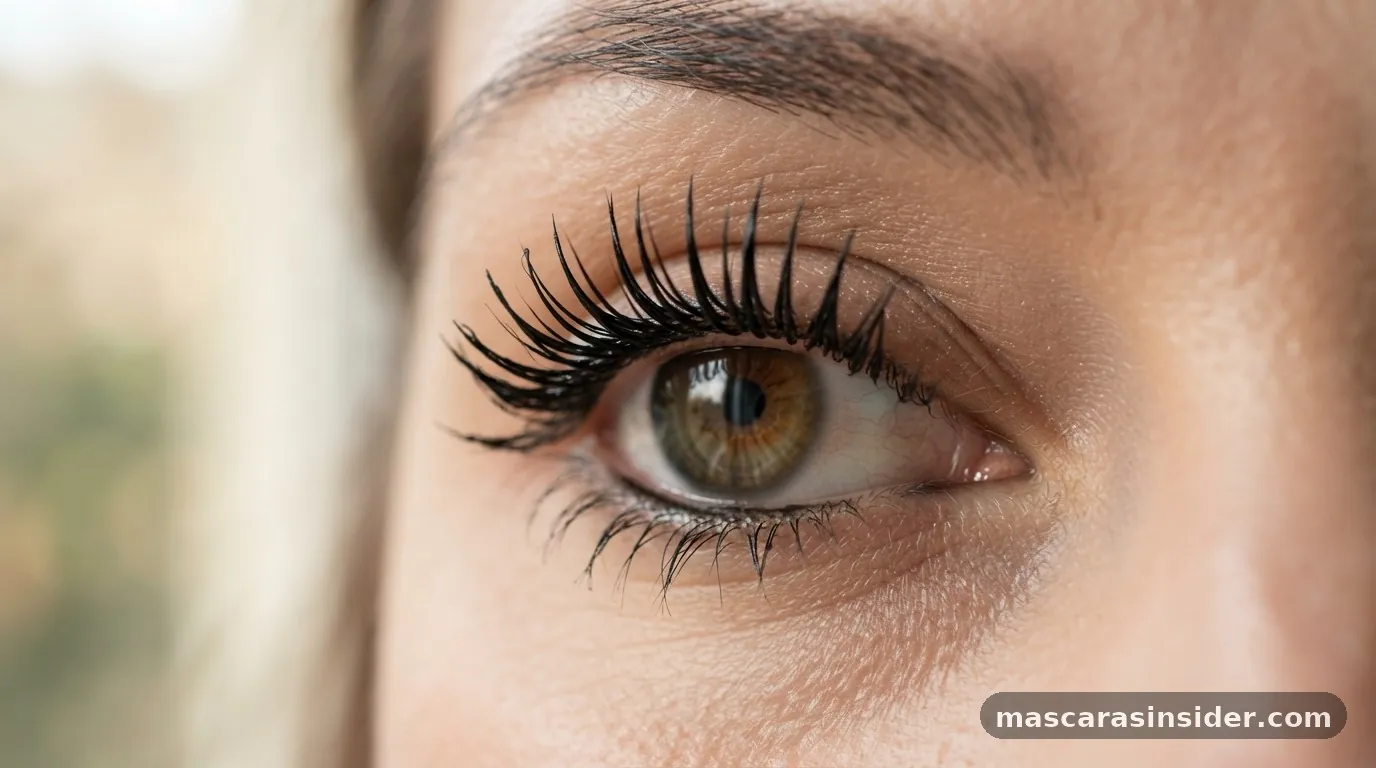
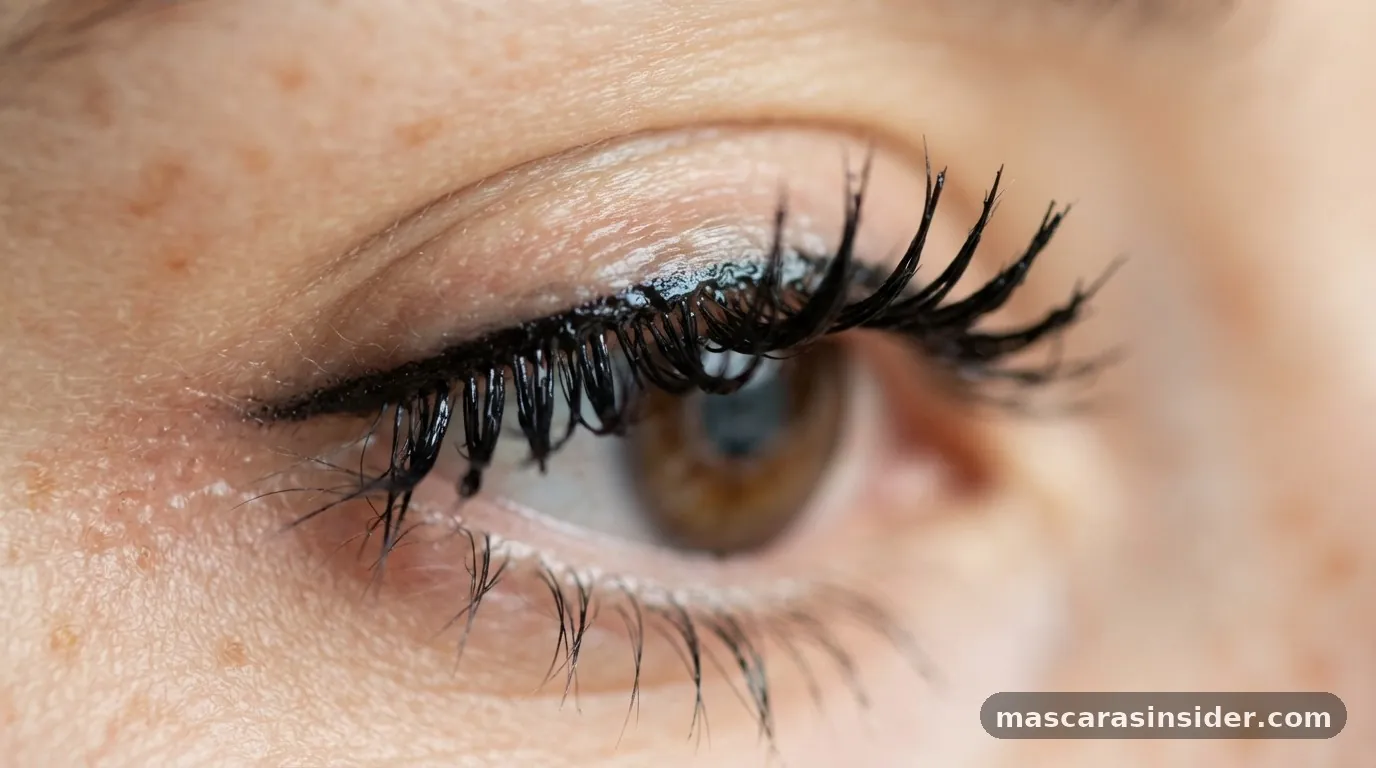
On average, most standard mascaras take between 30 to 60 seconds to dry to a point where they are no longer prone to immediate smudging. However, “dry” is a relative term in the world of cosmetics.
While the surface might feel set after a minute, the inner layers of the product often remain pliable for several minutes longer. This is why you might find that even after a minute of waiting, a particularly heavy application can still leave a mark if you rub your eye or get caught in a sudden humid breeze.
The drying time is primarily dictated by the evaporation of solvents within the formula. When you pull the wand out of the tube, you are exposing the liquid to air, which initiates the process. As you apply it to your lashes, the heat from your skin and the ambient temperature of the room help those solvents evaporate, leaving behind the pigments and waxes that coat your lash hair.
If you are applying multiple coats, the drying time increases exponentially. The first layer acts as a base, and the second layer traps moisture between the lash and the initial coat, requiring more time to set properly.
Variables That Impact Drying Speed
Several factors influence how quickly your makeup sets, and ignoring them is often why people end up with “raccoon eyes” by noon. The most significant variable is the formula itself.
Waterproof versions are engineered to repel moisture, which generally means they contain volatile solvents designed to evaporate extremely quickly. In contrast, tubing mascaras or conditioning formulas often contain oils or waxes that take longer to harden.
Environmental factors play a massive role as well. Humidity is the enemy of a quick-drying lash product.
If you live in a high-humidity climate or are applying your makeup in a steamy bathroom after a hot shower, the air is already saturated with moisture. This prevents the solvents in your product from escaping into the air efficiently, effectively doubling or even tripling the time it takes for the product to set.
1. Ambient humidity levels in your room.
2. The concentration of waxes versus oils in the formula.
3.
The volume of product applied per stroke.
4. The temperature of the air around your eyes.
Techniques to Speed Up the Process
If you are always in a rush, you might be looking for ways to accelerate the drying time. The most effective method is using a gentle stream of cool air. You can use a handheld fan or even just a clean, dry makeup brush to fan your lashes for about 15 seconds after application.
This promotes faster evaporation without the risk of irritating your eyes with debris. Some people try using a hairdryer on the cool setting, but you must be extremely careful to keep the airflow low and directed away from your sensitive eye tissue.
Another professional trick involves the “blink and hold” method. After you apply your mascara, look downward into a mirror and keep your eyes partially closed for about 30 seconds.
By keeping your lashes away from your upper eyelid skin during this critical window, you prevent the wet product from transferring onto your skin. This simple adjustment often eliminates the need for cleanup entirely.
When Mascara Inside the Tube Dries Out
It is important to distinguish between how long the product takes to dry on your lashes versus how long the formula lasts inside the container. A common mistake is pumping the wand in and out of the tube to get more product.
This action forces air into the tube, which accelerates the oxidation and drying process of the entire supply. Once your mascara starts to become thick, clumpy, or difficult to apply, it is a clear sign that the product has reached the end of its lifespan.
According to the U.S. Food and Drug Administration, you should be vigilant about the shelf life of your eye products. Most manufacturers recommend that you replace your tube every three months.
Beyond this point, the preservatives in the formula lose their efficacy, which can lead to bacterial growth. If you notice your mascara is drying out prematurely, do not attempt to “revive” it by adding water or oil, as this introduces contaminants directly into the product and can lead to eye infections.
Comparison of Formula Types and Drying Times
Different types of mascara behave differently on the lash. Understanding these differences can help you choose the right product for your specific routine and lifestyle.
| Mascara Type | Estimated Drying Time | Key Characteristic |
|---|---|---|
| Waterproof | 15–30 seconds | Rapid evaporation, high solvent content |
| Volumizing (Wax-heavy) | 60–90 seconds | Thicker consistency, slower to set |
| Tubing | 45–60 seconds | Forms polymer “tubes” that need to set |
| Natural/Organic | 90+ seconds | Often oil-based, very slow drying |
As shown in the table above, the formula composition dictates the wait time. If you are using a natural or organic product, you must be prepared to wait longer. These formulas often rely on plant-based waxes rather than synthetic polymers, which simply do not evaporate as quickly as the harsh solvents found in conventional waterproof products.
Addressing Common Topical Gaps
There is a widespread misconception that if you don’t open your mascara, it will last indefinitely. This is false. Even sealed tubes have an expiration date, usually indicated by the PAO (Period After Opening) symbol on the packaging, which is often a small jar icon with a number like “6M” or “12M.”
However, the chemical stability of the ingredients begins to degrade from the moment of manufacture. If you find a tube in your drawer that has been sitting for over a year, it is best to discard it regardless of whether it has been opened.
Another gap in knowledge concerns the impact of lash serums. Many people apply lash growth serums before their makeup. If the serum has not completely absorbed into the skin and hair follicles, it creates a slippery, moist base.
This will significantly increase the time it takes for your mascara to dry. Always ensure your lash line is completely dry to the touch before you begin your makeup application. If you have applied eye cream or serum, give it at least five minutes to sink in before reaching for your wand.
Troubleshooting Smudging and Transfer
If you find that your mascara is consistently transferring or smudging, it may not be a drying time issue at all. Sometimes, the oils from your natural skin chemistry or your skincare routine break down the formula. If you have hooded eyes, your lashes may naturally touch your upper eyelid skin, which will inevitably cause smudging if the mascara is even slightly tacky.
To combat this, you can use a translucent setting powder on your eyelids before applying your makeup. This absorbs excess oil and creates a matte surface that is less likely to pick up pigment.
Additionally, applying a thin layer of a clear lash primer can act as a barrier between your lashes and your skin. If you continue to experience issues, consider switching to a tubing mascara, which is designed to form a film around the lash that does not smudge or flake, even if it gets slightly damp.
1. Clean the wand with a paper towel if it looks clumpy.
2. Use a lash comb to separate lashes immediately after application.
3.
Apply a light dusting of powder under the eyes to catch any fallout.
4. Avoid heavy eye creams directly on the lash line.
5. Check your mirror frequently during the first two minutes of wear.
Maintaining Hygiene for Your Eyes
Keeping your eyes healthy is just as important as how your makeup looks. Because your eyes are highly sensitive, the products you use near them must be handled with care.
Never share your mascara with anyone else, as this is the fastest way to transmit bacteria. If you have experienced an eye infection like pink eye, you should immediately discard all eye makeup you were using at the time, as the brush wand can harbor bacteria that will reinfect you later.
When you notice that your mascara is getting near the end of its life, don’t try to stretch it. Using old, dried-out product often results in flaking, which can lead to tiny particles falling into your eye. This is not only uncomfortable but can cause micro-abrasions on the cornea.
It is far better to have a fresh, effective product that applies smoothly than to struggle with a crusty, expired one. Always store your makeup in a cool, dry place away from direct sunlight, as heat can degrade the chemical structure of the formula and make it dry out much faster than it would under normal conditions.
Frequently Asked Questions
How long should I wait before applying a second coat?
You should wait approximately 30 to 45 seconds between coats. This allows the first layer to become tacky enough to grip the second layer without causing clumping. If you apply the second coat too quickly, the wand will simply remove the first layer.
Does temperature affect how fast mascara dries?
Yes, temperature significantly impacts drying time. Higher temperatures generally speed up the evaporation of solvents, while cooler, humid temperatures slow it down. If you are in a cold room, you might find that your mascara stays wet and tacky for much longer than usual.
How can I tell if my mascara is officially dry?
You can perform a gentle “touch test” by lightly tapping the very tips of your lashes with a clean, dry fingertip. If the product feels tacky or leaves a mark on your skin, it is not yet fully dry. If it feels firm and does not transfer, you are safe.
Is it normal for mascara to feel heavy when it dries?
It is normal for some thickening formulas to feel slightly heavier than others, but it should never feel uncomfortable. If your lashes feel stiff, crunchy, or heavy to the point of irritation, the formula may be too thick or you may be applying too many layers.