
Daily application of eye makeup is a standard part of many beauty routines, yet the frequent use of mascara often raises concerns about long-term ocular health. While these products are designed to enhance your appearance, they interact directly with the delicate tissues surrounding your vision, and improper handling can lead to discomfort or infection.
The Biological Impact of Mascara on Ocular Surface Health
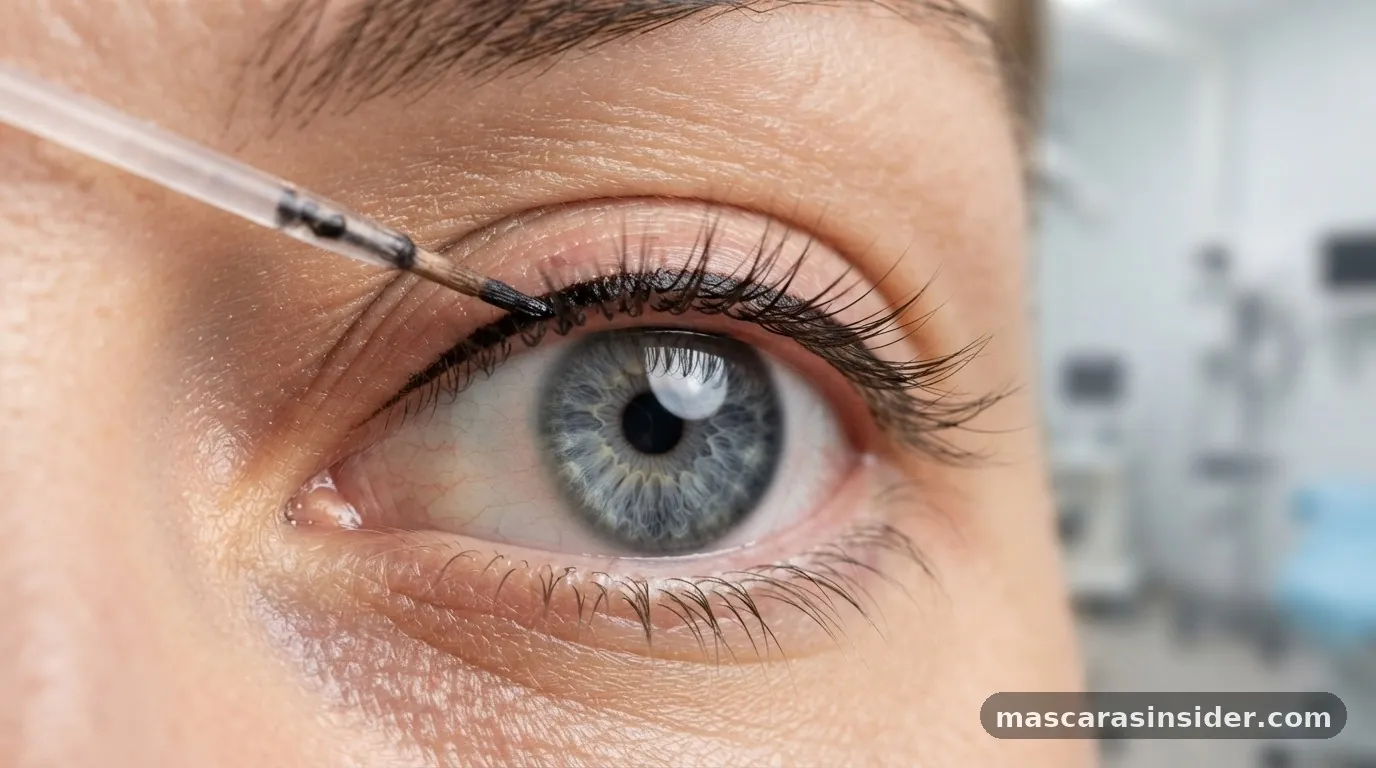
Is mascara bad for your eyes? In short, it is generally safe when used correctly, but it poses significant risks if you ignore hygiene or use expired products. The primary concern lies in how the chemicals and physical particles in makeup interact with the tear film.
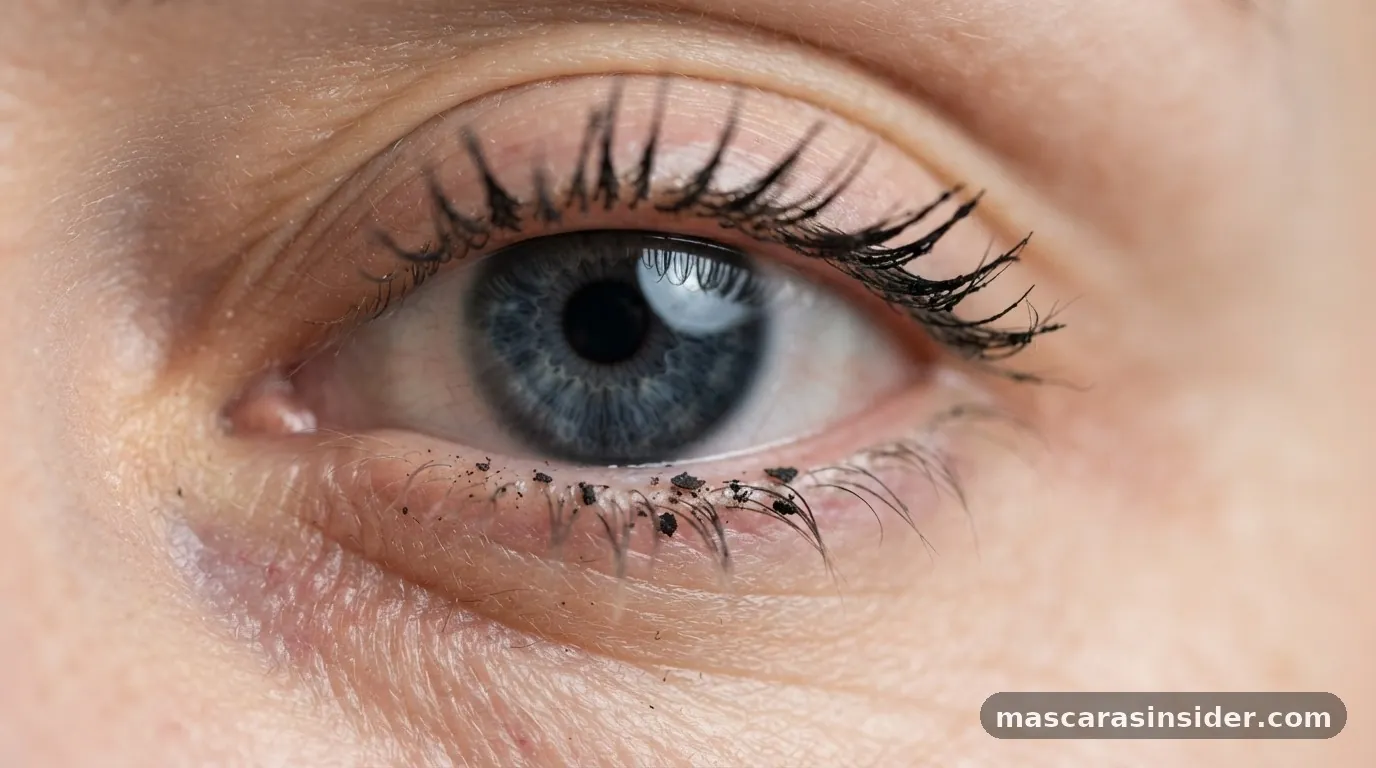
Your eyes rely on a thin, complex layer of tears to remain lubricated and protected from debris. When you apply pigments and waxes to your lashes, microscopic particles can flake off and land on the cornea or enter the meibomian glands—the tiny oil-producing glands located along your eyelid margins.
If these glands become blocked by waxy residue, the quality of your tears degrades, often resulting in dry eye syndrome. This condition manifests as persistent irritation, redness, and a gritty sensation. Because the eye area is highly vascular and sensitive, any chemical irritation can trigger an inflammatory response.
Furthermore, many formulas contain preservatives like parabens or formaldehyde-releasers to prevent microbial growth. While these ingredients are effective at keeping the product sterile inside the tube, they can trigger allergic reactions or contact dermatitis on the thin, fragile skin of your eyelids.
Common Risks Associated with Daily Mascara Use
The consistent, daily use of eye makeup increases the cumulative exposure to environmental contaminants and chemical irritants. When you wear mascara for extended periods, you increase the likelihood of product migration.
As the day progresses, natural oils from your skin and the heat from your face can cause the product to smudge or flake. If these flakes migrate into the eye, they act as a foreign body, potentially causing corneal abrasions or severe conjunctivitis.
1. Bacterial contamination: Every time you pump the wand into the tube, you introduce air and bacteria.
2. Clogged meibomian glands: Waxy formulas can build up at the lash base, disrupting oil secretion.
3.
Allergic reactions: Fragrances and pigments can cause redness, itching, and swelling of the eyelid margin.
4. Corneal irritation: Flaking particles can scratch the surface of the eye, causing pain and light sensitivity.
It is crucial to recognize that the risk is not necessarily in the product itself, but in the environment you create for bacteria. A warm, dark, and moist tube of mascara is an ideal breeding ground for pathogens like Staphylococcus aureus. If you have a compromised immune system or a history of ocular infections, you must be particularly vigilant about how you store and apply these cosmetics.
Navigating Eye Makeup for Contact Lens Wearers
If you wear contact lenses, your eyes are already more prone to irritation and infection. The lens sits directly on the cornea, acting as a potential trap for makeup particles.
If a stray fiber from your mascara gets caught between the lens and your eye, it can cause immediate, sharp pain and, if left unattended, a corneal ulcer. This is why lens wearers must follow stricter hygiene protocols than those who do not use vision correction.
When applying makeup, always insert your lenses before you start your beauty routine. This prevents you from accidentally getting oils or makeup residue on the lenses themselves, which can cause the lenses to become cloudy or uncomfortable. Conversely, remove your lenses before you begin the process of washing off your makeup.
This ensures that you don’t accidentally push debris into your eye during the cleansing stage. If you notice your eyes becoming red or blurry while wearing your lenses, discontinue use immediately and consult an eye care professional.
| Factor | Standard Users | Contact Lens Users |
|---|---|---|
| Infection Risk | Low (with proper hygiene) | Moderate to High |
| Particle Sensitivity | Mild | High (trapped debris) |
| Makeup Removal | Standard cleanser | Oil-free, non-irritating |
| Replacement Cycle | 3 months | 1-2 months recommended |
The Importance of Proper Hygiene and Expiration
Many people treat their makeup bags as permanent fixtures, but cosmetics have a limited lifespan. Because mascara is a liquid-based product, it is particularly susceptible to bacterial growth. Once you open a tube, the protective preservatives begin to break down.
Most dermatologists and optometrists recommend replacing your mascara every three months. If you notice a change in the smell, texture, or color of the product, you should discard it immediately, regardless of how long you have owned it.
Proper eye health also involves how you handle the wand. Never share mascara with friends, as this is the fastest way to transmit bacteria from one person to another. If you have recently recovered from an eye infection like pink eye, you should throw away all eye makeup you were using at the time, as the wand is almost certainly contaminated.
Furthermore, always ensure you are applying the product to clean lashes. If you apply makeup over old, crusty residue, you are essentially “caking” bacteria onto your eyelid margin, which significantly increases the chance of developing a stye or blepharitis—a chronic inflammation of the eyelids.
How to Safely Remove Eye Makeup
The most common point of failure for eye safety is the removal process. Many people scrub their eyes vigorously with harsh wipes or soaps, which can damage the delicate skin around the eyes and pull out healthy lashes. Instead, use a gentle, fragrance-free makeup remover specifically designed for the eye area.
Soak a cotton pad or a reusable cloth in the remover and hold it against your closed eyelid for about 30 seconds. This allows the product to dissolve the mascara, letting you wipe it away in a downward motion without pulling or rubbing.
You can learn more about proper eye care and identifying potential issues through the resources provided by the American Academy of Ophthalmology regarding safe makeup practices. Following these guidelines ensures that you aren’t leaving behind residual pigment that could migrate into your eyes while you sleep.
If you find that your eyes are consistently itchy or irritated, try switching to a formula labeled as “hypoallergenic” or “ophthalmologist-tested.” While these labels aren’t a guarantee against all reactions, they generally indicate that the product has been formulated to be less irritating to the ocular surface.
Addressing Topical Gaps: Natural vs. Synthetic Products
There is a common misconception that “natural” products are inherently safer for your eyes. In reality, “natural” ingredients can be just as irritating as synthetic ones.
For example, botanical extracts, essential oils, and fruit-based pigments can cause severe allergic reactions in the sensitive skin surrounding the eye. Whether a product is natural or synthetic is less important than how your specific body chemistry reacts to the ingredients.
Furthermore, waterproof formulas are notorious for being difficult to remove, often requiring harsh mechanical scrubbing or heavy-duty solvents. This friction can lead to physical trauma to the eyelid and the base of the lashes.
If you are prone to dry eye or have particularly sensitive skin, consider using a water-based, washable formula for daily wear, reserving waterproof products only for special occasions where you truly need the longevity. Always check the ingredient list for common allergens if you have a known history of sensitivity to specific preservatives or dyes.
Frequently Asked Questions
Can mascara cause permanent vision damage?
While it is very rare for mascara to cause permanent blindness, severe, untreated infections or chronic inflammation caused by dirty makeup can lead to scarring of the cornea. If you experience persistent pain, vision changes, or severe redness, see a doctor immediately to prevent long-term damage.
How often should I replace my mascara?
You should replace your mascara every three months. The liquid environment inside the tube is a breeding ground for bacteria once the seal is broken. If you have an eye infection, replace it immediately, even if it is brand new, to prevent re-infecting your eyes.
Is it okay to wear mascara every single day?
Wearing it daily is generally fine if you maintain excellent hygiene. The key is thorough, gentle removal every night. Never sleep in your makeup, as this allows particles to migrate into the eyes and can block the oil glands along your lash line, leading to discomfort.
What are the signs of an allergic reaction to mascara?
Common symptoms include itchy, watery, or red eyes, as well as swelling or flaking skin on the eyelids. If you notice these signs, stop using the product immediately and rinse your eyes with a sterile saline solution. If the symptoms persist, consult a professional for treatment.