

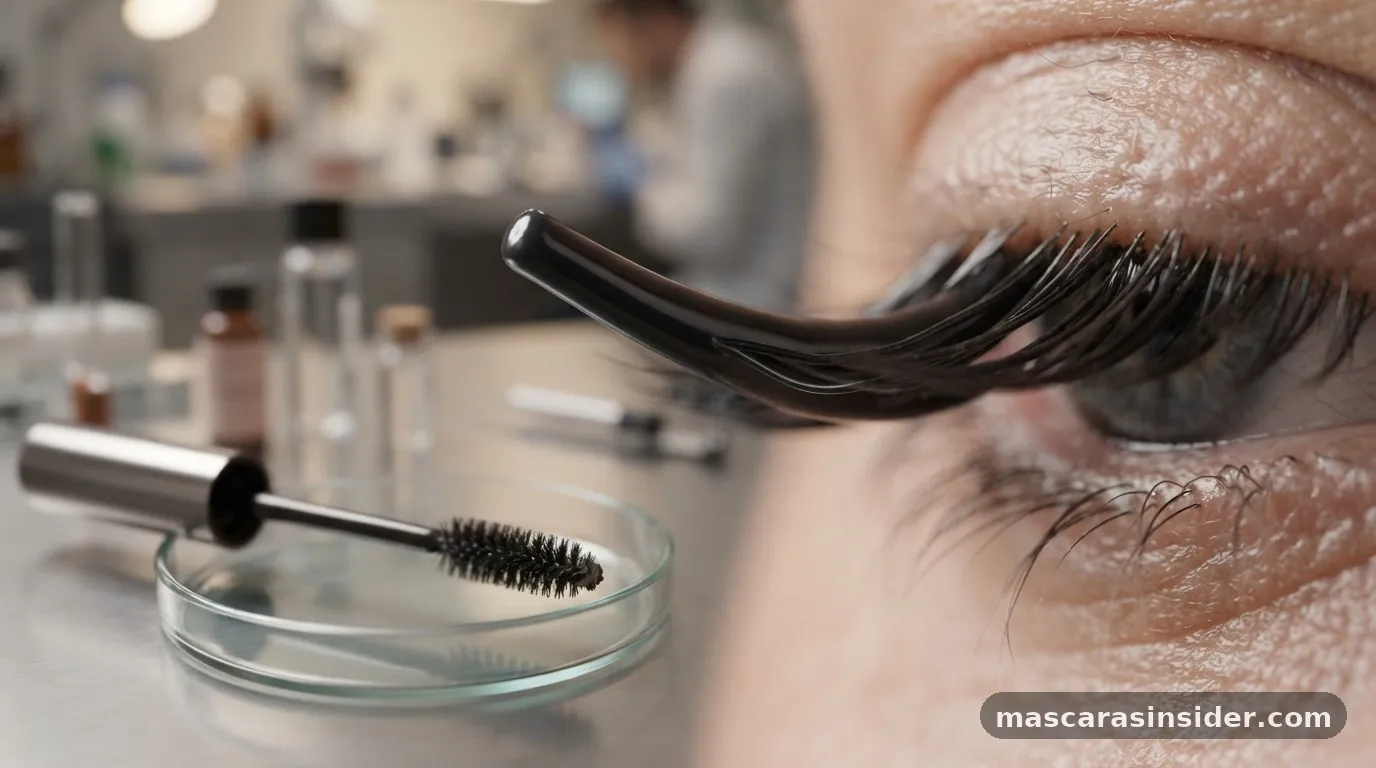
Tubing mascara is a distinct category of eye makeup that functions fundamentally differently from traditional pigment-based products. Instead of coating your lashes in layers of colored wax or oil, this technology wraps each individual hair in a water-resistant, polymer-based sheath.
When you apply it, these polymers slide over the lash and dry into tiny, flexible tubes that stay firmly in place until they meet a specific removal condition. If you have ever dealt with the frustration of midday raccoon eyes or stubborn smudging, understanding the mechanics of these products is the first step toward a more reliable beauty routine.
The Core Mechanism Behind Tubing Formulas
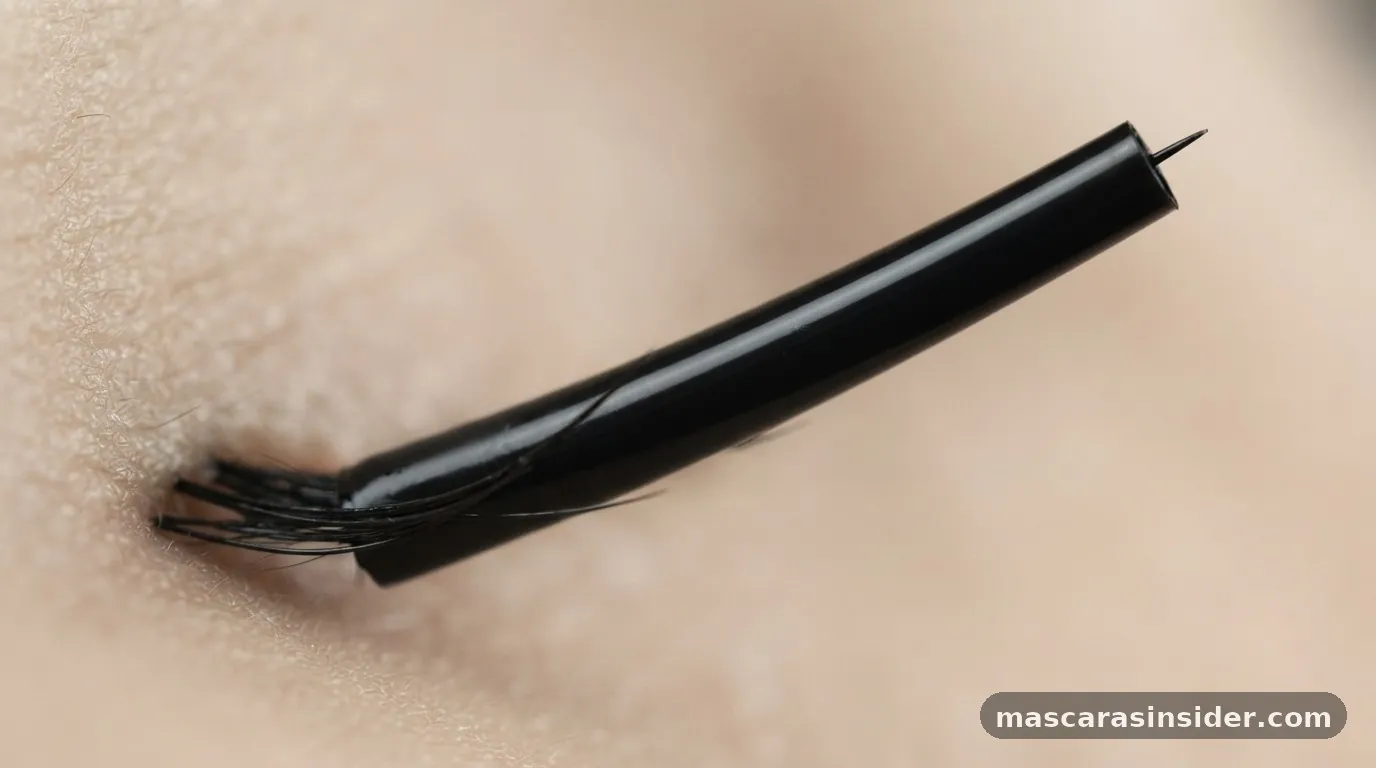
Tubing mascara works by forming physical, cylindrical structures around individual lashes rather than relying on pigment suspension. While traditional products use waxes and oils that can melt or migrate when exposed to heat or skin oils, the polymers in a tubing formula remain inert.
Once the formula dries, it essentially creates a sleeve that is impervious to the natural moisture produced by your eyes. This is why people with oily lids or those who live in humid climates often find this technology to be the only solution that prevents unwanted smudging.
The science relies on synthetic polymers, usually acrylates, which have high adhesion properties. As you pull the wand through your lashes, the formula clings to the hair shaft and shrinks slightly as it dries. This shrinkage helps to grip the lash, which is why these formulas are frequently marketed for their lengthening capabilities.
Because the tubes are anchored to the base and extend to the very tip, they effectively add physical length to every single hair. Unlike heavy wax formulas that might droop over time, these polymers are lightweight, helping to maintain a lifted appearance throughout the day.
Differentiating Tubing Mascara from Regular Mascara
Regular mascara relies on a blend of pigments, waxes, and oils to build thickness and color. These components are designed to be malleable, which allows for multiple coats but also makes the product susceptible to environmental factors.
Because traditional formulas are essentially semi-solid fats, they can break down when they come into contact with the natural sebum produced by your skin. When you blink, the friction between your lashes and your eyelids can transfer these oils, leading to that characteristic black smear under the eye.
Tubing mascaras, by contrast, are fundamentally stable. They do not contain the same high concentration of waxes that soften under body heat. This makes them highly resistant to smudging, sweating, and humidity.
However, there is a trade-off. Because they are designed to form a cohesive sleeve, they generally offer less “buildability” than traditional products.
You cannot keep layering them indefinitely, as the tubes will eventually clump together or become too heavy. Most users find that one or two coats are sufficient to achieve a defined, clean look.
| Feature | Tubing Mascara | Regular Mascara |
|---|---|---|
| Removal Method | Warm water and gentle pressure | Cleansing oil or makeup remover |
| Smudge Resistance | Very High | Moderate to Low |
| Primary Composition | Synthetic Polymers | Waxes, Oils, and Pigments |
| Volume Potential | Moderate | High |
The Unique Removal Process
The most significant departure from traditional makeup is how you remove the product. Because the tubes are water-resistant but not oil-soluble, typical makeup removers or micellar waters often struggle to dissolve them. Instead, you need warm water.
When you soak your lashes in warm water for about thirty seconds, the polymers loosen their grip. You can then gently slide the tubes off your lashes using your fingertips or a damp cloth. It is a highly satisfying process that avoids the need for harsh rubbing.
This removal method is significantly gentler on the delicate eye area than scrubbing away at stubborn waterproof wax formulas. You do not need to use cotton pads soaked in chemicals, which can cause irritation or pull at the lashes. For those who are concerned about lash health, this is a major benefit.
By minimizing the mechanical stress required to clean your eyes every evening, you reduce the risk of accidental lash loss. For more information on maintaining ocular health, you can visit the American Academy of Ophthalmology to learn about proper eyelid hygiene.
Addressing Common Concerns and Topical Gaps
One question frequently asked is whether tubing mascara is healthier for your lashes. The answer is nuanced. While the gentle removal process is undoubtedly better for the hair follicles, the formula itself is not necessarily “nourishing.”
It is a cosmetic product, not a treatment. However, because it does not require vigorous rubbing, it prevents the physical trauma that often leads to breakage. If you have brittle or thin hair, the lack of friction during cleansing is a substantial advantage.
Another concern is flaking. While these formulas are generally smudge-proof, some lower-quality versions may experience “flaking” if the tubes dry out too much or if the formula is not applied correctly. If you see tiny black specks on your cheeks, it usually means the tubes have lost their elasticity and are cracking.
To avoid this, ensure your bottle is tightly capped after every use to prevent the solvents from evaporating prematurely. If you notice your mascara is getting “gummy” or thick, it has likely reached the end of its lifespan, which is typically three months for all liquid eye products.
Choosing the Right Formula for Your Needs
Not all of these products are created equal. Some are designed specifically for lengthening, while others aim for a volumizing effect. When you are shopping, look for the word “polymers” in the ingredient list.
If the label mentions “acrylates copolymer,” you are likely looking at a true tubing formula. If you prefer a more natural appearance, look for a wand that has shorter, plastic bristles. These wands are excellent at separating lashes and ensuring the tubes wrap cleanly without sticking together.
1. Start by curling your lashes to create a base for the tubes to grip.
2. Apply the formula starting at the roots and wiggling the wand upward.
3.
Work quickly before the polymers begin to set, as re-coating after the tubes have dried can lead to clumping.
4. Let the product dry completely for at least sixty seconds before blinking excessively.
5. If you want more intensity, apply a second coat while the first is still slightly tacky.
6.
Remember that you do not need to layer these as heavily as traditional mascara.
7. To remove, saturate your lashes with warm water for a full thirty seconds.
8.
Use your fingers to gently pull the tubes away from the lashes.
9. Dispose of the tubes in the trash; do not wash them down the drain if they are large enough to clog pipes.
Optimizing Your Look with Tubing Technology
To achieve the best results, you need to change how you think about application. Because the product is essentially a liquid wrap, it behaves best when it has a smooth surface to adhere to. If you apply a heavy eye cream or oil-based serum to your eyelids immediately before, the residue can interfere with the adherence of the tubes.
Always let your skincare absorb fully before starting your eye makeup. This ensures that the polymers stay attached to the hair rather than sliding down onto your lower lash line.
Many people find that these formulas are perfect for the “no-makeup” makeup look. Because they define each lash individually, they create a clean, wide-eyed effect that looks very intentional. If you have shorter lashes, the lengthening effect is often more dramatic than what you get with traditional volumizing mascaras.
Since the tubes add physical mass to the tip of the lash, they can make even the shortest hairs appear significantly longer. Even if you have very straight lashes, the lightweight nature of the polymer helps hold a curl better than heavier, oil-based products that can weigh the hair down.
FAQ: Frequently Asked Questions
Does tubing mascara provide the same volume as traditional formulas?
It generally provides less volume than high-wax formulas. While it excels at lengthening and defining, it cannot be layered indefinitely to create massive, clumpy volume without potentially causing the tubes to stick together or flake off during the day.
Is tubing mascara actually waterproof?
It is water-resistant, not strictly waterproof. It holds up perfectly against tears, sweat, and humidity because it requires warm water and physical pressure to release. However, it is not designed for swimming or heavy submersion, as prolonged exposure to water will eventually cause the tubes to slide off.
Why does my tubing mascara sometimes flake?
Flaking usually occurs when the formula is old or the tube has been left open, causing the polymers to lose their flexibility. When the tubes become brittle, they crack as you blink, resulting in small, dry particles falling onto your face rather than staying attached to the lash.
Can I use a lash primer with tubing mascara?
You can, but it is often unnecessary. Most tubing formulas are already designed to be high-performance. If you do use a primer, ensure it is completely dry before applying the tubing mascara, as any moisture or oil from the primer can prevent the polymers from properly adhering to your lashes.