
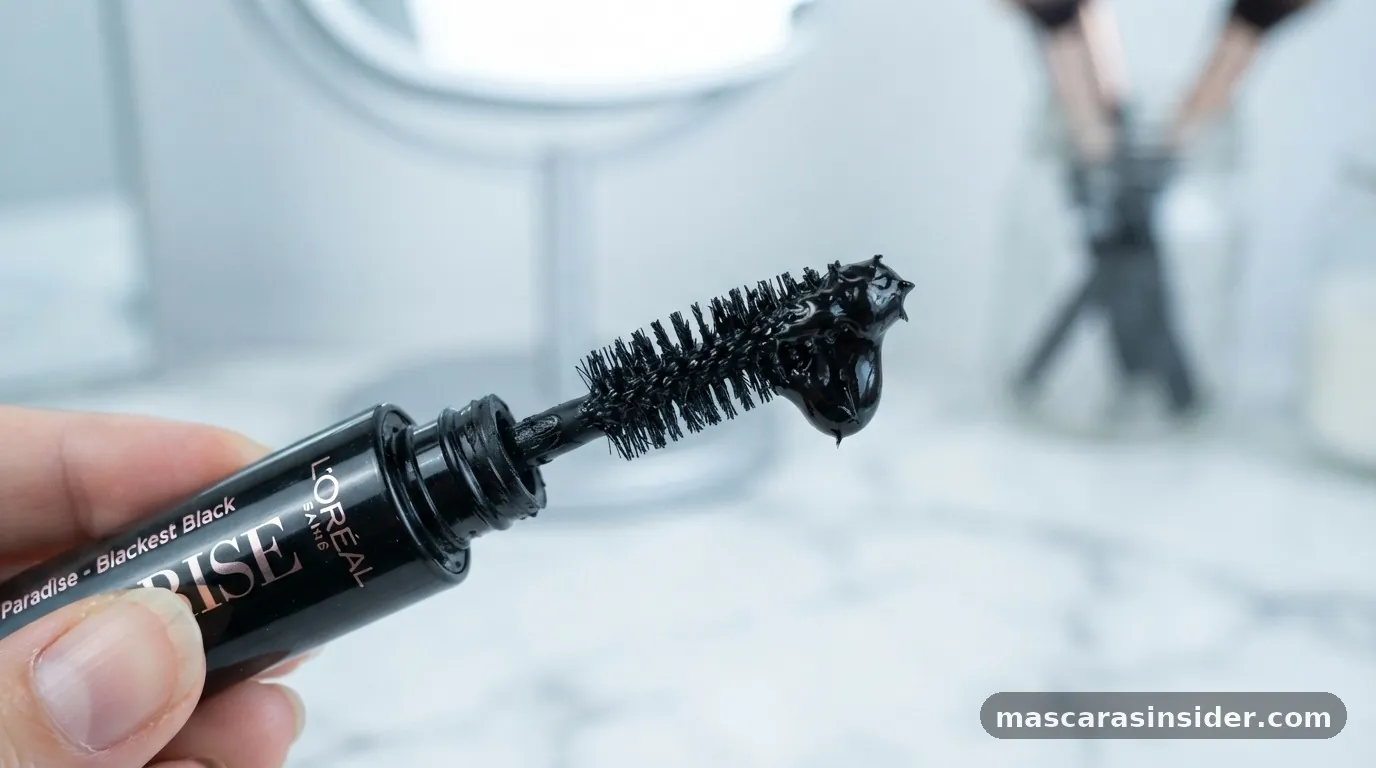
Sharing beauty products is a common habit among close friends and family members, but when it comes to the delicate area around your eyes, the stakes are significantly higher. You might wonder, is it bad to share mascara?
The short answer is yes; it is widely considered a poor hygiene practice that poses a genuine risk to your ocular health. Mascara wands are prime breeding grounds for microscopic organisms, and because the eye is a highly sensitive and vulnerable organ, introducing foreign pathogens can lead to uncomfortable and sometimes serious conditions.
Why Mascara Is a High-Risk Product
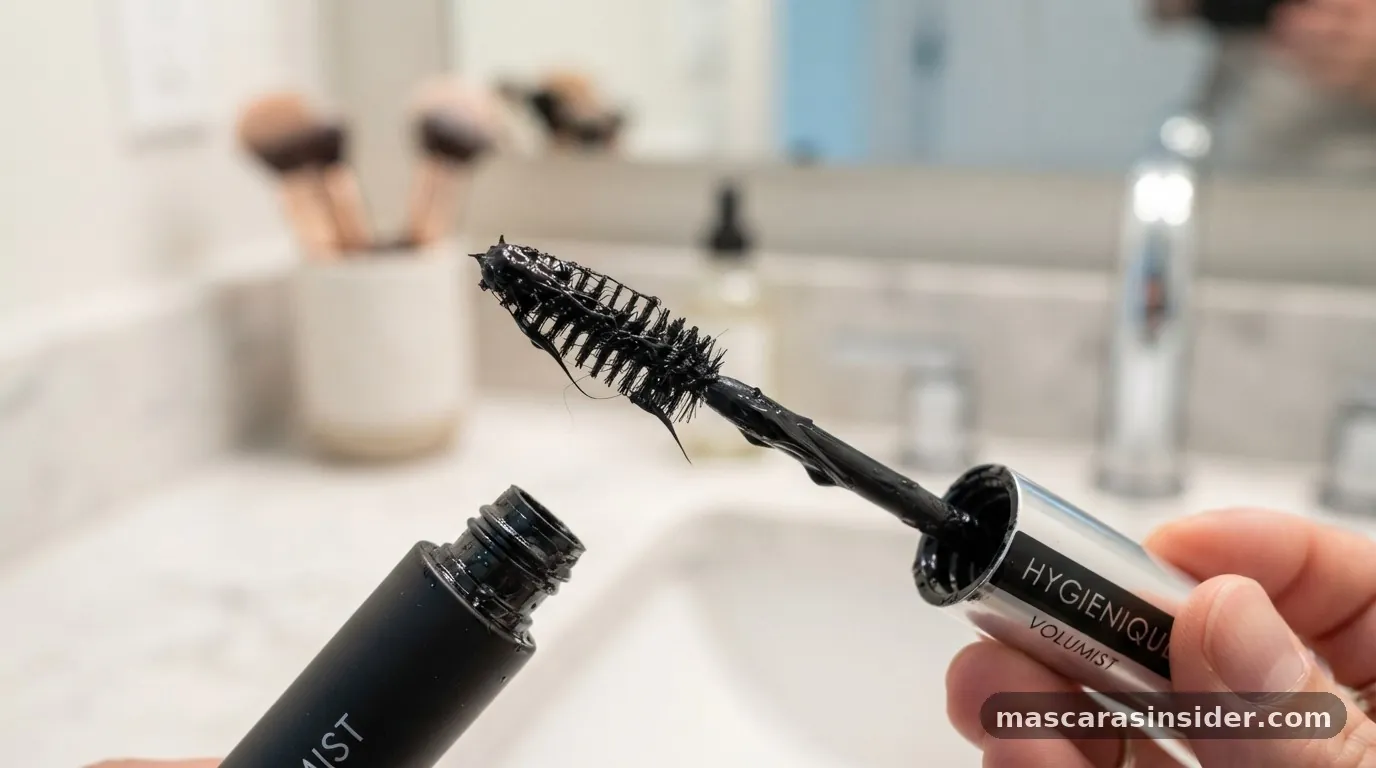
Mascara poses a high risk because it is a liquid-based product stored in a dark, moist tube, which creates an ideal environment for microbial growth. Every time you pull the wand out to apply product to your lashes and then push it back into the container, you are essentially pumping air and potentially contaminated particles into the tube. When you share this product with a friend, you are not just swapping makeup; you are exchanging whatever bacteria or viruses were present on their skin or eyelashes.
The applicator wand acts as a vehicle that transports these unwanted guests directly to your lash line. Unlike powder products, which are generally drier and less hospitable to life, liquid formulas provide the moisture and nutrients that microorganisms need to thrive.
If you use a product that has been exposed to someone else’s eye environment, you are effectively bypassing your body’s natural defenses and placing foreign biological material directly onto your mucous membranes. This is why dermatologists and ophthalmologists consistently warn against the practice, emphasizing that your makeup bag should be a personal, private space.
The Role of Bacteria and Ocular Infections
The primary danger associated with sharing makeup is the transmission of bacteria that can trigger an infection. Your eyes are constantly protected by a delicate balance of flora, and introducing a new strain of bacteria can easily disrupt this ecosystem. Common pathogens like Staphylococcus aureus—a type of bacteria often found on the skin—can migrate from a friend to your lash line, leading to conditions like conjunctivitis, commonly known as pink eye.
Pink eye is highly contagious and can cause redness, itching, discharge, and significant discomfort. While it is often treatable with antibiotics, it is an avoidable misery that can easily be prevented by keeping your mascara to yourself.
In more severe cases, contaminated eye makeup can lead to styes or even corneal ulcers, which are far more serious and may require professional medical intervention. Understanding that your face is not a sterile environment is key; by sharing these products, you are essentially inviting someone else’s unique set of microorganisms to colonize your own ocular space.
Comparing Risks Across Different Beauty Products
Not all beauty supplies carry the same level of risk, though general hygiene rules apply to almost everything in your kit. Some items are inherently safer to share than others, while some are strictly off-limits. To understand the hierarchy of risk, consider how different items interact with your body’s surface.
| Product Category | Risk Level | Reasoning |
|---|---|---|
| Mascara & Liquid Eyeliner | Very High | Dark, moist tube; direct contact with mucous membranes. |
| Lip Gloss & Balm | High | Direct contact with saliva and mouth bacteria. |
| Powder Eyeshadow | Low | Dry environment; less hospitable to microbial growth. |
| Makeup Brushes | Moderate | Can be sanitized if cleaned regularly. |
As shown in the table above, liquid-based items are consistently the most dangerous to swap. While you might feel like sharing a bit of lip gloss or a tube of mascara is a friendly gesture, the biological reality is that you are transferring more than just color.
Even if a product looks clean, it can harbor invisible threats. When you consider the long-term health of your vision, the temporary benefit of sharing a beauty item simply does not outweigh the potential for a painful infection.
How to Maintain Proper Eye Hygiene
To keep your lashes healthy, you must adopt a strict routine for how you store and use your items. Beyond avoiding the sharing of wands, you need to be mindful of the shelf life of your beauty supplies.
Most experts recommend replacing your mascara every three months. Even if you are the only one using it, the formula will eventually break down, and the preservatives will lose their effectiveness, leaving the tube vulnerable to contamination over time.
1. Always remove your makeup before going to bed to prevent debris from irritating your eyes overnight.
2. Never pump the wand in and out of the tube, as this forces air inside and accelerates the drying process.
3.
If you develop any signs of irritation, such as burning or excessive tearing, stop using your current products immediately.
4. Keep your makeup in a cool, dry place rather than a steamy bathroom, which can encourage fungal and bacterial growth.
5. If you have had an eye infection, throw away all eye products you were using at the time, as they are likely contaminated.
By following these simple steps, you significantly reduce the odds of experiencing a problem. Good hygiene is about more than just washing your face; it is about respecting the integrity of the products you apply to your body. When you view your beauty routine through the lens of health rather than just aesthetics, it becomes much easier to justify keeping your supplies for your own exclusive use.
The Psychological Aspect of Sharing Beauty Items
It is worth acknowledging why we feel the urge to share. For many, people view makeup as a social tool, a way to bond with a friend or relative.
Whether it is a mother sharing with a daughter or two friends getting ready for a night out, the act of swapping items can feel like an expression of trust or intimacy. However, this social impulse often blinds us to the underlying biological risks.
You might feel like you are being stingy or distant by refusing to let someone use your mascara, but setting boundaries is actually a sign of maturity. You are protecting your own health and, by extension, theirs. If you have a friend who constantly asks to use your items, consider suggesting they keep their own travel-sized versions or offering to help them pick out a product that fits their specific needs.
Education is a powerful tool here; simply explaining that you prefer to keep your eye makeup personal for health reasons is a perfectly acceptable social boundary. For more detailed information on preventing eye infections, you can check out the guidance provided by the American Academy of Ophthalmology regarding ocular health and safety.
Addressing Common Myths and Misconceptions
There is a persistent myth that if you don’t see anything wrong with your eyes, the makeup must be safe. This is dangerous because many pathogens do not cause immediate symptoms.
You might be carrying bacteria that your own system is accustomed to, but those same bacteria could trigger an allergic reaction or an infection in someone else. Conversely, you could inherit a problem from someone who appears perfectly healthy.
Another misconception is that “natural” or “organic” makeup is somehow safer to share because it lacks traditional preservatives. In reality, these products are often even more prone to spoilage because they lack the chemical buffers that prevent microbial growth.
Whether you are using high-end department store brands or drugstore alternatives, the risk of cross-contamination remains the same. The makeup itself isn’t the enemy; it is the act of facilitating the transfer of microorganisms between two different faces.
Topical Gaps: What Most People Overlook
When discussing this topic, many articles focus solely on the mascara wand. However, the face and the surrounding skin play a major role in contamination.
Even if you don’t touch the wand to your skin, the oil and dead skin cells from your face can transfer to the wand, which then goes back into the tube. This creates a nutrient-rich soup for bacteria.
Furthermore, many people focus exclusively on mascara while ignoring other items that touch the eye area, such as eyelash curlers or eyeliner pencils. Eyelash curlers, in particular, are rarely cleaned, yet they come into direct contact with the base of your lashes every single day. If you share these tools, you are essentially creating a highway for bacteria to travel between users.
A comprehensive approach to eye hygiene requires you to look at your entire collection of makeup brushes and tools, not just the liquid formulas. If you must share, ensure that you are using disposable, one-time-use applicators, which can be found at most beauty supply stores. This allows you to maintain the social aspect of sharing without the medical downsides.
Frequently Asked Questions
Is it okay to share mascara if I use a disposable wand?
Yes, using a disposable wand is the only safe way to share. By using a fresh, single-use applicator for every application, you prevent the risk of introducing foreign bacteria back into the main tube, keeping the product safe for your personal use.
Can I sanitize my mascara wand to make it safe?
No, you cannot effectively sanitize a mascara wand. The material is porous and designed to hold the product, making it impossible to remove all bacteria. Once a wand has touched someone else’s eyes, it should be considered permanently contaminated and disposed of immediately.
What should I do if I accidentally shared my mascara?
Don’t panic, but monitor your eyes closely for the next few days. If you notice any redness, itching, discharge, or swelling, contact an eye care professional. If you want to be extra cautious, simply discard the product and replace it with a fresh tube.
How often should I replace my eye makeup?
General professional advice suggests replacing mascara and liquid eyeliner every three months. If the product starts to smell unusual, changes texture, or if you have had an eye infection, replace it immediately, regardless of how long you have owned it.