
We have all been there. You get home after a long, exhausting evening, and the thought of standing in front of the bathroom mirror to scrub away your makeup feels like a monumental task. You might wonder, is it bad to leave mascara on overnight?
The short answer is yes. While skipping a single night of cleansing might feel like a minor convenience, it sets off a chain reaction of negative effects on your delicate ocular health and the structural integrity of your lashes.
The skin around your eyes is the thinnest on your body, making it incredibly susceptible to environmental stressors and product buildup. When you leave makeup on, you are essentially trapping pollutants and chemicals against your skin for eight hours or more. This habit does not just affect your complexion; it compromises the health of your hair follicles and invites unwanted bacteria into your ocular environment.
The Biological Impact on Your Eyelashes
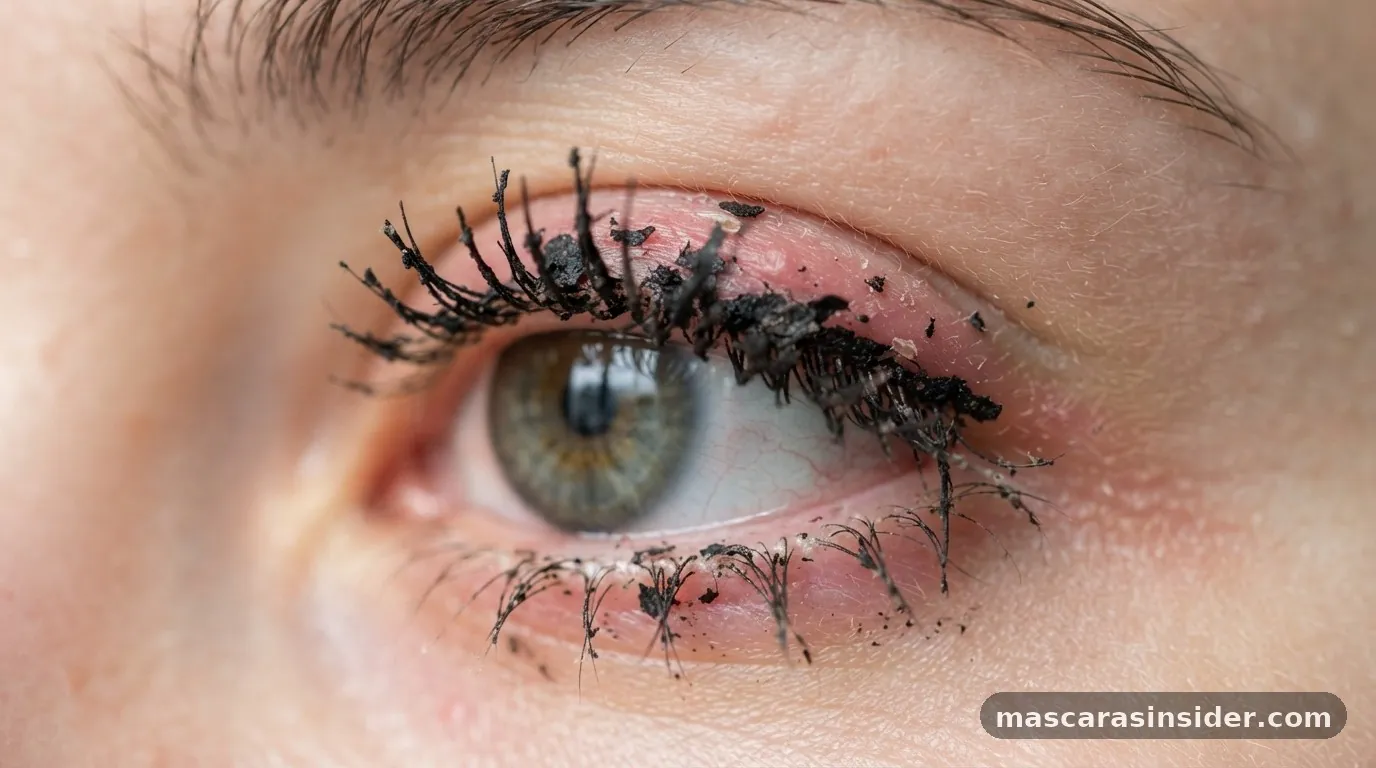
Is it bad to leave mascara on overnight for your lashes? Yes, it can cause your lashes to become brittle, dry, and prone to breakage.
Mascara formulas are designed to coat, thicken, and often harden on the lash shaft to provide volume and length. This hardening effect is intentional during the day, but it becomes a liability when you sleep.
1. When you leave cosmetic product on your lashes, they lose their natural flexibility.
2. As you toss and turn in your sleep, your lashes rub against your pillowcase.
3.
Because the mascara has hardened, the friction causes the lashes to snap or pull out prematurely.
4. Over time, this mechanical damage can lead to noticeably thinner, sparse-looking lashes.
The structural integrity of a lash depends on its ability to remain supple. When you coat them in a layer of pigmented wax and polymers, you essentially create a rigid cast.
If you do this every night, you are preventing your lashes from completing their natural shedding cycle properly, potentially damaging the follicle itself. If you are concerned about long-term damage, you can read more about proper eye makeup safety from the American Academy of Ophthalmology to understand how to protect your vision and eye health.
Ocular Irritation and Bacterial Growth
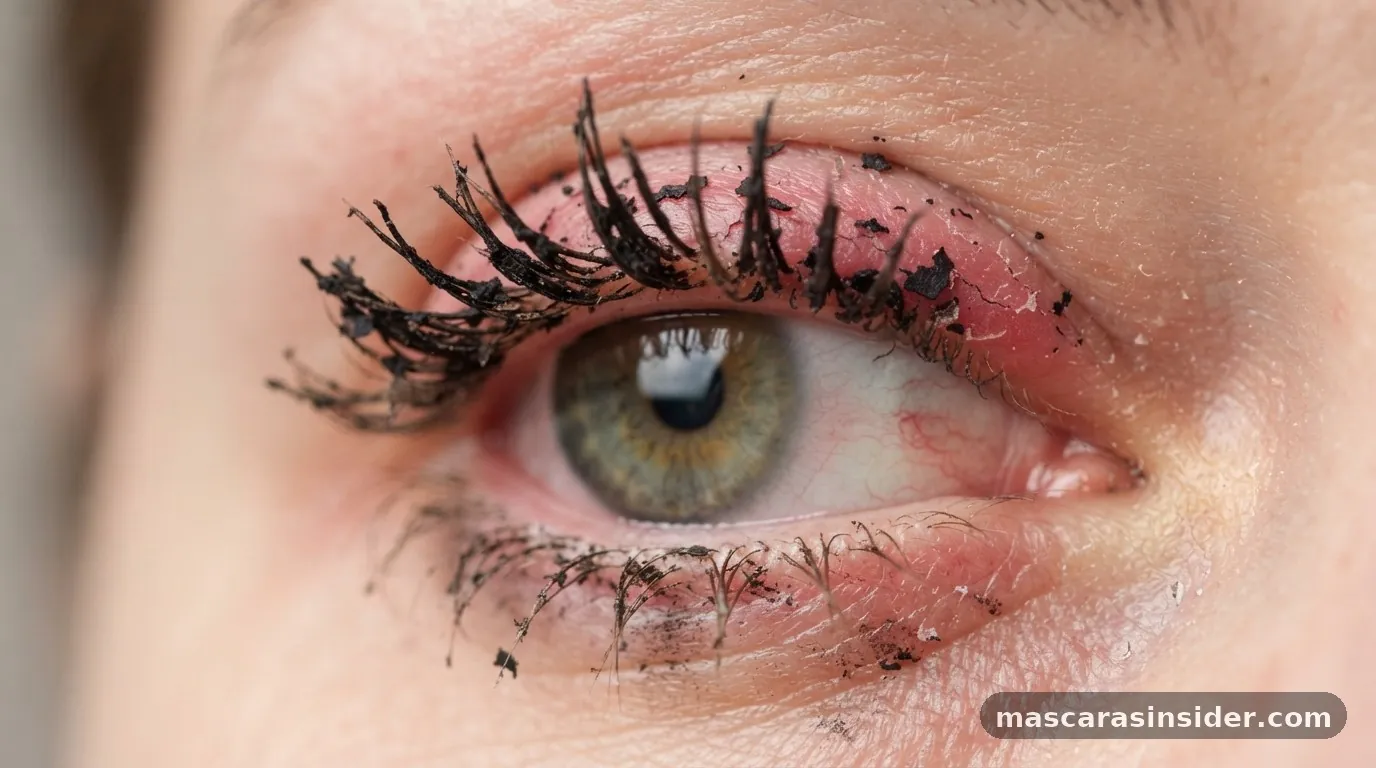
The most immediate risk of leaving makeup on your eyes is the potential for severe irritation. Your eyes are highly sensitive, and mascara is not formulated to be in contact with the eyeball for extended periods. When you sleep with mascara on, microscopic flakes of the product can migrate from your lashes onto the surface of your eye.
This migration often leads to redness, itching, and a gritty sensation. If you wake up with eyes that feel inflamed, it is likely because the product has disrupted your tear film. Furthermore, the dark, moist environment of your eyelids, when covered in heavy makeup, creates a breeding ground for bacteria.
* Styes: Trapped bacteria can infect the oil glands at the base of your lashes.
* Conjunctivitis: Contaminated makeup residue can introduce bacteria directly into the conjunctiva.
* Allergic Reactions: Prolonged exposure to preservatives and pigments increases the likelihood of a delayed contact dermatitis reaction.
* Corneal Abrasions: Small, hardened flakes of mascara can act like tiny shards of glass, scratching the delicate cornea as you blink or rub your eyes.
The Connection Between Makeup and Clogged Pores
Many people focus solely on the lashes, but the skin surrounding the eye is equally at risk. When you leave foundation, concealer, and mascara on, you are effectively sealing your pores. This is a common cause of milia, which are small, white, hard bumps that appear around the eyes.
These bumps are essentially keratin-filled cysts that form when the skin’s natural turnover process is blocked by heavy, occlusive makeup products. While they are not harmful in a medical sense, they are difficult to remove without professional help. Additionally, leaving makeup on can lead to the development of blackheads or localized acne breakouts on the eyelids and the upper cheekbone area.
Because the skin around the eye is so thin, it is also highly absorbent. Leaving chemicals on your skin for hours every night means that your body is potentially absorbing ingredients that were never intended to remain on the surface for that duration. This constant exposure can lead to sensitivity, dryness, and an overall dull, tired appearance the next morning.
Performance and Longevity of Your Beauty Products
Beyond the health risks, there is a practical beauty concern. If you do not remove your makeup, you are essentially “double layering” your products the next day. Applying fresh mascara over dried, clumpy residue from the previous night is a recipe for a messy, uneven application.
The following table outlines the difference between starting with a clean slate versus layering over old product:
| Feature | Clean Lashes | Unwashed Lashes |
|---|---|---|
| Application | Smooth and even | Clumpy and prone to flaking |
| Lash Health | Flexible and strong | Brittle and prone to breakage |
| Irritation Risk | Minimal | High risk of inflammation |
| Finish | Natural separation | Spidery and heavy |
When you build up layers of product, you also increase the weight on your lashes. This added mass can cause them to droop or lose their curl much faster. Furthermore, the old product acts as a barrier, preventing your lash serums or moisturizers from penetrating the hair shaft, rendering your skincare routine far less effective.
Addressing Common Myths and Misconceptions
There is a persistent myth that “waterproof” mascara is somehow gentler or safer to leave on because it does not smudge. In reality, waterproof formulas are often the most damaging to leave on overnight.
These formulas are designed to adhere aggressively to the lash, and their removal requires more friction. If you sleep in them, they are even more likely to cause breakage because they are so rigid.
Another common misconception is that if you do not wake up with red eyes, it means you are “fine.” This is dangerous logic.
The damage caused by sleeping in makeup is cumulative. You might get away with it once or twice, but over months and years, the cumulative stress on your follicles and the skin around your eyes will manifest as premature aging, thinning lashes, and chronic sensitivity.
You might also hear people say that they have been doing it for years with no issues. These individuals are the exception, not the rule.
Everyone’s skin and eye chemistry are different. What might cause an infection in one person might only cause a mild irritation in another, but the underlying risk remains the same regardless of your personal history.
How to Establish an Effective Removal Routine
The best way to ensure you never have to deal with these issues is to make removal non-negotiable. If you find yourself consistently too tired, you need to simplify your routine so that it takes less than two minutes.
5. Keep makeup wipes or micellar water on your nightstand for emergencies.
6. Use an oil-based cleanser to break down stubborn waterproof mascara without scrubbing.
7.
Always work in a downward motion to avoid pulling on the delicate skin of the eyelid.
8. Follow up with a gentle, pH-balanced cleanser to ensure no residue remains.
9. Consider using a lash-conditioning serum after cleaning to help repair any structural stress.
Consistency is the key to healthy eyes. By treating the removal process as a vital part of your overall skincare regimen rather than a chore, you ensure that your eyes remain bright and your lashes stay full.
Never underestimate the power of a clean face before bed. It is the single most effective way to prevent premature aging and maintain the health of your ocular surface.
Frequently Asked Questions
Is it bad to leave mascara on for just one night?
While one night is unlikely to cause a permanent infection, it can still trigger immediate irritation, clog pores, and contribute to lash breakage. It is best to avoid the habit entirely, as the cumulative effects of even occasional neglect can damage your delicate eye area over time.
Can sleeping in mascara cause permanent lash loss?
Yes, chronic sleeping in mascara can lead to permanent damage. The combination of hardened product and friction against your pillow causes lashes to snap at the base. Over time, this repetitive trauma can weaken the hair follicle, potentially leading to thinner lashes that do not grow back as lushly.
What is the best way to remove stubborn waterproof mascara?
Use an oil-based cleanser or a dedicated bi-phase eye makeup remover. Apply the product to a cotton pad, hold it against your closed eyelid for 20 to 30 seconds to dissolve the wax, and then gently wipe downward. Avoid harsh rubbing, which causes wrinkles and lash loss.
How does sleeping in makeup affect my skin?
Leaving makeup on overnight prevents your skin from shedding dead cells naturally, which leads to clogged pores, blackheads, and potential breakouts. Furthermore, it creates a barrier that prevents your nighttime skincare products from absorbing, effectively wasting your serums and moisturizers and leaving your skin dull and dehydrated.