
Mastering the art of eye makeup often comes down to the tools you choose, and learning how to use a curved mascara wand is a foundational skill for anyone seeking a wide-awake, professional appearance. While straight brushes are standard, the unique arc of a curved applicator is specifically engineered to mimic the natural contour of your eyelid, allowing you to get closer to the roots of your lashes than ever before. This subtle design choice can be the difference between a flat, clumped application and a fanned-out, dramatic finish.
Understanding the Mechanics of a Curved Brush
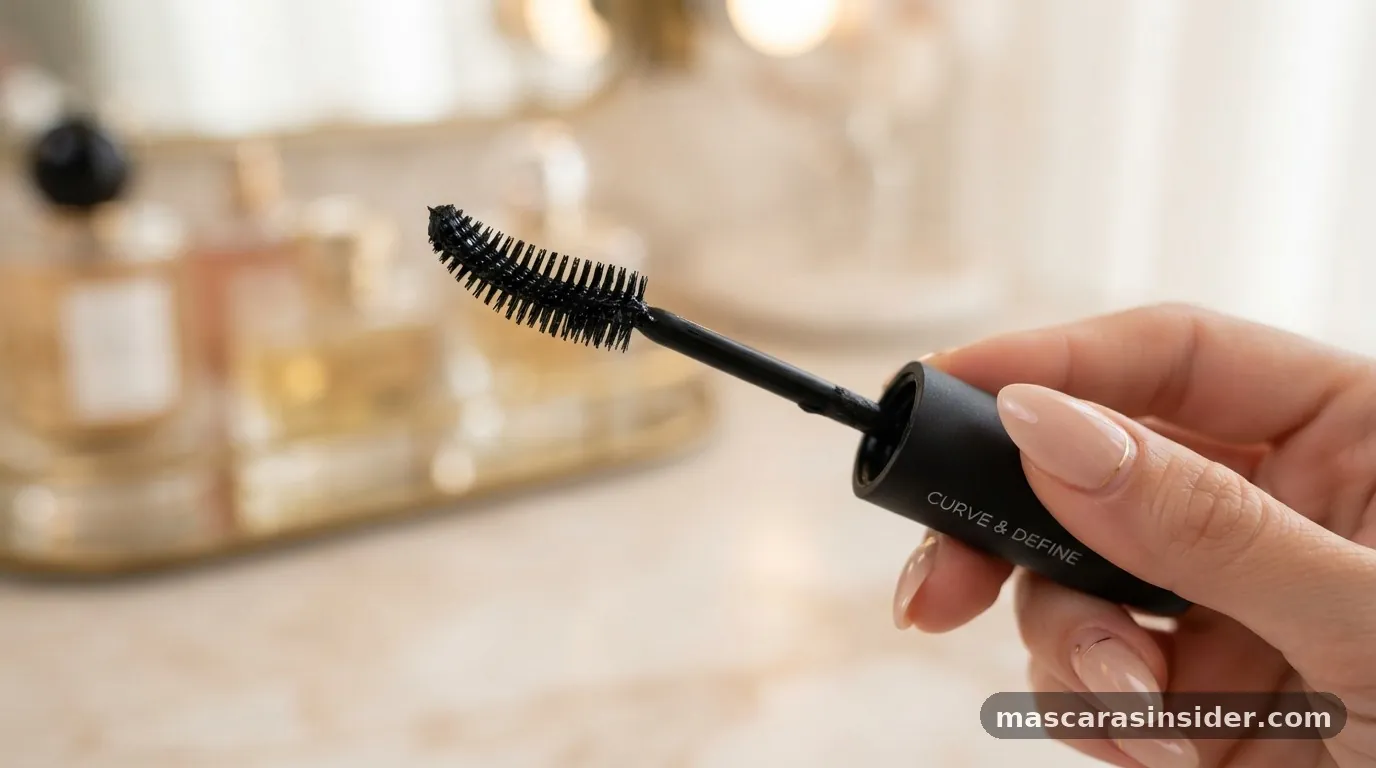
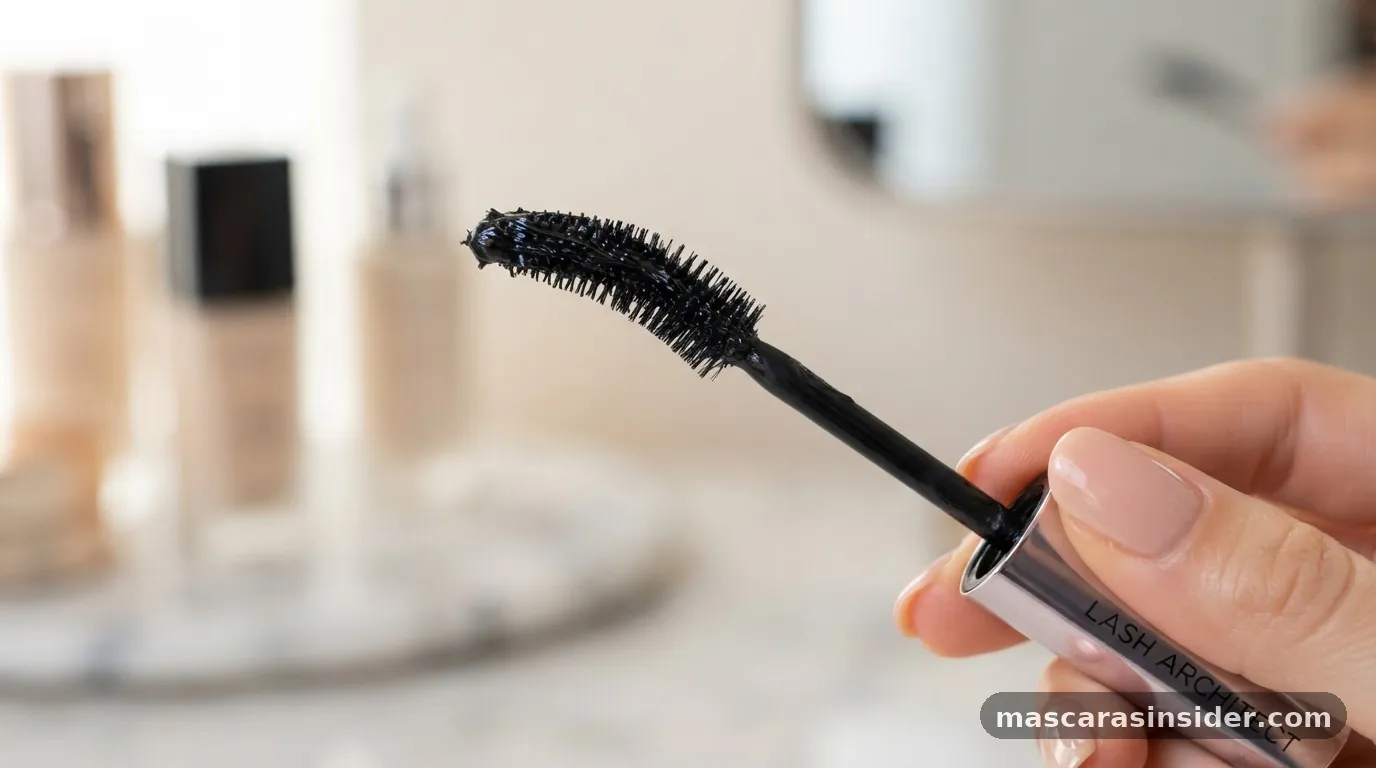
A curved mascara wand is a specialized applicator designed to hug the lash line, providing a natural curl and consistent distribution of product from base to tip. The primary function of this shape is to work in harmony with the anatomical structure of the eye.
Because your eyelid is naturally rounded, a straight brush often misses the inner and outer corners or requires awkward wrist contortions to reach. The curve acts as a guide, allowing the bristles to grab every lash in a single sweep.
When you use a curved wand, the concave side of the brush is typically used to push the lashes upward, while the convex side can be used for combing through and separating. This dual-action capability makes these wands particularly effective for those with shorter or straighter lashes who struggle to achieve a lifted look with standard tools.
By coating the roots more effectively, you create a structural base that holds the weight of the mascara, preventing the dreaded droop that often occurs minutes after application. Understanding that the brush is a tool of precision rather than just a spreader is the first step in upgrading your makeup routine.
Step-by-Step Application for Beginners
To effectively apply mascara with a curved tool, you must coordinate your hand movement with the shape of the brush. Start by positioning the wand horizontally at the very base of your upper lash line, with the curve facing inward toward your eye.
1. Begin at the root: Place the wand against your lash roots and wiggle it slightly from side to side to deposit a significant amount of formula.
2. Rotate the brush: As you pull the wand upward through the length of your lashes, slowly rotate your wrist.
This rotation ensures that the arc of the brush follows the natural trajectory of your lash growth.
3. Utilize the tip: Use the very tip of the mascara wand to catch the tiny, hard-to-reach hairs at the inner and outer corners of your eyes.
4.
Apply a second coat: Before the first layer dries completely, repeat the process to add volume and extra definition.
5. Clean up: If you smudge the skin, wait for the mascara to dry fully before using a clean cotton swab to flick away any stray marks.
By following these steps, you ensure that you are not just painting the lashes, but actually sculpting them. The upward motion is vital, as it trains the lashes to stay in that elevated position throughout the day. Consistency is key when perfecting your technique, as your hand will eventually learn the specific angle required for your unique eye shape.
Comparing Curved vs. Straight Wands
Choosing between different mascara wands often feels overwhelming, but the distinction between a curved and straight design is rooted in specific aesthetic goals. While a straight wand is excellent for lengthening and providing a uniform coat, it lacks the ergonomic advantage of the curved variety.
| Feature | Curved Wand | Straight Wand |
|---|---|---|
| Primary Goal | Lift and Curl | Length and Separation |
| Ergonomics | Fits eyelid contour | Requires manual adjustment |
| Best For | Straight or short lashes | Long or thick lashes |
| Application Speed | Faster for full coverage | Requires more precision work |
As shown in the table above, the curved wand is generally superior for those looking to maximize their look without needing an additional mechanical curler. Using a mechanical curler can sometimes damage the delicate hair follicles, so finding a wand that provides a natural bend is a healthier long-term strategy for your beauty regimen. If you have hooded eyes, the curved design is even more beneficial because it prevents the brush from hitting your lid while you are trying to reach the base of your lashes.
Techniques for Maximum Volume and Definition
Achieving a high-impact look requires more than just the right wand; it requires a strategic approach to how you handle the product. Many people make the mistake of pumping the wand inside the tube, which introduces air and dries out the formula. Instead, gently twist the wand as you pull it out to ensure an even coating on the bristles.
When applying to the lashes, the “wiggle” technique is essential. By wiggling at the base, you create a thick, dark line that mimics the appearance of eyeliner, which adds instant volume to your gaze.
If you find that your mascara is clumping, it is likely because you are applying too much product at once. Use the side of the tube to wipe off excess mascara from the brush before you start. This prevents the lashes from sticking together and allows for a more refined, fanned-out effect.
For those who want an extra dramatic finish, you can also hold the wand at the tips of your lashes for a few seconds, gently pushing them backward to set the curl. This technique works exceptionally well with curling mascara formulas, which are often slightly tackier and designed to hold a shape better than standard lengthening formulas.
Troubleshooting Common Mascara Mistakes
Even with the best tools, mistakes happen. The most common issue when learning how to use a curved mascara wand is getting product on the upper eyelid. This usually happens because you are looking straight into the mirror.
To avoid this, look down into a mirror placed on a table or counter while keeping your chin tilted up. This pulls the eyelid taut and moves your lashes away from the skin, giving you a clear, unobstructed path to coat every lash from root to tip without making a mess.
Another frequent complaint is flaking or smudging by the end of the day. This is often a sign that you are applying too many layers or that the formula you are using is not compatible with your skin type. If you have oily eyelids, a waterproof curling mascara may be necessary to ensure that the curl stays in place and the product doesn’t migrate.
Additionally, remember that mascara has a shelf life. Using a product that is more than three months old can lead to clumping and eye irritation, as established by the FDA guidance on eye cosmetic safety. Always replace your mascara regularly to keep your application smooth and your eyes healthy.
Addressing Topical Gaps: Why Some Wands Feel Different
A common point of confusion is why some curved wands feel “bouncier” while others feel stiff. This comes down to the material of the brush. Plastic or rubber bristles are designed for separation and precision, while traditional fiber bristles are built for building volume and density.
When you are using a curved wand with plastic bristles, you have to be much more deliberate with your wiggling motion because the bristles are shorter and firmer. Conversely, fiber brushes are more forgiving and deposit more product, making them better for creating a thick, dramatic lash line.
Furthermore, the depth of the curve matters. A shallow curve is better for smaller eyes or for those who want a subtle lift, whereas a deep, pronounced arc is designed for those who want to reach deep into the root to achieve a significant upward sweep.
If you have been struggling with a curved wand, it might not be your technique—it might be that the specific curve of the brush doesn’t match the depth of your eyelid. Don’t be afraid to experiment with different brush shapes to see which one works best for your specific anatomy.
Maintenance and Hygiene for Your Mascara Tools
Keeping your mascara wand clean is just as important as the application itself. Over time, dried product builds up on the bristles, which can lead to clumps and an uneven distribution of mascara. While most people don’t think to clean their mascara wands, doing so can significantly improve the performance of your product.
If you have a favorite wand from an old tube, you can wash it with warm water and mild soap, let it dry completely, and use it as a spoolie to comb through your lashes after applying mascara. This is a pro-level trick for removing clumps and ensuring that every single lash is perfectly separated and defined.
Additionally, store your mascara in a cool, dry place. Heat can break down the stability of the formula, making it more prone to smudging and less effective at holding a curl.
By treating your mascara as a precision instrument rather than just a basic makeup item, you elevate your daily routine and achieve results that are consistently high-quality. Always ensure the cap is screwed on tightly after every use to prevent the formula from drying out prematurely.
Frequently Asked Questions
Can I use a curved wand if I have straight, stubborn lashes?
Yes, a curved wand is actually ideal for straight lashes. The shape allows you to get closer to the root, which is essential for creating a lift that lasts. Combine it with a curling formula to keep the lashes held in an upward position all day.
Is there a specific way to hold the wand to avoid smudging?
The best way to avoid smudging is to look down into a mirror while keeping your chin tilted up. This simple trick prevents your lashes from touching your eyelid during the application process, giving you a clean, precise finish every time you apply your mascara.
Do I still need a metal eyelash curler if I use a curved wand?
You don’t necessarily need one. While a metal curler provides a more intense, dramatic bend, a high-quality curved wand can provide a very natural, lifted appearance. Many people find that they can skip the mechanical curler entirely by using the “wiggle and hold” technique with their curved brush.
How often should I replace my mascara wand?
You should replace your mascara every three months to ensure hygiene and product quality. Because the wand is inside the tube, it should be discarded along with the mascara. If you use a separate spoolie for grooming, wash it weekly with mild soap to prevent bacteria buildup.