
Many people wonder, “does mascara damage your lashes” when they notice their eyes looking a bit sparser after a long day of wearing makeup. The reality is that while the product itself isn’t necessarily toxic to your hair follicles, the way it is applied, worn, and removed can have significant consequences for the health of your eye area. If you find yourself scrubbing your eyes nightly or applying heavy, clumping layers every morning, you might be inadvertently causing mechanical stress that leads to brittle, thin lashes.
Understanding the relationship between your daily beauty routine and the integrity of your lashes is essential. Your lashes are delicate, much like the hair on your head, and they require gentle handling to remain full and strong. When you treat them with care, you can enjoy the aesthetic benefits of mascara without sacrificing their long-term health.
The Mechanical Reality of Lash Breakage
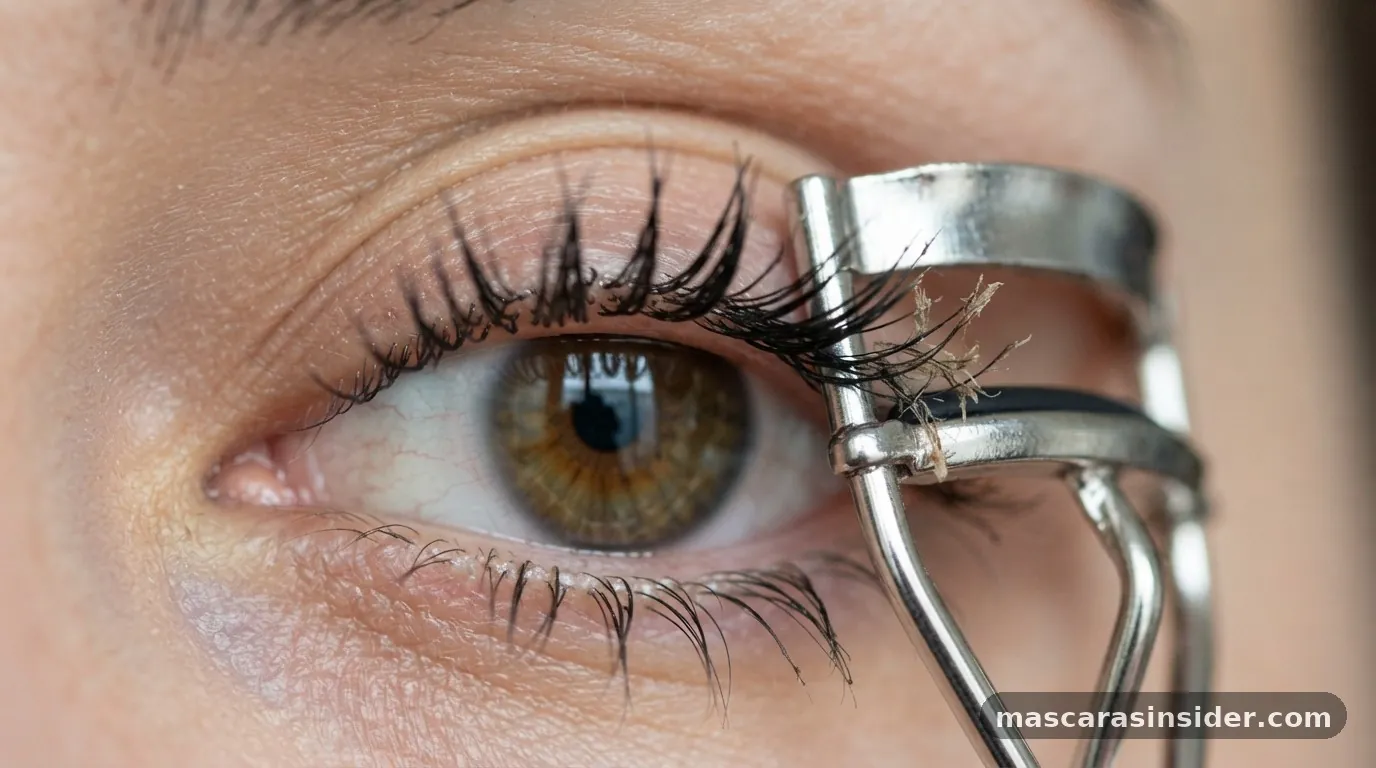
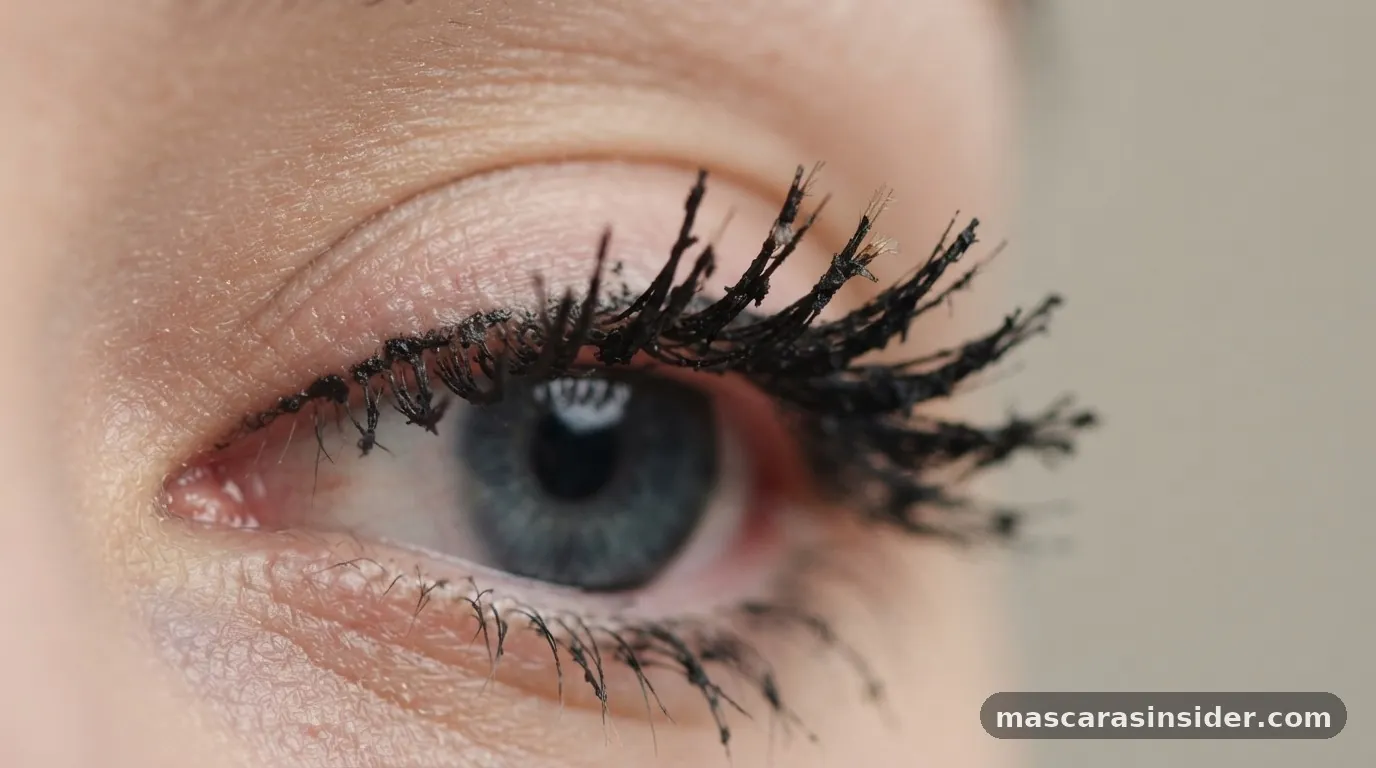
Mechanical stress is the primary reason why mascara might lead to lash loss or thinning. When you apply a formula that dries hard and stiff, your lashes lose their natural flexibility.
This rigidity makes them prone to snapping when you touch your eyes, rub them, or even sleep in your makeup. Imagine your eyelashes as tiny, individual strands of silk; if you coat them in a hardening resin and then bend them, they will eventually snap.
1. High-pigment formulas often contain waxes and polymers that harden quickly.
2.
Using an eyelash curler after the product has dried is a leading cause of breakage.
3. Sleeping in mascara creates friction against your pillow, which can pull out lashes during the night.
The breakage isn’t always caused by the makeup itself, but by the physical interaction between the coated, stiffened hair and external forces. If you pull on your lashes during removal, the hair is essentially “locked” in place by the dried product, increasing the likelihood that it will break at the shaft rather than sliding out smoothly. This mechanical damage is why many people report that their lashes look shorter or thinner after months of consistent, heavy use.
The Role of Waterproof Mascara in Lash Health
Waterproof mascara is notorious for being difficult to remove, and this difficulty is exactly where the risk to your lashes lies. Because these formulas are designed to resist water, they require specialized solvents or aggressive rubbing to break down. If you are using a standard face wash to remove a heavy-duty waterproof formula, you are likely putting far too much physical strain on your delicate lash line.
Why Removal Difficulty Matters
The removal process is often more damaging than the wearing process. When you scrub, you are manually tugging at the roots of your lashes. Repeatedly pulling on the hair follicles can lead to a condition known as traction alopecia, where the hair eventually stops growing because the follicle has been traumatized.
To mitigate this, always use an oil-based cleanser or a dedicated makeup remover designed to dissolve stubborn waxes. By letting the product sit on your lashes for 30 seconds before wiping, you allow the formula to break down naturally.
This simple change in technique significantly reduces the amount of pressure you need to apply, keeping your lashes attached and healthy. You can learn more about proper eye hygiene and sensitivity from the American Academy of Ophthalmology regarding safe cosmetic practices.
Ingredients That Impact Lash Integrity
Not all mascaras are created equal, and the ingredient list plays a vital role in whether your product supports or harms your natural lashes. Some formulas include conditioning agents like panthenol, biotin, or various oils that help keep the hair supple. Conversely, others rely on heavy alcohols or volatile solvents that can dry out the lash structure, making them brittle over time.
| Ingredient Type | Impact on Lashes | Recommendation |
|---|---|---|
| Volatile Alcohols | Drying; causes brittleness | Avoid frequent use |
| Natural Waxes (Beeswax) | Coating; protects the shaft | Excellent for moisture |
| Conditioning Peptides | Supports growth and strength | Highly recommended |
| Synthetic Polymers | Creates rigidity | Use sparingly |
If you notice your lashes falling out more frequently, check your ingredient label. Formulas that promise extreme volume often contain higher concentrations of stiffening agents. If you wear these daily, consider alternating with a “tubing” mascara or a nourishing formula during the week to give your lashes a break from heavy polymers.
The Link Between Lash Loss and Daily Routine
The habit of wearing makeup every single day without a “rest period” can prevent your lashes from completing their natural growth cycle undisturbed. Your lashes have a life cycle, and they naturally shed just like the hair on your scalp. However, if you are constantly applying and removing heavy layers of pigment, you might be accelerating this shedding process or breaking the hairs before they reach their full length.
4. Establish at least two “makeup-free” days per week to allow your lashes to breathe.
5.
Avoid “pumping” the mascara wand into the tube, as this forces air inside, dries out the product, and introduces bacteria.
6. Replace your mascara every three months to prevent the growth of harmful microbes that can cause eye infections.
When you ignore these basic hygiene tips, you aren’t just risking breakage; you’re risking inflammation of the lash line. Blepharitis, an inflammation of the eyelids, can be caused by old makeup buildup and can directly lead to lash loss. Keeping your tools clean and your routine consistent is the best way to ensure your beauty habits don’t turn into a health issue.
Does Stopping Mascara Help Growth?
Many people ask, “If I stop wearing makeup, will my lashes grow back?” The answer is nuanced.
If your lashes were thinning due to breakage, then yes, stopping the use of heavy, waterproof formulas will likely result in a visible improvement within a few weeks. Because lashes have a relatively short growth cycle—usually lasting a few months—you can see a “reset” in their health fairly quickly once you stop the mechanical trauma of daily removal.
However, mascara does not actually touch the hair follicle where growth occurs. It sits on the shaft of the lash. Therefore, the product itself doesn’t stunt growth at the root; it only damages the hair that has already emerged.
If you are experiencing genuine hair loss at the follicle level, you should look into your diet, hormonal health, or potential allergic reactions to specific preservatives in your beauty products. If the damage is purely physical, resting your lashes and using a gentle conditioning serum will allow the new growth to emerge strong and undamaged.
Identifying the Signs of Damage
How do you know if your current routine is causing harm? There are several telltale signs that your eyelashes are under stress. If you notice these symptoms, it is time to re-evaluate your products and your application techniques.
* Increased Shedding: Finding more than one or two lashes on your cotton pad during removal is a sign of excessive tension.
* Stiff or Brittle Texture: Your lashes should feel soft to the touch. If they feel crunchy or hard even after you have washed your face, your mascara is likely too drying.
* Gaps in the Lash Line: Visibly empty spaces where lashes used to grow suggest that hairs are being pulled out at the root rather than falling out naturally.
* Redness or Itching: This is often a sign of irritation from the chemicals in your makeup or an accumulation of bacteria on your wand.
By paying attention to these physical cues, you can pivot your routine before the damage becomes severe. Often, switching to a brand that prioritizes hydrating ingredients or simply being more patient with the removal process is enough to reverse the trend of thinning lashes.
Frequently Asked Questions
Is it harmful to wear mascara every day?
Wearing mascara every day is generally safe, provided you remove it gently each night. The harm occurs when you scrub the eye area aggressively or use waterproof formulas that require harsh solvents. Always prioritize a thorough yet gentle cleansing process to maintain lash health.
What mascara is healthiest for your eyelashes?
The healthiest mascaras are those that include conditioning agents like panthenol, biotin, or natural oils. Look for “tubing” formulas, which are easier to remove with warm water, as they minimize the need for rubbing and tugging on the delicate lash line during your nightly routine.
Will my lashes grow if I stop using mascara?
If your lashes were thin due to breakage from harsh removal or dry formulas, they will likely look healthier and fuller after a few weeks of avoiding makeup. This allows your lashes to complete their natural growth cycle without the physical stress of daily application.
Are eyelashes healthier without mascara?
In a purely biological sense, yes. Your lashes are free from the weight, stiffness, and chemical exposure that come with makeup. However, for most people, the cosmetic benefit is worth it, provided you follow proper application and removal techniques to mitigate any potential for mechanical damage.