
Accidentally dropping a wand or smudging product directly onto your eyeball is a common mishap that happens to almost everyone who wears makeup. Knowing exactly what happens if you get mascara in your eye is the first step toward staying calm and preventing unnecessary damage to your ocular surface. While the immediate reaction is often panic, the reality is that your eyes are remarkably resilient, provided you act quickly and correctly to remove the irritant.
Immediate Physiological Reactions
When foreign particles from makeup enter the eye, the body’s natural defense mechanisms kick in instantly. You will likely experience excessive tearing as your lacrimal system attempts to flush out the pigment and chemicals. This is often accompanied by a distinct foreign body sensation, which feels like grit or sand scratching against your eyelid. It is vital not to rub your eyes during this phase, as the friction can turn a minor irritation into a painful corneal abrasion.
The Chemical Composition of Mascara
Mascara is not just pigment; it is a complex formulation containing waxes, oils, and preservatives designed to keep the product stable. Many formulas utilize carbon black for deep color, which can be particularly irritating if it settles directly on the conjunctiva. Furthermore, many commercial products contain parabens or other stabilizing agents that, while safe for skin, are not intended for direct contact with the sensitive tissues of the eye. If these chemicals linger, they can lead to significant ocular irritation and inflammation.
Immediate Steps for Safe Removal

If you find yourself asking what happens if you get mascara in your eye, the most important answer is that you need to initiate eye irrigation immediately. Do not attempt to wipe the product out with a dry tissue, as the fibers can scratch your cornea. Instead, follow these steps to clear the area safely and effectively:
1. Wash your hands thoroughly with soap and water to avoid introducing new bacteria to the eye.
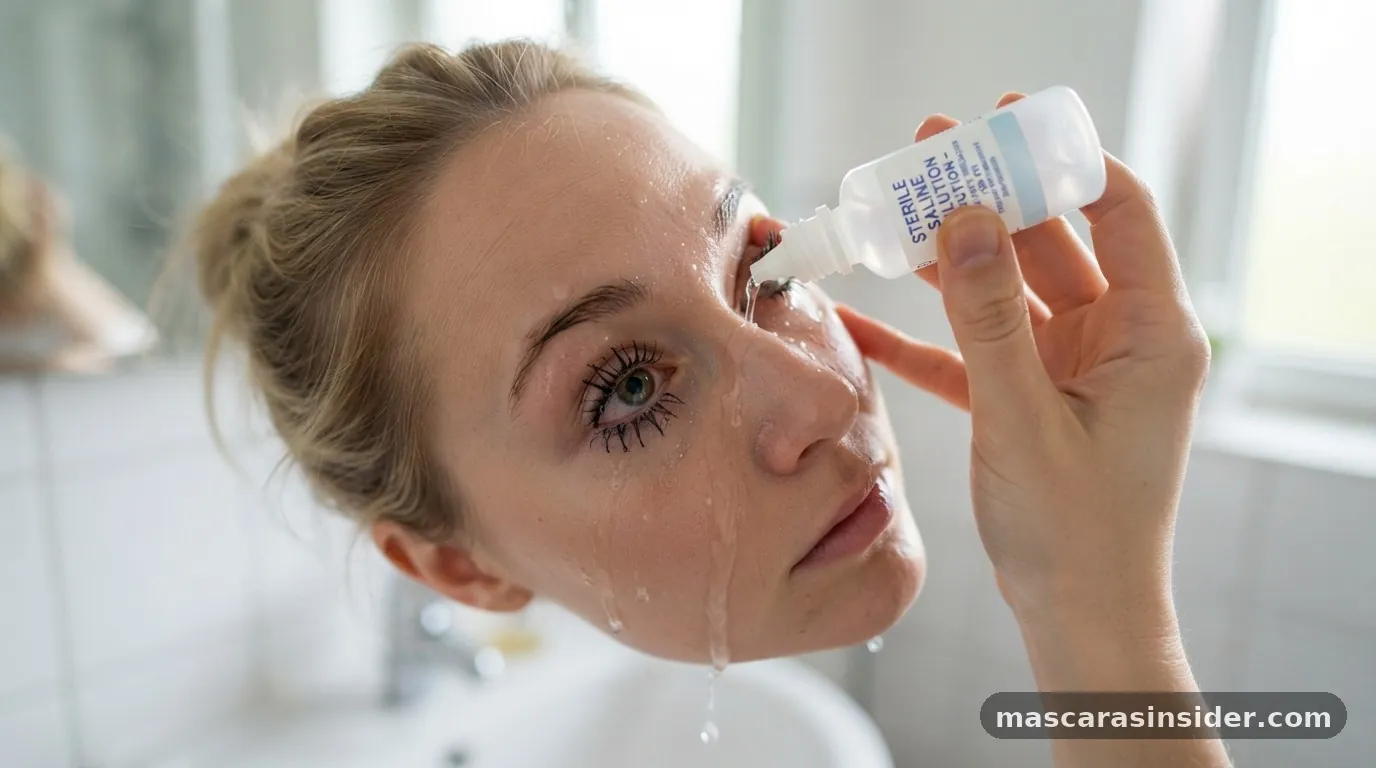
2. Use a clean, saline solution—specifically one intended for eyes or contact lens rinsing—to flush the eye gently.
3.
Tilt your head to the side, keeping the affected eye open, and pour the solution from the inner corner toward the outer corner.
4. If you wear contact lenses, remove them immediately, as the mascara can trap particles against the cornea, increasing the risk of infection.
5.
Blink repeatedly to help your natural tears move the debris toward the tear duct.
6. If the irritation persists for more than a few hours, seek professional advice to ensure no debris remains embedded in the tissue.
The Risk of Bacterial Contamination
One of the most serious concerns regarding eye makeup is bacterial contamination. Mascara wands are prime real estate for bacteria, especially because they are repeatedly dipped into a moist, dark environment that serves as an incubator for microorganisms. When you accidentally get mascara in your eye, you aren’t just introducing a foreign physical object; you are potentially introducing a colony of bacteria.
This exposure can lead to conjunctivitis, commonly known as pink eye. Symptoms include persistent ocular discharge, redness, and a feeling of crustiness upon waking.
Because the eyelid margin is rich in eyelash follicles and oil glands, these bacteria can also lead to a stye or more chronic conditions like blepharitis, which causes inflammation at the base of the eyelashes. To learn more about maintaining your vision, you can visit the American Academy of Ophthalmology for official guidelines on eye safety.
Recognizing the Signs of an Infection
It is helpful to distinguish between simple irritation and a genuine infection. Simple irritation usually resolves within a few hours of flushing the eye. An infection, however, tends to linger or worsen. Watch for these warning signs:
- Persistent blurred vision that does not clear with blinking.
- Increased conjunctival redness that spreads or intensifies after the initial event.
- Sensitivity to light (photophobia).
- Thick, yellow, or green discharge coming from the eye.
- Swelling of the eyelid that makes it difficult to open the eye fully.
Understanding Corneal Abrasions
A corneal abrasion is a scratch on the clear front surface of the eye. While mascara itself is soft, the dried, flaky particles that break off an older tube can be surprisingly sharp. If you rub your eye while a hard, dried mascara flake is present, you risk cutting the epithelial layer of the cornea.
This injury is typically very painful and can make you feel like something is permanently stuck in your eye. Even if you manage to flush out the mascara, the scratch may remain, leading to continued pain and sensitivity.
If you suspect an abrasion, it is crucial to avoid wearing contact lenses, as they can harbor bacteria and prevent the scratch from healing properly. You should consult an ophthalmologist if the pain is severe or if your vision remains compromised.
The Importance of Hygiene Practices
Maintaining excellent hygiene practices is the best way to avoid the risks associated with makeup in the eye. Many people overlook the eye makeup expiration date, which is typically three months after opening. Using a product beyond this window significantly increases the likelihood of bacterial overgrowth.
Best Practices for Daily Use
7. Always remove makeup before bed using a gentle, oil-free cleanser. 8. Never share your mascara with others, as this is the fastest way to transmit bacteria. 9. If you have had an eye infection, discard all eye makeup immediately to prevent re-infection. 10. Store your makeup in a cool, dry place; avoid keeping it in the bathroom, where humidity encourages bacterial growth. 11. If your mascara starts to smell off or becomes clumpy, throw it away even if it hasn’t reached the three-month mark.
Comparing Risks of Makeup Mishaps
The severity of eye exposure varies based on the type of product and the duration of contact. The following table illustrates the potential risks associated with different scenarios involving eye makeup.
| Scenario | Potential Risk | Recommended Action |
|---|---|---|
| Fresh mascara smudge | Mild irritation | Flush with saline; monitor for 1 hour. |
| Dried, flaky mascara | Corneal abrasion | Flush; seek care if pain persists. |
| Makeup left overnight | Bacterial infection | Cleanse thoroughly; watch for redness. |
| Shared mascara wand | Conjunctivitis | Discard product; monitor for symptoms. |
Long-term Ophthalmic Health
Protecting your ophthalmic health requires more than just careful application. It involves being mindful of the ingredients in the products you use near your eyes. While many brands claim to be ophthalmologically tested, individual sensitivities vary. Some people may experience an allergic reaction to specific pigments or preservatives, which can manifest as chronic itching or swelling of the eyelids.
If you find that your eyes are frequently red or irritated after applying makeup, consider switching to “hypoallergenic” or “sensitive eyes” formulas. These products often exclude common irritants like heavy fragrances or harsh parabens.
Furthermore, if you are a frequent contact lens wearer, your eyes are naturally more susceptible to irritation. You must be extra diligent about your makeup removal process, ensuring that no residue remains on the eyelid margin where it could migrate into the eye while you sleep.
When to See a Professional
If you have attempted to flush your eye and still feel a persistent sensation of grit, or if your vision is obscured, do not wait for the situation to resolve on its own. An ophthalmologist can use a slit lamp to inspect your cornea for microscopic scratches or trapped debris that you cannot see in a mirror. Early intervention prevents minor accidents from becoming chronic issues that could impact your long-term eye health.
Frequently Asked Questions
How long should I flush my eye if mascara gets in it?
You should flush your eye with sterile saline or water for at least 5 to 10 minutes. Use a steady, gentle stream and blink frequently to ensure the water reaches all areas under the eyelids where particles might be hiding.
Can I use water if I don’t have saline solution?
Yes, if you do not have saline, use clean, lukewarm tap water or bottled water. While sterile saline is ideal because it matches the pH of your eyes, flushing the irritant out quickly is more important than the specific type of sterile liquid you use.
Will mascara in my eye cause permanent vision loss?
It is extremely rare for a simple mascara accident to cause permanent vision loss. However, if a corneal abrasion occurs and becomes infected, it can lead to scarring or ulcers. These complications can affect vision, which is why proper cleaning and professional care are essential.
How do I know if I have an eye infection from makeup?
Signs of an infection include persistent redness, thick yellow or green discharge, significant pain, or light sensitivity. If these symptoms appear or worsen more than 24 hours after the incident, you should consult an eye care professional to receive the correct treatment, such as antibiotic drops.