
Removing long-wear eye cosmetics can feel like a chore, especially when standard soap and water fail to budge the formula. Understanding what gets waterproof mascara off is essential for maintaining the health of your eyelashes and the delicate skin surrounding your eyes.
Because these formulas are designed to resist moisture, sweat, and humidity, they require specific solvents to break down the polymers and waxes that keep them locked in place. Using the wrong approach often leads to tugging, which is a primary cause of premature lash loss and skin irritation.
The Role of Oil-Based Solvents
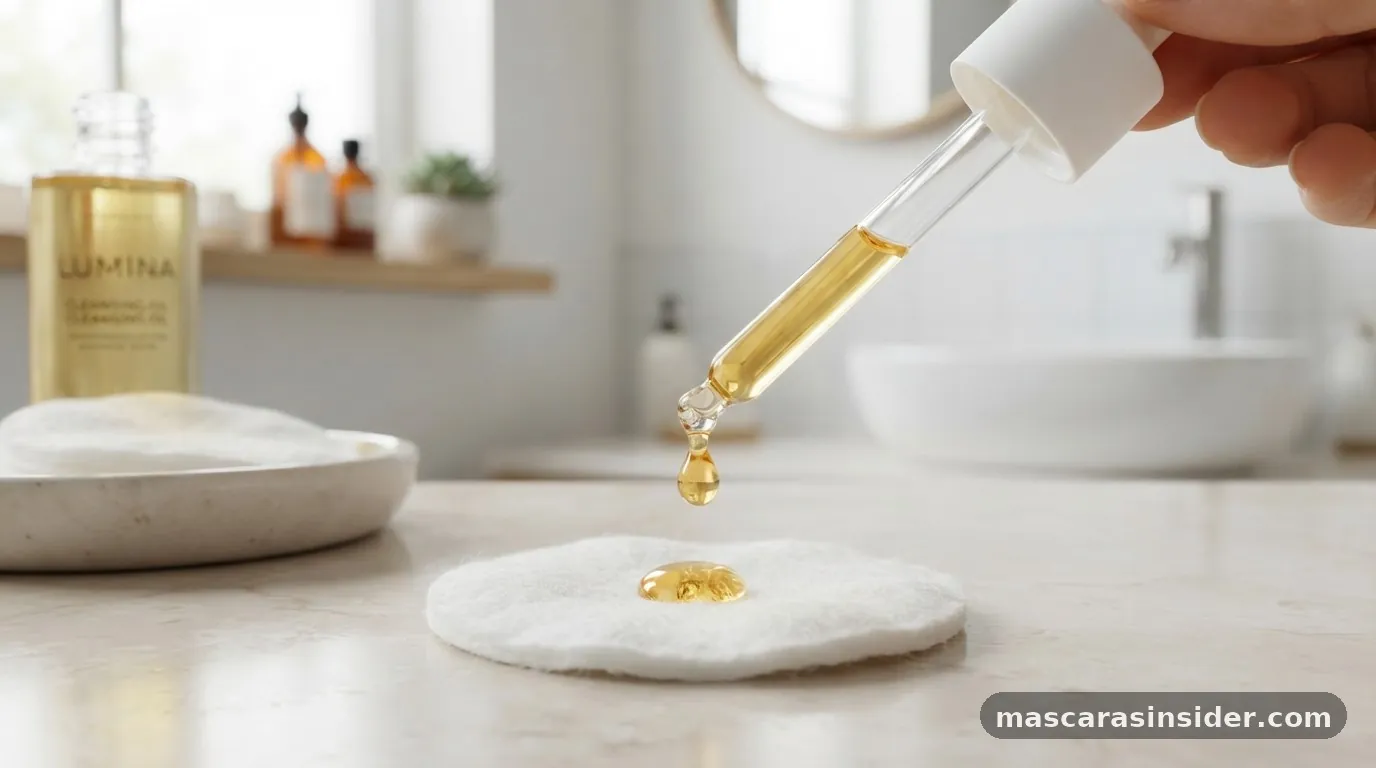
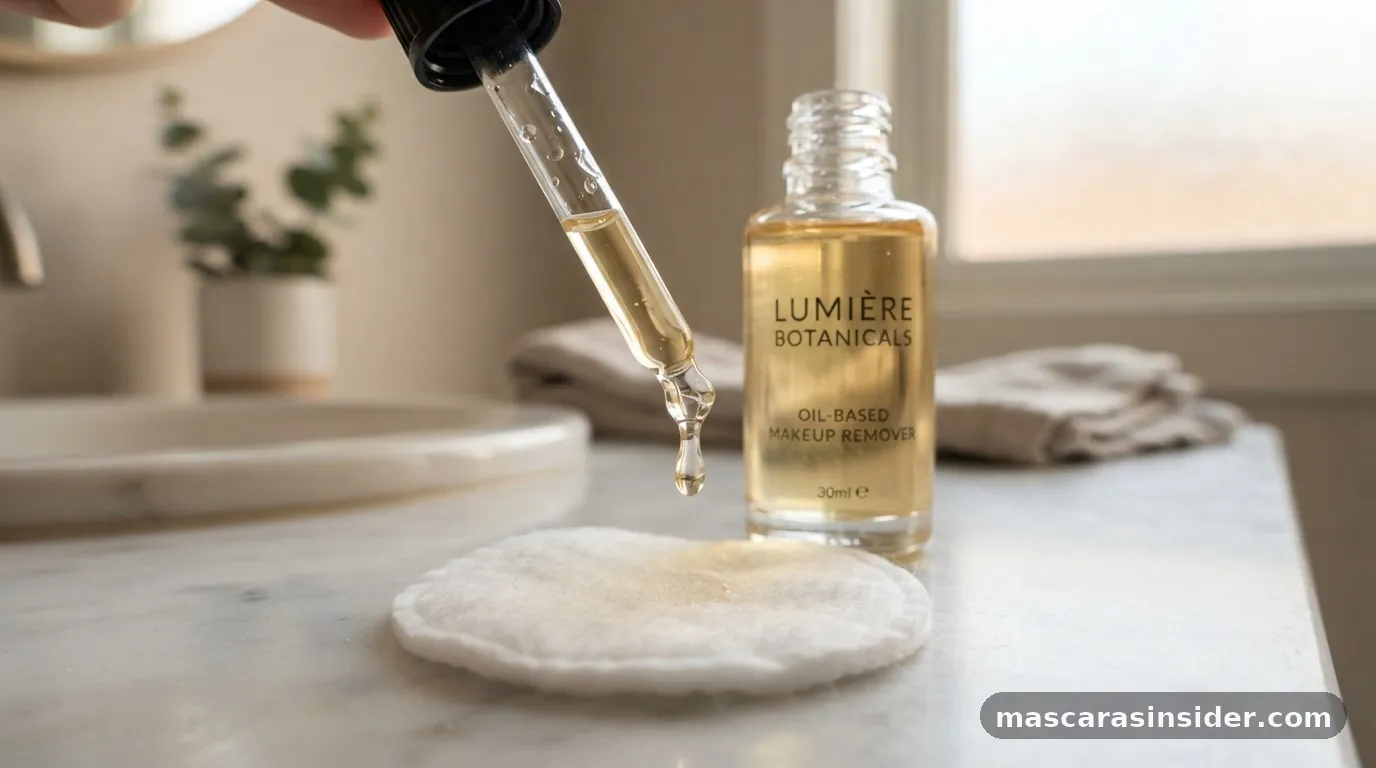
The most effective way to break down the resilient ingredients in waterproof products is by using an oil-based solvent. Oil dissolves oil, and because waterproof mascaras are formulated with hydrophobic waxes and silicones, they respond best to substances that can penetrate these barriers. When you apply an oil-based product, you are essentially liquefying the hardened coating on your lashes, allowing the pigment to slide off without the need for intense physical force.
Many people find success with dedicated biphasic makeup removers. These products consist of two layers: an oil phase to dissolve the makeup and a water phase to refresh the skin. When shaken, they temporarily combine to create a potent solution that cuts through even the most stubborn, heavy-duty formulas.
If you prefer a more natural approach, simple oils like jojoba or fractionated coconut oil can be quite effective. However, it is vital to ensure these oils are clean and stored properly to avoid introducing bacteria to the eye area.
Why Micellar Water Matters
Micellar water has become a staple in modern skincare routines because it offers a gentle yet thorough way to cleanse the face. While standard micellar formulas are excellent for everyday makeup, they might struggle with high-performance waterproof products unless you choose a version specifically designed for long-wear cosmetics. These specialized versions often include a small amount of oil to bridge the gap between a light cleanser and a heavy-duty remover.
When using micellar cleansing water, the technique is just as important as the product itself. You should saturate a cotton pad and press it against your closed eyelid for about 20 to 30 seconds.
This “soaking” period allows the micelles to attract the makeup particles away from the lash fibers. By letting the product do the heavy lifting, you avoid the common trap of harsh rubbing, which can damage the skin’s moisture barrier and lead to fine lines over time.
The Benefits of Cleansing Balms
Cleansing balms are a luxurious and highly efficient way to remove waterproof makeup. These solid-to-oil cleansers melt upon contact with the warmth of your skin, turning into a silky liquid that coats every lash. Because they are thick and emollient, they are less likely to drip into your eyes compared to liquid removers, making them a favorite for those with sensitive eyes.
1. Scoop a small amount of the balm onto your fingertips.
2. Gently massage the product over your dry, closed eyes using circular motions.
3.
Allow the balm to sit for a few seconds to soften the mascara.
4. Add a small amount of warm water to emulsify the balm into a milky texture.
5. Rinse thoroughly or use a warm, damp cloth to wipe away the residue.
This method is particularly beneficial because it conditions the lashes while removing the makeup. Many balms contain nourishing ingredients like vitamin E, shea butter, or botanical extracts that help keep the hair follicles hydrated and strong.
Avoiding Harsh Rubbing and Eye Damage
One of the biggest mistakes people make when removing heavy eye makeup is using excessive force. The skin around the eyes is the thinnest on the entire body, and the lashes themselves are fragile.
Constant pulling can cause mechanical breakage, where lashes snap off mid-shaft, or even traction alopecia, where the lashes are pulled out from the root. To prevent this, you must prioritize a gentle touch during your nightly routine.
If you find that your mascara is still lingering after your initial attempt, do not be tempted to scrub harder. Instead, re-apply your chosen remover and let it sit for another 15 seconds.
If you feel like your current routine is causing redness or irritation, it is likely that your remover contains ingredients your skin does not tolerate. You can consult the American Academy of Dermatology for general guidance on maintaining healthy skin barriers.
Comparing Removal Methods
Choosing the right tool depends on your personal preference and the specific formula of your mascara. The table below outlines how different products perform when removing waterproof cosmetics.
| Method | Efficiency | Best For |
|---|---|---|
| Biphasic Remover | High | Heavy-duty, high-performance mascaras |
| Cleansing Balm | High | Sensitive skin and dry eyes |
| Micellar Water | Medium | Quick, daily removal of light waterproof layers |
| Natural Oils | Medium/High | Minimalist routines and natural product enthusiasts |
Addressing Topical Gaps and Common Pitfalls
A frequent problem people encounter is the “raccoon eye” effect, where mascara residue remains trapped in the lash line even after washing. This usually happens because the product was not fully dissolved before the final rinse.
To fix this, use a clean cotton swab dipped in your remover to target the base of the lashes where the mascara is most concentrated. This precision tool ensures that every bit of pigment is lifted without needing to rub your entire eyelid.
Another gap in knowledge involves the shelf life of your removal products. If you use a cotton pad that has been sitting out, you are risking eye infections.
Always store your pads in a closed container and ensure your remover bottle is tightly capped. Furthermore, if you wear contact lenses, you must remove them before starting your cleansing process to prevent oils or debris from becoming trapped behind the lens, which can lead to significant discomfort or corneal irritation.
The Importance of a Double Cleanse
Many experts recommend a double cleanse to ensure the eye area is completely clean. The first step involves using an oil-based remover or balm specifically for the eyes.
The second step involves using a water-based cleanser for the entire face. This ensures that any residual oil from the makeup remover is washed away, preventing clogged pores or milia—those tiny white bumps that can appear around the eye area when heavy oils are left on the skin.
Consistency is the final piece of the puzzle. Even if you are exhausted at the end of the day, never go to sleep with waterproof mascara on.
The hardened formula can cause lashes to become brittle and break off while you toss and turn in your sleep. By committing to a simple, gentle, and effective removal process, you protect the longevity of your lashes and the health of your eyes.
Frequently Asked Questions
1. Can I use baby oil to remove waterproof mascara?
Yes, baby oil is an effective mineral oil-based solvent that breaks down waterproof formulas quickly.
However, be cautious if you have oily or acne-prone skin, as it can be comedogenic. Always rinse thoroughly after using it to avoid leaving a heavy, pore-clogging film on your eyelids.
2. Why is my mascara still there after washing?
If mascara remains, your cleanser likely isn’t breaking down the specific wax or polymer in your formula. Switch to a biphasic remover or a cleansing balm, and remember to hold the product against your lashes for at least 20 seconds to allow the chemicals to work properly.
3. Is it okay to use a makeup wipe for waterproof mascara?
Most standard makeup wipes are ineffective for waterproof mascara and often encourage harsh rubbing.
If you must use them, choose an oil-infused wipe designed for waterproof makeup. Even then, press it against the lashes gently rather than wiping back and forth to prevent mechanical damage.
4. How do I know if my remover is too harsh?
If your eyes feel stinging, burning, or appear red after removal, your product is likely too harsh.
Look for labels that say “fragrance-free,” “ophthalmologist-tested,” or “for sensitive eyes.” If irritation persists, switch to a simple, pure oil like jojoba, which is generally very well-tolerated by the skin.