
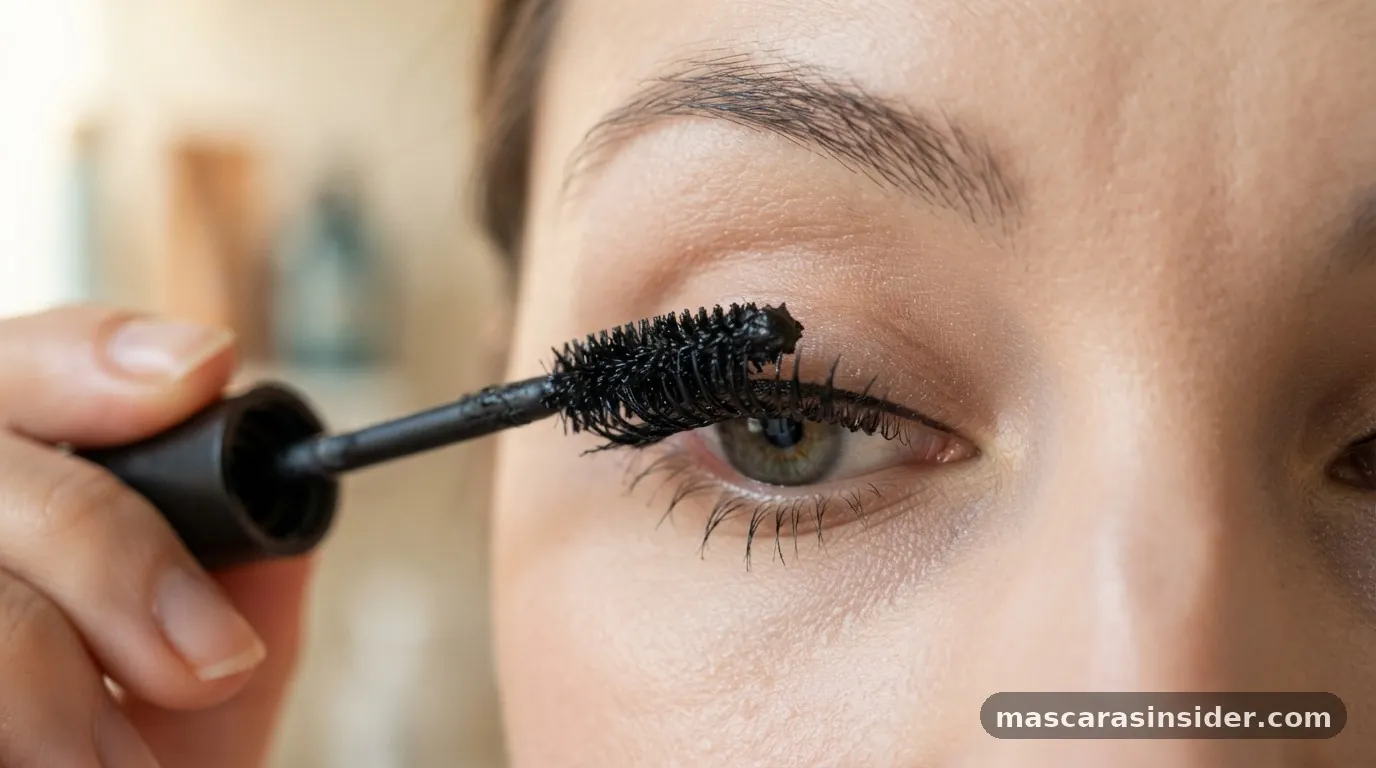
Mastering the art of how to layer mascara is the secret behind those dramatic, wide-eyed looks you see on magazine covers and social media. Many people settle for a single swipe of product, but professional makeup artists know that building intensity through strategic application is what truly transforms your appearance. By understanding the chemistry of your products and the mechanics of your lash line, you can achieve a professional finish that stays put all day without clumping or flaking.
Understanding the Mechanics of Mascara Layering
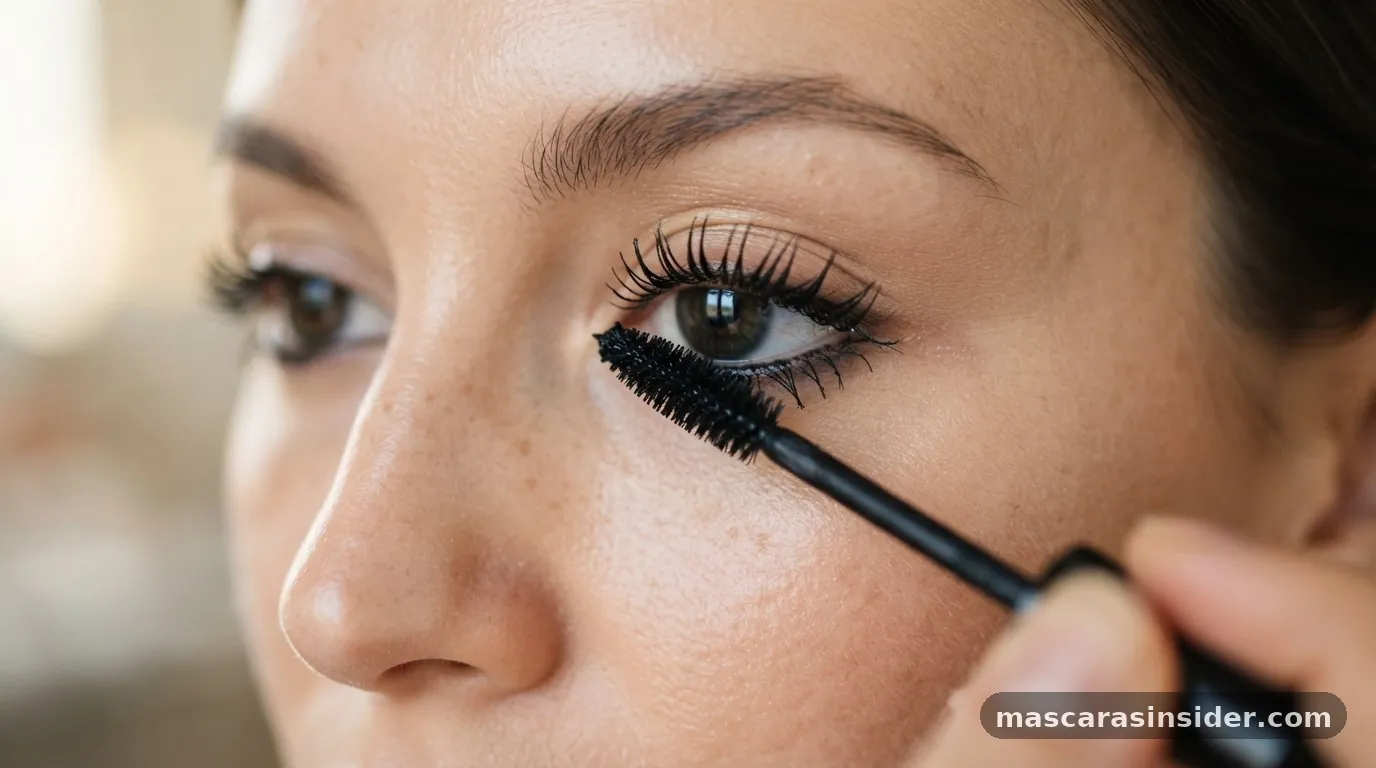
How to layer mascara effectively relies on the principle of building texture without compromising the integrity of the lash. When you apply multiple coats, you are essentially depositing pigments and waxes onto the hair shaft.
If you apply too much wet product at once, the lashes stick together, creating the dreaded “spider-leg” effect. The key is to manage the drying time and the viscosity of the formulas you choose.
Think of your lashes as a canvas. The first coat acts as a primer, setting the structure and defining the shape.
Subsequent layers provide the bulk and intensity. If you are aiming for a voluminous look, you need to focus on the roots, wiggling the wand to deposit the thickest part of the formula where it provides the most lift.
Professional artists often use a technique called mascara cocktailing, which involves mixing different wands and formulas to achieve a custom finish. For instance, you might start with a lengthening mascara to extend the reach of your natural hairs, followed by a volumizing formula to thicken them.
This combination ensures you get the best of both worlds without needing false extensions. Remember that the order matters; lighter, wetter formulas usually go on first, while thicker, drier formulas are better for the final second mascara layer to lock everything in place.
The Importance of Formula Compatibility
Can you layer different types of mascara? The short answer is yes, but you must be mindful of the chemical composition of each tube.
Most standard mascaras are either water-based or oil-based. Combining incompatible textures can lead to smudging or flaking as the day progresses.
When you layer mascara, you should generally stick to similar base types unless you are an expert at controlling the drying time. If you apply a water-resistant formula over a standard water-based one, the moisture from the first coat may react with the second, causing it to run. This is why many people prefer to use a specialized primer that provides a neutral base, ensuring that whatever you apply on top adheres smoothly.
Table 1: Comparing Mascara Formula Types
| Formula Type | Best For | Layering Tip |
|---|---|---|
| Volumizing | Thickening sparse lashes | Apply as the final coat |
| Lengthening | Defining short lashes | Apply as the first coat |
| Tubing | Smudge-proof wear | Do not layer over oil-based products |
| Waterproof | Holding a curl | Use only as a top coat |
Step-by-Step Guide to Perfect Application
To achieve a flawless finish, follow a precise sequence. Start by curling your lashes with a high-quality eyelash curler.
This step is non-negotiable if you want to lift your eyes and make them look more open. Once the curl is set, follow these steps to build intensity without the mess:
1. Start at the base of the lash line. Wiggle the wand side-to-side to ensure you coat the roots thoroughly.
This creates the illusion of a thicker lash line and provides structural support.
2. Pull the wand through to the tips. Use a slow, steady motion to ensure even distribution of the pigment.
3.
Wait approximately 30 to 60 seconds before applying the next coat. If the formula is still too wet, the second application will simply remove the first.
4. If you decide to use a second mascara, choose a formula with a different brush shape.
A tapered brush is great for the inner corners, while a large, bristled brush is ideal for building mass on the outer lashes.
5. Use a clean spoolie brush to comb through the lashes immediately after your final coat. This simple action removes excess clumps and separates the hairs for a clean, professional look.
Addressing Common Mistakes
One of the most frequent errors people make is pumping the wand into the tube. This action forces air into the container, which dries out the formula prematurely and increases the likelihood of bacteria growth. Instead, gently twist the wand inside the tube to pick up the product.
Another common mistake is ignoring the lower lashes. While some prefer to leave them bare, applying a light touch of mascara to the bottom lashes can balance the face. If you are worried about smudging, use a waterproof formula on the bottom, as it is less likely to migrate onto your under-eye skin.
If you find that your lashes tend to droop after you apply your makeup, your formula might be too heavy. Consider switching to a lighter, buildable formula for your initial layers. You can find detailed advice on maintaining eye health and proper hygiene in this comprehensive guide to eye makeup safety from the American Academy of Ophthalmology.
Techniques for Mascara Cocktailing
Mascara cocktailing is the professional standard for creating a bespoke lash effect. By combining two or three different products, you can achieve a result that no single tube could provide. Many people want to achieve high-impact results without the commitment of professional lash treatments, and this technique is the most effective way to do it.
To start, identify your primary goal. If your lashes are naturally long but sparse, focus on a volumizing formula for your base and a lengthening one for the tips. If your lashes are thick but straight, start with a curling formula and finish with a thickening one.
The order in which you layer these products is crucial. Always apply the product that dries the fastest first. If you apply a slow-drying, heavy formula first, you will find it difficult to add anything on top without creating clumps.
Solving Topical Gaps and Advanced Tips
A frequent question is whether you should apply mascara to both sides of your lashes. While most people stick to the front, applying a thin coat to the back (the top side) of your lashes can help cover any powder fallout from your eyeshadow.
This creates a much more intense, black-as-night finish. However, be careful not to weigh the lashes down, as this can counteract the lift you achieved with your curler.
Another gap in common advice is how to handle post-application cleanup. If you get a smudge on your eyelid, do not try to wipe it off immediately while it is wet.
Wait for the mascara to dry completely, then use a clean, dry cotton swab to gently flick the smudge away. It will lift right off without ruining your eyeshadow.
Finally, consider the expiration of your products. Mascara has the shortest shelf life of any makeup product, typically lasting only three months.
Using a product past its prime will result in clumping and flaking, making it impossible to layer effectively. If you notice a change in the smell or texture, don’t hesitate to toss it and start fresh.
Frequently Asked Questions
How many layers of mascara should I apply?
For most daily looks, two coats are sufficient to provide definition and volume without looking clumpy. If you are going for a dramatic, evening style, you can apply three coats, but ensure you allow each layer to become slightly tacky before adding the next one.
Can I layer regular mascara over tubing mascara?
It is generally not recommended. Tubing mascaras form polymer “tubes” around each lash that rinse off with warm water. Applying a regular oil-based or wax-based mascara over them can interfere with this bonding process and lead to uneven application or premature flaking throughout the day.
Do I really need to use a lash primer?
You do not strictly need one, but a primer is highly beneficial if you have thin or brittle lashes. It provides a smooth base that helps the mascara adhere better, prevents clumping, and often contains conditioning ingredients that keep your lashes healthy while you wear makeup.
What should I do if my lashes clump together?
If your lashes start to clump, stop applying product immediately. Take a clean, dry spoolie brush or a metal lash comb and run it through the lashes from root to tip while the mascara is still slightly damp. This separates the hairs and removes the excess product.