
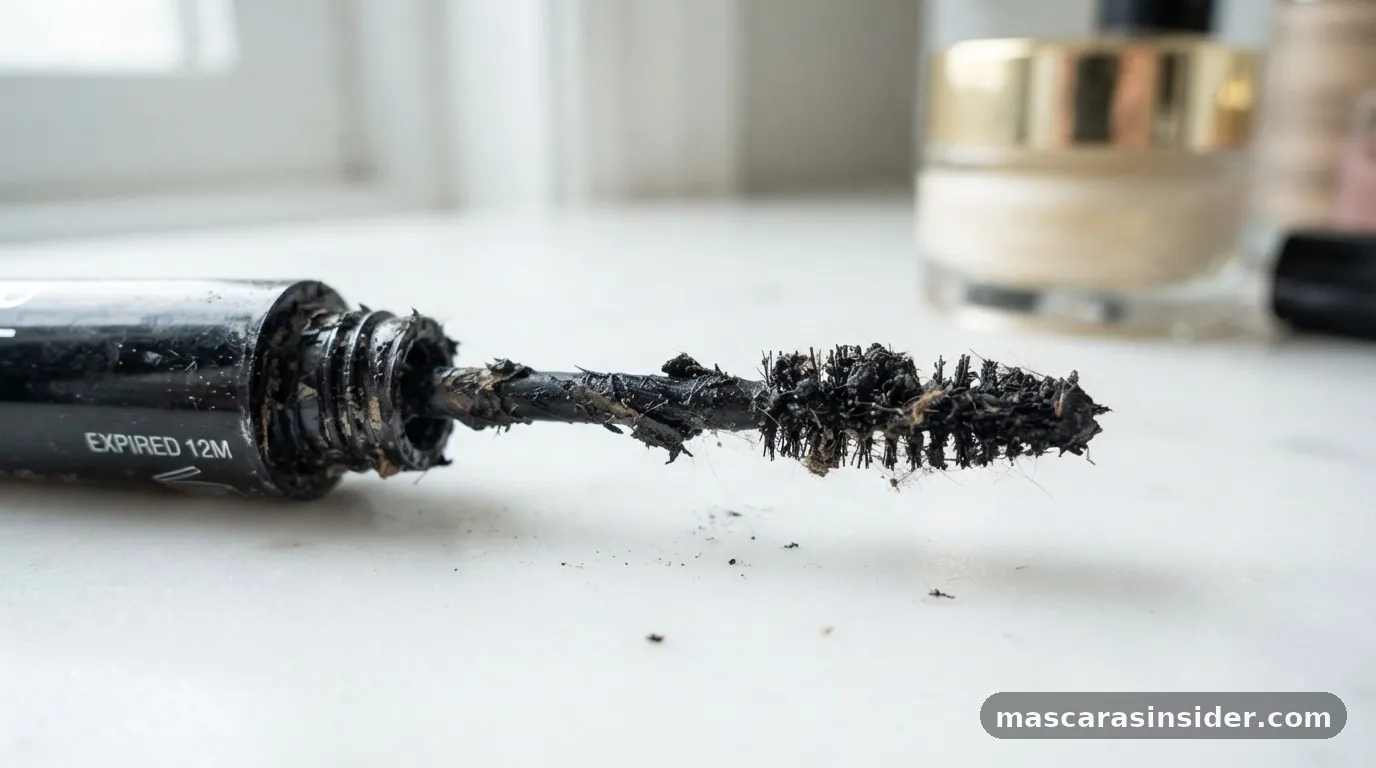
Many beauty enthusiasts treat their makeup collection as a long-term investment, but your eye products require a much stricter timeline than your blushes or bronzers. Understanding how long should you use mascara is not just about maintaining the quality of your makeup application; it is a critical aspect of ocular hygiene. Because the eye is one of the most sensitive parts of the body, the rules governing the lifespan of your cosmetics are dictated by safety rather than just product performance.
When you open a new tube of mascara, you introduce oxygen and contaminants into a dark, moist environment. This creates a breeding ground for microorganisms. While most modern formulas contain preservatives to inhibit growth, these ingredients degrade over time.
Using a product well past its prime significantly increases your exposure to potential infections and irritation. Most professionals suggest that you should replace your mascara every three months, though some specific circumstances may dictate an even shorter lifespan.
The Biological Risks of Expired Mascara
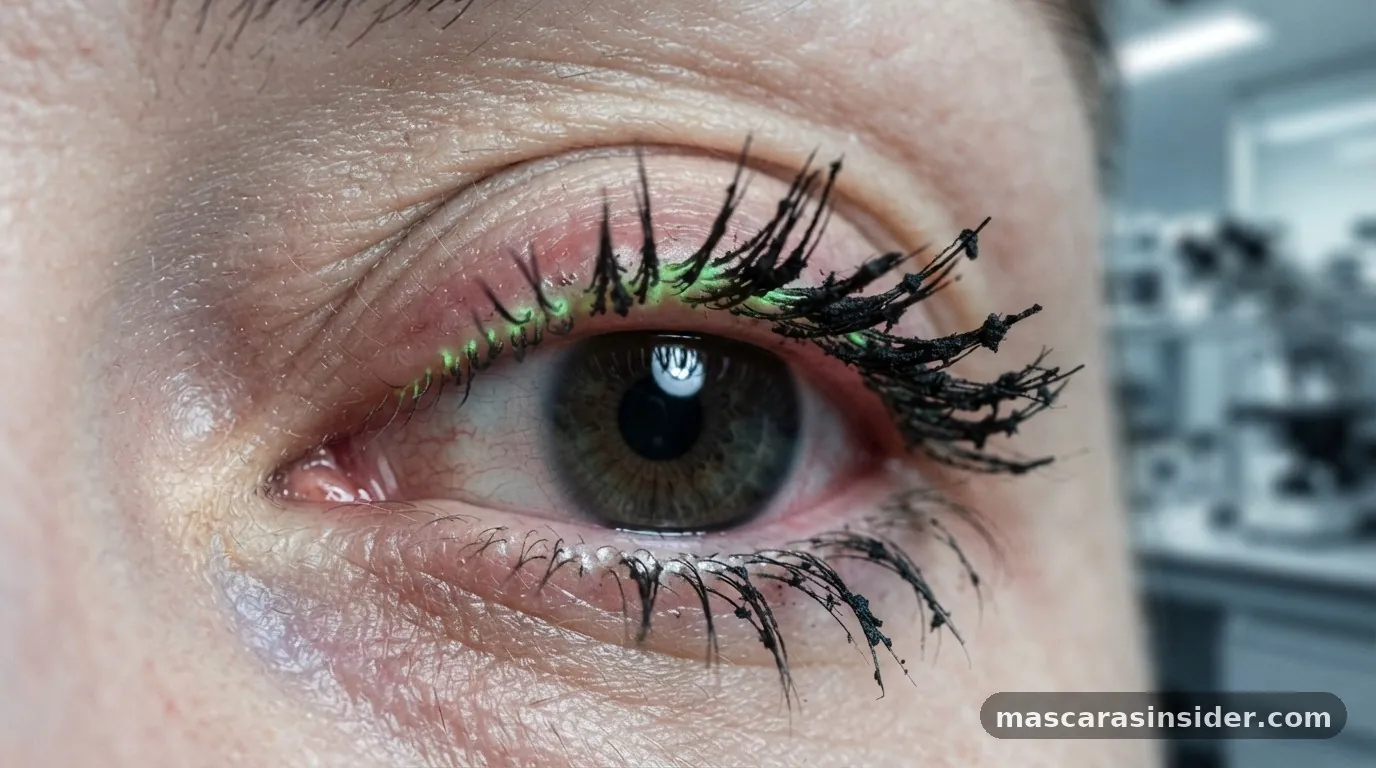
The primary reason you must limit how long you use mascara is the high risk of bacterial growth within the tube. Every time you pull the wand out to apply product to your lashes and then push it back in, you are effectively pumping air and potential skin bacteria into the container. This cycle introduces foreign particles that can thrive in the liquid environment of the formula.
Once bacteria colonize the interior of the tube, they multiply rapidly. Using contaminated makeup near your eye can lead to several uncomfortable and potentially serious conditions.
The most common issue is simple irritation, which manifests as redness, itching, or a burning sensation. However, more severe consequences include conjunctivitis, commonly known as pink eye, or even blepharitis, an inflammation of the eyelid margins that can cause crusting, swelling, and chronic discomfort.
Because the eye lacks the same level of protection as the skin on your arms or legs, it is highly susceptible to infections. When you apply an old product, you are transferring these pathogens directly to your lashes and the delicate skin surrounding the eye.
Even if you do not notice an immediate reaction, the cumulative effect of using degraded preservatives can compromise the health of your lash follicles over time. By adhering to a strict three-month replacement schedule, you minimize the window of opportunity for these harmful microbes to reach dangerous levels.
Signs Your Mascara Has Expired
Even if you have not reached the three-month mark, you should stop using your mascara if the product shows signs of degradation. The formula is designed to maintain a specific consistency that allows for smooth application, but as the preservatives break down and the ingredients separate, the texture changes significantly. Being aware of these sensory cues is essential for protecting your vision and your skin.
One of the first indicators that a product is past its prime is a change in odor. If your mascara develops a sharp, chemical, or sour smell, it has likely been compromised by bacterial activity. Do not attempt to mask this scent or keep using the product if the smell is off.
Another telltale sign is a change in the consistency of the liquid. If the formula has become clumpy, thick, or excessively dry, it is no longer safe or effective to apply.
If you notice that the product is flaking off onto your cheeks throughout the day, it is a sign that the binding agents in the formula have lost their integrity. Furthermore, if you experience any new or unusual sensitivity when applying your makeup, discard the tube immediately.
You can find more information on eye safety and the risks of contaminated cosmetics at the official FDA guide on eye cosmetics safety. Prioritizing your health over the cost of the product is always the right decision.
Proper Storage and Application Habits
The environment in which you store your beauty products plays a massive role in how long they last. Many people keep their makeup in a bathroom, but the humidity from showers and the fluctuation in temperature can accelerate the breakdown of your mascara formula. Heat and moisture are catalysts for the growth of bacteria, meaning a bathroom drawer is often the worst place to keep your cosmetics.
To extend the life of your mascara until its natural expiration, you should store it in a cool, dry place away from direct sunlight. Additionally, your application habits determine how quickly you introduce contaminants.
One common mistake is the “pumping” motion people use when trying to get more product on the wand. This action forces air into the tube, which dries out the formula and introduces airborne debris.
Instead of pumping the wand, gently swirl it around the inside of the tube to coat the bristles. If you feel like your mascara is getting dry, never add water or saliva to thin it out. Saliva contains oral bacteria that will instantly contaminate the tube, turning your mascara into a petri dish.
If the product is dry, it is time for a replacement. Consistency in these habits ensures that the product remains safe for the duration of its recommended use.
Comparing Different Types of Mascara
Not all mascaras are created equal, and their ingredients influence how long they stay stable. While the general rule is to replace your mascara every three months, water-based formulas tend to be more susceptible to bacterial contamination than oil-based or waterproof versions. This is because bacteria thrive in water, and the lack of harsh preservatives in some “clean” beauty products can make them expire even faster.
The following table compares the typical lifespan and characteristics of different mascara types to help you manage your beauty routine effectively.
| Mascara Type | Typical Lifespan | Key Characteristic |
|---|---|---|
| Standard Water-Based | 3 Months | Easy to remove, prone to drying |
| Waterproof | 3 Months | Resistant to moisture, harder to remove |
| Natural/Preservative-Free | 1-2 Months | Higher risk of rapid bacterial growth |
| Tubing Mascara | 3 Months | Forms polymer tubes, gentle removal |
Understanding these differences is vital for those who prioritize natural beauty products. If you choose a brand that avoids synthetic preservatives, you must be hyper-vigilant about your replacement schedule. These products often have a shorter shelf life because they lack the chemical buffers that prevent microbial proliferation.
Regardless of the formula, always check the PAO (Period After Opening) symbol on the packaging, which is usually a small jar icon with a number like “6M” indicating the product is safe for six months after it is opened. However, for mascara, the three-month rule remains the safest guideline for ocular health.
The Dangers of Sharing Makeup
Sharing your mascara with friends or family is a major health risk that many people overlook. Even if you are careful with your own products, introducing a different set of skin bacteria from someone else’s face into your tube can trigger an infection. Each person carries their own unique microbiome, and what is harmless on one person’s skin can cause a reaction in another.
1. Never share eye makeup products like mascara or eyeliner with anyone else.
2. Avoid using tester wands at retail makeup counters unless the store provides single-use, disposable applicators.
3.
If you do use a tester, never apply the product directly to your eye; use a clean, disposable wand to apply it to the back of your hand first.
4. If you have had an eye infection, discard all eye makeup used during the time you were symptomatic.
5.
Clean your makeup brushes and tools regularly to prevent the transfer of bacteria back into your makeup containers.
6. Replace your mascara immediately if you notice any changes in smell, texture, or color.
By following these steps, you protect yourself from cross-contamination. Many people treat makeup as a social activity, but when it comes to the eye area, strict boundaries are necessary.
A makeup artist knows that professional kits require constant sanitization and the use of disposables, and you should adopt a similar mindset for your personal collection. Keeping your routine clean prevents the spread of staph infections and other common issues that can cause long-term damage to the eyelid or the surface of the eye.
Addressing Topical Gaps in Eye Care
A common question that arises is whether you can keep a tube of mascara longer if it is unopened. The answer is yes, but with limitations. An unopened tube of mascara can generally last up to two or three years if stored in a cool, dark place.
However, once the seal is broken, the clock starts ticking. The manufacturing process ensures that the product is sterile until the moment you open it. Once air enters, the chemical balance shifts, and the preservatives begin their work of protecting the formula.
Another point of confusion is the difference between “clean” beauty and conventional formulas. Many consumers assume that natural ingredients are always better, but in the context of mascara, synthetic preservatives are actually essential for safety.
Without them, the water content in the formula would become a breeding ground for mold and bacteria within weeks. If you are committed to natural products, you must be prepared to replace them more frequently than a conventional synthetic formula.
Finally, many people ask if it is okay to use mascara after having a case of conjunctivitis. The answer is a firm no. Even if you feel better, your mascara tube likely contains the bacteria or virus that caused the infection.
Continuing to use that tube will almost certainly lead to a reinfection. It is a small price to pay to discard a tube of makeup compared to the discomfort and potential complications of a recurring eye infection. Investing in a fresh tube is the only way to ensure your recovery is permanent and your eyes remain healthy.
Final Thoughts on Eye Hygiene
Maintaining your eye health requires consistency and a healthy dose of skepticism toward expired products. While it is tempting to use a favorite mascara until the very last drop, the risk of developing an infection far outweighs the benefit of getting a few extra applications. By keeping track of when you opened your product, you can ensure that you are always using a fresh, safe formula.
Remember that your eyes are irreplaceable. The skin around them is thin and sensitive, and the eyes themselves are prone to irritation from even the smallest contaminants.
When you make it a habit to replace your mascara every three months, you are making a proactive choice to protect your vision and your comfort. If you ever have doubts about the state of your product, the safest course of action is always to discard it and start fresh.
Frequently Asked Questions
Q: Can I use mascara for six months if I don’t wear it every day?
A: No, the three-month rule applies regardless of frequency. Once the tube is opened, the preservatives begin to degrade and bacteria can enter the formula. Even with occasional use, the product will no longer be sterile after three months of exposure to air.
Q: Is it safe to use old mascara if I sanitize the wand?
A: Sanitizing the wand does not solve the problem because the bacteria are inside the tube. Once the formula itself is contaminated, the wand will simply pick up the bacteria again. It is impossible to effectively sanitize the interior of a mascara tube.
Q: How can I remember when to throw my mascara away?
A: A simple trick is to write the date you opened the tube on the bottom with a permanent marker or a small piece of masking tape. This takes the guesswork out of your routine and ensures you stay within the three-month safety window.
Q: What should I do if I accidentally use expired mascara?
A: Don’t panic. One application is unlikely to cause a severe infection, but monitor your eyes for the next 24 to 48 hours. If you notice any redness, itching, or discharge, stop using eye makeup entirely and consult a healthcare professional if the symptoms persist.