
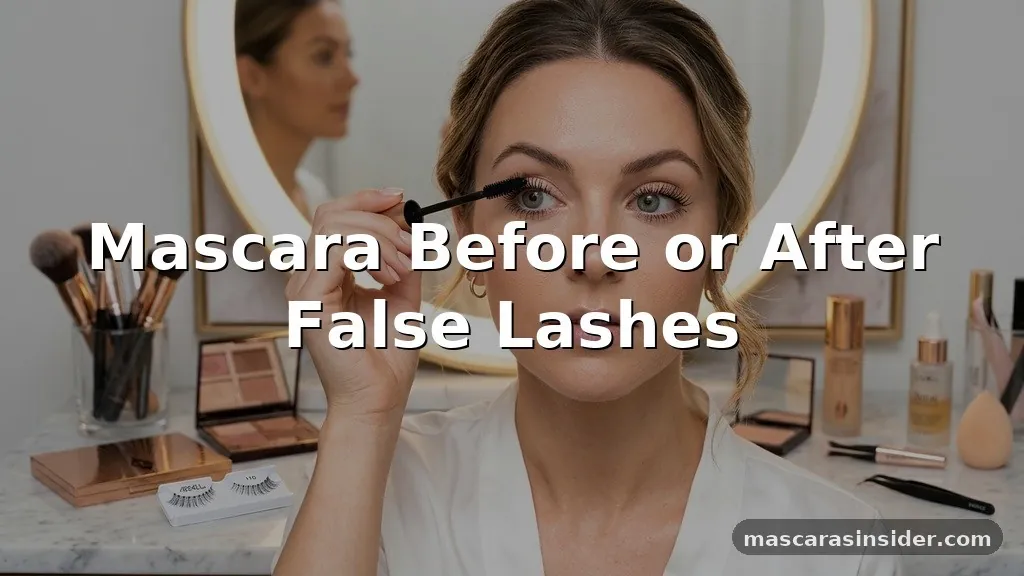
Working out whether to apply mascara before or after false lashes is one of the most common dilemmas in everyday makeup application. Getting the timing wrong can ruin a brand-new pair of strip lashes, leave ugly clumps, or make your natural lashes look completely disconnected from your false ones. Fortunately, a few straightforward professional techniques can help you achieve a seamless, high-volume eye makeup look every single time.
The Case for Applying Mascara Before False Lashes
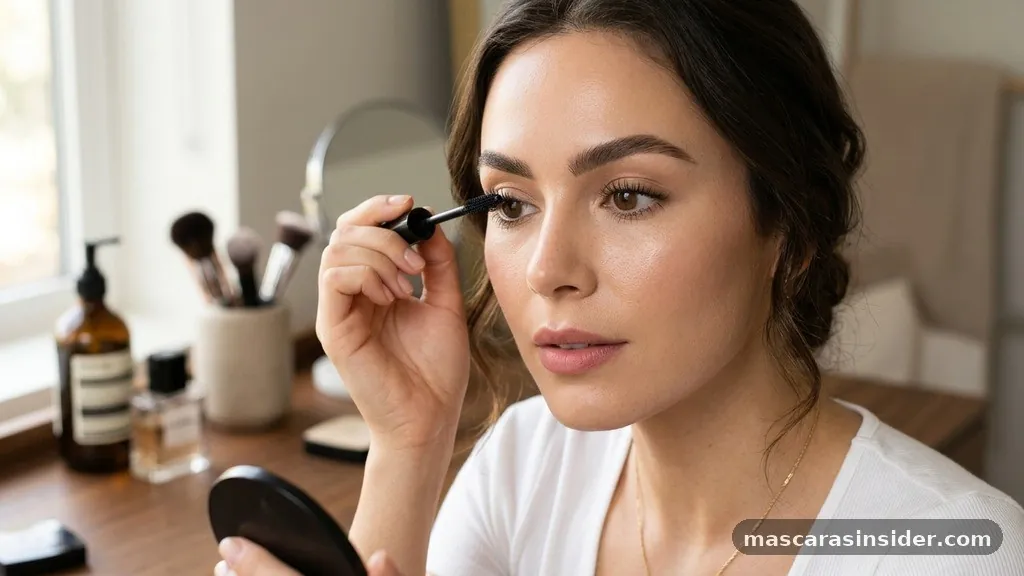
Applying mascara before putting on your false eyelashes serves a very specific structural purpose. When you brush a coat of mascara through your natural lashes first, you create a sturdy, textured shelf for the strip lashes to rest upon.
This technique is especially useful if you have very straight or light-colored natural hairs that refuse to blend with darker fake lashes. By tinting and lifting your natural fringe beforehand, you eliminate any awkward gaps where your bare hair might peek out beneath the adhesive line.
However, putting on heavy layers of wet product right before you apply mascara and affix your falsies can backfire. If your natural hairs are slick and damp with product, the lash band might slip around instead of gripping properly.
To avoid this, apply a very light, lengthening coat and let it dry completely for at least a couple of minutes. This gives you the structural support you need without compromising the security of your glue.
Benefits of Pre-Lash Mascara Application
- Provides a sticky, textured foundation for the lash band to grip onto
- Prevents a noticeable color mismatch between dark false eyelashes and lighter natural hairs
- Lifts the root of the hair so the overall eye look appears more open and dimensional
- Helps you judge the exact curl and volume needed to complete your makeup
Why You Might Want to Apply Mascara After False Lashes
Many professional makeup artists swear by applying mascara after the fake eyelashes are securely in place. This sequence allows you to press your real hairs and the synthetic strands together so they act as a single, cohesive unit.
When you wear falsies, a tiny separation can sometimes occur between your skin and the falsies, making it obvious that you are wearing enhancements. A gentle sweep of a wand over both layers marries them together instantly.
The main drawback of this method is product buildup on your favorite decorative wisps. If you are using inexpensive synthetic styles, coating them in thick black pigment will quickly ruin their delicate texture, preventing you from cleaning and reusing them. For reusable brands like ardell, post-application coating should be kept to an absolute minimum—just a light touch at the very base to merge the colors.
Common Risks of Post-Lash Coating
Coating your synthetic fibers too heavily can weigh them down, destroying their carefully engineered curl. Furthermore, wet wands can easily snag on the delicate cotton or invisible bands, pulling the corners loose before your event even begins. If you prefer this sequence, always choose a dry formula and sweep only the very tips of the hairs.
Comparing the Application Sequences
Deciding which method works best for your routine depends heavily on your skill level, the type of products you prefer, and whether you are aiming for a natural daytime look or dramatic evening glamour. The following breakdown highlights how each approach performs across different makeup priorities.
| Factor | Mascara First | Mascara After |
|---|---|---|
| Lash Lifespan | High (keeps falsies clean) | Low (product buildup damages fibers) |
| Blending Ease | Moderate | Excellent |
| Adhesion Security | Requires dry time | Instant grip on bare hairs |
| Natural Look | Subtle and lifted | High impact and dramatic |
Special Considerations for Extensions and Specialty Lashes
If you have semi-permanent eyelash extensions rather than temporary strips, your rules change entirely. Standard water-resistant formulations and oil-based removers will break down the semi-permanent bond, causing premature shedding. For those who enjoy occasional flair, investing in a specialized eyelash care routine ensures your natural follicles remain healthy beneath any temporary enhancements you choose to use.
When working with magnetic bands or heavy dramatic styles, the standard rules shift again. Magnetic styles rely on clean, bare skin or eyeliner bases rather than natural hair friction, meaning you should almost always finish your entire eye look—including eyeliner and heavy coatings—before snapping the magnets into place.
Troubleshooting Common Makeup Mistakes
Even with careful planning, things can go wrong during the makeup process. If you accidentally get wet product on your eyelid or smudge your eyeliner while trying to press your hairs together, do not try to wipe it away immediately.
Let the liquid dry completely, then gently flake it off with a clean spoolie brush. Trying to fix a wet smudge will only smear the pigment across your eyelid, ruining your hard work.
Another frequent issue is premature band lifting at the inner corners of the eye. This usually happens because excess oil or moisture from a heavy coat of product prevented the adhesive from forming a proper bond. Always wipe your eyelids with a clean cotton swab dipped in micellar water before starting your application to ensure maximum staying power.
Frequently Asked Questions
Can you put mascara on fake eyelashes?
Yes, but it significantly shortens their lifespan. Heavy pigment buildup ruins the synthetic fibers, making them stiff and un-reusable. If you must blend them, apply a tiny amount only to the very tips of the hairs.
Should I curl my natural lashes before applying falsies?
Curling your natural lashes beforehand is highly recommended. It creates an upward angle that matches the lift of the false extensions, preventing a double-tiered look where your real hairs droop underneath.
What is the best way to remove lash glue without ruining my makeup?
Saturate a cotton pad with an oil-free makeup remover or micellar water, press it gently against your closed eye for thirty seconds to dissolve the adhesive, and the strip will slide off effortlessly.
Do I need eyeliner if I wear strip lashes?
Eyeliner is not strictly mandatory, but a thin line of black liner helps camouflage the clear or black lash band, making the transition between your skin and the falsies look completely seamless.
Conclusion
Mastering the balance of mascara before or after false lashes ultimately comes down to personal preference and the specific look you want to achieve. Whether you prep your natural fringe beforehand for structural support or touch up the final look for seamless blending, proper technique keeps your eyes looking stunning all day long. Experiment with both methods to find what suits your daily routine best, and enjoy your flawless new look.