

Discovering your favorite tube has turned clumpy right when you need it can be frustrating, but knowing how to refresh mascara saves both time and money. Instead of throwing out a nearly full product, a few simple adjustments can restore a smooth texture without ruining your eye makeup look.
Why Does Mascara Dry Out Before It Is Finished?
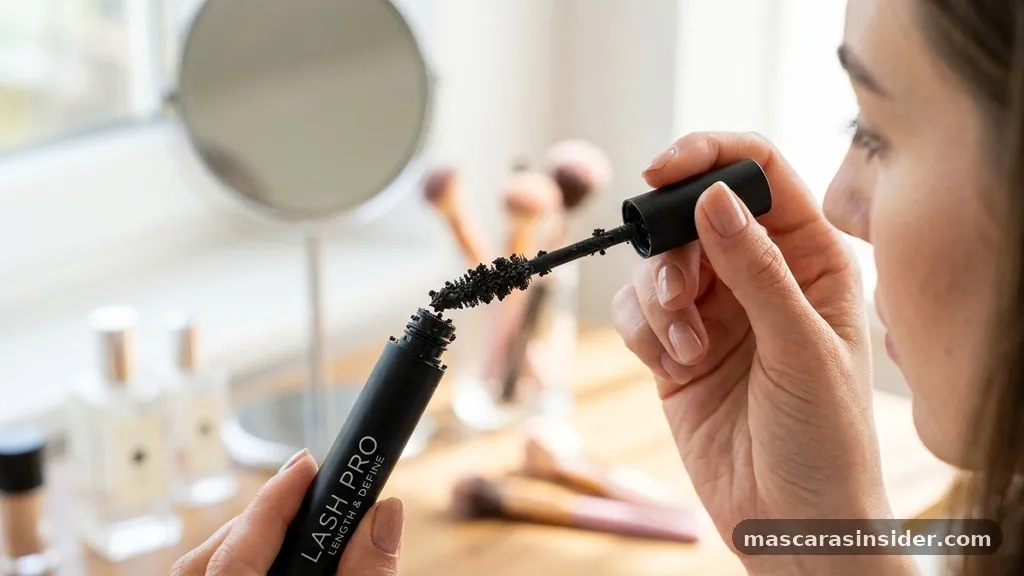
Every tube of cosmetic product has a limited lifespan, but factors like air exposure and temperature changes often speed up the process. Each time you pull out the wand, a small amount of air enters the mascara tube. Over a period of just a few months, this constant airflow causes the liquid inside to evaporate, leaving behind a dry mascara consistency that flakes and clumps.
Pumping the wand inside the container is a common habit that actually worsens the issue. When you push the applicator up and down like a piston, you force excess air deep into the chamber.
This oxidizes the formula much faster. Being mindful of how you handle the applicator can significantly lengthen the functional life of your cosmetic items, ensuring your favorite beauty products stay smooth and usable for a longer duration.
Safe Liquids to Revive Your Dry Mascara
When trying to liquefy a hardened cosmetic, choosing the right diluting agent is critical for eye safety. Many people wonder whether ordinary tap water is safe to use. Dermatologists and beauty experts generally discourage using tap water because it can introduce harmful bacteria directly into the eye area, potentially causing infections.
Instead, look for sterile liquids that match the body’s natural chemistry or specialized cosmetic thinners. Using a few drops of multi-purpose lens solution or mild saline drops provides a safe way to rehydrate the mixture without altering its pH balance too drastically. Below is a breakdown of common liquids and their suitability for reviving cosmetics:
| Liquid Type | Safety Level | Effectiveness |
|---|---|---|
| Saline Solution | High (Sterile) | Excellent for moisture restoration |
| Eye Drops (Lubricating) | Moderate | Good, but check for anti-redness additives |
| Tap Water | Low (Bacterial Risk) | Poor; introduces microbes |
| Facial Oil | Low (Causes Smudging) | Breaks down water-resistant polymers |
Step-by-Step Instructions to Rescue Clumpy Makeup
Reviving a clumpy cosmetic takes less than five minutes if you follow a methodical approach. First, check the age of your product. If it has been open for more than three months, it might be safer to replace it entirely rather than attempting a fix.
If the container is still relatively fresh, gather your chosen sterile liquid and follow these practical steps to restore a creamy consistency:
- Add exactly two drops of saline solution or contact lens fluid directly into the container. Avoid over-pouring, as too much liquid will create a runny mess.
- Insert the applicator back into the tube and gently twist it against the inner walls to coat the bristles evenly.
- Avoid the temptation to pump the wand up and down, which only traps more air inside the chamber.
- Test the texture on the back of your hand before applying it near your eyelashes to ensure it goes on smoothly.
The Hot Water Method for Quick Softening
If you prefer not to introduce any foreign liquids into your cosmetic container, thermal energy offers an alternative solution. This approach relies on gentle heat to soften the waxes and oils trapped inside the rigid packaging, making the contents fluid again without dilution.
To use this method, fill a mug or small bowl with hot water from the tap—ensuring it is warm rather than boiling, as extreme heat can warp plastic packaging. Seal your cosmetic container tightly and submerge it in the warm water for about five to ten minutes.
The heat helps melt hardened clumps along the interior walls, allowing the wand to glide smoothly through the product once more. For guidance on maintaining proper eye health while using cosmetic items, you can consult resources like the National Eye Institute for expert care tips.
Common Mistakes to Avoid When Extending Product Life
Attempting to fix dried-out cosmetics can sometimes backfire if certain hazardous shortcuts are taken. A widespread misconception is that adding everyday facial oils or baby oil will restore a smooth texture. Unfortunately, oil-based additives break down the binding polymers in standard cosmetic formulations, resulting in severe smudging and raccoon eyes throughout the day.
Another frequent error involves using saliva to moisten the wand. Saliva contains oral bacteria and enzymes that multiply rapidly inside a dark, enclosed tube, creating a breeding ground for microbes that can lead to painful corneal abrasions or pink eye. Always stick to sterile, ophthalmologist-tested solutions if you want to keep your eye area healthy and safe from irritation.
Knowing When It Is Time to Discard Your Old Makeup
Even with the best maintenance techniques, every cosmetic item has a strict expiration threshold. The warm, moist environment inside a closed tube makes it an ideal breeding ground for microorganisms over extended periods. Using expired cosmetics increases the risk of styes, redness, and chronic irritation.
As a general rule, replace your eye makeup every three months, regardless of how much product remains inside. If you notice a strange chemical odor, a change in texture that cannot be fixed, or persistent irritation after application, throw the item away immediately. Protecting your vision always takes priority over saving a partially used tube.
Frequently Asked Questions
Can I use eye drops to fix dry mascara?
Yes, standard lubricating eye drops or saline solution work well to restore moisture. Avoid drops designed specifically to get rid of redness, as their active ingredients can cause irritation when applied directly to your eyelashes.
How long does a revived mascara last?
Adding liquid usually gives the product another two to three weeks of usability. However, this is only a temporary fix, and you should still replace the tube if it is older than three months.
Is it safe to put water in my mascara?
Tap water is never recommended because it introduces harmful bacteria into the container. If you must add moisture, always use sterile saline or contact solution instead.
Why does mascara clump up so fast?
Frequent air exposure during application causes the liquid solvents inside the formula to evaporate quickly. Pumping the wand in and out of the tube accelerates this process by pushing excess oxygen inside.
Conclusion
Refreshing an old tube of makeup is a practical skill that extends the usability of your favorite beauty products without unnecessary waste. By using sterile solutions and avoiding common pitfalls like pumping the wand, you can easily maintain a smooth application every morning. Pay close attention to product age and hygiene to keep your eyes healthy while enjoying your favorite cosmetic routines.