

Dealing with unexpected spider lashes can ruin a polished look in seconds, leaving many to wonder why does my mascara clump right when they are trying to rush out the door. Understanding the root causes of this frustrating makeup mishap makes it much easier to achieve a smooth, defined finish every single time you apply your favorite cosmetics.
From product expiration to improper application techniques, several everyday factors cause formulas to stick together and create heavy product buildup. Read on to discover how simple adjustments to your routine can completely eliminate flaky residue and transform your daily eye makeup application.
The Impact of Formula Age and Oxidation on Your Makeup
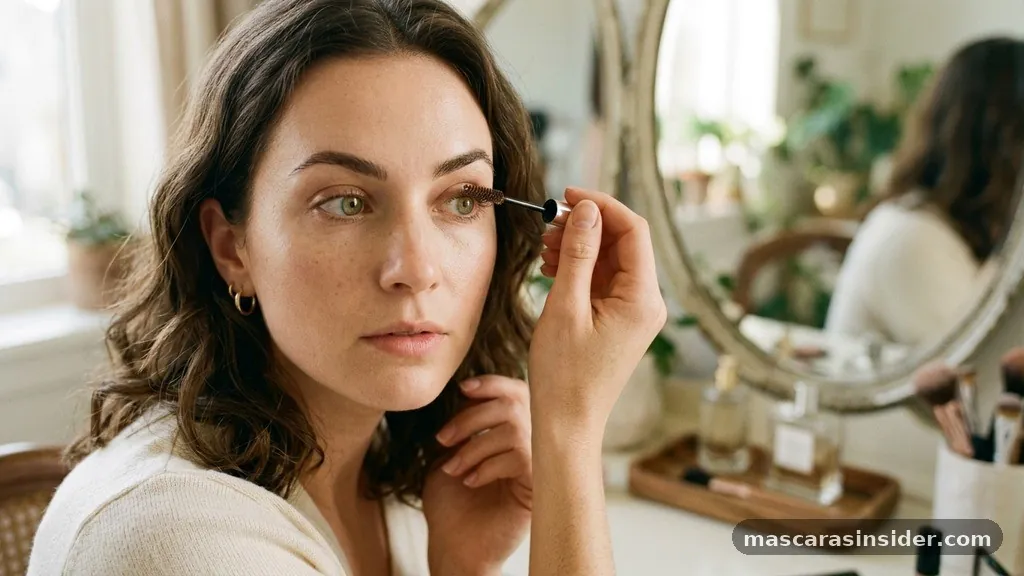
Old or oxidized formulas are the primary culprits behind heavy product buildup on your lashes. As liquid cosmetics age, the solvents inside them slowly evaporate, leaving behind a thicker, drier substance that sticks together upon contact.
Exposing your tube to air by aggressively pumping the wand introduces oxygen and bacteria, which accelerates drying out and causes chunky application. Makeup experts at the U.S. Food and Drug Administration recommend replacing your eye makeup every three months to maintain both safety and smooth texture.
- Pumping the wand forces air inside, drying out the liquid much faster.
- Thickened fluid coats the bristles unevenly, depositing excess weight onto the hairs.
- Expired ingredients separate inside the tube, creating an unblendable consistency.
- Old pigments lose their smooth glide, resulting in a patchy and flaky appearance.
Choosing and Using the Right Mascara Wand
The applicator tool plays a massive role in how the product distributes across your hairs. A bulky or poorly designed brush can deposit too much pigment at once, while a fine-toothed comb separates each individual hair for a clean look.
Plastic bristle combs often provide better definition than traditional fiber brushes because they act like a fine-tooth comb through your hair. If your current tool holds too much excess product at the tip, gently wipe it on a tissue before bringing it near your face.
How Application Technique Triggers Product Buildup
Applying too many coats in rapid succession without letting the layers dry leads directly to heavy product accumulation. When a fresh layer is placed over partially dry pigment, the wet material reactivates the old layer and creates dense clusters.
Wiggling the base of the wand while sweeping upward distributes the product evenly without overloading the tips. Taking your time between strokes prevents the hairs from sticking together like spider legs.
Reviving Dried Out Tubes Without Ruining the Quality
Throwing away a half-empty tube feels wasteful, but adding the wrong substance to fix a dry formula can cause irritation or destroy the product entirely. Many people wonder what to put in mascara to make it less clumpy when their favorite product starts drying out prematurely.
Never spit into your cosmetics or use tap water, as these introduce harmful bacteria directly to your eye area. Instead, rely on safe diluting methods that restore the original texture without compromising safety.
| Revival Method | Safety Level | Effectiveness |
|---|---|---|
| Saline Solution (2-3 drops) | High | Excellent for water-based formulas |
| Eye Drops (Lubricating) | High | Good for restoring moisture quickly |
| Hot Water Bath (Sealed tube) | Very High | Melts dried product inside safely |
| Tap Water or Spit | Dangerous | Introduces harmful bacteria |
Correcting Mistakes and Removing Stubborn Clumps
Even with the best technique, an stray blob of pigment can occasionally land where you do not want it. Trying to scrape dry product off your face usually smudges the black pigment all over your skin, making the situation much worse.
A clean spoolie brush is your best tool for brushing out minor sticking while the pigment is still slightly damp. For dried mistakes, dip a cotton swab into a gentle micellar water and dab precisely at the affected spot without ruining your eyeshadow.
Preventive Habits for Flawless Lash Definition
Maintaining a smooth, clean application requires adopting a few consistent daily habits that protect your cosmetics from premature degradation. Storing your products away from direct sunlight and extreme temperature fluctuations keeps the liquid stable for months.
Always ensure the cap is twisted completely shut until you hear a click, preventing air from entering the chamber. By treating your eye makeup tools with care, you eliminate daily frustration and enjoy smooth, gorgeous results.
Frequently Asked Questions
How do I stop my mascara from clumping?
Prevent clumping by wiping excess product off the wand before application, using a zigzag motion from root to tip, and letting each coat dry for a few seconds before applying another layer to avoid heavy product buildup.
Can I fix clumpy mascara in the tube?
Yes, you can revive a dry tube by adding two or three drops of saline solution or contact lens solution, then rolling the tube between your palms to mix the ingredients thoroughly without introducing bacteria.
Should I curl my lashes before or after applying makeup?
Always curl your lashes before applying any pigment. Curling after application can cause the hairs to stick to the rubber pad, resulting in sharp bends, breakage, and severe product clumping.
Why does brand new makeup sometimes look clumpy?
Brand new tubes often contain an overabundance of fresh, wet formula right out of the factory. Scraping the excess product off the wand against the inner rim before your first stroke solves this issue immediately.
Conclusion
Mastering the art of smooth eye makeup application comes down to proper tool maintenance, mindful layering techniques, and knowing when it is time to replace an aging tube. By avoiding common pitfalls like aggressive wand pumping and improper diluting agents, you can achieve clean, separated definition every single day. Taking these small steps ensures your routine remains effortless and your eyes look stunning.