
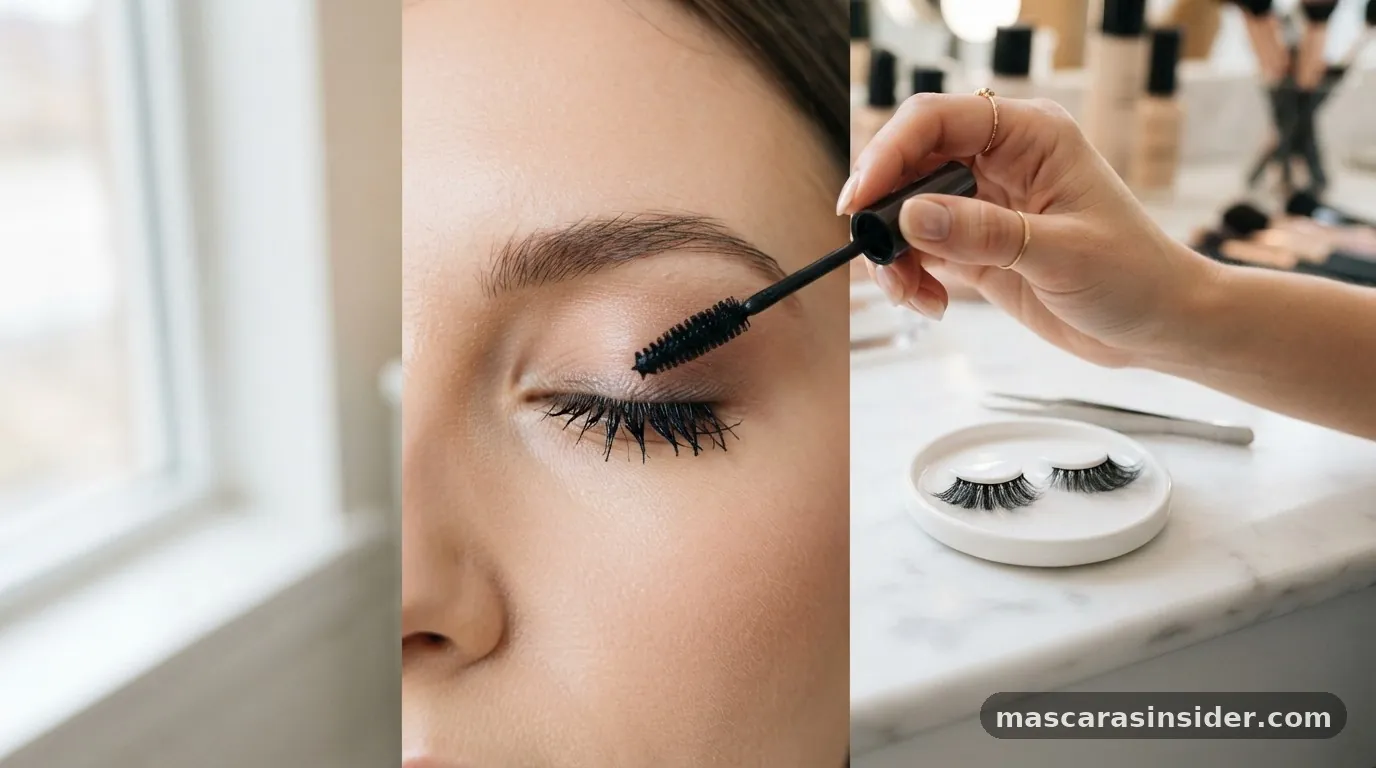
Achieving the perfect eye look often comes down to the order in which you apply your products. One of the most common dilemmas beauty enthusiasts face is whether do you put on mascara before fake lashes to achieve a seamless blend. The answer is nuanced, depending on your experience level and the specific type of lashes you are using.
While many professionals suggest a light coat of mascara to provide a sturdy base, others prefer to keep natural lashes bare to prevent clumping. Understanding how to balance these two elements is essential for anyone looking to upgrade their daily makeup routine.
The Case for Applying Mascara Before Fake Lashes
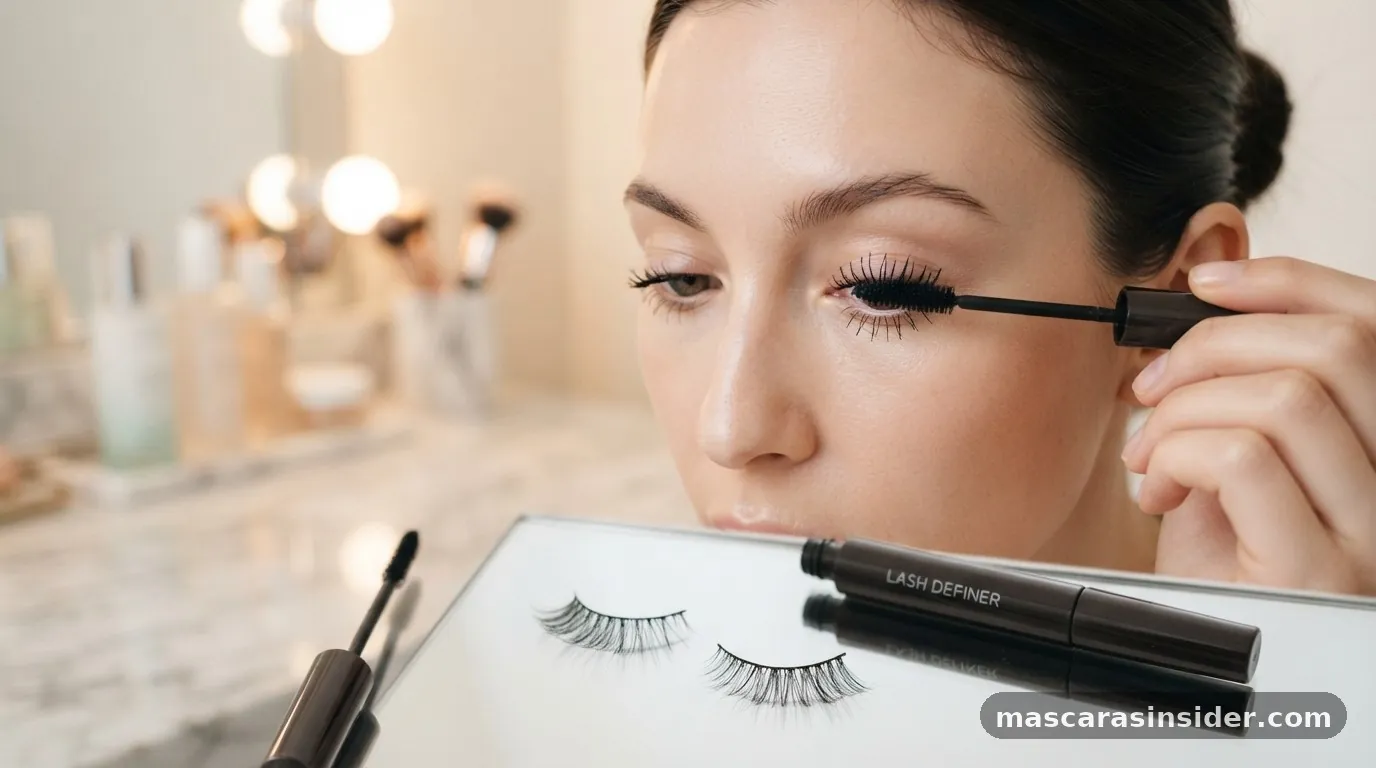
Applying a light coat of mascara before attaching your false lashes provides a solid foundation for the adhesive to grip. When you coat your natural lashes first, you create a shelf-like structure that helps the strip lashes sit more securely against the lash line. This method is particularly effective for those with straight or downward-pointing lashes, as it allows you to curl them and lock that curl in place, ensuring the fake lashes follow the same upward trajectory rather than sagging.
1. Start by curling your natural hair to create an upward lift.
2. Apply a thin layer of mascara, focusing primarily on the roots.
3.
Allow the mascara to dry completely before you apply the adhesive.
4. Use a pair of tweezers to carefully position the strip along your eyelid.
By following this sequence, you ensure that your own hair is darkened and blended with the synthetic fibers. If you skip this step, you might notice a visible gap between your real lashes and the false ones, which can look jarring, especially if you have light-colored hair.
A quick sweep of mascara acts as a bridge, making the transition between the two textures feel invisible. However, you must be careful not to over-apply; heavy, clumpy mascara will create a slick surface that makes it difficult for the glue to bond effectively to your natural hair.
Why Some Prefer Applying Mascara After Application
Many makeup artists argue that you should avoid putting mascara on your natural lashes if you plan to reuse your false eyelashes. When you put mascara on the lashes before application, the product can transfer onto the strip, making it difficult to clean and shortening the lifespan of the product. If you apply the lashes first and then gently sweep a spoolie or mascara wand over the connection point, you can achieve a more controlled blend without getting gunk on the delicate synthetic band.
This method is often safer for beginners who are still learning how to properly handle adhesive. If you accidentally get glue on your mascara-coated natural lashes, it can create a messy, sticky situation that is difficult to fix without ruining your entire eye makeup look.
By waiting until the lashes are secure, you can use the mascara as a finishing touch to marry your real lashes with the falsies. It’s all about creating a cohesive look that doesn’t compromise the longevity of your high-quality lash strips.
Choosing the Right Adhesive and Technique
The type of glue you use is just as important as the order of your application. Professional-grade eyelash adhesive is designed to dry clear or black, and its performance can be affected by the oil content in your mascara.
If you are wondering about the best way to get a long-lasting hold, you need to focus on the tackiness of the glue. Most experts recommend waiting about 30 seconds after applying the glue to the strip before placing it on your eyelid.
Factors Influencing Lash Longevity
* The oil content in your mascara can break down the bond of the adhesive.
* Humidity and environmental factors play a role in how long the glue stays tacky.
* The shape of your eye determines how much adhesive is needed at the inner and outer corner.
* High-quality brands often include a small tube of latex-free adhesive that is gentle on sensitive skin.
If you find that your lashes are lifting at the corners, you might be applying too much product or not waiting long enough for the glue to reach its optimal consistency. For more tips on maintaining lash hygiene and safety, you can consult the American Academy of Ophthalmology regarding proper eye care practices. Keeping your tools clean is vital; if you decide to use mascara, ensure you are removing it thoroughly at the end of the day to prevent debris from building up at the lash line.
Comparing Application Methods
To help you decide which routine works best for your specific needs, the following table breaks down the pros and cons of the two most common approaches.
| Method | Pros | Cons |
|---|---|---|
| Mascara Before | Provides structural support and better blending. | Can make lash strips harder to clean for reuse. |
| Mascara After | Keeps lash strips cleaner; better for beginners. | Might cause natural lashes to sag if not curled. |
As you can see, both methods have their merits. If you are someone who prefers to wear a new pair of lashes every time, the “before” method is usually fine.
However, if you are investing in premium, reusable synthetic or mink lashes, you should lean toward applying mascara only after the lashes are securely in place. This preserves the integrity of the band and prevents the buildup of waxy substances that can eventually lead to irritation or bacterial growth on your eyelid.
Integrating Mascara with Lash Clusters and Extensions
When working with lash clusters or individual segments, the rules change slightly. Because these are often placed underneath your natural lashes rather than on top of the lash line, you generally want to avoid mascara on your natural lashes entirely. Applying mascara before putting on clusters can cause the clusters to stick to your natural hair in a way that is difficult to remove, potentially causing damage when you eventually take them off.
If you are a fan of extensions or salon-grade looks, you likely already know that mascara is typically discouraged. However, for DIY cluster kits, a very light touch is acceptable.
You want to focus on the base of the cluster to ensure it stays put. If you find your natural lashes are too light to blend with the dark clusters, you can use a small amount of mascara on the tips after the clusters are set, but be extremely careful not to pull on the adhesive bond.
Common Mistakes to Avoid During Application
One of the biggest mistakes people make when wearing false lashes is rushing the drying process. Whether you have applied mascara or not, the glue needs to be tacky. If you apply the lash while the glue is still liquid, it will slide around, creating a mess of your eye makeup.
Another frequent error is applying the lash too far from the lash line. You want the strip to sit as close to your natural roots as possible to ensure a natural-looking transition.
5. Avoid using oil-based cleansers near your eyes before applying, as they interfere with the glue.
6. Don’t pull on your natural lashes when removing the strips; always use an oil-based remover to dissolve the adhesive.
7.
Make sure to trim the lash strip to fit the width of your eye, as an oversized strip will inevitably lift at the inner corner.
8. Use a dark-colored adhesive if you want to create a subtle eyeliner effect, which helps blend the strip seamlessly.
By avoiding these pitfalls, you can ensure that your makeup routine remains efficient and that your eyes stay healthy. Remember that practice is key. The first few times you try to balance mascara with falsies, it might feel awkward, but with time, you will develop a rhythm that suits your eye shape and lifestyle.
Addressing Topical Gaps: The Truth About Mascara and Falsies
There is a persistent myth that wearing mascara with false lashes will ruin your natural hair. In reality, it is the removal process that causes the most damage. If you are aggressive with your removal—pulling at the strips or scrubbing your eyes with harsh wipes—you will lose lashes regardless of whether you used mascara or not.
The key is to use a gentle, oil-based makeup remover or a dedicated lash adhesive solvent. This breaks down the bond without requiring physical force.
Furthermore, the quality of the mascara matters. Avoid waterproof formulas when wearing fake lashes, as they are notoriously difficult to remove and often require significant rubbing, which can damage both your natural hair and the lash strips.
Instead, opt for a standard, easy-to-remove formula that adds volume without the need for intense scrubbing. This simple switch can save your lashes from unnecessary stress and keep them looking fuller for longer.
Finally, consider the weight of your mascara. If you have thin, fragile natural lashes, a heavy, volumizing mascara might be too much weight when combined with the added pressure of a strip lash.
In this scenario, it is better to skip the mascara before application and use a light coating of a lengthening formula only on the tips after the falsies are secure. This provides the desired impact without dragging your natural lash line down or putting excess strain on your hair follicles.
Frequently Asked Questions
Is it better to put on mascara before or after applying fake lashes?
Most professionals recommend applying a light coat of mascara before if you want to blend your natural lashes with the falsies, but applying it after is often better if you intend to reuse the lashes frequently to keep them clean and free of product buildup.
Can I use waterproof mascara with fake lashes?
It is generally best to avoid waterproof mascara when wearing fake lashes. The ingredients required to remove waterproof formulas can break down the lash adhesive prematurely, and the scrubbing required for removal often damages the synthetic lashes and your natural hair.
How do I make my fake lashes look more natural?
To achieve a natural look, ensure you trim the lash strip to fit your eye width. Applying a thin line of black eyeliner before placing the lashes helps hide the band, and a gentle blend with mascara can help unify your real lashes with the false ones.
Do I need to clean my fake lashes after every use?
Yes, cleaning your lashes after every use is essential for hygiene and longevity. Gently peel off any dried glue residue with tweezers and use a mild, oil-free cleanser to remove any makeup or mascara, then store them in their original case to maintain their shape.