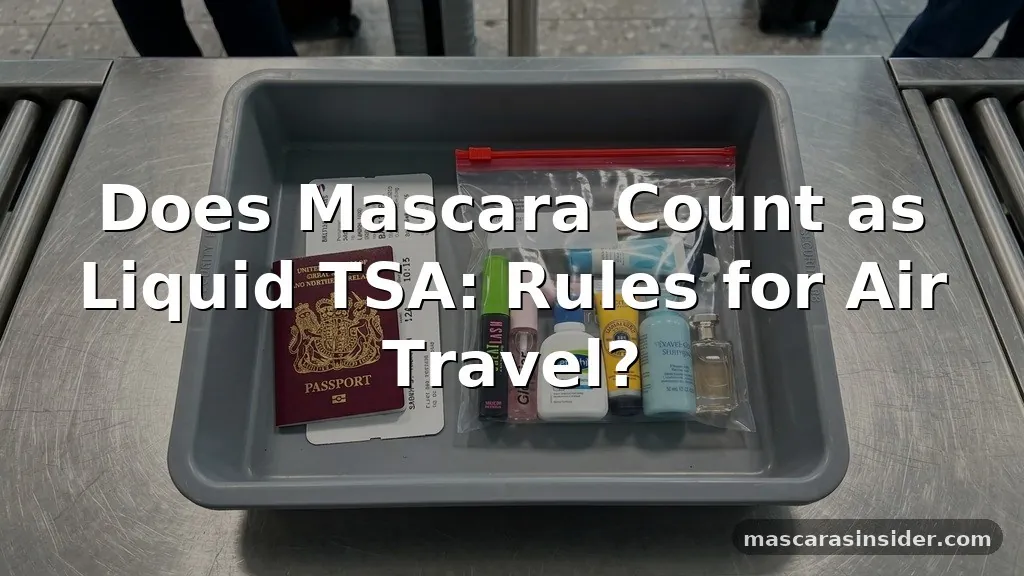
If you are rushing through airport security with a tube of your favorite cosmetic product in your hand, you might wonder whether it is going to trigger a search. Specifically, does mascara count as liquid TSA controlled substances when you are preparing for a flight?
Navigating the strict regulations enforced by aviation authorities can be tricky, especially when it comes to cosmetics that sit right on the borderline between solid and fluid. Understanding how security agents view these items will save you from losing your favorite beauty tools at the checkpoint.
When packing for a trip, knowing what falls under the restrictive rules of the Transportation Security Administration helps ensure a smooth journey. Liquid cosmetics, gels, and aerosols are all subject to strict volume limitations. Because formulations vary widely across different brands and product types, travelers often find themselves guessing which items need to go into a special protective pouch and which ones can stay loose in a regular travel kit.
Understanding the 3-1-1 Liquids Rule for Cosmetics
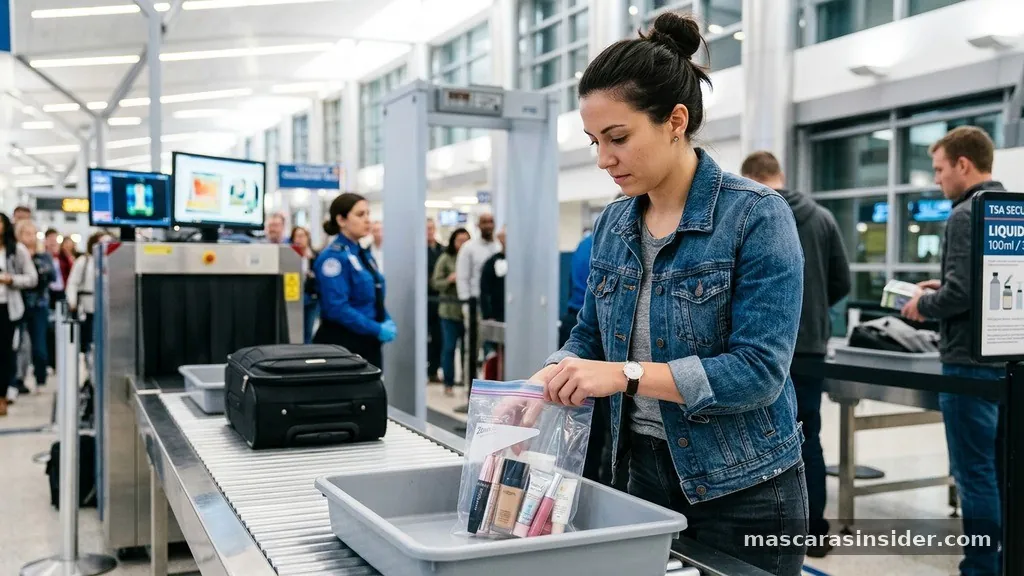
The 3-1-1 rule is the foundation of modern aviation security regarding gels, aerosols, and fluids. Under this guideline, passengers are permitted to bring substances in containers that are 3.4 ounces (100 milliliters) or smaller. All of these containers must fit comfortably inside a single, transparent, quart-sized plastic bag.
Security personnel strictly enforce this mandate to prevent prohibited materials from entering the cabin of the aircraft. When evaluating whether does mascara count as liquid TSA agents look at the physical state of the product inside the container rather than just its name or primary function.
Because traditional formulas are viscous and fluid, they fall squarely into the restricted category alongside liquid foundation, liquid eyeliner, and liquid lipstick. Even if a tube feels nearly empty, security officers evaluate the potential volume of the container rather than the amount of product left inside. Failing to place these items inside your designated transparent bag during the screening process often leads to delayed lines, manual bag checks, and potential confiscation of unauthorized items.
Why Mascara Is Classified as a Liquid or Gel
The classification of cosmetics at security checkpoints depends on their physical properties at room temperature. A fluid substance is generally defined as anything that can flow, spread, or take the shape of its container.
Because traditional formulas rely on a fluid, cream-based suspension to coat lashes evenly without clumping, security officials classify them as restricted gels or liquids. This means that standard wands must adhere to the same strict volume limitations as your favorite facial cleansers, lotions, and perfumes.
Waterproof formulations, volumizing gels, and fiber-infused tubes all share this fluid base. Security screeners do not make exceptions for high-end brands or specialized formulas; if the product can be poured, squeezed, or wiped as a fluid or gel, it must comply with standard aviation safety protocols. Recognizing this classification helps you avoid unpleasant surprises at the security checkpoint and ensures your favorite beauty routine remains intact throughout your journey.
How to Pack Mascara and Other Makeup for Flights
Properly organizing your cosmetic collection before heading to the airport is essential for a stress-free screening experience. To keep your travel day running smoothly, you should gather all fluid and gel-based items and place them together in an accessible location. According to the official guidelines outlined by the Transportation Security Administration, every container must meet specific sizing criteria and fit inside an approved transparent container.
Here are the best practices for organizing your beauty products before a flight:
- Place all tubes, glosses, and fluid foundations inside a clear, quart-sized plastic bag.
- Keep your transparent bag easily accessible near the top of your carry-on bag for rapid inspection.
- Check individual container labels to ensure no single item exceeds the 3.4-ounce limit.
- Opt for solid alternatives like powder formulas if you want to bypass the transparent bag requirement entirely.
Comparing Makeup Types Under Aviation Security Rules
Not all cosmetic products face the same level of scrutiny when passing through airport checkpoints. Understanding the difference between restricted items and permitted solids allows you to pack efficiently without wasting precious space inside your transparent pouch. The table below outlines how various cosmetic categories are typically treated during the screening process.
| Cosmetic Category | TSA Classification | Packing Requirement |
|---|---|---|
| Traditional formulas | Liquid / Gel | Must fit in a quart-sized bag |
| Powder eyeshadow | Solid | Can remain in your normal makeup bag |
| Liquid foundation | Liquid | Must fit in a quart-sized bag |
| Standard lipstick | Solid | Can remain in your normal makeup bag |
As illustrated above, understanding the distinction between fluid-based substances and dry powders makes a significant difference when organizing your luggage. While traditional tubes and liquid foundations require careful placement inside your transparent pouch, standard pressed powders and traditional lipsticks enjoy much more relaxed handling during the screening process.
Addressing Common Misconceptions About Travel Makeup
Many travelers run into trouble at airport security because of widespread myths regarding cosmetic regulations. One common misunderstanding is that small sample sizes or partially used tubes are exempt from the standard regulations.
In reality, security screeners judge the item based on the maximum capacity printed on the packaging, not the actual volume of product remaining inside. Another frequent mistake is assuming that organic, natural, or specialized hypoallergenic formulas are treated differently than standard commercial brands.
Additionally, travelers often confuse cream-based blurs and balms with powders. Cream blushes, contour sticks, and moisturizing lip balms are classified as gels or pastes, meaning they must also be included in your transparent bag. Being aware of these subtle distinctions prevents common travel headaches and ensures your favorite daily essentials make it through the security checkpoint without issue.
Addressing Topical Gaps in Aviation Cosmetic Regulations
While most travelers understand the basics of the 3-1-1 rule, specific edge cases often cause confusion during security screenings. For instance, many passengers wonder how magnetic lashes, eyelash growth serums, and specialized primer gels are categorized.
Eyelash serums, despite their clear appearance and lightweight application brushes, are strictly evaluated as liquids because of their aqueous formulation. Similarly, glitter gels and metallic eye paints must also comply with standard fluid restrictions.
Another frequently overlooked area involves international travel regulations. While the TSA sets standards for flights originating in the United States, foreign airports may enforce slightly different variations of the standard 3.4-ounce rule.
When returning from an international destination, foreign security agents might require completely different container placements or specialized scanning procedures. Preparing for these variations by packing versatile multi-use items or easily replaceable drugstore products minimizes potential travel stress.
Frequently Asked Questions About Travel and Cosmetics
Does mascara count as a liquid for international flights?
Yes, security authorities worldwide classify these cosmetic tubes as gels or liquids. Most international aviation agencies enforce the same 3.4-ounce limit and require them to be placed inside a transparent plastic bag.
Can I pack my cosmetics in my checked luggage instead?
You are allowed to pack virtually any size of cosmetic product in your checked bags without volume restrictions. However, storing fragile items in checked luggage exposes them to extreme temperature fluctuations and rough baggage handling.
What happens if security agents find my tube outside of my bag?
If an agent discovers a restricted cosmetic item loose in your backpack or purse, they will typically ask you to place it inside a proper transparent bag if space allows, or they may confiscate it.
Are solid versions subject to the same restrictions?
Solid makeup items, such as powder foundations, standard eyeshadow palettes, and traditional lipsticks, are not restricted by the 3-1-1 rule and can remain in your standard travel bag.
Conclusion
Navigating airport security doesn’t have to be stressful when you know how your favorite beauty items are classified. Remembering that traditional cosmetic tubes fall under standard fluid regulations ensures you can pack efficiently and breeze through checkpoints. Take a few moments before your next departure to organize your cosmetics properly, and enjoy a seamless travel experience from takeoff to landing.