
Many people wonder if their daily makeup routine is secretly harming their features. Specifically, does mascara damage eyelashes? The short answer is that while mascara itself is generally safe, the way you apply, wear, and remove it can lead to significant lash health issues.
Your eyelashes are more than just a beauty feature; they are delicate hair follicles that protect your eyes from dust and debris. When you coat them in product every single day, you are creating a physical weight and a chemical barrier.
If you aren’t careful, this can lead to brittleness, thinning, or even mechanical loss. Understanding the relationship between your beauty habits and the structural integrity of your lashes is the first step toward maintaining a fluttery, healthy look.
The Mechanics of Lash Damage
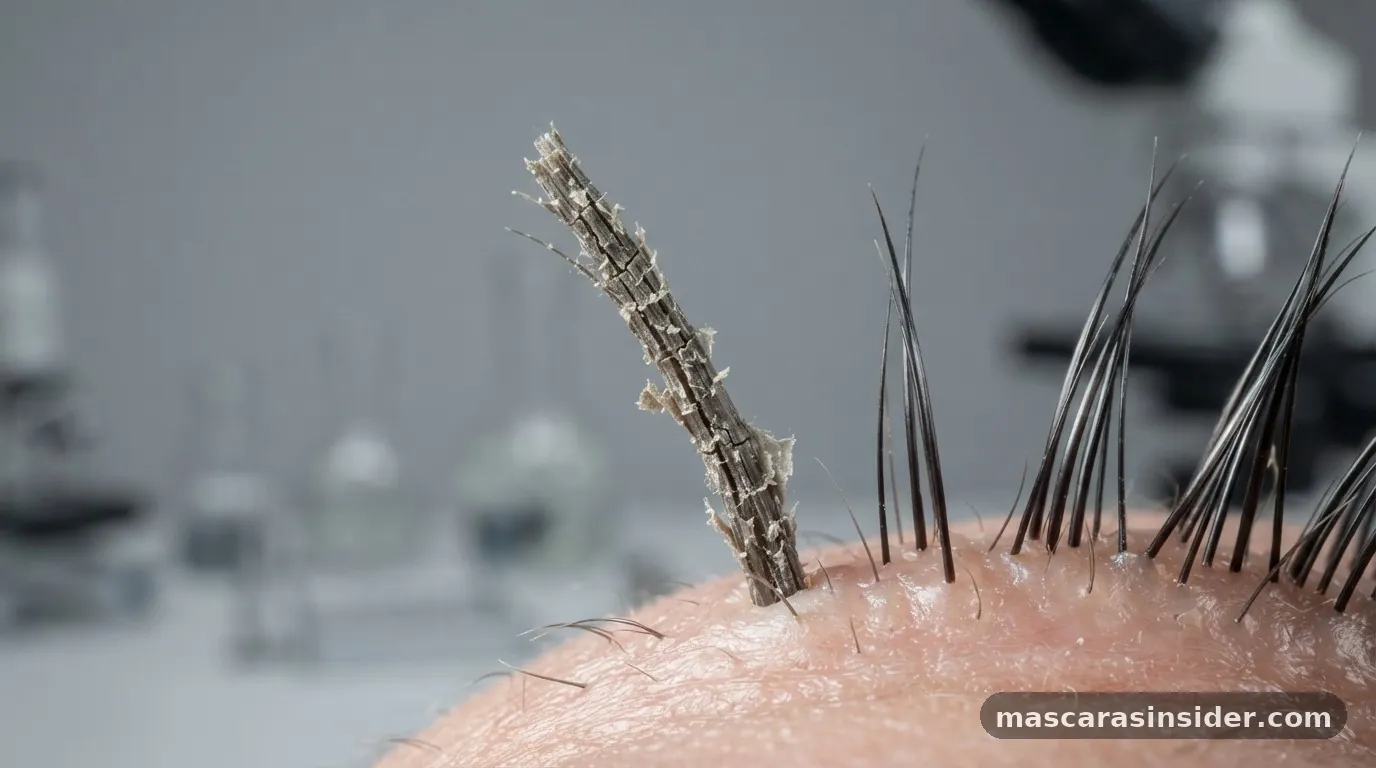
Does mascara damage eyelashes through its physical weight or its chemical composition? Most damage occurs because mascara makes lashes stiff, leading to breakage when they are touched or rubbed.
When you apply a coat of product to your lashes, the formula dries and hardens. This gives you that dramatic, voluminous look, but it also removes the natural flexibility of the hair. Your lashes are designed to be supple.
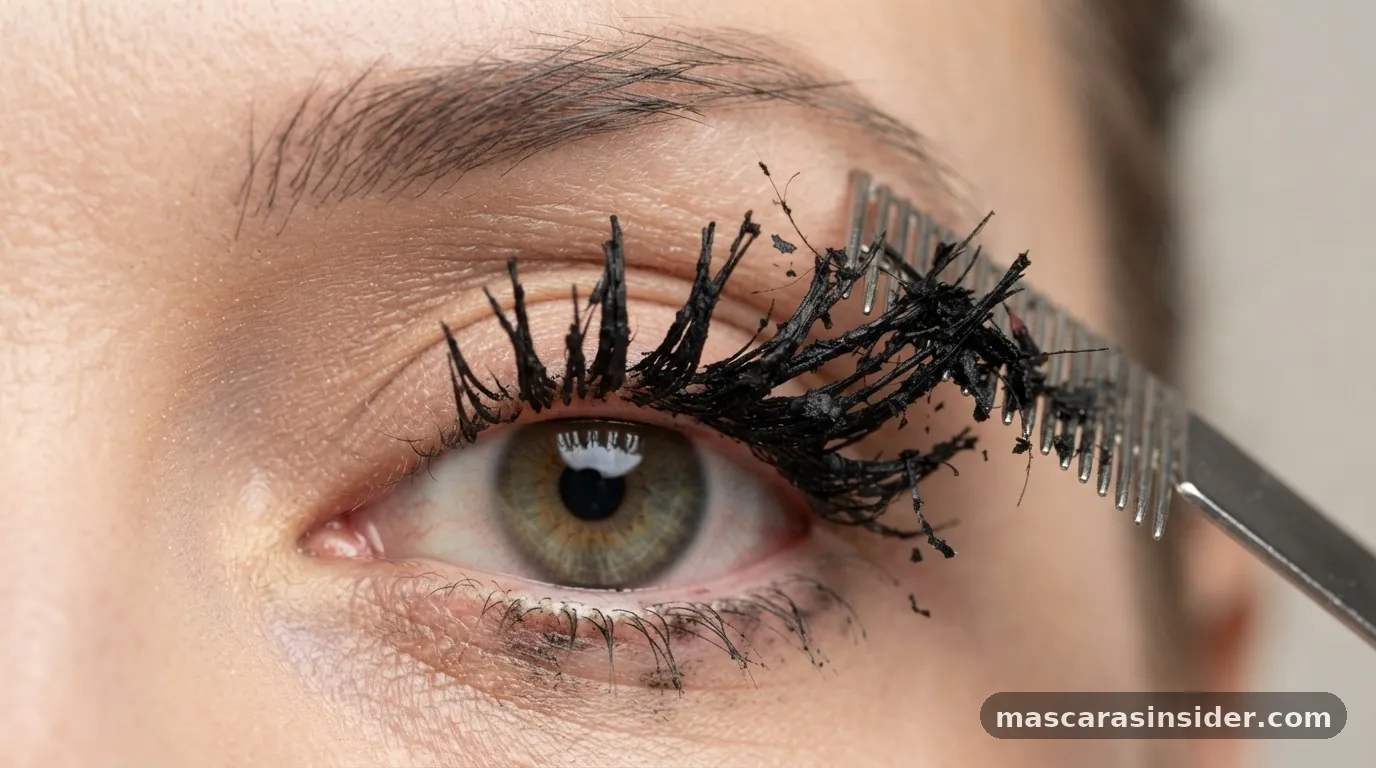
When they become rigid, even a small amount of physical pressure—like rubbing your eyes or sleeping with your face pressed into a pillow—can cause the lash to snap. This is known as mechanical breakage.
Furthermore, many formulas contain ingredients that can dehydrate the hair shaft over time. If you use a waterproof formula, the drying effect is often intensified. Waterproof products are designed to withstand moisture, but they are notoriously difficult to remove.
The friction required to wipe away these stubborn formulas often pulls at the roots, leading to premature shedding. If you find your lashes looking sparse, it might not be the product itself, but the aggressive makeup removal process you use at the end of the day.
Identifying Harmful Ingredients
Certain ingredients in mascaras are more likely to cause dryness or irritation than others. Avoiding these common additives can help you maintain your lash health.
While modern cosmetics are heavily regulated for safety, some substances can still have a negative impact on the long-term condition of your lashes. For example, high concentrations of alcohol can strip the lashes of their natural oils, making them brittle.
Fragrances, while pleasant, can be a source of contact dermatitis for sensitive individuals. If your eyes become red or itchy, you might be having a reaction that leads you to rub your eyes more frequently, which inevitably leads to more lash loss.
Common Ingredients to Monitor
- Parabens: Often used as preservatives, some users prefer to avoid them for general health reasons.
- Synthetic Fragrances: These can cause irritation, leading to eye rubbing and subsequent lash breakage.
- High-Alcohol Content: Can lead to excessive dryness and brittleness.
- Waterproof Polymers: These require harsh solvents or heavy physical scrubbing to remove, increasing the risk of mechanical damage.
It is important to remember that most reputable brands formulate their products to be eye-safe. However, “safe” for the eye does not always mean “nourishing” for the hair.
If you prioritize lash health, look for formulas that include conditioning agents like panthenol, vitamin E, or various botanical oils. These ingredients act as a buffer, keeping the hair hydrated even while coated in pigment.
The Critical Role of Makeup Removal
The most common cause of lash damage is not the mascara itself, but the way it is removed. If you are tugging or pulling at your eyes at night, you are actively causing harm.
Effective makeup removal should be a gentle process. If you have to scrub your eyes to get your mascara off, you are likely pulling out healthy lashes along with the pigment. This is especially true if you are using a waterproof formula that hasn’t been properly broken down.
The best approach is to use an oil-based cleanser or a dedicated bi-phase makeup remover. These products are designed to dissolve the polymers in the mascara, allowing the pigment to slide off the lash without the need for friction.
A Gentle Removal Routine
1. Apply your chosen oil-based cleanser or micellar water to a cotton pad. 2. Press the pad gently against your closed eyelid for 15 to 30 seconds. 3. Allow the product to soak into the lashes, softening the mascara. 4. Wipe downward in a single, smooth motion. 5. Repeat until no residue remains, ensuring you never pull or tug at the skin.
By treating your lashes with the same care you would use on a delicate fabric, you can significantly reduce the risk of breakage. Consistency here is key. If you are too tired to remove your makeup properly, your lashes will suffer the consequences by morning.
Comparing Mascara Types and Their Impact
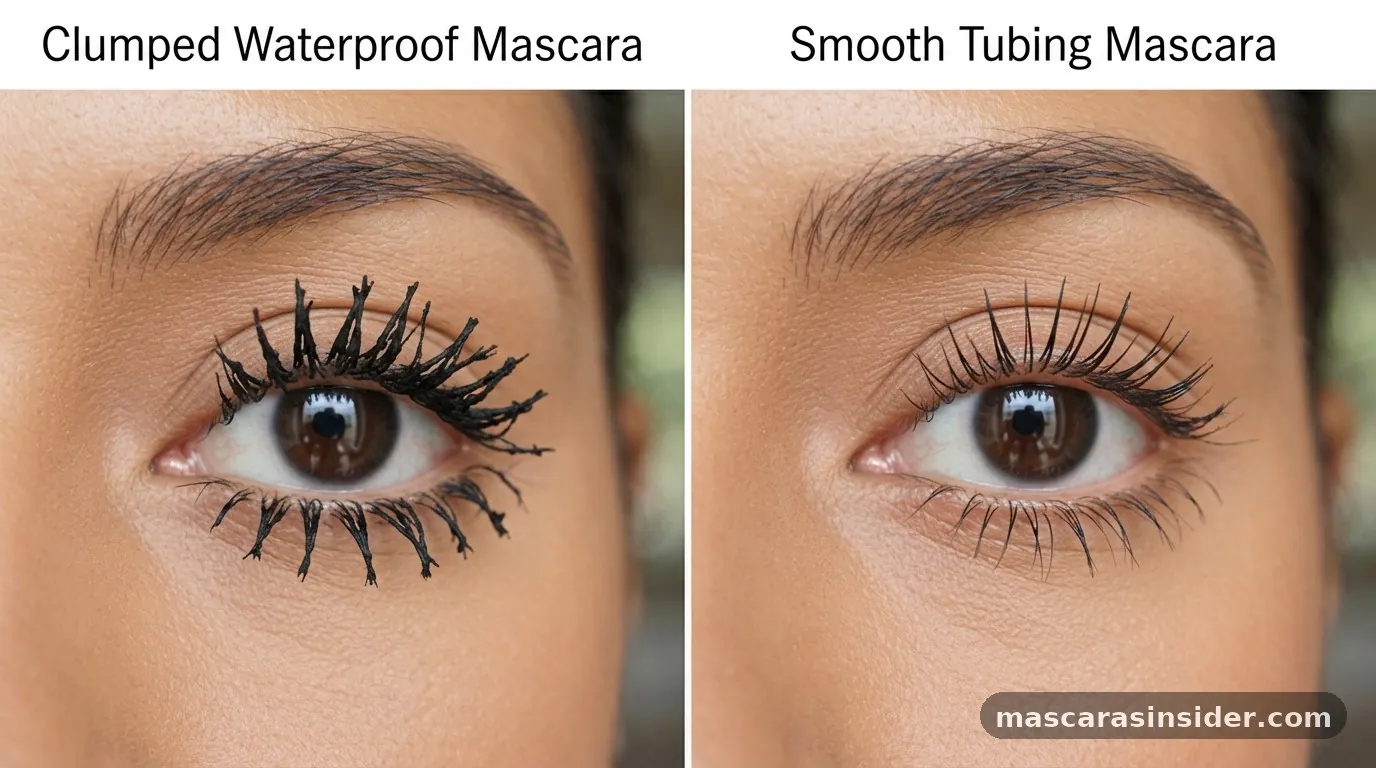
Not all mascaras are created equal. The type of product you choose can dictate how much stress is placed on your lashes throughout the day.
| Mascara Type | Pros | Cons |
|---|---|---|
| Waterproof | Lasts all day, smudge-proof | Hard to remove, can cause brittleness |
| Tubing | Easy removal with warm water | Can be stiff, less volume |
| Volumizing | Dramatic look | Heavy on the lashes |
| Natural/Organic | Gentle ingredients | Shorter shelf life, prone to smudging |
Tubing mascaras are a popular choice for those concerned about damage. Unlike traditional formulas that paint the lash, tubing mascaras form tiny, water-soluble “tubes” around each lash.
When you are ready to remove them, you simply use warm water and gentle pressure, and the tubes slide off without leaving a residue. This eliminates the need for harsh cleansers and reduces the physical stress on your lash follicles.
When to Take a Break
Even if you use the highest-quality products, your lashes may benefit from a periodic “detox” phase.
Just like your skin needs a break from heavy foundations, your lashes appreciate time without any product. If you notice your lashes appearing shorter or thinner than usual, it may be time to skip the mascara for a few days or even a full week. During this time, the hair follicles have a chance to recover from the weight and the nightly removal process.
Many people find that after a week of being “mascara-free,” their lashes feel more flexible and look healthier. This is a great time to focus on hydration.
You can apply a tiny amount of castor oil or a dedicated lash serum to the base of your lashes to promote strength and conditioning. Be sure to visit the American Academy of Ophthalmology to learn more about maintaining overall eye health and hygiene, which is intrinsically linked to the health of your eyelids and lashes.
Addressing Topical Gaps: Myths vs. Reality
There is a lot of misinformation regarding lash growth and makeup. Let’s clarify some of the most persistent myths surrounding the topic.
One common myth is that cutting your lashes will make them grow back thicker. This is scientifically incorrect. Eyelashes grow in cycles, and their thickness is determined by genetics and overall health, not by trimming the tips.
Another myth is that wearing mascara makes your lashes fall out faster. While it can cause breakage, it doesn’t necessarily stop the natural growth cycle unless you are causing damage to the hair follicle itself through extreme pulling.
Common Misconceptions
- Myth: Waterproof mascara is always better because it doesn’t smudge. Reality: It is often the most damaging due to the difficult removal process.
- Myth: All lash serums are safe for everyone. Reality: Some serums contain prostaglandin analogs that can cause skin discoloration or eye irritation.
- Myth: Eyelashes stop growing if you wear makeup. Reality: They continue to grow, but they may break off before they reach their full potential length.
It is also worth noting that the “look” of thick, long lashes is often a result of layering. If you use a lash primer, you are adding yet another layer of product. While primers can help protect the lash from the mascara itself, they also add weight.
If you notice your lashes drooping, it’s a sign that you are overloading them. Keep your routine simple and prioritize the health of the lash base over the volume of the tip.
FAQ: Common Concerns About Lash Health
Many people have specific questions about how their beauty habits affect their eyes. Here are the answers to the most common inquiries regarding lash health and makeup application.
Is it okay to wear mascara every single day?
Yes, it is generally safe to wear mascara daily, provided you are using a high-quality product and removing it thoroughly every night. If you notice your lashes becoming brittle or breaking, consider taking a few days off each week to allow them to recover and stay hydrated.
Will my eyelashes grow back if I stop wearing mascara?
If your lashes have been damaged by breakage, they will grow back to their natural length once the trauma is removed. Because eyelashes have a growth cycle of about three to four months, you should notice a significant improvement in the appearance and feel of your lashes within this timeframe.
What is the healthiest way to apply mascara?
Start at the base of your lashes and wiggle the wand slightly as you move toward the tips. This ensures the most pigment is at the base where the lash is strongest. Avoid pumping the wand in and out of the tube, as this introduces air and bacteria, which can cause the formula to dry out and become clumpy.
How do I know if my mascara has expired?
Most mascara formulas should be replaced every three months. If the product starts to smell unusual, becomes thick and clumpy, or causes any irritation to your eyes, it has likely expired or become contaminated with bacteria. Using old makeup is a primary cause of eye infections and lash health issues.