
Many beauty enthusiasts worry that their daily makeup routine is causing long-term damage, often wondering if the consistent application of mascara makes your eyelashes fall out. While it is natural to shed a few lashes daily, a sudden increase in lash loss can be alarming and frequently linked to how we handle our eye makeup.
Understanding the mechanics of lash health, product ingredients, and removal techniques is essential for maintaining a full, healthy fringe. By examining the relationship between daily cosmetic use and hair follicle health, you can distinguish between normal shedding and mechanical damage, ensuring your beauty habits support rather than hinder your natural look.
The Anatomy of Eyelash Shedding
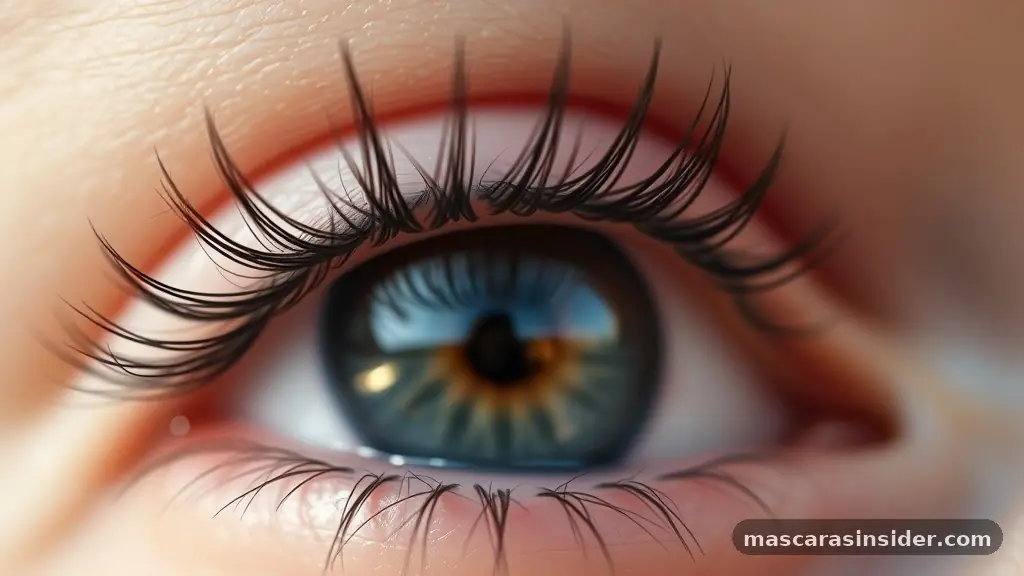
To address the question of whether mascara makes your eyelashes fall out, we must first recognize that lash loss is a natural physiological process. Each of your eyelashes goes through a distinct life cycle consisting of three phases: the anagen phase (growth), the catagen phase (transition), and the telogen phase (resting). At any given time, a small percentage of your lashes are naturally preparing to shed to make room for new growth.
When you notice a stray hair on your cheek, it is usually just a part of this biological rhythm. However, external factors like heavy makeup can accelerate this process if the products are not handled with care.
The weight of heavy formulas or the physical friction of application can stress the hair follicle. If you find an unusual number of lashes on your cotton pad, it is rarely the product itself, but rather the mechanical force used to remove it that creates the issue.
The Role of Mechanical Stress
The most significant risk factor for lash loss is not the formula inside the tube, but the physical act of removing it. Many users fall into the trap of aggressively scrubbing their eyes to get rid of stubborn, long-wearing formulas. This tugging action exerts extreme pressure on the delicate hair follicles, which can lead to premature fallout or even breakage at the base.
Think of your lashes like fine silk threads; they are fragile and sensitive to rough handling. When you rub your skin vigorously, you are essentially creating micro-trauma at the lid margin.
Over time, this chronic stress weakens the root, making it easier for the lash to detach before it has completed its natural growth cycle. Adopting a gentle, patient approach to makeup removal is the most effective way to prevent mechanical damage.
Waterproof Formulas and Their Impact
There is a common perception that waterproof mascara is inherently harmful, but the truth is more nuanced. While these formulas are designed to resist water, they are also much harder to dissolve.
Because they require oil-based cleansers or significant scrubbing to move, they increase the likelihood of friction-related loss. If you struggle with brittle or thinning hair, using a waterproof product every single day might be putting your lashes at a disadvantage.
If you choose to wear these formulas, you must invest in a high-quality, dedicated eye makeup remover. A bi-phase solution or a cleansing balm helps break down the wax and pigments without requiring you to pull at the delicate skin around your eyes. By prioritizing the health of your eyelash safety standards, you can enjoy long-lasting wear without compromising your natural lash volume.
Ingredients That Influence Lash Health
Not all mascaras are created equal when it comes to the health of your eyes. Some formulas contain drying agents like alcohol or heavy waxes that can make the lashes stiff and prone to snapping. When a lash becomes brittle, it doesn’t necessarily fall out from the root; instead, it breaks mid-shaft, which can make your overall fringe look thinner and less healthy.
Look for products that include nourishing additives such as panthenol, vitamin E, or various botanical oils. These ingredients help coat the hair and maintain flexibility, which is crucial for preventing breakage. Avoiding products with harsh preservatives or fragrances can also reduce the risk of inflammation, which is another silent contributor to poor lash health.
The Importance of Proper Removal Techniques
If you want to ensure your makeup routine is not the reason your lashes are thinning, you must master the art of the gentle removal. Never sleep in your makeup, as this causes the product to harden and makes the lashes rigid, increasing the risk of breakage when you toss and turn on your pillow. A hardened, mascara-coated lash is far more likely to snap than a clean, supple one.
Start by saturating a soft cotton pad or a reusable bamboo cloth with your chosen cleanser. Hold the saturated pad against your closed eyelid for at least thirty seconds. This allows the product to dissolve the mascara completely.
Once the pigment has loosened, gently swipe downward—never side to side—to lift the makeup away from the lashes. This simple adjustment in technique can drastically reduce the number of lashes you lose during your evening routine.
Distinguishing Between Irritation and Shedding
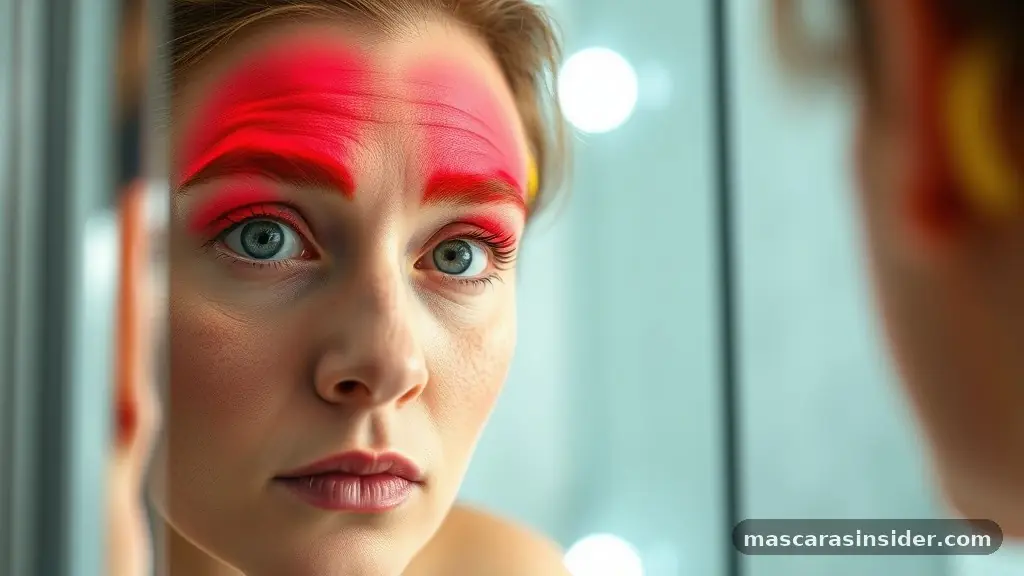
Sometimes, what people perceive as excessive lash loss is actually a form of contact dermatitis or allergic reaction to a new cosmetic. If you notice redness, swelling, or itching along the lash line, the issue might be an intolerance to a specific ingredient rather than the mascara itself. Inflamed skin around the hair follicles can interfere with healthy growth and cause the lashes to shed prematurely.
If you suspect an allergy, discontinue use of the product immediately and monitor your skin for changes. If the shedding stops once you switch to a hypoallergenic or sensitive-eyes formula, you have your answer. Always remember that the skin around the eyes is the thinnest on the body, making it exceptionally reactive to common chemical additives found in budget-friendly cosmetics.
The Impact of Lash Extensions and Curlers
While we often focus on mascara, other beauty tools play a role in the health of your lash line. Mechanical lash curlers are notorious for causing breakage if used incorrectly. If you clamp down on your lashes after applying mascara, you are essentially creating a stress point where the metal meets the hair, which can lead to the lashes being sliced or pulled out entirely.
Lash extensions, when applied poorly or left on too long, can also weigh down the natural lashes, leading to traction alopecia. This condition occurs when the weight of the extension pulls on the natural hair, causing it to fall out before it is ready. If you are experiencing thinning, consider taking a break from extensions or curlers to allow your natural lashes to recover their strength and density.
Nutritional Support for Lash Growth
External care is only half the battle; the foundation of healthy lashes is internal. If your body is lacking essential nutrients like biotin, iron, or protein, your hair growth, including that of your eyelashes, may slow down or become more brittle. A balanced diet supports the follicle’s ability to produce strong, resilient hairs that can withstand the rigors of daily makeup application.
You might also consider using a lash growth serum to support the anagen phase of your lashes. These products are designed to condition the hair and, in some cases, stimulate the follicle to produce thicker, longer lashes. When used consistently over several months, these serums can help offset any minor damage caused by daily mascara use.
Comparison of Lash Care Practices
The following table highlights the common habits that contribute to either healthy or damaged lashes. By identifying which column your routine falls into, you can make immediate changes to protect your lash health.
| Practice | Impact on Lash Health | Recommended Action |
|---|---|---|
| Sleeping in makeup | High risk of breakage | Always remove before bed |
| Vigorous rubbing | High risk of mechanical loss | Use a gentle downward swipe |
| Curling after mascara | High risk of snapping | Curl lashes while clean |
| Daily conditioning | Promotes flexibility | Apply serum or castor oil |
Common Myths vs. Reality
There are many misconceptions regarding eye makeup. For instance, many people believe that using mascara will make their lashes grow longer, but this is generally false.
Mascara is a cosmetic, not a growth treatment. While some formulas claim to contain growth-enhancing peptides, the contact time is often too short for any meaningful biological change to occur in the follicle.
Another myth is that all natural oils are good for your lashes. While coconut oil or castor oil can help condition the hair, applying them too heavily can clog the pores along your lash line, leading to styes or oil-related irritation. Everything should be used in moderation to ensure the skin remains healthy and the follicles stay clear of debris.
FAQ Section
Does mascara cause permanent eyelash loss?
No, mascara does not typically cause permanent loss. If you experience thinning, it is usually due to mechanical breakage or irritation. Once you stop the damaging behavior and allow the follicles to rest, your eyelashes will generally grow back during their natural cycle within a few months.
Are eyelashes healthier without mascara?
Lashes are technically at their best when they are clean and free of heavy coatings. Giving your eyes a few “makeup-free” days each week allows the follicles to breathe and prevents the buildup of residue, which can help maintain the natural flexibility and strength of your lash hairs.
How do I stop my lashes from falling out after using mascara?
The best way to stop the loss is to improve your removal technique. Use an oil-based cleanser to dissolve the product instead of scrubbing. Additionally, avoid waterproof formulas for daily wear, as they are harder to remove and require more physical force, which stresses the delicate hair follicles.
Does using a lash serum help?
Yes, a high-quality lash serum can help. These products often contain peptides and vitamins that nourish the lash from the base, promoting a stronger growth cycle. When used consistently over several months, they can help counteract the dryness or brittleness that can sometimes occur from daily mascara application.
Final Thoughts
Maintaining long, healthy lashes while enjoying the aesthetic benefits of mascara is entirely possible with the right approach. By shifting your focus from the product itself to the way you apply and remove it, you can eliminate the primary causes of lash loss. Prioritize gentle removal, keep your tools clean, and give your eyes regular breaks from heavy makeup to ensure your natural fringe stays vibrant.
If you notice persistent thinning, consider a short break from all eye products to allow your lashes to reset. With a bit of patience and mindful care, you can keep your eyes looking beautiful without sacrificing the health of your natural lashes. Embrace a routine that treats your lashes with the same care as the rest of your skin, and you will see the difference in your results.