
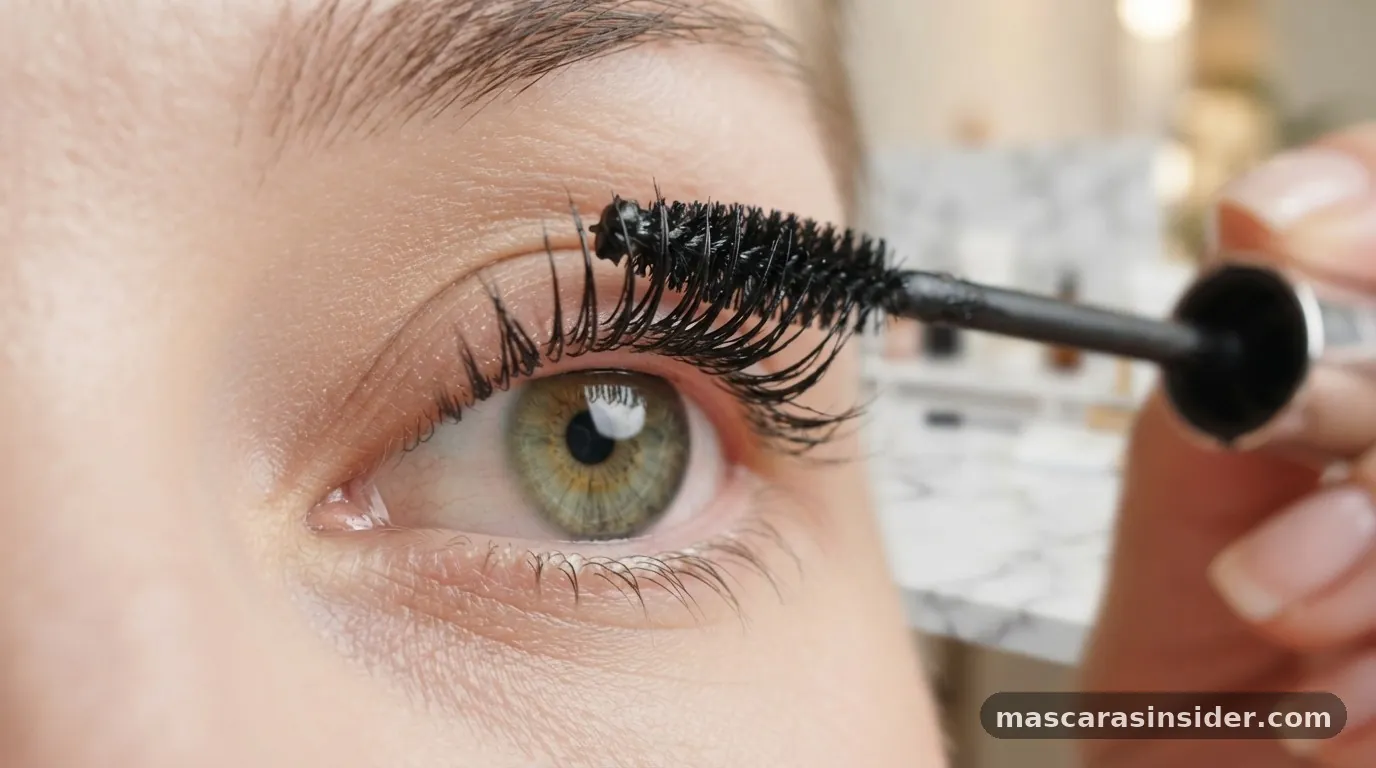
Many beauty enthusiasts wonder, “does mascara ruin your lashes?” The short answer is that mascara itself is rarely the sole culprit, but the way it is applied, worn, and removed can significantly impact the structural integrity of your hair follicles.
While mascara is a staple in most makeup routines, it introduces a physical load and chemical environment to the delicate eye area. Understanding how these products interact with your natural lashes is key to maintaining long-term health and growth.
The Anatomy of Lash Health and Mascara Interaction
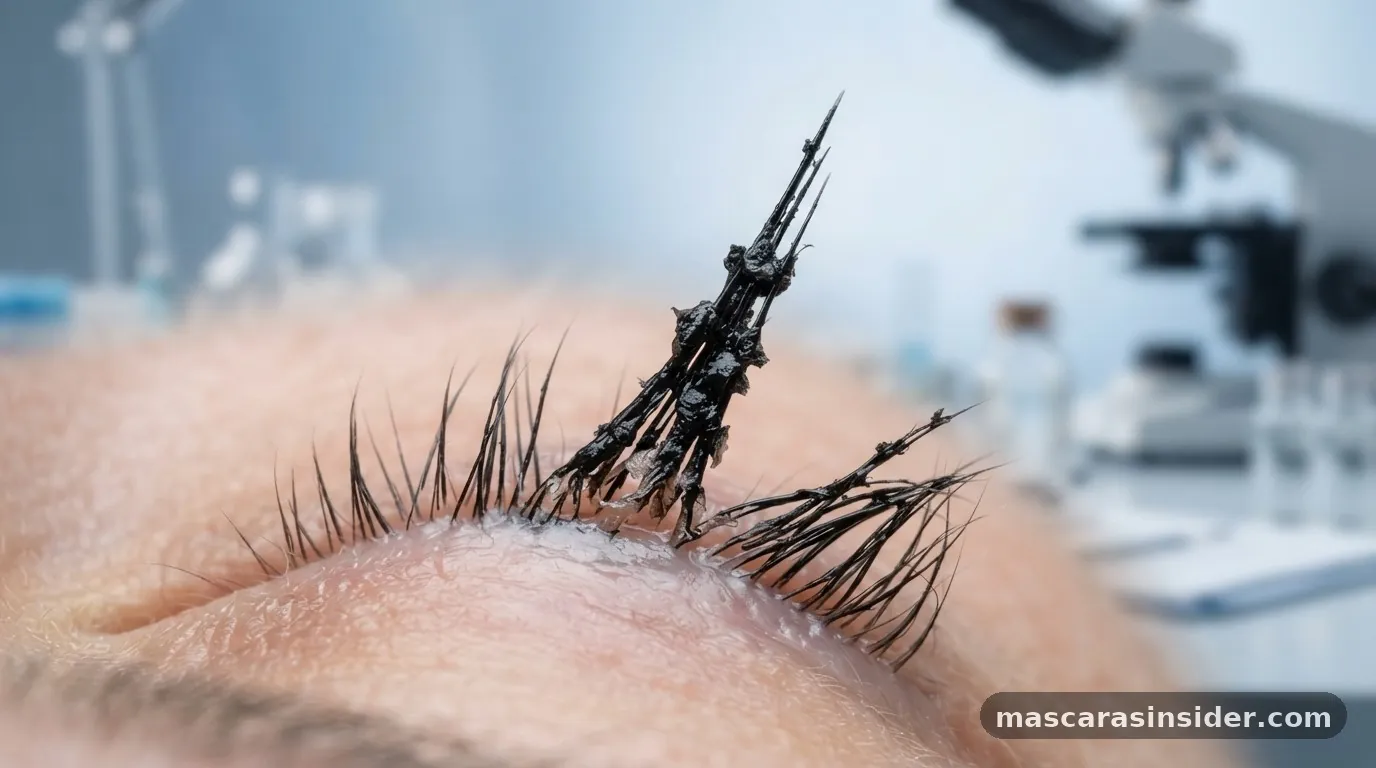
Mascara does not inherently destroy eyelashes, but improper usage habits often lead to weakened follicles and premature shedding. Eyelashes are essentially hair strands that follow a growth cycle consisting of the anagen (growth), catagen (transition), and telogen (resting) phases.
When you coat these hairs in heavy pigments, waxes, and polymers, you create a stiff structure. If that structure is subjected to mechanical stress—like pulling, tugging, or bending—the hair shaft can snap.
The primary concern is not the pigment itself but the formula’s adherence. When mascara dries, it hardens. If you sleep in your makeup, you are essentially pinning your lashes against your pillowcase for eight hours.
This creates friction, which can cause the lashes to break or fall out before they have finished their natural life cycle. Healthy eyelashes are flexible, but when they are coated in layers of product, they lose that flexibility, making them prone to breakage.
Why Formula Matters
Not all mascaras are created equal. Some formulas prioritize volume, which often requires heavy waxes and thick pigments. Others focus on length, utilizing synthetic fibers. While these fibers can look stunning, they can also be abrasive if they flake off into the eye. Choosing products that contain conditioning agents like panthenol or vitamin E can help mitigate some of the drying effects of standard makeup.
The Risks Associated with Waterproof Formulas
Waterproof mascara is a major factor in lash health concerns because of its high resistance to moisture. While it is excellent for longevity and preventing smudging, the removal process is where the real damage occurs.
Because these formulas are designed to withstand water, they require oil-based cleansers or significant friction to dissolve. If you are scrubbing your eyes to remove the product, you are likely pulling out healthy lashes in the process.
This mechanical rubbing is perhaps the most common way people accidentally harm their lash line. When you rub, you put tension on the follicle. Repeated trauma to the follicle can eventually lead to a condition sometimes referred to as traction alopecia in the eyelashes.
Over time, this constant tugging can weaken the hair root, leading to thinner, sparser growth. To protect your lashes, you should always use a gentle, dual-phase makeup remover that breaks down the waterproof polymers without requiring intense force.
Best Practices for Gentle Removal
To keep your lashes safe, follow these steps: 1. Saturate a cotton pad or a soft microfiber cloth with a dedicated eye makeup remover. 2. Press the pad gently against your closed eyelid for thirty seconds. This allows the solvent to break down the mascara. 3. Swipe downward in one fluid motion. Never scrub side-to-side. 4. If residue remains, use a clean cotton swab dipped in micellar water to clean the lash line carefully.
Common Ingredients That Can Affect Your Lashes
The chemical composition of your makeup plays a significant role in how your lashes behave over time. Many traditional formulas contain ingredients meant to keep the product on for extended periods, but these can leave the hair feeling brittle. Ingredients like denatured alcohol, which is sometimes used to speed up drying time, can strip the natural moisture from the lash shaft.
When the lashes become dehydrated, they become brittle. Dry hair breaks much more easily than hydrated hair.
If you are concerned about damage, look for labels that explicitly state they are ophthalmologist-tested and free from harsh parabens or heavy fragrances. While these ingredients aren’t necessarily “toxic,” they can cause irritation, and if your eyes become irritated, you are more likely to touch or rub them, which leads to the mechanical damage mentioned earlier.
Comparing Mascara Types
| Mascara Type | Impact on Lash Flexibility | Removal Difficulty | Risk of Breakage |
|---|---|---|---|
| Water-Soluble | Minimal | Easy | Low |
| Waterproof | High (stiffens lashes) | High | High |
| Tubing | Moderate | Medium | Low |
| Volumizing | High | Moderate | Moderate |
Does Stopping Mascara Use Promote Growth?
Many people ask, “will my lashes grow if I stop using mascara?” The reality is that mascara does not stop the growth cycle of your lashes, but stopping its use can certainly prevent the breakage that makes your lashes appear shorter or thinner. If you have been over-processing your lashes with waterproof formulas and aggressive removal techniques, a “makeup holiday” can allow them to recover their natural strength and elasticity.
During a break, you might notice your lashes seem healthier. This is usually because they are no longer being subjected to the daily mechanical stress of curlers and makeup removal.
However, it is important to note that your lashes will not grow longer than their genetically predetermined length simply because you stopped wearing makeup. If you want to promote actual growth, you might look into scientifically backed lash serums, but you should always consult with a professional, such as those recommended by the American Academy of Ophthalmology, before applying new treatments to your eye area.
The Role of Lash Curlers
Lash curlers are often used in conjunction with mascara, and they are frequently the true culprit behind lash loss. Using a curler on lashes that are already coated with dried mascara is a recipe for disaster. The mascara acts as a glue, sticking the hair to the metal curler, which then snaps the lash at the base when you pull the tool away. If you must use a curler, do so only on clean, bare lashes.
Recognizing Signs of Lash Damage
It is vital to recognize when your beauty routine is becoming harmful. Symptoms of lash damage aren’t always immediate; they often build up over weeks or months. If you notice your lashes are becoming thin, sparse, or seem to be breaking in the middle, it is time to reassess your use of certain products.
Look for these signs:
* A visible gap in your lash line where hair has stopped growing.
* Lashes that look “stubby” because the ends have broken off.
* Increased irritation or redness along the lash line, suggesting the follicles are inflamed.
* Clumps of lashes coming out during the cleansing process.
If you experience these issues, stop using all eye makeup for at least two weeks. This period allows the follicles to calm down. During this time, focus on care by using a gentle lash conditioner or a tiny amount of natural, food-grade oil like jojoba or almond oil to keep the existing lashes supple.
Developing a Healthy Eye Routine
You don’t have to give up makeup entirely to maintain lash health. The key is to shift your focus toward protection and gentle maintenance. By changing the way you interact with your eyes, you can significantly reduce the risk of eyelash loss.
First, replace your mascara every three months. Mascara is a breeding ground for bacteria, and old, clumpy product is harder to remove and more likely to cause irritation. Second, be mindful of how you apply your makeup.
Do not pump the wand into the tube, as this pushes air inside, which dries out the formula and encourages bacterial growth. Instead, swirl the wand gently.
Finally, consider the “tubing” mascara alternative. These formulas form tiny water-resistant tubes around each lash.
They don’t smudge or flake like traditional mascara, and they are removed easily with warm water and gentle pressure, eliminating the need for harsh cleansers or excessive rubbing. By making these small adjustments, you keep your eyes looking great without sacrificing the health of your natural lashes.
Frequently Asked Questions
Is it bad to have mascara on for 2 days?
Yes, it is generally advised against. Leaving mascara on for multiple days increases the risk of eye infections, causes the lashes to become brittle due to the hardened product, and leads to mechanical breakage when you eventually try to remove the dried, caked-on layers.
Are eyelashes healthier without mascara?
In a purely mechanical sense, yes. Without the weight, chemicals, and the need for daily removal, lashes are less likely to experience breakage or thinning. However, using high-quality, conditioning mascaras and proper removal techniques can minimize these risks to a negligible level for most people.
Will my lashes grow back if they fall out from mascara?
Yes, lashes generally grow back as part of their natural cycle. If the follicle itself has not been permanently damaged by chronic, severe trauma, the hair will eventually re-enter the growth phase. Maintaining a gentle routine is the best way to ensure they grow back strong and healthy.
What is the healthiest way to remove eye makeup?
The healthiest method is to use a gentle, oil-based cleanser or micellar water. Soak a pad, hold it against the eye to dissolve the product, and wipe away gently in one direction. Avoid any side-to-side scrubbing, as this is the most common cause of lash shedding and breakage.