
Figuring out whether your nightly routine holds up when you switch to heavy-duty cosmetics is a common challenge for beauty enthusiasts. If you have ever wondered if micellar water removes waterproof mascara, you are certainly not alone in your search for a simpler, more effective cleansing ritual.
The short answer is that it depends heavily on the specific formula you choose, as not all cleansing waters are created equal when faced with resilient, oil-repellent polymers. Understanding the chemistry behind these products will save your delicate lashes from unnecessary stress and ensure your skin remains clear and healthy every single night.
Understanding the Chemistry of Micellar Cleansing
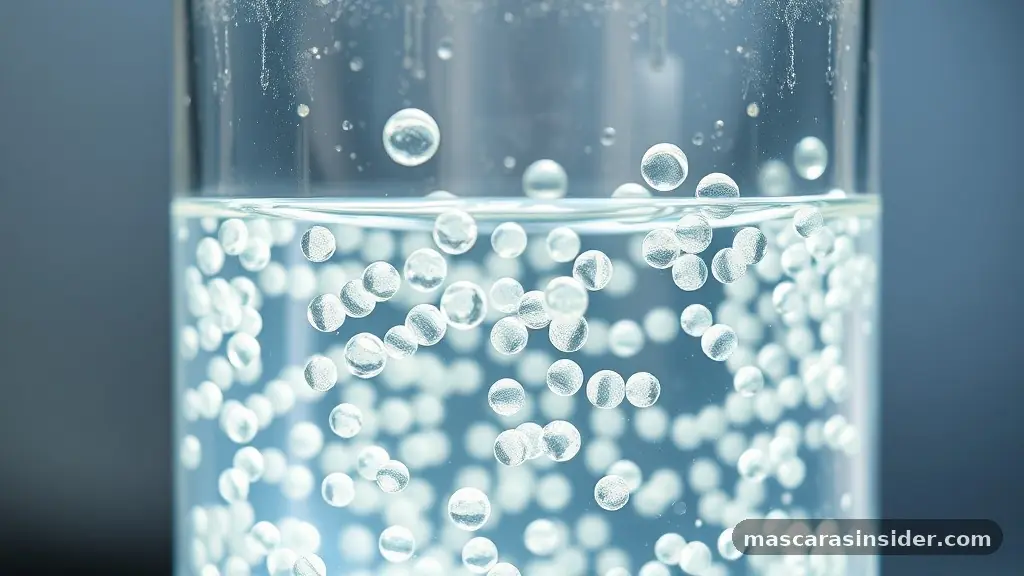
Micellar water operates on a unique principle of surface chemistry that distinguishes it from traditional soap-based cleansers. At the heart of this product are micelles, which are tiny, spherical aggregates of surfactants suspended in soft water.
Each micelle has a hydrophilic or water-loving head and a lipophilic or oil-loving tail. When you apply the solution to a cotton pad, the oil-loving tails reach out to trap impurities, sebum, and pigments, while the water-loving heads allow the mixture to be wiped away easily without leaving a greasy residue.
This mechanism is incredibly effective for everyday grime and light makeup, but it faces a hurdle with long-wear cosmetics. Waterproof formulations are specifically engineered to resist water-based breakdown, which is exactly the environment in which standard micelles operate.
Because these products often contain waxes and volatile silicones that do not dissolve in water alone, a standard micellar solution might struggle to lift the pigment without significant effort. This is why you often see specialized dual-phase versions of these products designed specifically for the task.
The Role of Dual-Phase Cleansing Solutions
If you are strictly using a standard, water-based micellar solution, you might find yourself scrubbing your lids to get the last traces of product off. This is where dual-phase formulas become essential.
These products essentially combine the gentle nature of micellar water with an added layer of oil-based solvent. When you shake the bottle, the two phases mix momentarily, creating a potent emulsion that can dissolve stubborn waxes and polymers found in your favorite lash products.
When you use a dual-phase version, the oil component acts as a solvent for the waterproof ingredients, while the micelles continue to lift away the dissolved pigment and dirt. This combination allows you to remove stubborn makeup without the need for harsh rubbing, which is vital for the health of your eyelashes and the thin skin around your eyes. If you find that your current product isn’t quite doing the job, looking for a label that specifically mentions an “all-in-one waterproof” capability is usually the best way to ensure success.
Why Harsh Rubbing Damages Your Eyelashes
One of the most significant reasons to choose an effective cleanser is to avoid the physical trauma associated with scrubbing. The skin around your eyes is the thinnest on your body, and your lashes are surprisingly fragile.
When you attempt to remove stubborn mascara by rubbing back and forth with a dry cotton pad, you are putting mechanical stress on the hair follicles and the delicate dermal layers surrounding them. This often leads to premature lash fallout and can even cause fine lines to develop over time.
Instead of fighting the product, your goal should be to let the chemistry do the heavy lifting. By pressing a saturated pad against your closed eyelid and holding it there for a few seconds, you allow the surfactants and oils to soften the mascara.
This simple pause ensures that when you do make a gentle downward swipe, the majority of the pigment comes away with the pad rather than staying stuck to your lashes. Protecting your natural lashes is just as important as the removal process itself.
Comparing Standard and Waterproof-Specific Cleansers
Not every product on the shelf is formulated to tackle the same challenges. Manufacturers often create different versions of their cleansing waters to suit various skin types and makeup habits.
When you compare a standard formula to one designed for heavy-duty makeup, you will notice differences in both texture and ingredient lists. Understanding these differences helps you decide which bottle deserves a spot on your vanity.
| Feature | Standard Micellar Water | Dual-Phase Cleansing Water |
|---|---|---|
| Primary Action | Lifts dust, oil, and light makeup | Dissolves stubborn waterproof polymers |
| Texture | Light, watery, non-greasy | Slightly oily residue until wiped |
| Best For | Daily refresh and light makeup | Long-wear and waterproof cosmetics |
| Application | Single-step wipe | Shake, press, and wipe |
This comparison highlights that if you regularly wear heavy eye makeup, a dual-phase option is almost always the superior choice. While it might feel slightly thicker on the skin initially, the ability to remove your eye makeup without irritation far outweighs the minor difference in sensation. Always check the label for “oil-infused” or “waterproof” markers to ensure you have the right tool for your specific routine.
The Importance of Proper Cotton Pad Technique
The way you use your cotton pads is just as important as the product you choose. Many people make the mistake of dragging the pad across their eyes as if they are scrubbing a surface, but this is the least effective way to remove mascara.
To properly use micellar water, you should soak the pad thoroughly. It should be damp to the point of saturation, not just slightly moist.
Place the saturated pad over your closed eye and hold it there for at least 15 to 20 seconds. This duration allows the product to penetrate the layers of mascara, effectively breaking down the bonds that keep it attached to your lashes. Once you have held the pad in place, gently swipe downward toward your cheek.
You will likely see the majority of the product transfer onto the pad immediately. If you have extra-long or thick lashes, you might need to repeat this process once more, but you should never feel like you need to scrub.
Ingredients That Help Break Down Polymers
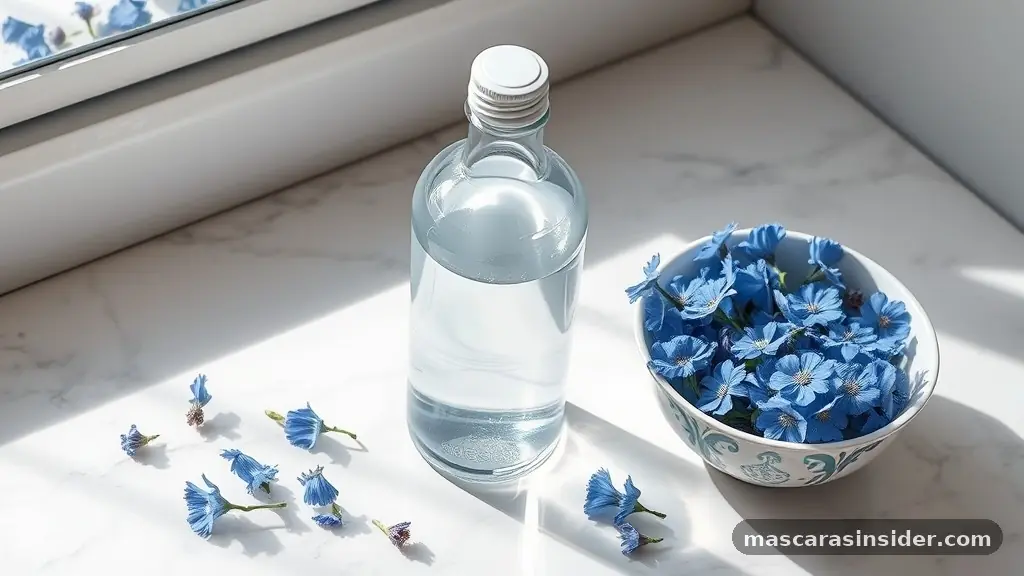
Beyond the basic micelles, many modern cleansers incorporate soothing or conditioning ingredients that make the removal process easier and more pleasant. For instance, you might find products containing cornflower water or glycerin, which help to soothe the skin while the cleansing agents do their work. These ingredients are especially helpful for those with sensitive eyes who find that standard cleansers often leave them feeling tight or irritated.
When you look for a product, consider the overall formulation. Some options are enriched with vitamins or plant extracts designed to nourish the delicate lash line while you clean. It’s also worth checking if the product is ophthalmologist-tested, as this provides an extra layer of assurance that the ingredients are safe for use on the eyes.
A good cleanser should leave your skin feeling clean and soft, not stripped or dry. This is a clear indicator that the balance between the surfactants and the conditioning agents is correct.
Managing Sensitive Skin During Makeup Removal
If you have particularly sensitive skin, the act of removing makeup can sometimes be more irritating than wearing the makeup itself. Finding a product that works without causing redness or stinging is the holy grail for many. Micellar water is generally praised for being a gentle alternative to traditional makeup remover wipes, which often contain fragrances or alcohol that can disrupt the skin barrier.
To maintain your skin’s health, look for fragrance-free, hypoallergenic options. When you are removing waterproof mascara, ensure that the product you use does not contain harsh chemicals that could cause a reaction. If you notice any burning or itching, you should immediately rinse with cool water and consider switching to a gentler formula.
Being mindful of your skin’s reaction is part of a healthy beauty routine. You can find more detailed information on skin health through the American Academy of Dermatology to help you make informed choices about your cleansing products.
Common Mistakes to Avoid
Even with the best products, it is easy to fall into habits that prevent a thorough clean. One of the most common mistakes is not using enough of the product. If your cotton pad is too dry, you end up applying more friction to your eyes, which, as we established, is counterproductive.
Another common error is failing to remove the makeup completely before going to bed. Leaving mascara residue behind can lead to irritation or clogged pores around the lash line.
Another mistake is using the same side of the cotton pad for your entire face. Once you have wiped your eyes, that side of the pad is covered in pigment and oils.
If you continue to wipe your face with that same side, you are essentially spreading the mascara residue across your cheeks. Instead, use a fresh pad or a clean side for every stage of your cleansing routine to ensure you are actually removing the dirt rather than just moving it around.
The Role of Double Cleansing
If you wear a full face of heavy, long-wear makeup, relying solely on a single product might not be enough to get your skin truly clean. This is where the concept of double cleansing comes into play. You might start with your micellar water to break down the surface layers and specifically target your eye makeup, and then follow up with a gentle, water-based cleanser to wash away any remaining residue.
This approach ensures that your pores are free from both the makeup itself and any trace of the cleanser you used to remove it. Many people find that this two-step process is the secret to clear, glowing skin.
By using the micellar water as a pre-cleanser, you take the heavy lifting off your main cleanser, allowing it to focus on cleaning your skin rather than fighting against layers of waterproof mascara and foundation. It is an efficient way to ensure you never miss a spot.
Topical Gaps and Clarifications
A common question that often goes unaddressed is whether or not you need to rinse your face after using micellar water. While many marketing campaigns suggest that it is a “no-rinse” formula, many dermatologists recommend a quick rinse with water to remove any lingering surfactant residue. This is particularly important for those with acne-prone or sensitive skin, as leaving surfactants on the face for hours can potentially lead to irritation or dryness.
Another point that often gets missed is the expiration of these products. Because micellar water is a water-based solution, it is susceptible to bacterial growth once opened. You should generally aim to finish a bottle within six months of opening and keep the cap tightly closed when not in use.
Ensuring your products are fresh is a simple but overlooked part of maintaining a healthy skincare routine. By paying attention to these small details, you ensure that your cleansing process remains effective and safe.
Frequently Asked Questions
Does micellar water remove waterproof mascara if it is not a dual-phase formula?
Most standard, water-based micellar waters will struggle to remove stubborn waterproof mascara. You will likely find yourself pulling at your lashes to get the pigment off. If you wear waterproof products regularly, it is highly recommended to choose a dual-phase or oil-infused formula designed for the task.
Is it safe to use micellar water on my eyes every single day?
Yes, it is generally safe to use micellar water on your eyes daily, provided the product is labeled as ophthalmologist-tested and you are not experiencing any irritation. The key is to be gentle and avoid harsh rubbing, which is the primary cause of damage to the eye area.
Should I rinse my face after using micellar water?
While it is marketed as a no-rinse cleanser, many experts suggest a quick splash of water afterward. Rinsing helps remove any residual surfactants from your skin, which can be beneficial if you have sensitive skin or are prone to breakouts after using certain skincare products.
Can I use micellar water to remove eyelash extensions?
You should be very careful using micellar water if you have eyelash extensions. Many micellar waters contain oils or other ingredients that can break down the adhesive used for extensions. Always check with your lash technician to see which cleansers are safe to use with your specific set of extensions.
Conclusion
Determining if micellar water removes waterproof mascara ultimately comes down to selecting the right formula for your specific beauty needs. While standard cleansing waters are perfect for a quick, daily refresh, they often lack the solvent strength required to dissolve the robust polymers found in high-performance waterproof eye makeup. By opting for a dual-phase, oil-infused version and employing a patient, gentle technique, you can effectively cleanse your lashes without the risk of unnecessary mechanical damage.
Incorporating these small adjustments into your nightly routine ensures that your skin remains clean, healthy, and perfectly prepped for your next application. Take the time to choose the right product, be gentle with your delicate eye area, and enjoy the ease that a high-quality cleanser brings to your daily life.
Meta Description: Does micellar water remove waterproof mascara? Discover why choosing the right dual-phase formula and using the correct technique is key to effective cleaning.