

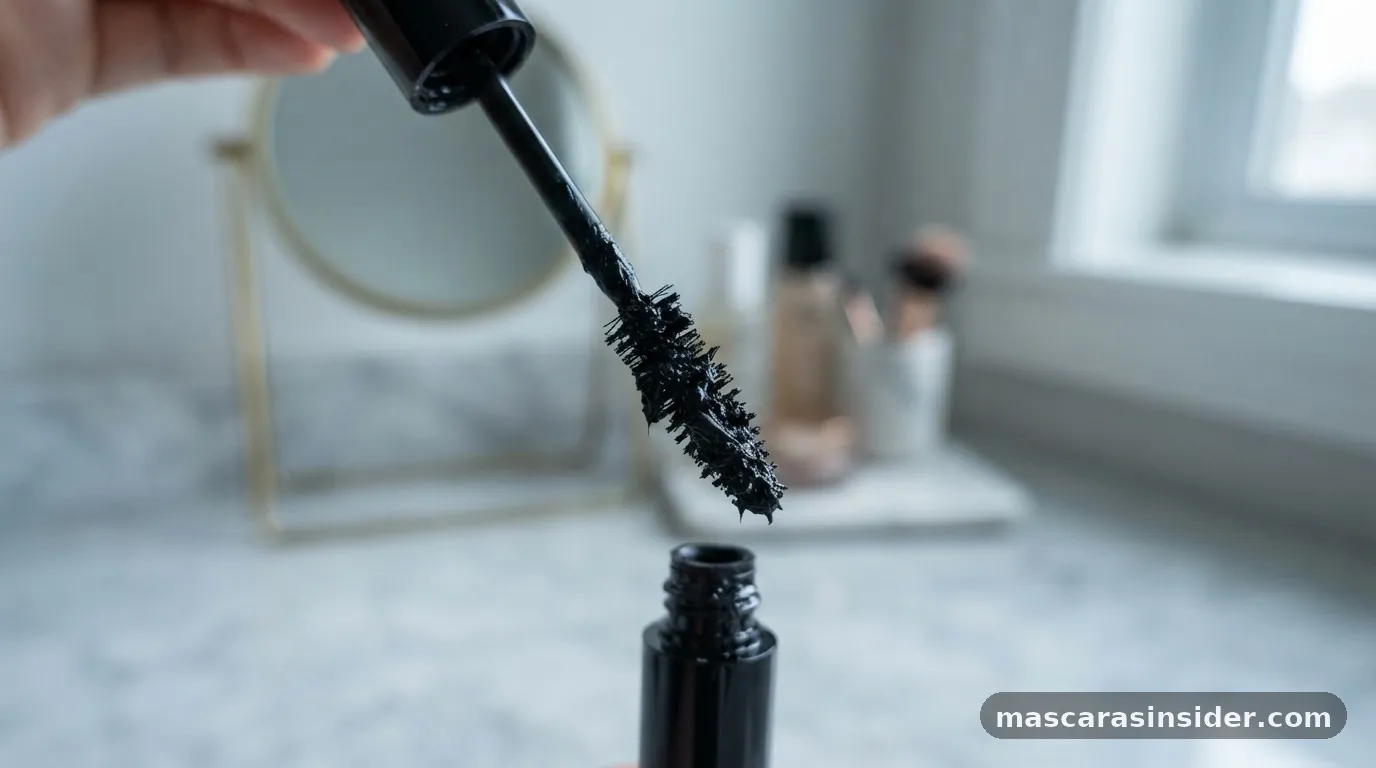
Finding yourself staring at a tube of clumpy mascara right before a big event is a universal beauty frustration. You want that wide-eyed, fanned-out look, but instead, you are dealing with heavy, spider-leg lashes that just won’t cooperate.
Understanding why this happens and how to reverse the damage is essential for anyone who values a clean, professional makeup application. Whether your product is brand new or nearing the end of its lifespan, there are reliable techniques to restore its consistency and save your morning routine.
Why Your Mascara Becomes Clumpy
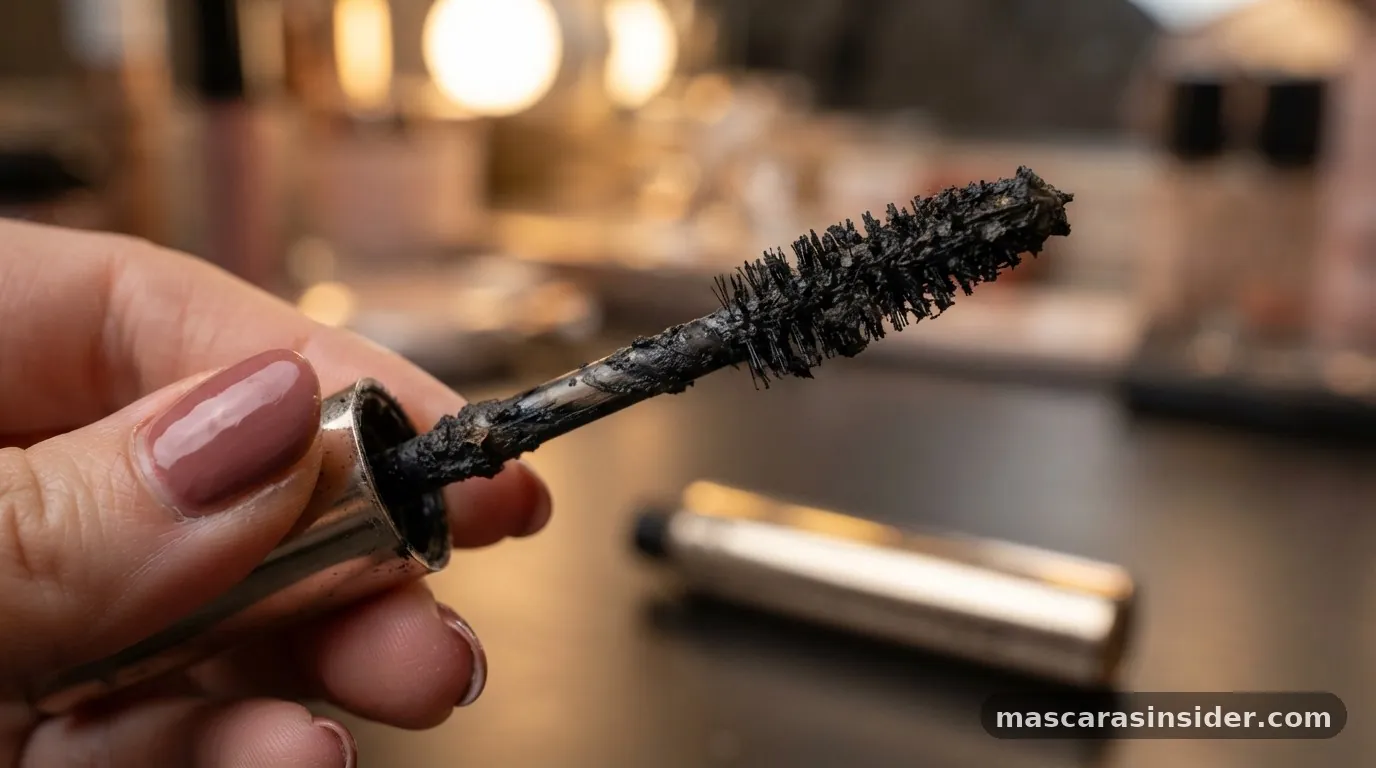
Mascara becomes clumpy primarily because of air exposure, ingredient evaporation, and the natural buildup of old product on the mascara wand. Every time you pull the brush out of the tube, you introduce oxygen. Over time, this oxygen causes the formula to thicken, leading to that dreaded sticky texture that clings to your lash hairs unevenly.
Many people accidentally contribute to this problem by “pumping” the wand in and out of the container. This motion forces air into the vessel, accelerating the drying process significantly. Furthermore, if you are applying layer upon layer without waiting for the previous coat to dry, the product will inevitably clump.
The moisture from the fresh layer softens the partially dried layer, creating a gummy mess rather than a smooth finish. Identifying these habits is the first step toward preventing the issue before it starts. By keeping the container sealed tightly when not in use and avoiding aggressive pumping, you can extend the life of your favorite products significantly.
Immediate Fixes for a Dry Formula
If your product has already started to thicken, you can often revive it by adding a few drops of a thinning agent. The most effective method involves using a high-quality contact lens solution or a specialized lash primer.
Simply add two to three drops of the saline solution into the tube, replace the cap, and roll the container between your palms for about thirty seconds. This friction warms the mixture and helps the liquid integrate with the thickened wax.
1. Start by adding only two drops of saline solution to avoid making the mixture too watery.
2. Ensure the cap is screwed on tightly to prevent leaking during the mixing process.
3.
Gently roll the tube between your palms to distribute the solution without creating air bubbles.
4. Test the consistency on the back of your hand before bringing it near your eyes.
Be cautious with household oils like baby oil or olive oil. While they might thin the product, they can also break down the waterproof components of your makeup, leading to smudging or eye irritation.
Stick to ophthalmologist-tested solutions to ensure your eye health remains a priority. According to guidance from the American Academy of Ophthalmology, maintaining hygiene is crucial when handling eye products to prevent infections.
Mastering the Wand and Brush Technique
The brush itself often holds the secret to smooth application. If you notice clumps forming, the bristles might be caked with dried-up debris from weeks of use. A clean spoolie is your best friend in this scenario.
You can purchase these in bulk or repurpose an old, thoroughly washed mascara wand. By running a clean tool through your lashes after the initial application, you can effectively comb through the excess product and separate the hairs.
When you pull the wand out, wipe the excess off on the rim of the tube or a tissue. Most tubes contain much product on the bristles, which is far more than you need for a single eye. Removing the excess prevents the “glopping” effect that ruins a natural appearance.
If you find the bristles are still holding too much, use a paper towel to gently remove the outer layer of the mascara. This simple adjustment ensures that you are only applying a thin, even layer at a time, which is the key to preventing heavy buildup.
The Root-to-Tip Application Method
A common mistake is applying the product only to the ends of the lashes. To achieve a professional result, you must start at the root and wiggle the wand as you move toward the tip. This technique allows the base of the lash to receive the most product, which provides structure and curl, while the tips remain light and fanned out.
When you focus the volume at the root, you create a stronger foundation. If you drag the brush straight through without the wiggling motion, you are essentially painting a thick layer of wax that will eventually sag. By wiggling, you ensure that every individual hair is coated from all sides.
If you still see minor clumps, use the tip of the wand to target those specific areas. Work quickly while the product is still wet, as once it begins to set, manipulating the shape becomes much more difficult. If you wait too long, you might end up pulling out lashes or causing the product to flake off onto your under-eye area.
Identifying Topical Gaps in Mascara Maintenance
One area often overlooked in beauty discussions is the difference between fiber-based formulas and standard wax-based ones. Many people struggle with clumpy lashes because they are using a fiber-based mascara that is designed to build volume but is inherently more prone to clumping. These formulas contain tiny synthetic fibers that adhere to the lashes to create length; if the brush is not perfectly clean, these fibers will tangle and form knots.
Another gap involves the storage environment. Many users keep their makeup in the bathroom, where humidity from the shower constantly fluctuates.
This moisture can infiltrate the tube, altering the chemical stability of the mascara and encouraging bacterial growth. Storing your makeup in a cool, dry place like a vanity drawer can significantly impact how long the formula stays smooth.
| Factor | Impact on Consistency | Recommended Action |
|---|---|---|
| Air Exposure | High (Causes drying) | Keep closed when not in use |
| Humidity | Medium (Changes texture) | Store in a cool, dry area |
| Brush Buildup | High (Creates clumps) | Clean weekly with soap/water |
| Pumping Wand | Very High (Forces air in) | Use a swirling motion instead |
By addressing these environmental factors, you can stop the degradation process before it requires a “fix.” Consistency in how you store and handle your tools is just as important as the technique you use during application.
When to Replace Your Mascara
Even with the best maintenance, all products have an expiration date. Mascara is the most perishable item in your makeup bag.
Because it is used in a warm, moist environment near the eyes, it is a breeding ground for bacteria. If your product is over three months old, it is time to remove it from your routine, regardless of whether it still looks okay.
Using expired product is a major risk factor for conjunctivitis and other eye infections. If you notice a change in smell, a significant shift in color, or if the product is causing irritation, stop using it immediately. No amount of thinning or brush-cleaning can fix a formula that has reached the end of its chemical shelf life.
When you purchase a new tube, mark the date on the bottom with a permanent marker. This small habit ensures you aren’t guessing whether that tube is still safe to use. Prioritizing eye health over saving a few dollars is a non-negotiable rule of safe beauty practices.
Frequently Asked Questions
Can I use hot water to fix clumpy mascara?
Yes, placing the closed tube in a cup of hot (not boiling) water for a few minutes can help melt the dried waxes inside. This is a temporary fix to make the product more pliable before you apply it to your lashes.
How do I stop my mascara from clumping in the tube?
Avoid pumping the wand, as this forces air into the tube and dries out the formula. Instead, gently swirl the wand inside to pick up product. Also, always ensure the cap is tightly sealed immediately after you finish your application.
Is it safe to add eye drops to my mascara?
Using sterile, preservative-free contact lens solution or lubricating eye drops is generally considered safe. However, avoid adding water or other liquids, as these can introduce bacteria and ruin the preservation system of the product, leading to potential eye infections.
How often should I clean my mascara wand?
You should aim to clean your wand once a week. Using a gentle soap or a dedicated makeup brush cleanser, wash the bristles thoroughly and let them dry completely before placing them back into the tube. This prevents the buildup of old, dry layers.