
Falling into bed after a long day often makes the idea of a thorough nighttime skincare routine feel like a monumental task. You might find yourself wondering exactly what happens if i sleep with mascara on and whether skipping that single step really matters in the grand scheme of your health.
While one night of sleeping makeup might seem harmless, the reality is that your eyelashes and the delicate skin surrounding your eyes pay a steep price for your fatigue. When you leave eye makeup on while you sleep, you are essentially trapping debris, bacteria, and environmental pollutants against your skin for hours, which can lead to significant dermatological and ocular issues.
The Immediate Impact on Eyelash Health
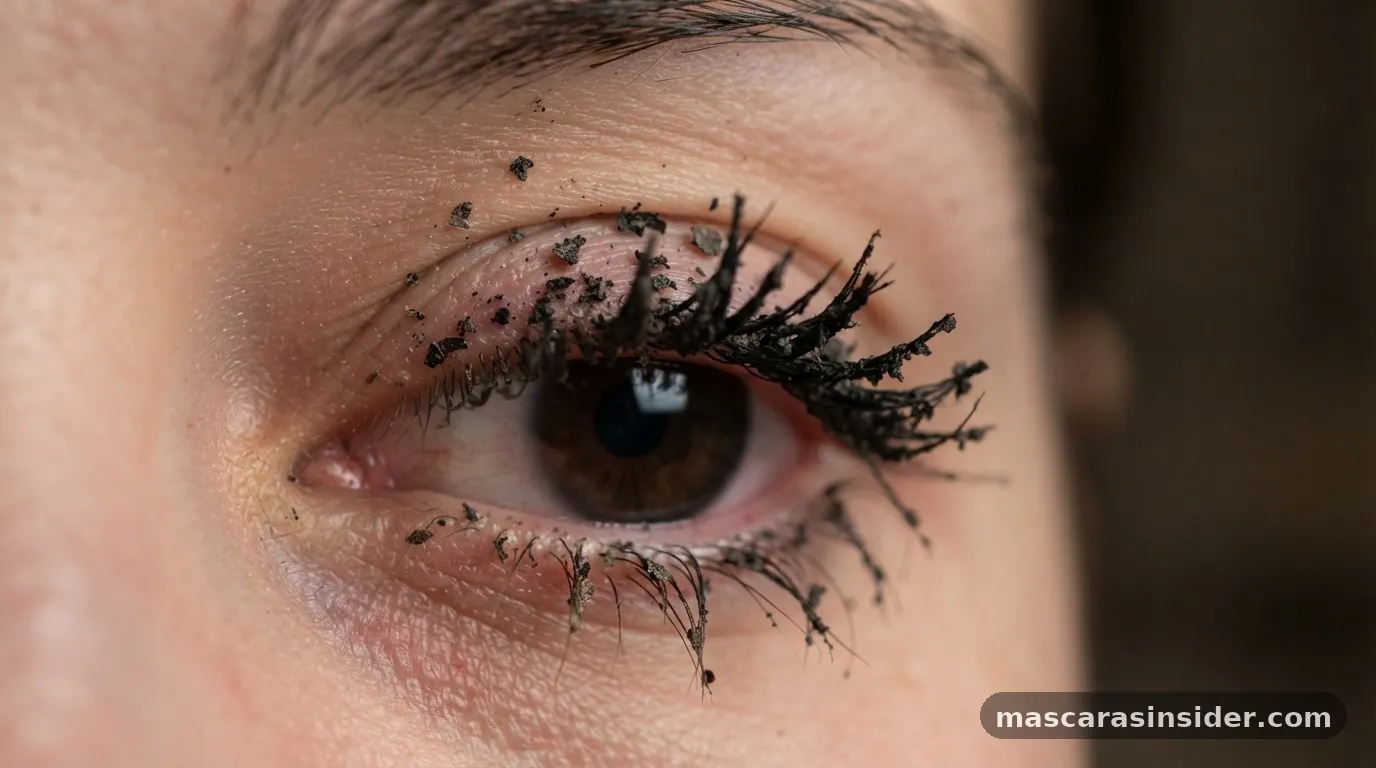
If you are wondering what happens if i sleep with mascara on regarding your lashes, the primary concern is physical damage. Eyelashes are essentially hair, and just like the hair on your head, they require a clean environment to remain strong.
Mascara formulas are designed to coat, thicken, and darken lashes, often using waxes and polymers that harden once applied. When you head to bed without removing this product, your lashes remain stiff and brittle throughout the night.
1. As you toss and turn, your lashes rub against your pillowcase. Because the mascara has hardened, the lashes cannot flex naturally.
This friction often leads to breakage, causing your lashes to become sparse or stunted over time.
2. Beyond simple breakage, the weight of the product can cause mechanical stress. If you use heavy, waterproof formulas, that extra load remains on the hair follicle for an extended period, which is not what your eyes need during their recovery phase.
3.
Chronic neglect of your lash hygiene can even lead to a condition where the lashes fall out prematurely. If you make it a habit to avoid using a quality makeup remover before hitting the sack, you are actively working against the natural growth cycle of your lashes.
Ocular Irritation and Bacterial Growth
The most serious consequence of leaving product on overnight involves the health of your eyes themselves. The area around your eyes is incredibly sensitive, and mascara often migrates during the night.
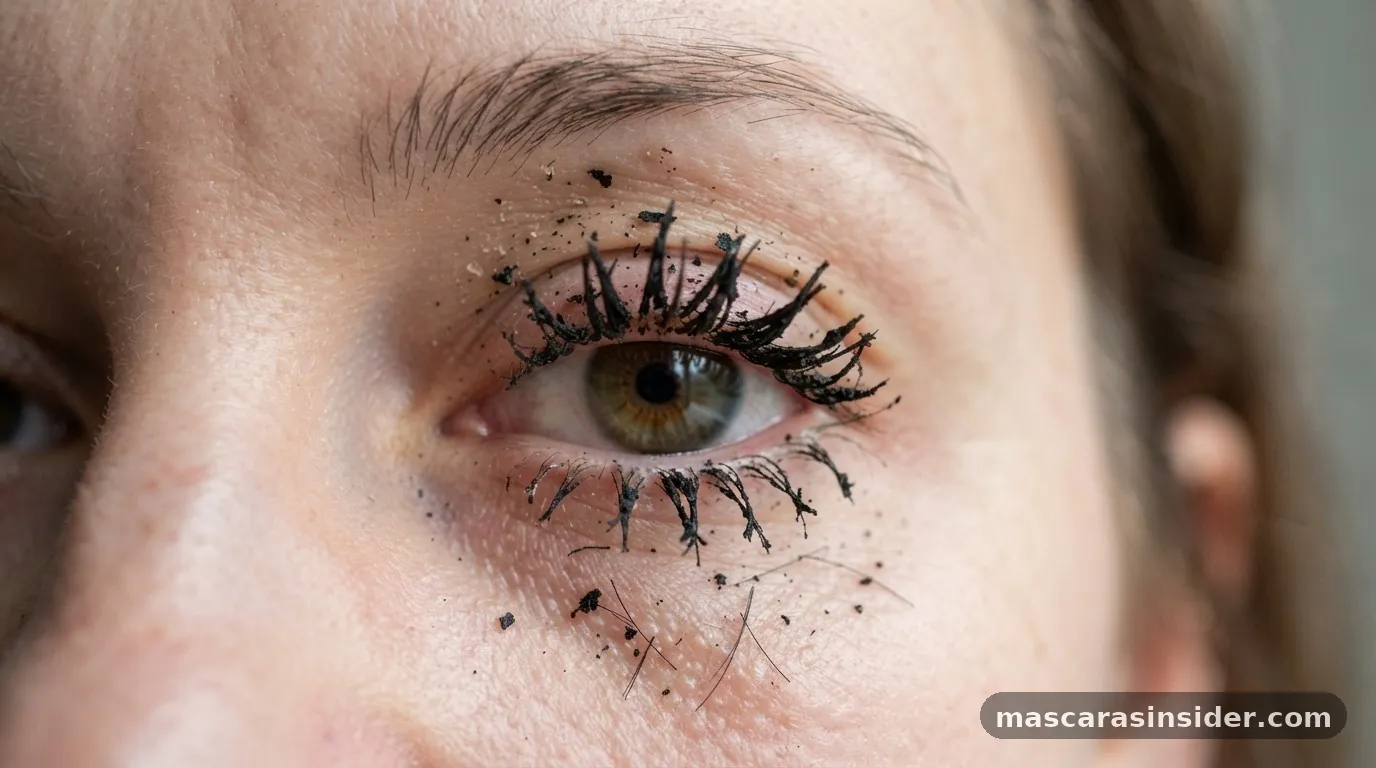
When you sleep with these particles present, they can easily flake off and fall into the eye. This causes immediate irritation, redness, and a gritty, uncomfortable sensation that you might wake up with the following morning.
Beyond simple irritation, the accumulation of product can harbor bacteria. Mascara tubes are notorious breeding grounds for microbes, and when you apply that product and leave it on for an entire night, you are effectively creating a culture medium for potential infections. According to the American Academy of Ophthalmology, proper hygiene is essential to prevent eye infections, including conjunctivitis or styes.
A stye is a painful, red bump that forms near the edge of the eyelid when an oil gland becomes clogged or infected. By not removing your mascara, you are significantly increasing the likelihood of these painful occurrences.
Clogged Pores and Skin Congestion
Many people mistakenly believe that eyeshadow or mascara only affects the eyes, but the reality is that residue migrates across the entire orbital area. When you do not remove makeup properly, your pores become clogged by a mixture of cosmetic waxes, pigments, and the natural oils your skin produces while you rest. This is a common overnight cause of breakouts that seem to appear out of nowhere.
The skin around your eyes is thinner than the skin on the rest of your face, making it highly susceptible to congestion. If you wear foundation or other products alongside your mascara, the total surface area of your face is effectively “suffocated.” Your skin performs its most vital repair and regeneration processes at night.
By blocking your pores, you prevent the skin from breathing and shedding dead cells effectively. The result is often dull, lackluster skin, or worse, small bumps known as milia, which can form when keratin becomes trapped beneath the surface of the skin because the pores were obstructed by layers of leftover product.
The Long-Term Effects of Poor Skincare Habits
If you find yourself asking what happens if i sleep with mascara on every night, you are setting yourself up for long-term dermatological concerns. Consistency is the cornerstone of effective skin care. When you repeatedly skip your evening cleanse, your skin’s barrier function begins to weaken.
This barrier is responsible for keeping moisture in and harmful environmental stressors out. Once compromised, your skin becomes more reactive, leading to chronic redness, dryness, and sensitivity.
Furthermore, the persistent presence of old makeup pigments can lead to hyperpigmentation. Over time, the constant friction of rubbing off dried, crusty mascara, or the inflammation caused by bacterial buildup, can darken the delicate skin under your eyes.
This contributes to the appearance of dark circles that are notoriously difficult to treat with topical creams alone. Essentially, you are trading a five-minute nightly routine for potential years of trying to reverse the damage caused by simple laziness.
Comparing the Risks of Different Makeup Habits
It is helpful to analyze how different types of makeup and behaviors contribute to the overall health of your complexion. While mascara is often the most cited culprit, the cumulative effect of a full face of makeup is significantly more damaging.
| Makeup Category | Primary Risk Factor | Severity of Impact |
|---|---|---|
| Mascara | Lash breakage and eye infection | High |
| Foundation | Clogged pores and acne | Medium |
| Eyeshadow | Dermatitis and skin irritation | Low to Medium |
| Eyeliner | Blocked oil glands | High |
As shown in the table above, the items that sit closest to the eye or cover the largest surface area of the face carry the highest risk. Mascara and eyeliner are particularly problematic because they interact directly with the sensitive tear ducts and the fragile hair follicles of your lashes. Ignoring these steps before you fall asleep creates a compounding effect, where the damage done on Monday night is exacerbated by the damage done on Tuesday, preventing the skin from ever reaching a state of equilibrium.
Addressing Common Topical Gaps
A frequent point of confusion involves whether “natural” or “clean” mascaras are safer to sleep in. The answer remains a firm no. While some brands claim to use safer ingredients, any substance that is designed to adhere to your lashes for twelve hours of wear is not formulated to be left on for twenty-four hours.
Even natural waxes can clog the meibomian glands in your eyelids. These glands are responsible for producing the oil that keeps your tears from evaporating. If these glands become blocked by mascara residue, you may develop dry eye syndrome, a chronic condition characterized by burning, stinging, and persistent discomfort.
Another gap in common knowledge is the myth that wiping your eyes with a dry towel is a sufficient way to remove makeup if you are too tired for a cleanser. This is perhaps one of the most damaging things you can do.
The pulling and tugging required to remove dry mascara with a towel stretches the delicate skin around the eyes, which can lead to premature fine lines and wrinkles. It is much better to use a dedicated oil-based cleanser or a micellar water that can dissolve the product without requiring harsh physical force.
FAQ Section
4. Can I just use soap and water to remove my mascara?
While soap and water can remove some makeup, they are often too harsh for the delicate eye area and may not effectively break down waterproof formulas. Using a dedicated eye makeup remover or a gentle cleansing balm is safer, more effective, and prevents unnecessary tugging on your lashes.
5. Is it okay to leave mascara on for just one night?
While one night is unlikely to cause permanent damage, it sets a bad precedent.
Even a single night can lead to clogged pores, potential eye irritation, or a stye. It is always better to prioritize your skin health by taking the extra few minutes to cleanse properly.
6. What should I do if I wake up with mascara still on?
If you wake up with residue, do not rub your eyes.
Use a clean cotton pad soaked in a gentle makeup remover and hold it against your lashes for thirty seconds to dissolve the product. Once it has loosened, wipe it away gently in a downward motion.
7. How does mascara cause acne?
Mascara itself doesn’t typically cause acne, but it contributes to a dirty environment.
When mascara flakes off onto your cheeks or forehead throughout the night, those particles mix with your natural skin oils and bacteria. This combination creates a recipe for clogged pores and potential breakouts in the surrounding areas.